Useful fitness answers, without the noise.
Evidence-minded guides for people who care more about visible progress than another number on the scale.

Reading about progress is useful. Seeing yours is better.
Turn one gym photo into body-fat, FFMI, and muscle-group trends, then keep the signal going with consistent check-ins.
4.9 ★ from 35 ratings · 5,000 lifters · Private by design
Latest articles
Practical guidance on body composition, progress photos, training, and the work behind GainFrame.
Showing 241–254 of 254 posts
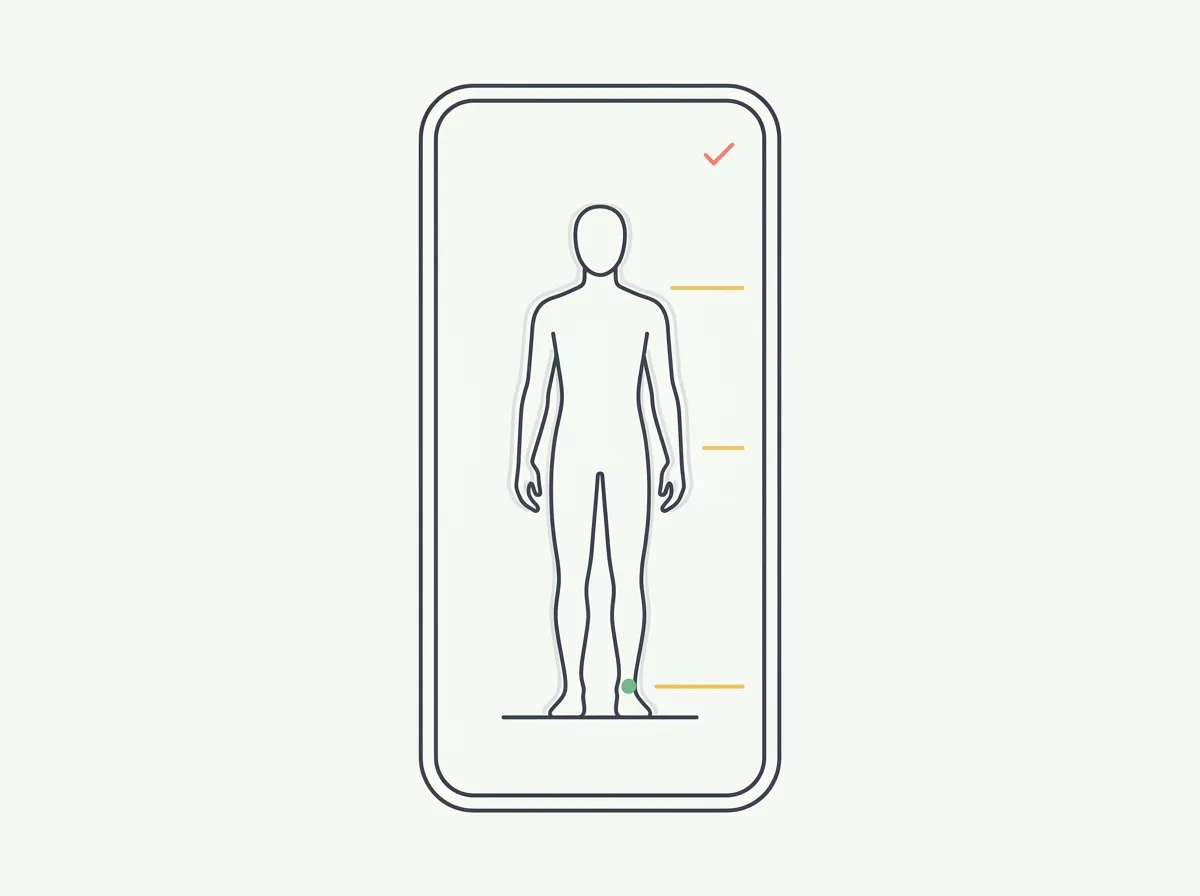
The Complete Guide to Progress Photos That Actually Track Change
Most progress photos are useless for measuring real change. Different lighting, random poses, inconsistent timing—every variable you don't control is noise that hides your actual progress. Here's how to fix that.
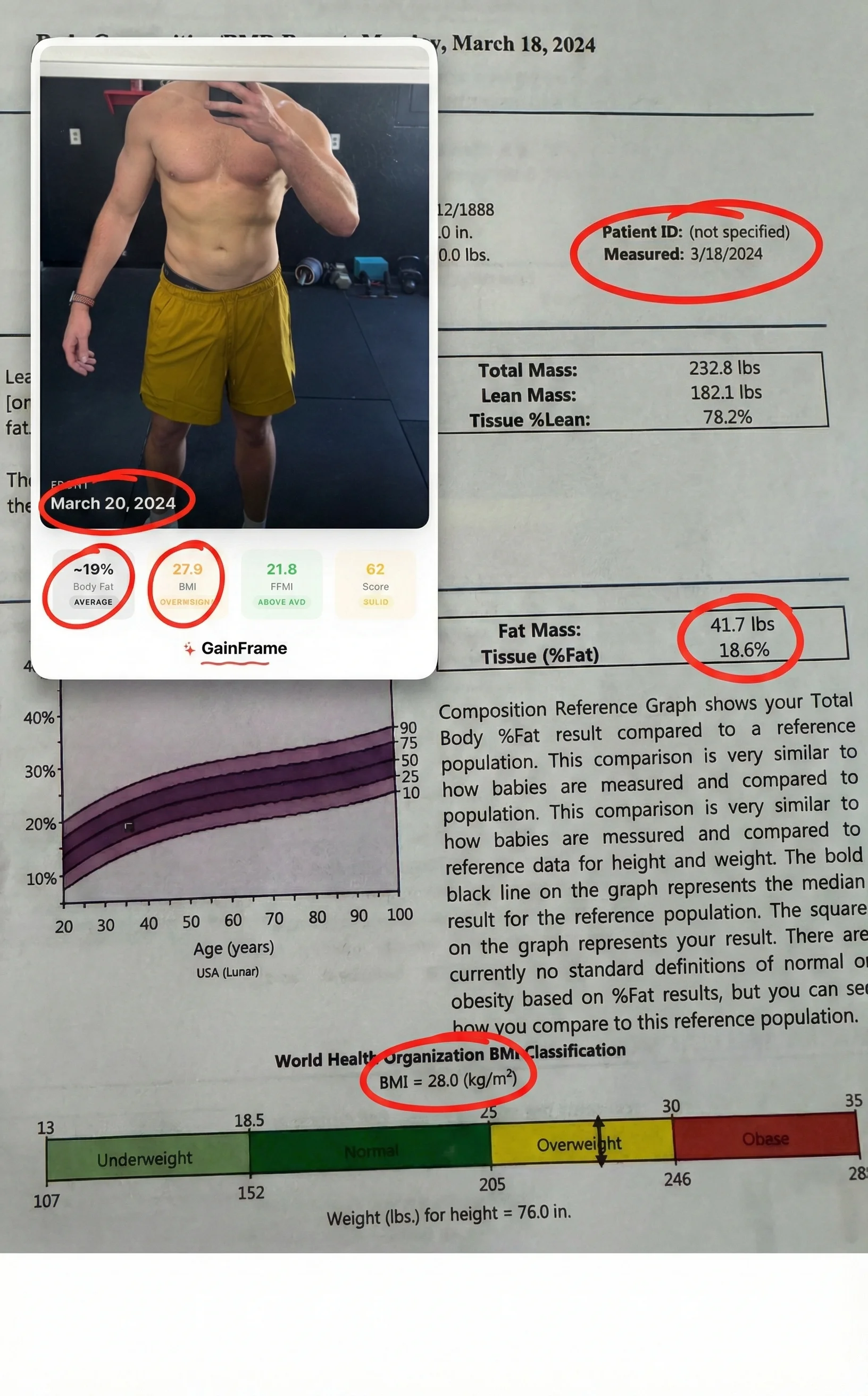
I Compared My AI Body Scan to a $150 DEXA Scan - Here's How Close It Got
DEXA scans are the gold standard of body composition, but they cost time and money. I put GainFrame's AI to the ultimate test to see if a gym selfie could match clinical reality. The results were shockingly close.
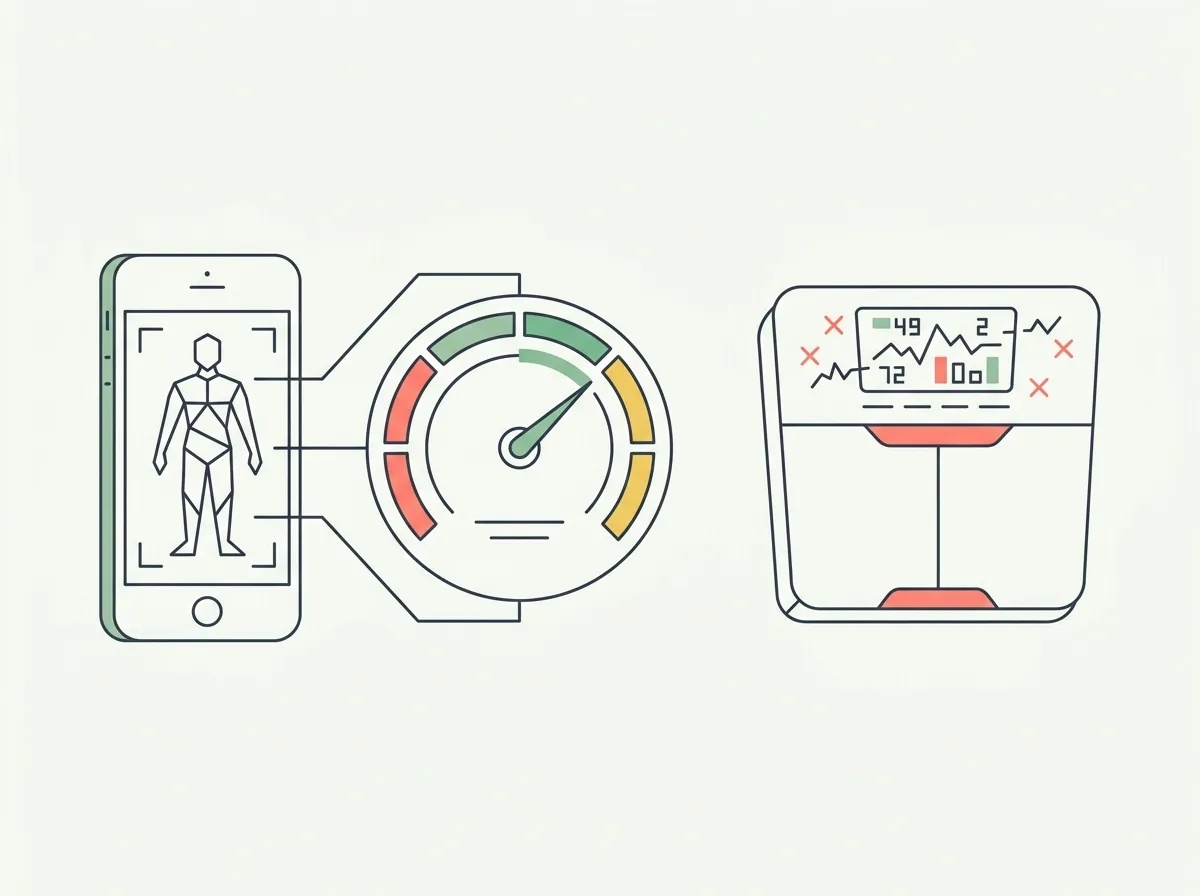
Best Body Fat Calculator from Photo: Why AI Beats Smart Scales
Your smart scale displays 14.2% body fat with confident precision. Tomorrow morning, after the same routine, it reads 16.5%. Nothing changed except your hydration levels. Here's why a body fat calculator from photo offers something fundamentally different.
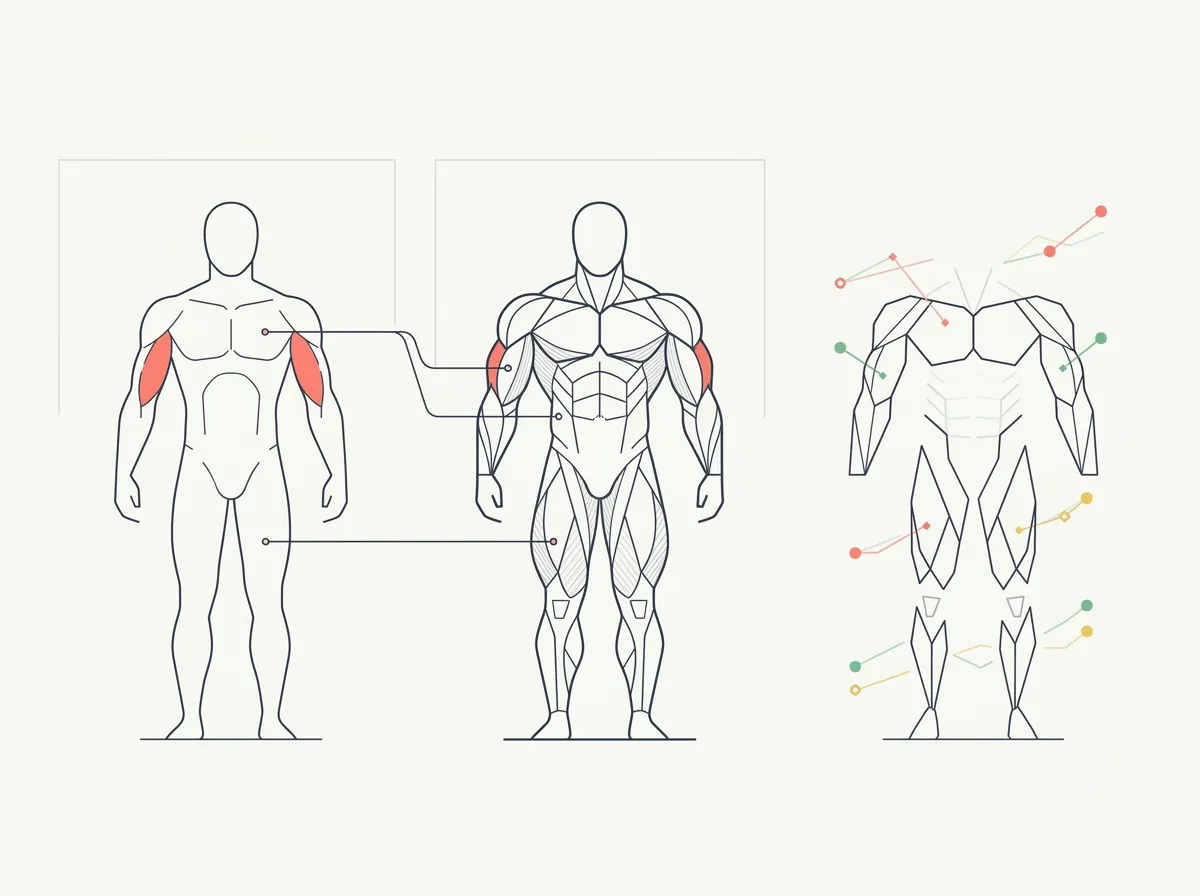
How to Measure Muscle Gain Without a Scale
Your scale can't tell the difference between muscle and fat. Here's how to track real muscle gain using progress photos, AI body composition analysis, and data that actually means something.
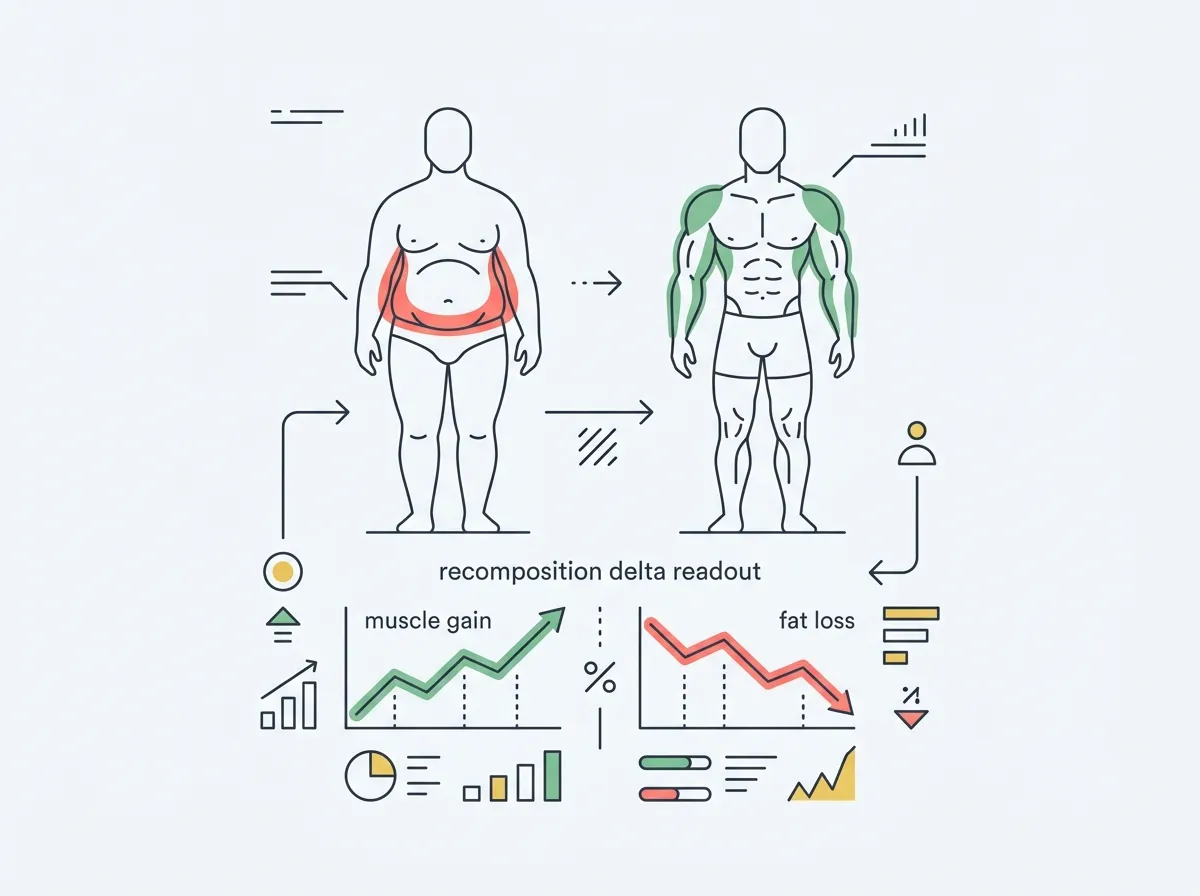
How to Track Body Recomposition with Photos
Body recomps are a mental grind. The scale won't move, the mirror lies, and your camera roll is a mess. Here's how to use AI photo analysis as an unbiased set of eyes that proves your recomp is actually working.
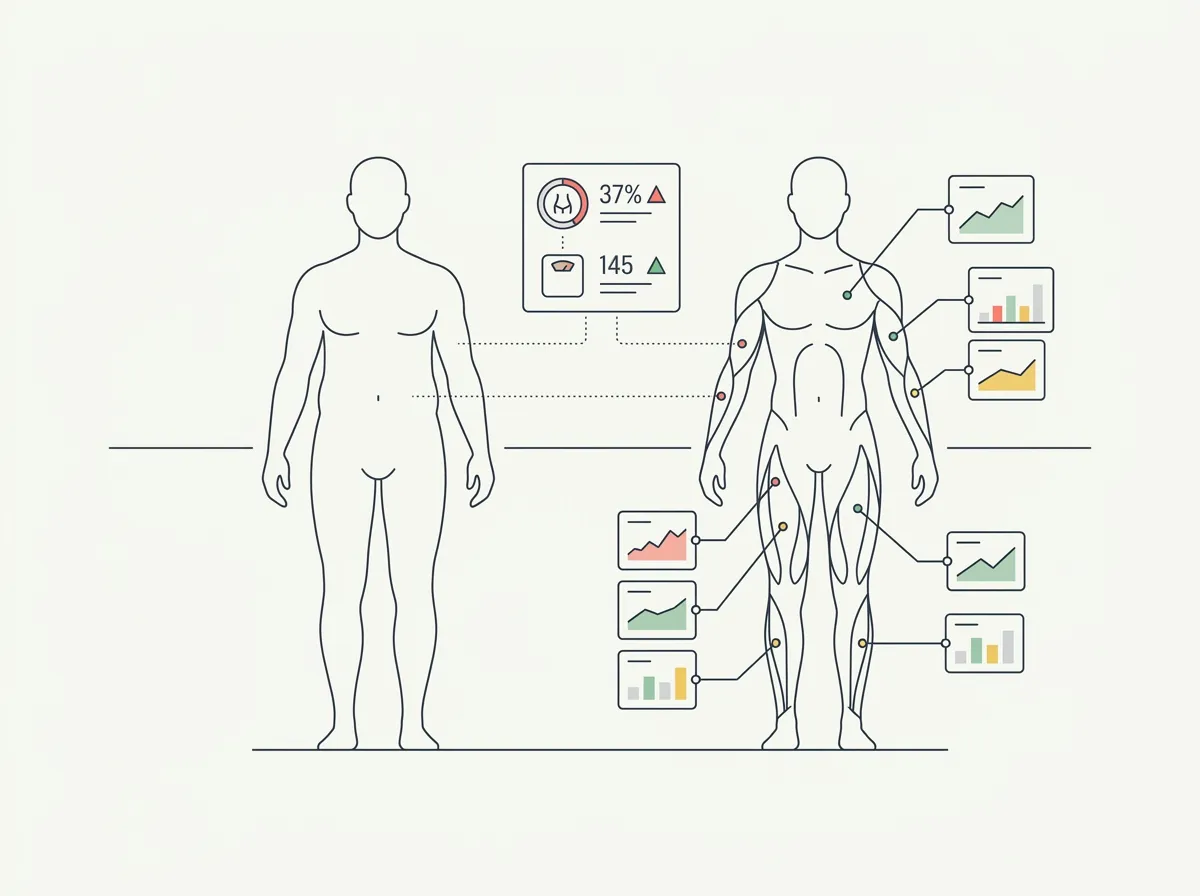
Deep Dive Compare: Quantify Exactly What Changed
Move beyond "I think I look bigger." See objective data on your body fat transitions, specific muscle upgrades, and what your next phase demands.
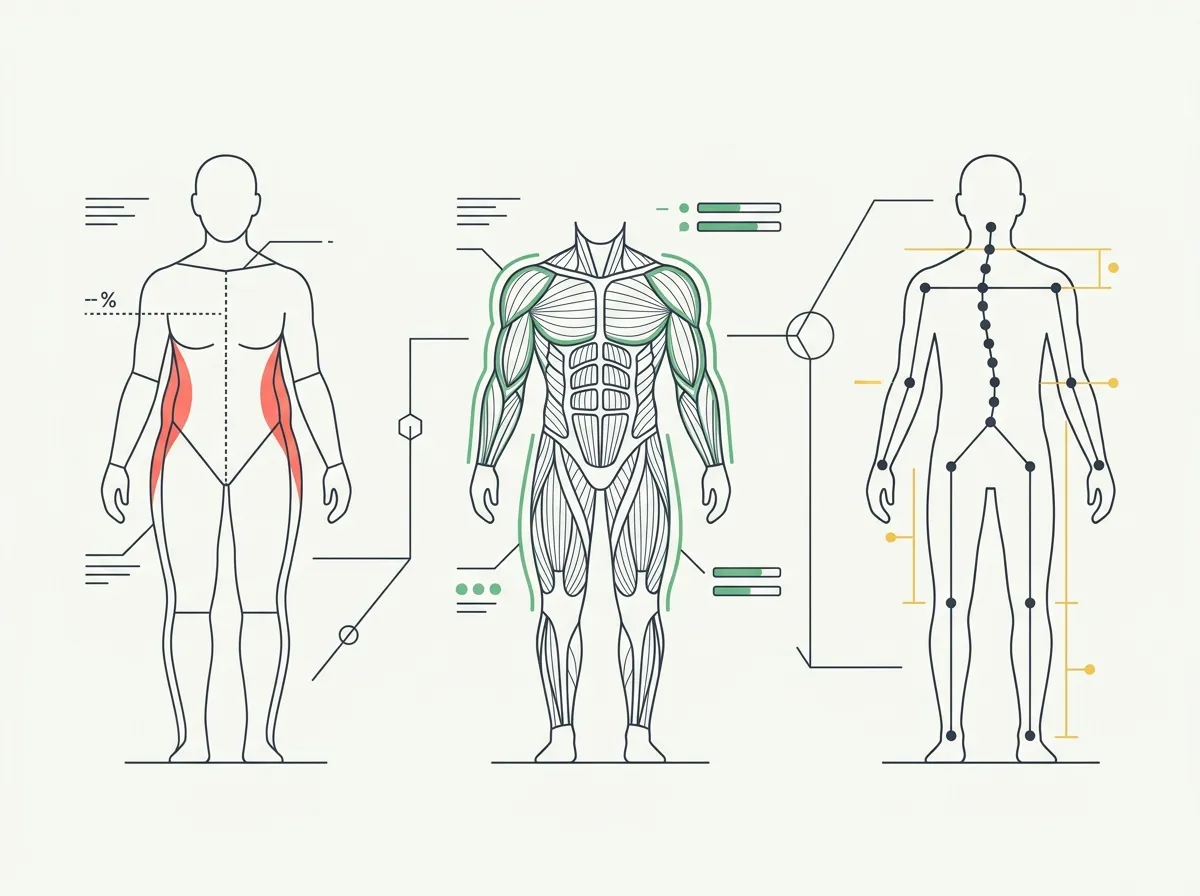
The All-New Deep Dive: Posture, Macros, and Goal-Driven Analysis
Body fat %, expanded muscle group scoring, posture analysis, and calculated daily macros — now tailored to your exact fitness goals.
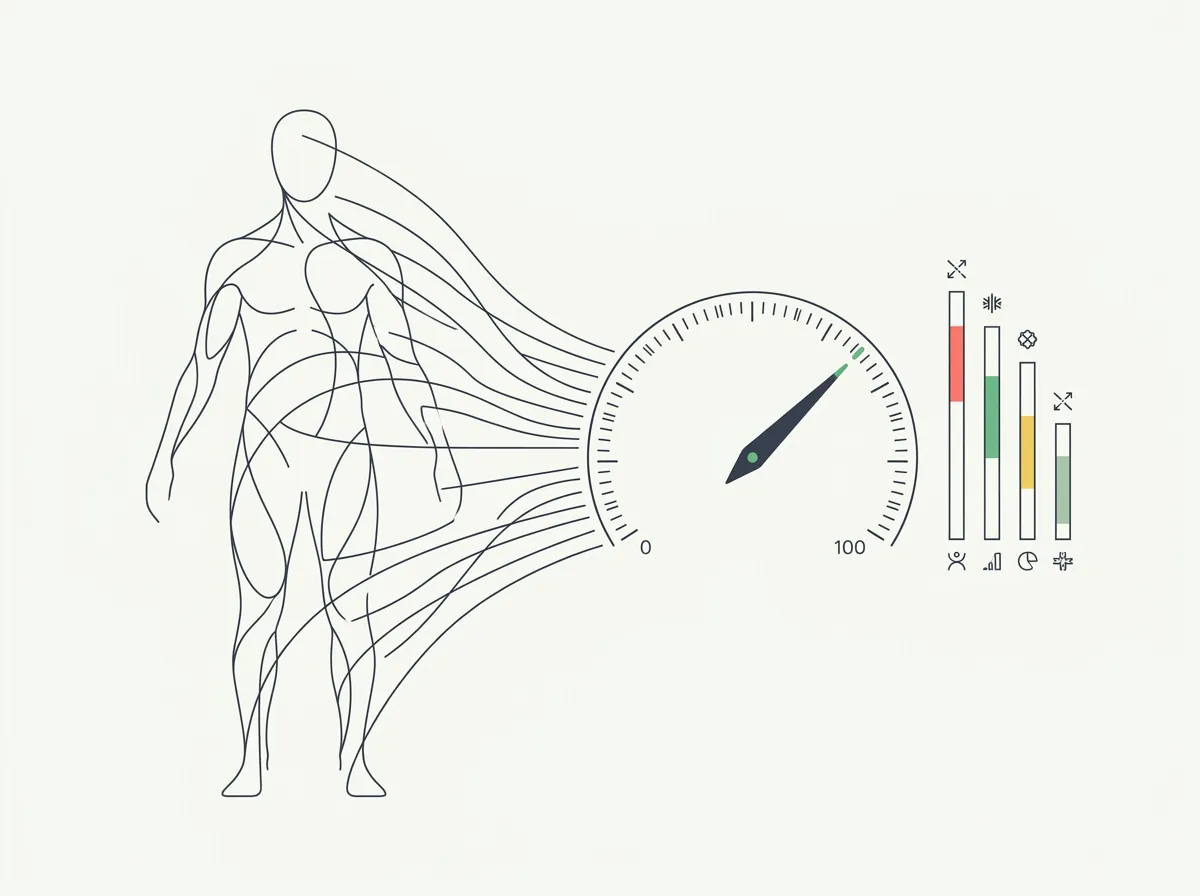
Understanding Your AI Physique Score: What 1–100 Really Means
Your GainFrame Score rates your physique on a 100-point scale. Here's exactly what goes into the calculation — and how to use it to optimize your training.
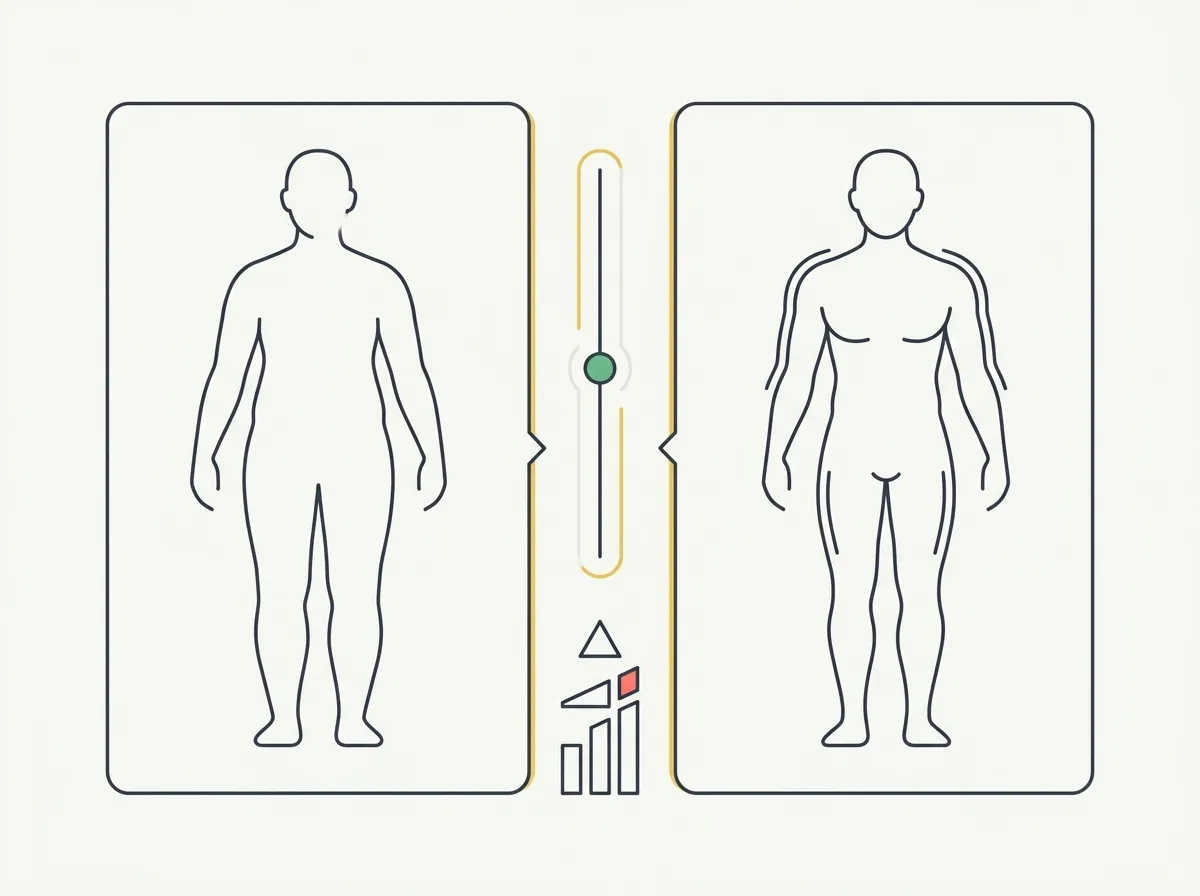
What Comparing Progress Photos Actually Looked Like Before GainFrame
Your camera roll is full of progress you can't see. Here are six ways the old method hides your gains - and how GainFrame makes every change unmissable.
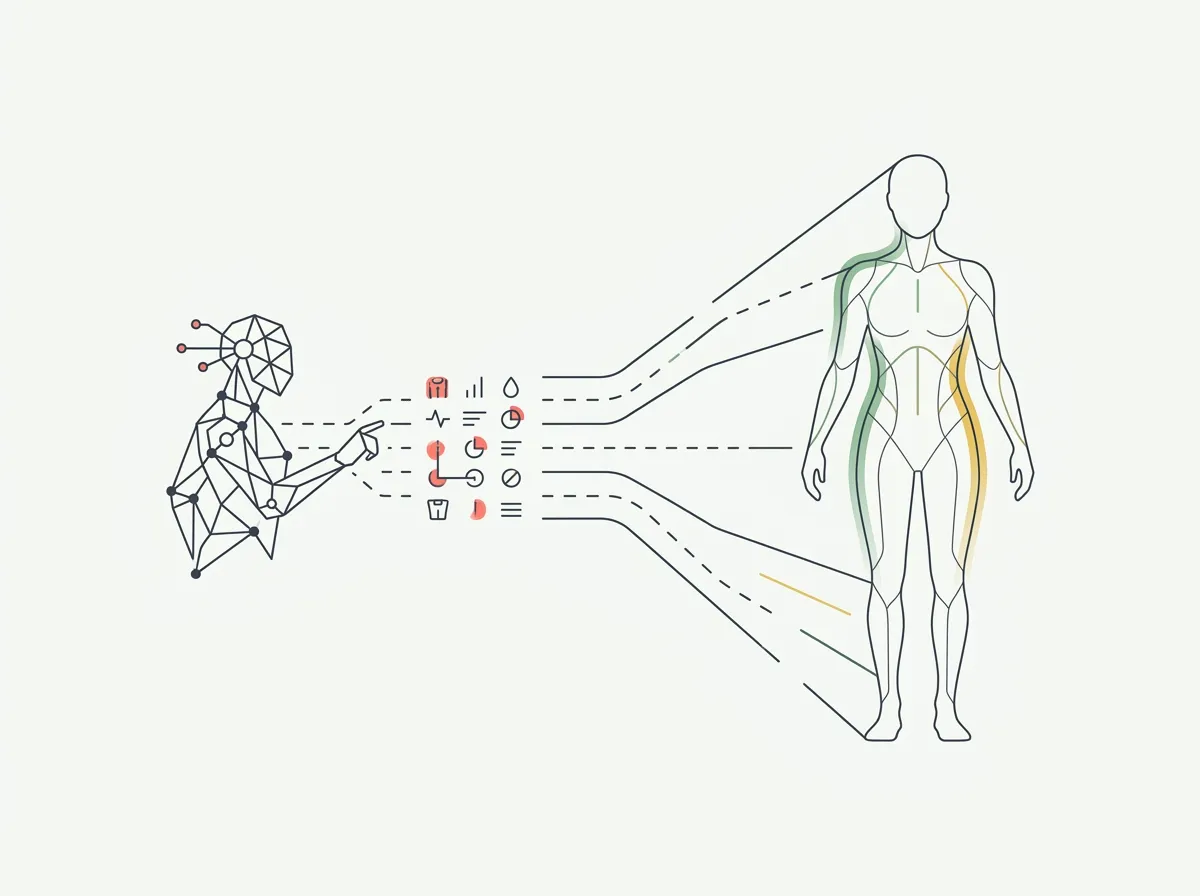
Behind the Prediction: How GainFrame Calculates Your Future Physique
It's not a generic filter. It's a personalized roadmap built from your historical progress. Here is a look under the hood at how our AI engine turns your camera roll into actionable data.
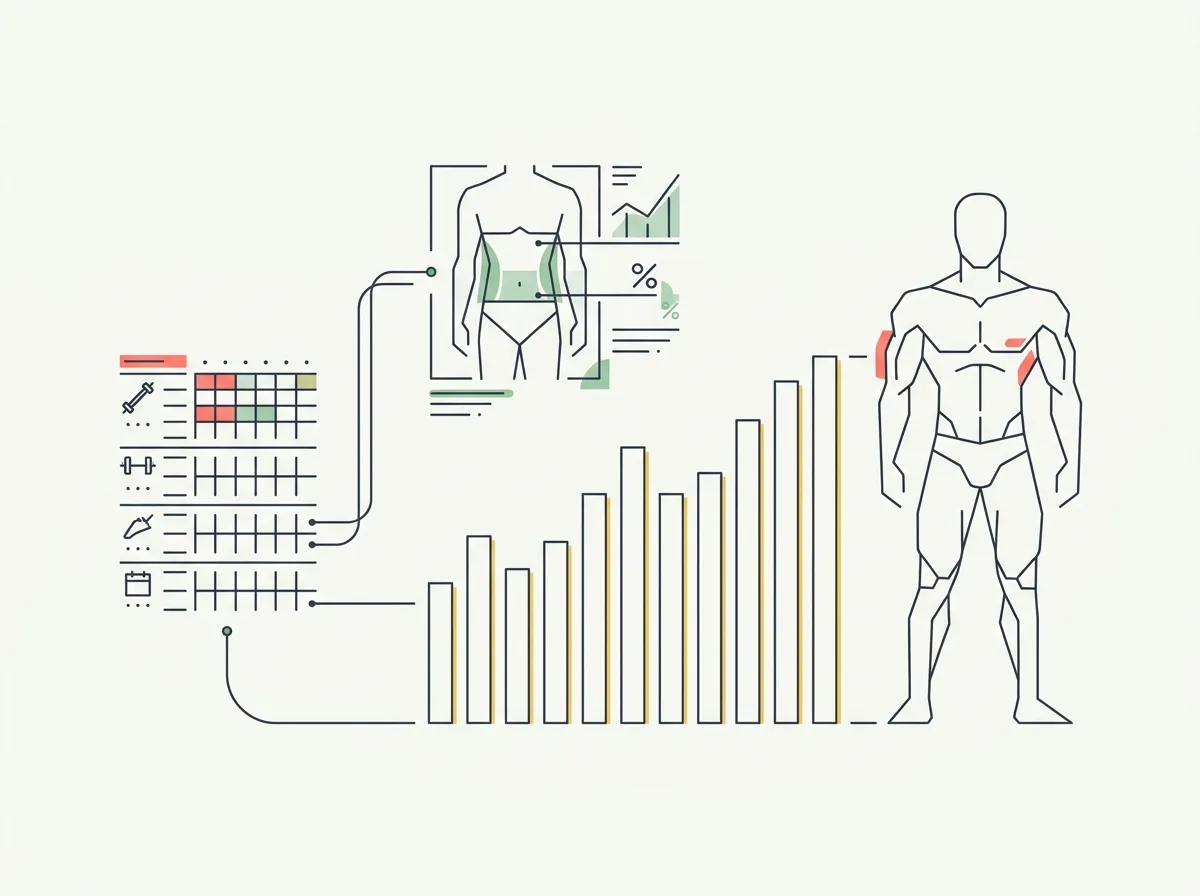
GainFrame + Hevy: The Ultimate Physique Tracking Stack
You log every set, rep, and pound of volume in Hevy. Now connect that training data directly to your visual progress photos.
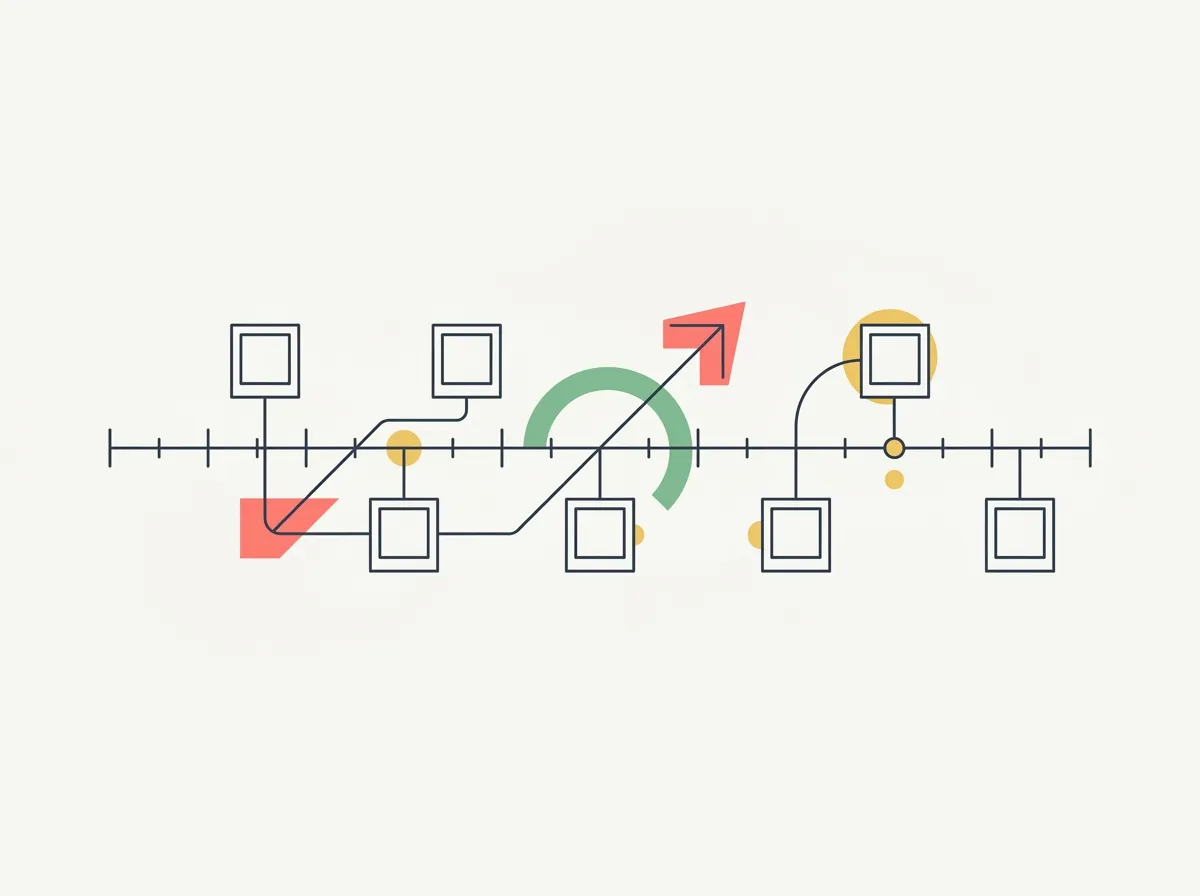
Timeline Tracking Guide: Visualize Your Progress Over Time
Daily snapshots, quarterly overviews, and auto-generated transformation videos—GainFrame's Timeline turns months of gym selfies into a visual story of your transformation.
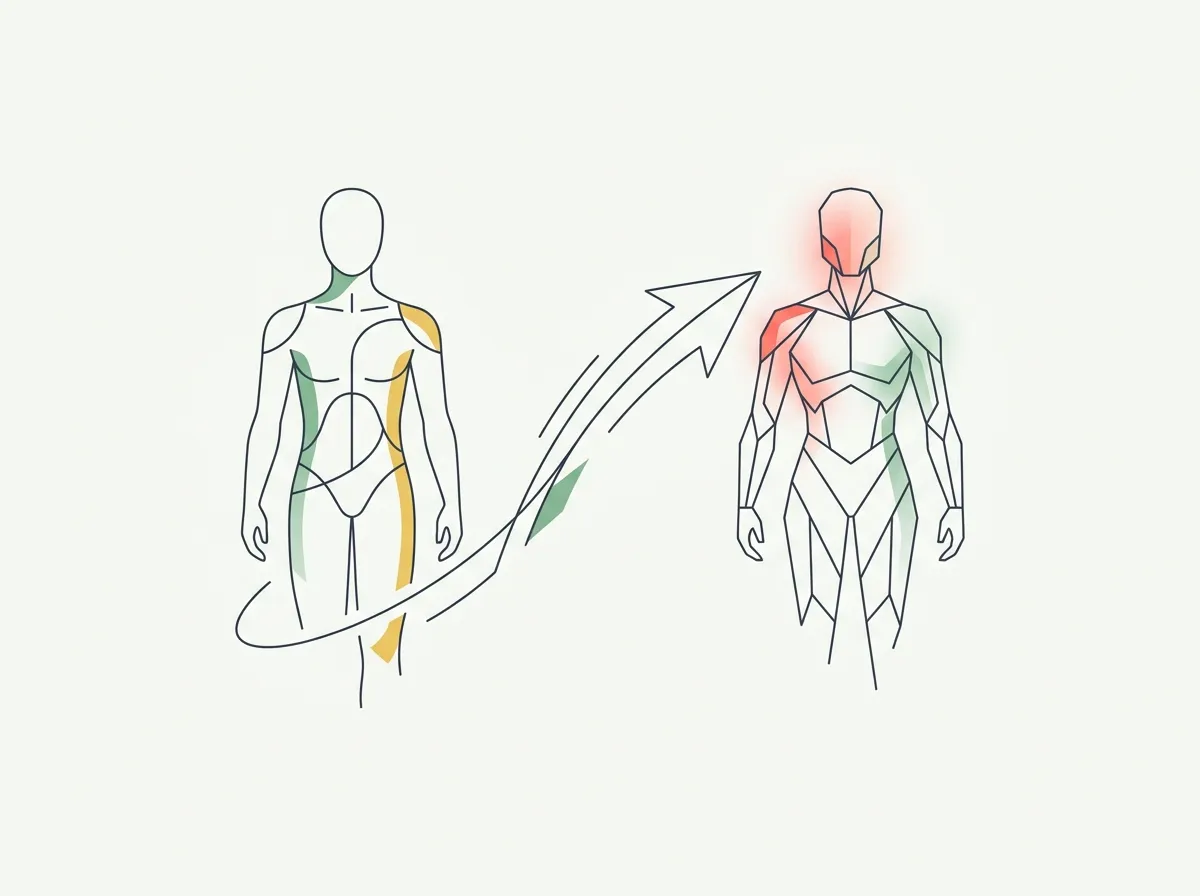
Future Physique: See Where Your Body Is Headed
GainFrame's AI prediction engine analyzes your progress photos, generates a projected image of your future self, and gives you the specific training recommendations to get there.
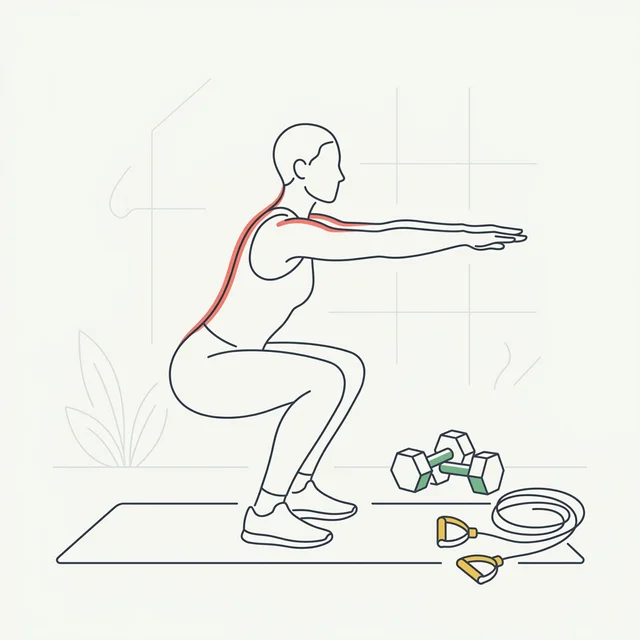
ACSM Resistance Training Guidelines (2025): Sets, Reps & Frequency Explained
For decades, the ACSM prescribed exactly how many sets, reps, and days per week you needed (2-4 sets × 8-12 reps × 2-3 days). The 2025 update dropped most of that. Here's what replaced it - and why "any amount helps" is now the official position.
Download GainFrame today
Sign up for early access and be the first to know when GainFrame goes live.