Tracking fitness progress effectively comes down to four core metrics: workout load and reps, weekly average body weight, waist circumference, and monthly photos. Using weekly averages and tape measurements filters out daily fluctuations and distinguishes lean muscle gain from fat. Maintaining consistent photo conditions and logging all metrics in one place ensures reliable feedback on your training.
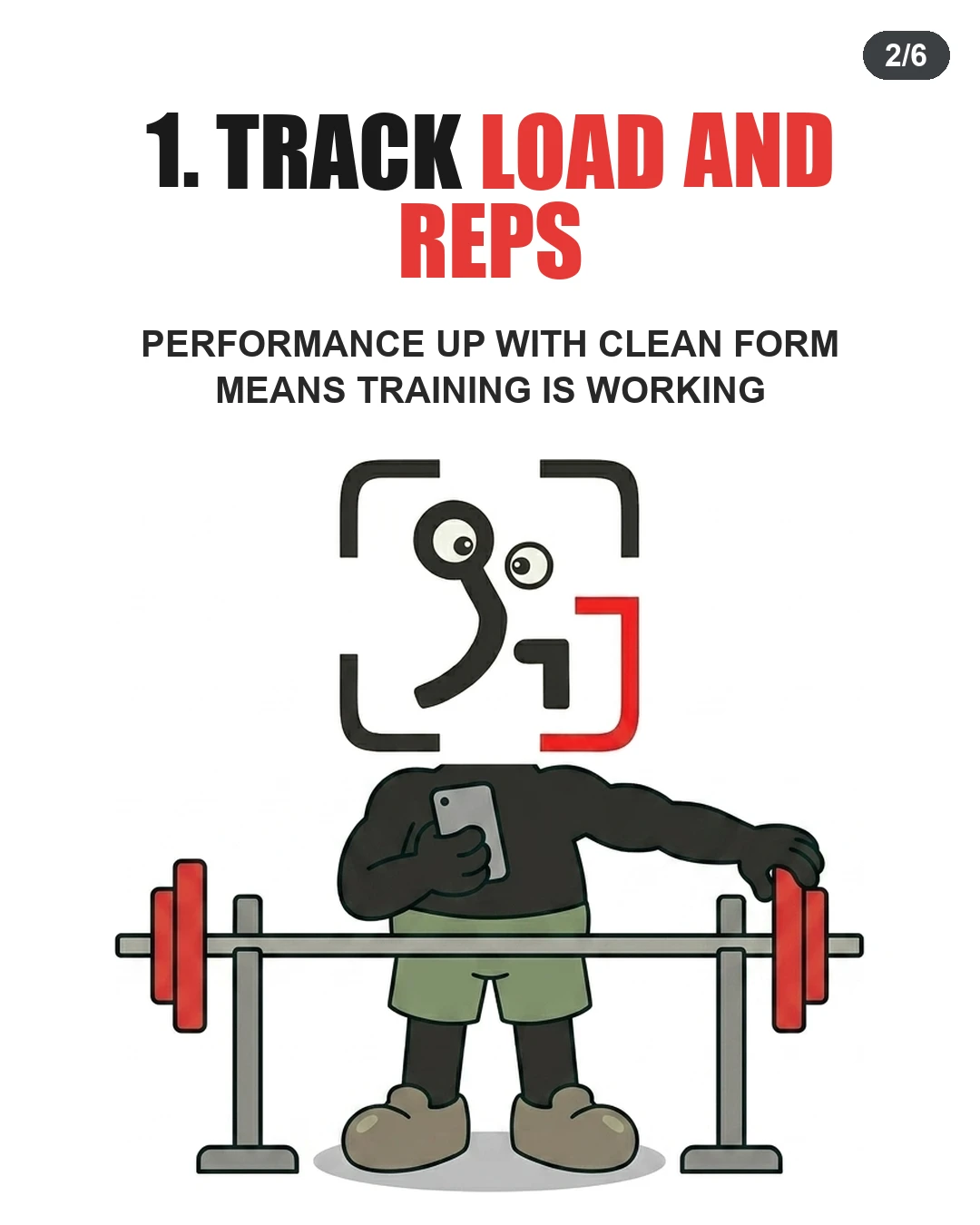
The only 4 numbers to track1. Track load and reps
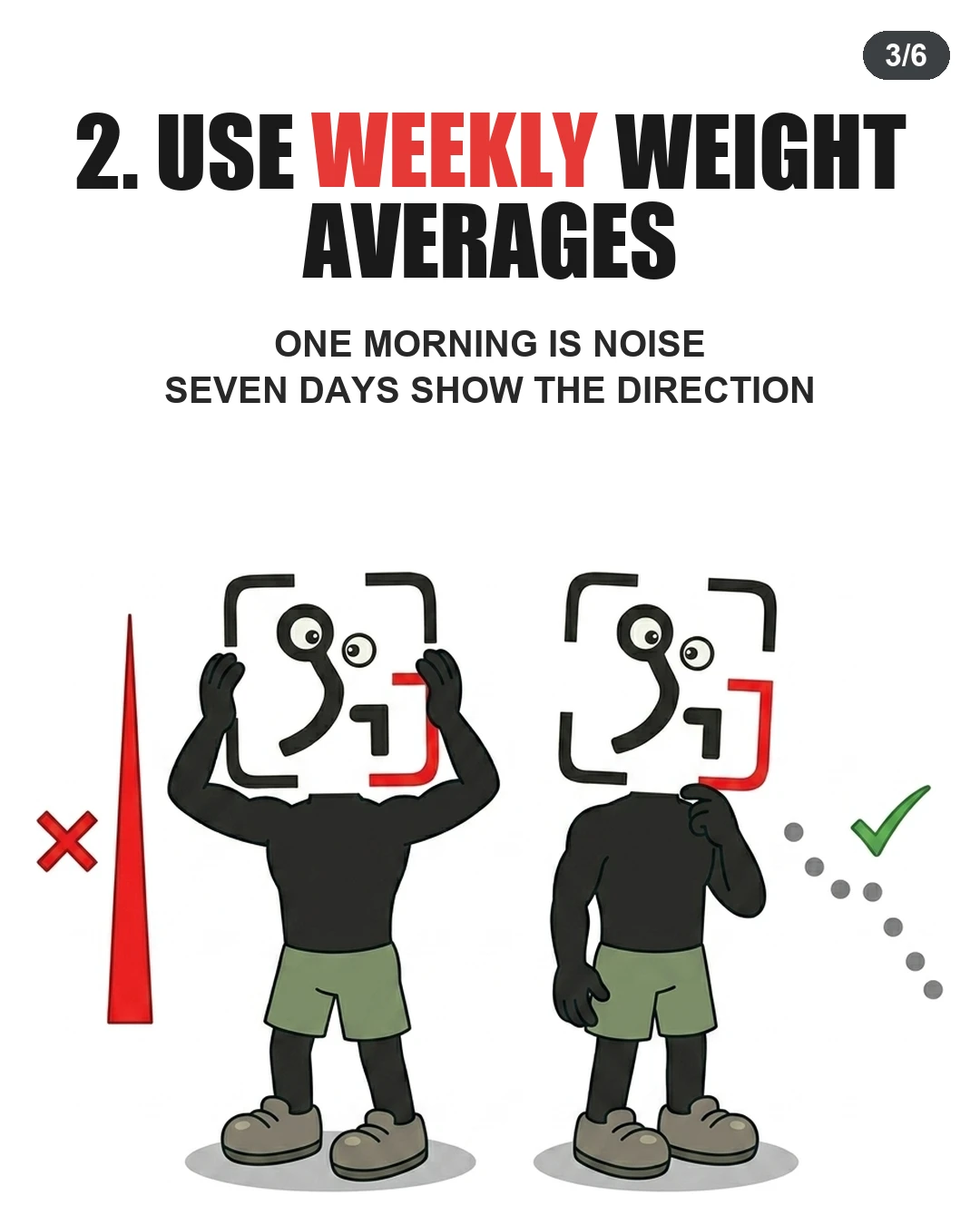
Performance up with clean form means training is working2. Use weekly weight averages
One morning is noise
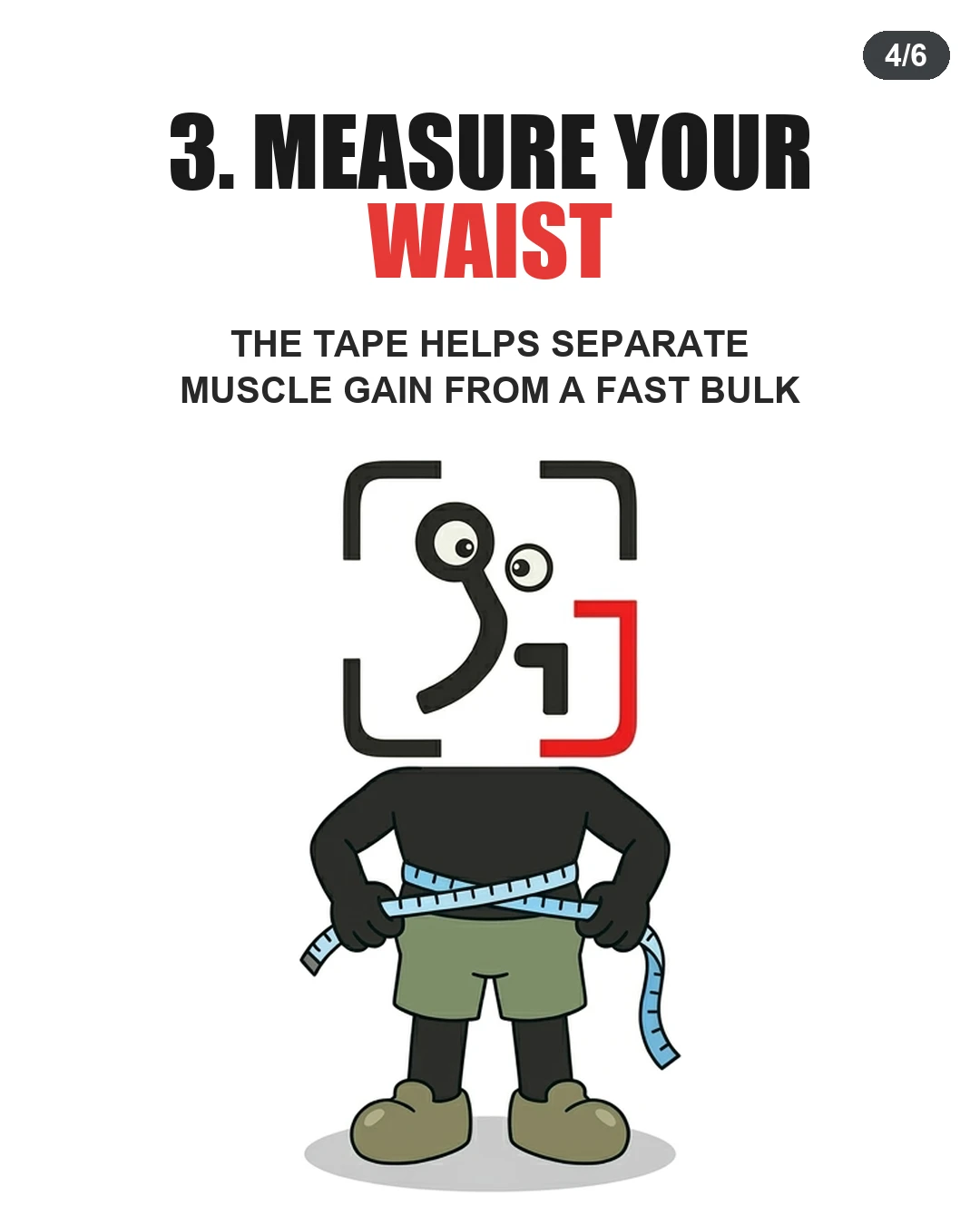
Seven days show the direction3. Measure your waist
The tape helps separate muscle gain from a fast bulk4. Take monthly photos
Match pose, light, and distance
Consistency makes them usefulKeep every signal in one place
GainFrame
Like the comics? The app does the tracking.
GainFrame turns progress photos into body fat estimates, muscle scores, and honest trend lines — the stuff these comics keep nagging you about. Free to start on iOS.