
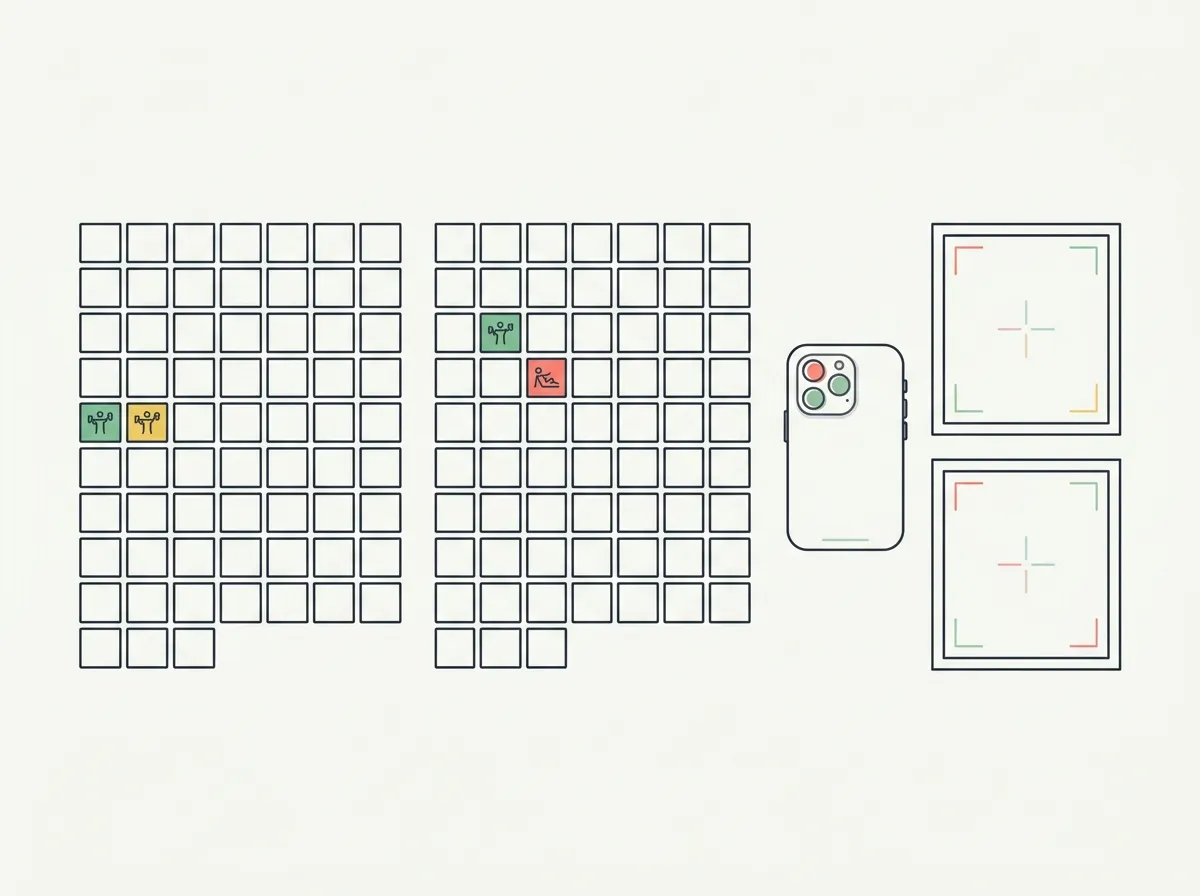
Quick answer: 75 Hard uses strict daily tasks and a restart rule, including two workouts and a progress photo each day. The commonly described 75 Soft version uses one workout, weekly active recovery and more flexible habits. Choose a routine that fits your health and schedule, and track consistency separately from visible physical change.
Two 45-minute workouts add up to 90 minutes before you count changing clothes, travel or showers. If you already have a lifting plan, the first question is where that extra time and effort will fit on an ordinary Tuesday.
This comparison covers Andy Frisella's published 75 Hard rules and the common 75 Soft version described by Cleveland Clinic. Soft variants circulate online, so write down the version you intend to follow. Neither challenge guarantees a particular weight change or physique after 75 days.
How do the 75 Hard and 75 Soft rules compare?
The 75 Hard creator's rules set fixed daily tasks. Cleveland Clinic's description of 75 Soft provides the flexible version used in this table.
| Commitment | 75 Hard | Common 75 Soft version |
|---|---|---|
| Duration | 75 consecutive days | 75 days |
| Exercise | Two 45-minute workouts daily; one outdoors | One 45-minute session daily; one active-recovery day each week |
| Food and alcohol | Follow a chosen diet; no alcohol or cheat meals | Eat well; alcohol only on social occasions |
| Water rule | One US gallon daily | Three liters daily |
| Reading | 10 pages of nonfiction/personal development | 10 pages of any book |
| Progress photo | Daily | Optional in this version |
| Missed task | Restart from day one | Resume without a compulsory restart |
The water quantities above describe challenge rules. Your fluid needs depend on factors including activity, weather, body size and health. Cleveland Clinic's hydration guidance also explains that drinking too much water over a short period can be harmful. A challenge checklist should not override personal medical advice or a prescribed fluid restriction.
Which challenge fits your current routine?
75 Hard may appeal to you if you want the creator's fixed rules and can accommodate the daily commitments. Its official FAQ also specifies separation between workouts and describes the restart requirement. Read the complete rules before starting so your calendar reflects the actual program.
75 Soft may fit better if you want room for recovery and adjustments. Choose it because its structure fits the routine you want to maintain. You can also build a smaller personal challenge if neither version fits your health, work, caregiving or training schedule.
Picture a difficult week before choosing. Include the late meeting, poor night's sleep and inconvenient weather. The useful plan is one you can describe clearly under those conditions, including when to stop or seek advice.
How should a lifter think about recovery?
Adding a challenge on top of an existing program changes your workload. Put every planned session on one calendar before adding more. Ask whether the new activity duplicates a hard training day or uses time you currently need for sleep and recovery.
For health conditions, injuries or concerns about exercise volume, discuss the plan with a qualified clinician. The 75 Hard creator also advises consulting a healthcare professional before starting. Protect your health even when that means stopping a challenge or recording an incomplete day.
Keep two separate records: completed tasks and how your training feels. A checkbox can show that you exercised; your notes can show that your technique, energy or willingness to train changed. That distinction makes the record useful after the challenge ends.
How should you take progress photos during a 75-day challenge?
Set up the camera before day one. Use the progress-photo setup tool to choose framing, then mark the camera and standing positions. Keep the same pose, clothing and light where possible. Fitted workout clothing is enough; you do not need to undress or post the images publicly.
If you follow 75 Hard, its photo task is daily. You can still choose fewer dates for a deliberate side-by-side review. For a flexible routine, our photo-frequency guide explains how to select a repeatable schedule.
Use the progress-photo comparison tool to align a consistent pair. Label the dates and record obvious differences such as a new room, post-workout lighting or a changed pose. Compare the images without filters that alter body shape.
An example review schedule is day 1, day 25, day 50 and day 75. That is an organizational choice, not a promise that a visible change should occur every 25 days. You can finish the program and still need a longer observation period for your particular goal.
What should you track besides appearance?
| Record | Simple entry | Question it answers |
|---|---|---|
| Habit completion | Date and tasks completed | Which routine did I actually follow? |
| Training | Exercise, load, reps and effort notes | How is my existing program going? |
| Recovery notes | Sleep, soreness and energy observations | What made the next session easier or harder? |
| Photo conditions | Location, camera height and pose | Can I fairly compare these two images? |
| End-of-challenge review | Habits to keep, change or stop | What will I continue on day 76? |
Choose a few fields you will keep up with. A notebook or calendar can handle the task record. For a broader seasonal plan, the existing Winter Arc guide offers another way to organize your priorities.
What should you decide before day one?
- Save the exact rules you intend to follow and their source.
- Fit the sessions around your current training and real weekly commitments.
- Check any health or recovery concerns before increasing activity.
- Choose a private location for your photos and mark a repeatable camera position.
- Set a review date and decide which habits you hope to keep afterward.
First choose the version, then prepare your tracking setup, then review the first week against your actual schedule. On day 76, use the record to decide what is sustainable for the following month.
What else should you know?
Do you need daily progress pictures for 75 Soft?
Daily photos are optional in the common 75 Soft version described here. If you want a visual record, choose a schedule you can repeat and keep the conditions consistent. You can store the photos privately and compare selected dates without sharing them publicly.
Can I combine the two 75 Hard workouts?
The official rules describe two separate workouts, and the creator publishes additional timing requirements in the program FAQ. Check that source before planning your day. Combining the sessions into one block changes the program, even if the total exercise time is the same.
Does finishing either challenge guarantee weight loss?
No specific weight loss or visible transformation is guaranteed. The checklist records behaviors, while physical changes depend on your starting point and many other factors. Track the habits you actually followed and use consistent photos and training notes to evaluate your own experience over time.
Should I delete my photos if I restart the challenge?
Keep the earlier photos if you want the complete record. You can label the restart date while preserving the previous dates and notes. That lets you compare consistent images across the whole period without pretending the activity before the restart never happened.
Can I track progress without posting before-and-after photos?
Yes. A private photo album, notebook or tracking app can hold your record. Choose storage and sharing settings you are comfortable with. If you decide to share later, check the background and identifying details first, and keep an untouched copy for your personal comparisons.
Keep a consistent photo timeline
GainFrame organizes your check-ins and comparisons on iPhone. Free download with limited check-ins. Optional Pro subscription; current price and limits are shown in the app.
Download GainFrame Free