
Quick answer: For men, a healthy body fat range is 14-17% (athletic 6-13%); for women, 21-24% (athletic 14-20%). Visible abs typically appear at 12% body fat for men and 18% for women. The same percentage looks different by sex because women carry 10-13% more essential fat for hormonal health. Use a chart with photos to estimate where you fall.
Someone tells you they're at 15% body fat. What does that actually look like? Without a visual reference, that number means nothing.
Text descriptions fall short. "Visible abs with some softness" could describe three different body fat levels depending on who's writing. The 60 reference images below use the same male and female build at every level, with matched front and back views: sixteen male stages from 8% to 30% and fourteen female stages from 18% to 40%. That makes small visual differences much easier to spot. For a one-shot baseline, our free AI body fat tool reads a photo and returns a percentage in under a minute.
The body dysmorphia problem
Before diving into visual charts, a warning: our perception is unreliable. When you look in the mirror, your insecurities take over. Worried about losing muscle? You might see yourself as smaller than reality. Paranoid about gaining fat? You may perceive softness that isn't there. Lighting changes everything. So does your mood, your hydration, and what you ate two hours ago.
This subjective perception makes self-assessment difficult and sometimes counterproductive. Visual charts help by giving you an external, objective benchmark to compare against, rather than relying on how you feel you look.
A note on the reference images below: they're standardized, photorealistic AI renders from our body fat visualizer, the same build, pose, clothing, crop, and lighting at every level, so the only intended change is body fat. The front/back pair at each percentage comes from one matched source plate. That's the comparison random internet photos can't give you, where genetics, pump, tan, and lighting all muddy the signal.
Why do men and women store fat differently?
Women naturally carry 10-13% more essential fat than men. This isn't optional, it supports reproductive and hormonal health. Men can survive with 2-5% essential fat while women require 10-13% minimum. A woman at 20% body fat is significantly leaner relative to her gender than a man at the same percentage. Male fat targets the stomach first due to testosterone. Female fat prioritizes hips, thighs, and buttocks due to estrogen. Same number, completely different appearance. For population context behind the male side of the chart, see the average male body fat percentage and how it changes with age.
Here is how the classifications break down:
| Classification | Men (Body Fat %) | Women (Body Fat %) | Aesthetic Characteristics |
|---|---|---|---|
| Essential / Competition Lean | 2% - 5% | 10% - 13% | Extreme vascularity, deep muscular striations, highly unsustainable for long-term health. |
| Athletic / High Fitness | 6% - 13% | 14% - 20% | Clear muscle separation, visible abdominal definition, prominent vascularity on extremities. |
| Fitness / Healthy Lean | 14% - 17% | 21% - 24% | Softer overall definition, abdominal separation visible primarily under optimal lighting conditions. |
| Average / Acceptable | 18% - 24% | 25% - 31% | Minimal visible muscle definition, adipose tissue begins concentrating predominantly in the abdominal/hip regions. |
| Obese / High Risk | 25%+ | 32%+ | Significant accumulation of subcutaneous and visceral fat, complete absence of muscle definition. |
(For additional reference calculators using tape measurements, tools like the US Navy Body Fat Calculator can provide a secondary data point alongside visual estimation.)
What does each body fat percentage look like on men?
Male fat distributes stomach-first: abdominal and lower-back softness become visible before the same change is obvious in the limbs. Each reference below is the same man, age, frame, muscle mass, stance, and lighting.
What does 8% body fat look like on a man?
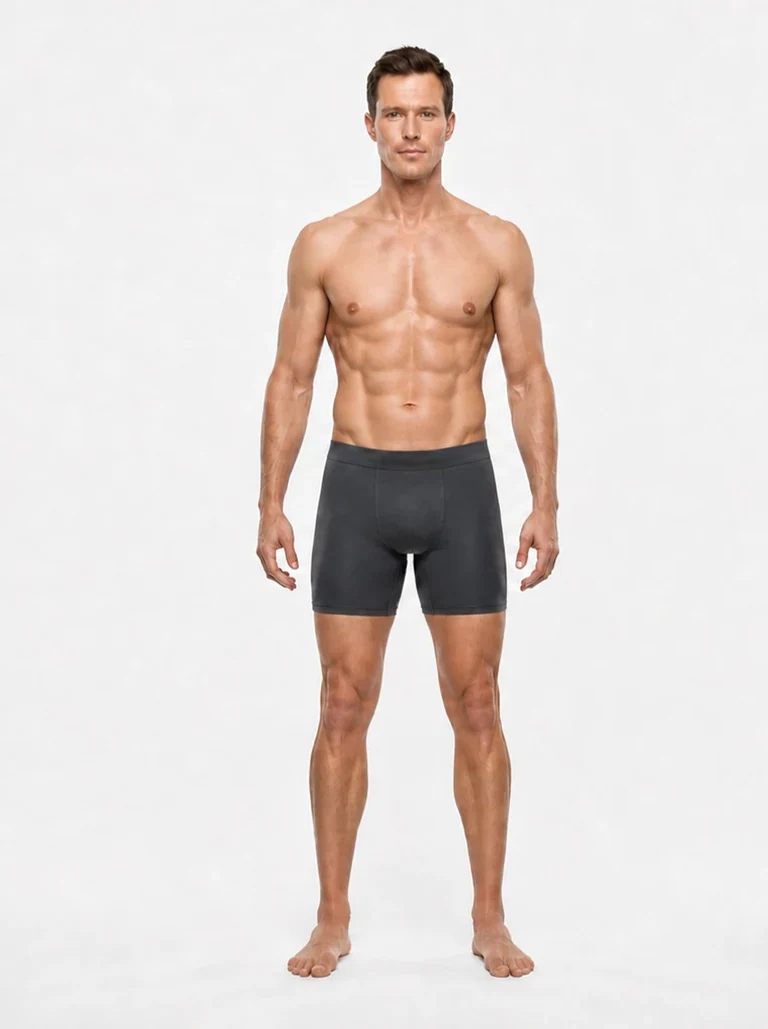
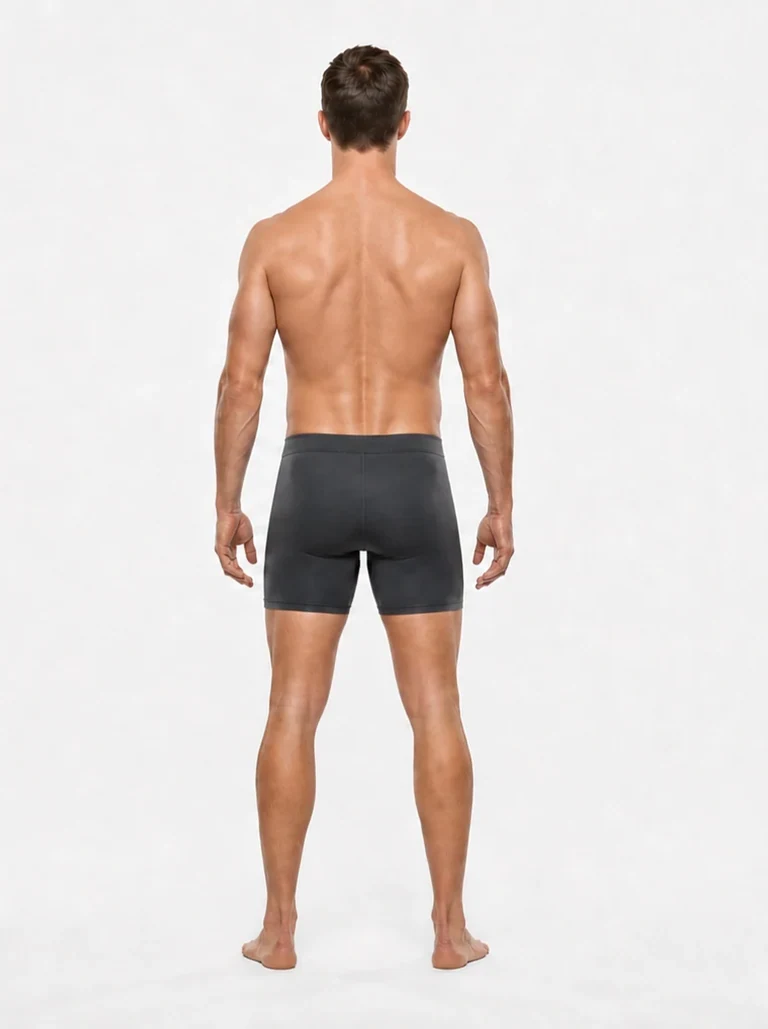
Competition-adjacent lean. The full abdominal wall is visible at rest, the lower back is tight, and separation runs through the shoulders and back. Most men need an aggressive short-term diet to reach this and pay a real recovery cost for staying.
What does 9% body fat look like on a man?
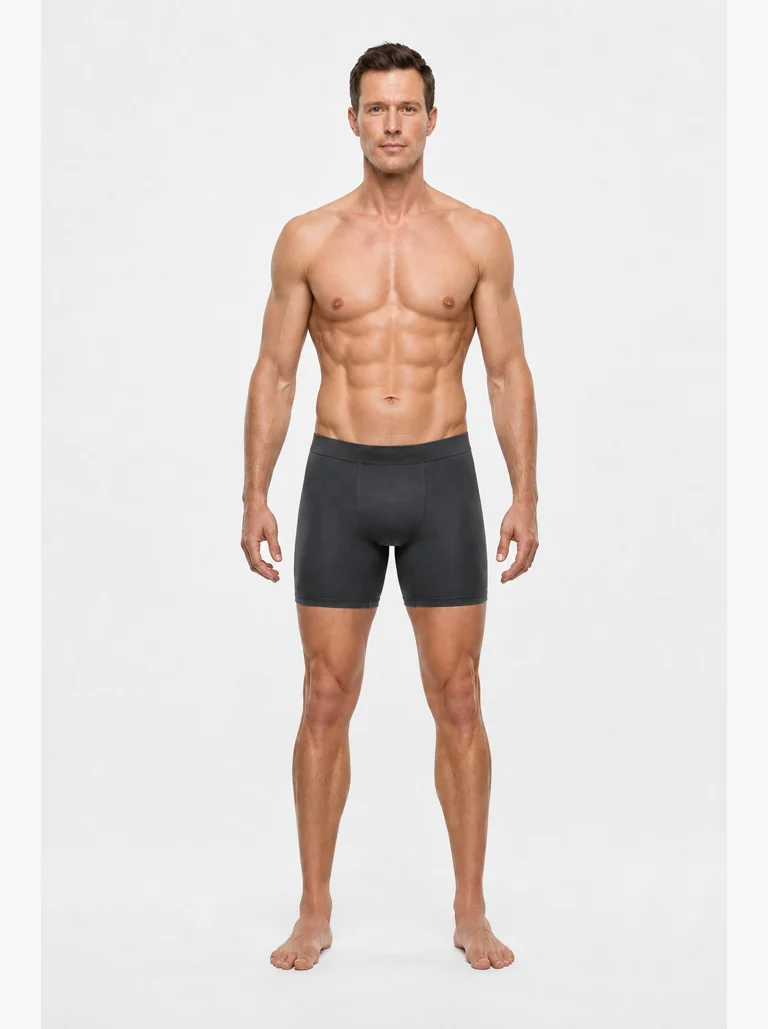
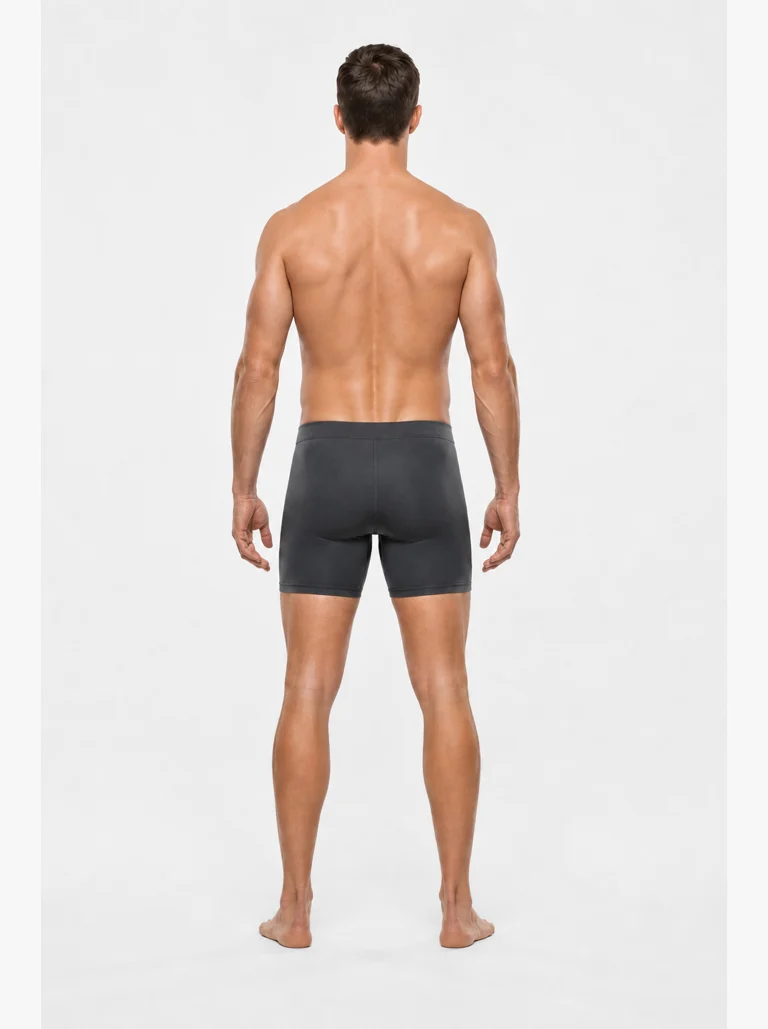
Still exceptionally lean, but slightly less stage-ready than 8%. Deep abs and a tight lower back remain visible while muscle edges begin to soften.
What does 10% body fat look like on a man?
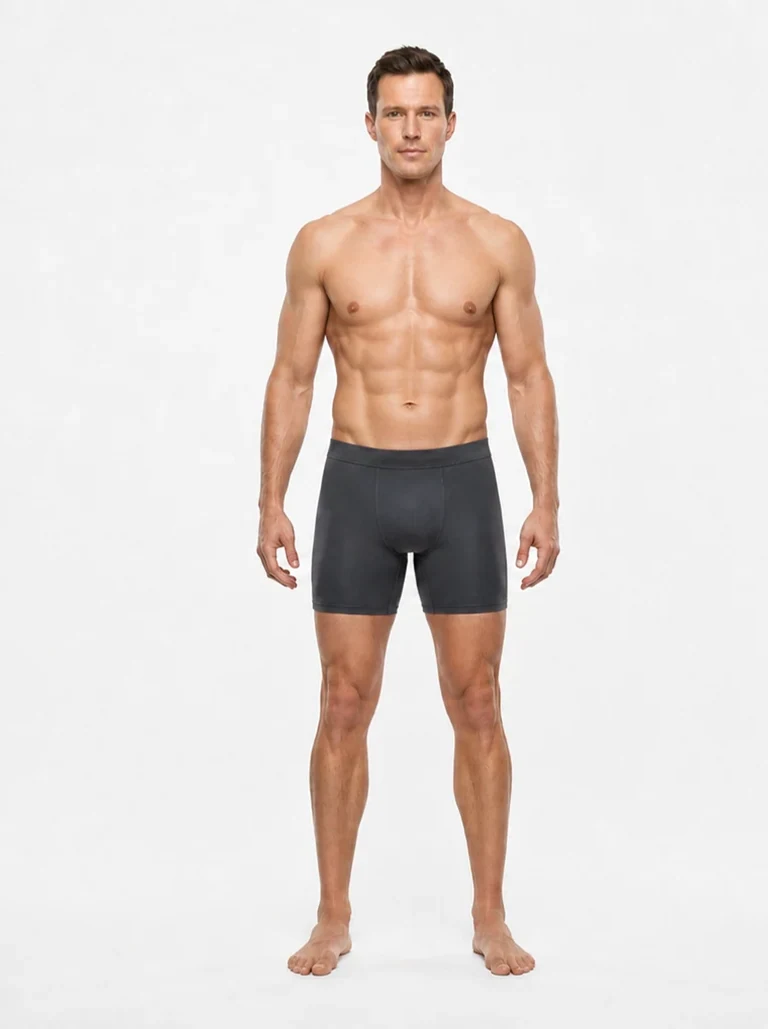
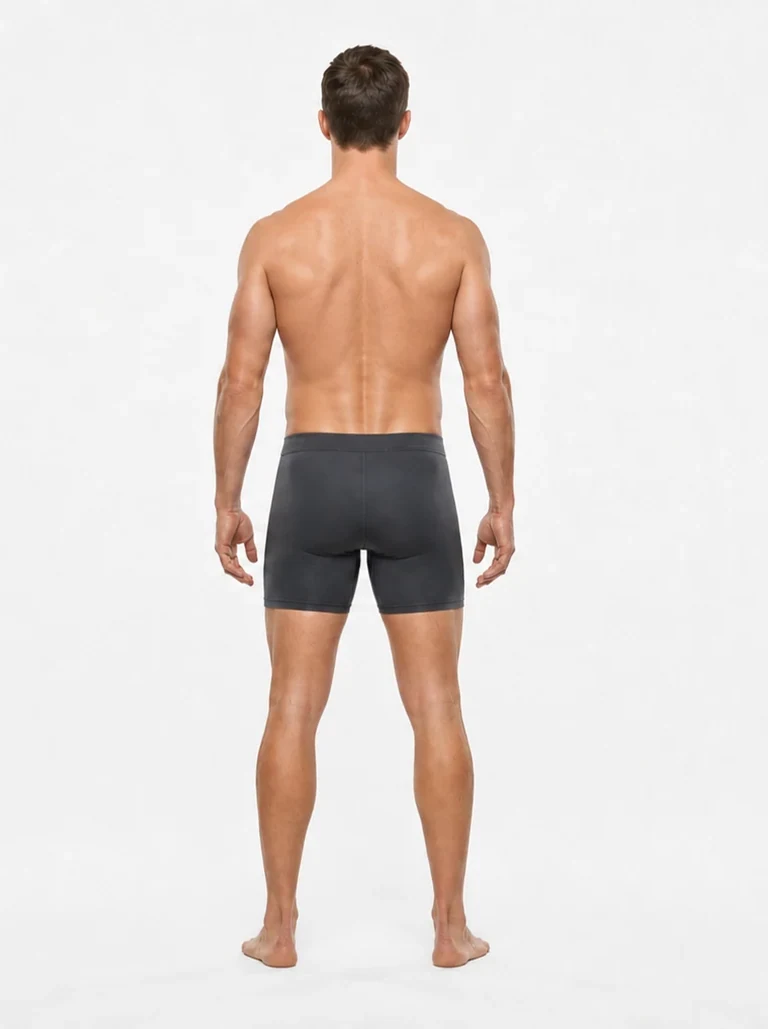
Very lean without the fully depleted stage look. A six-pack remains visible in ordinary light, the waist is sharply tapered, and the lower back carries very little softness. This is the classic photo-shoot or beach-lean target.
What does 11% body fat look like on a man?
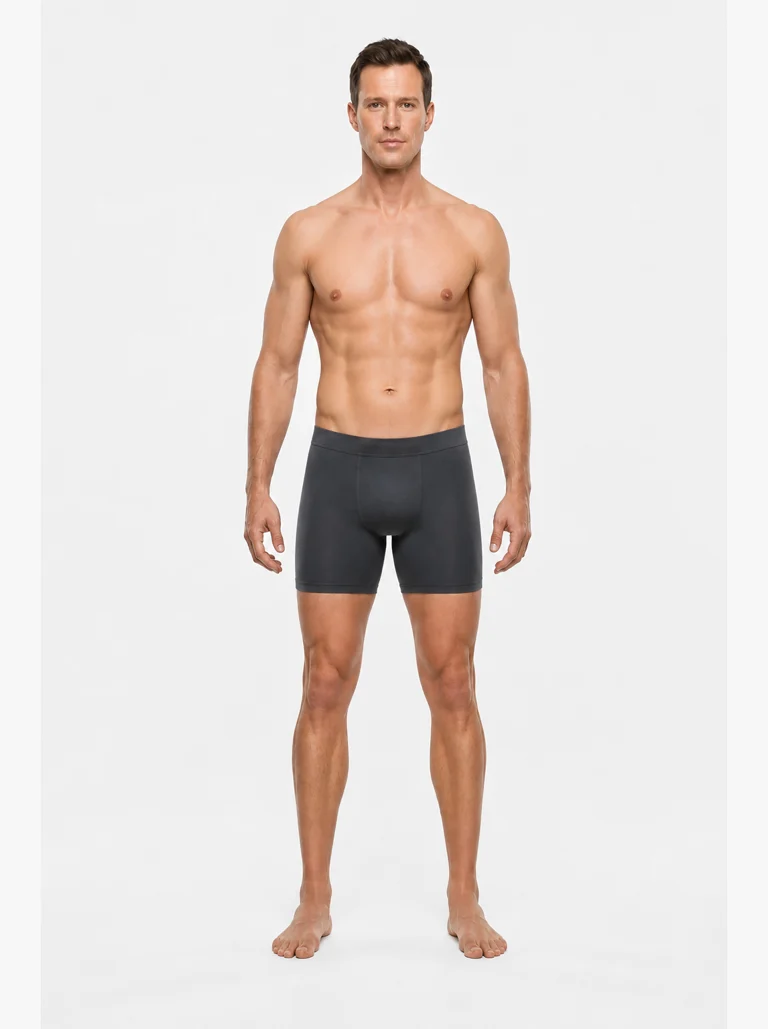
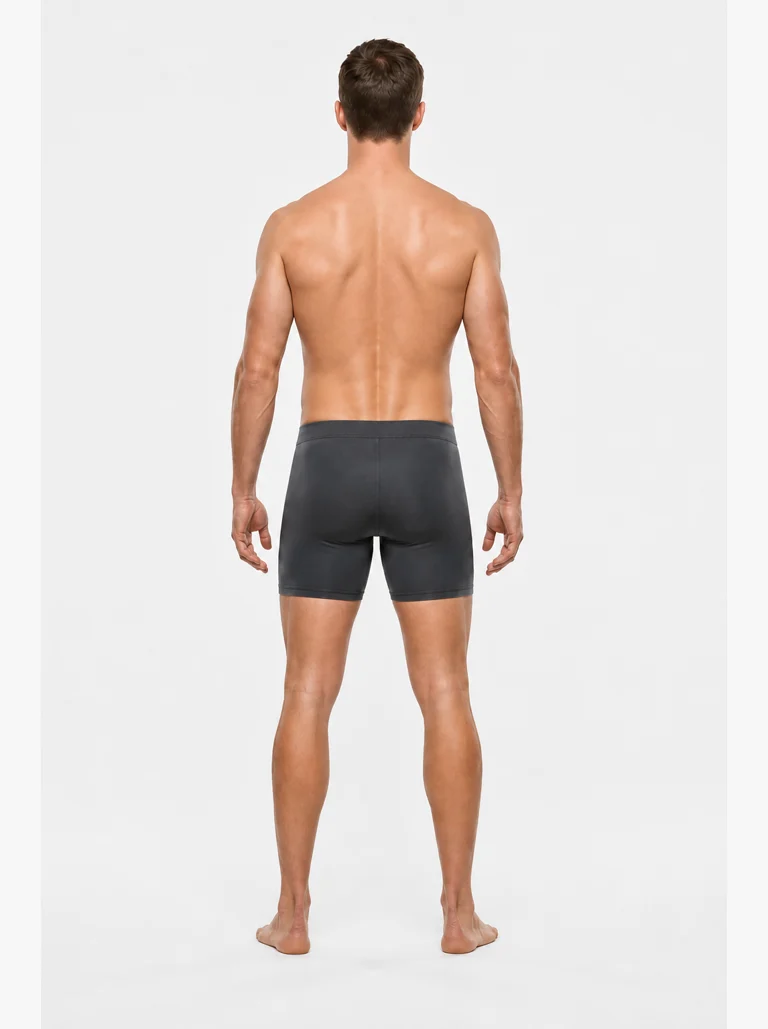
A lean athletic midpoint. Abs remain clearly visible, with slightly softer separation through the torso and lower waist than at 10%.
What does 12% body fat look like on a man?
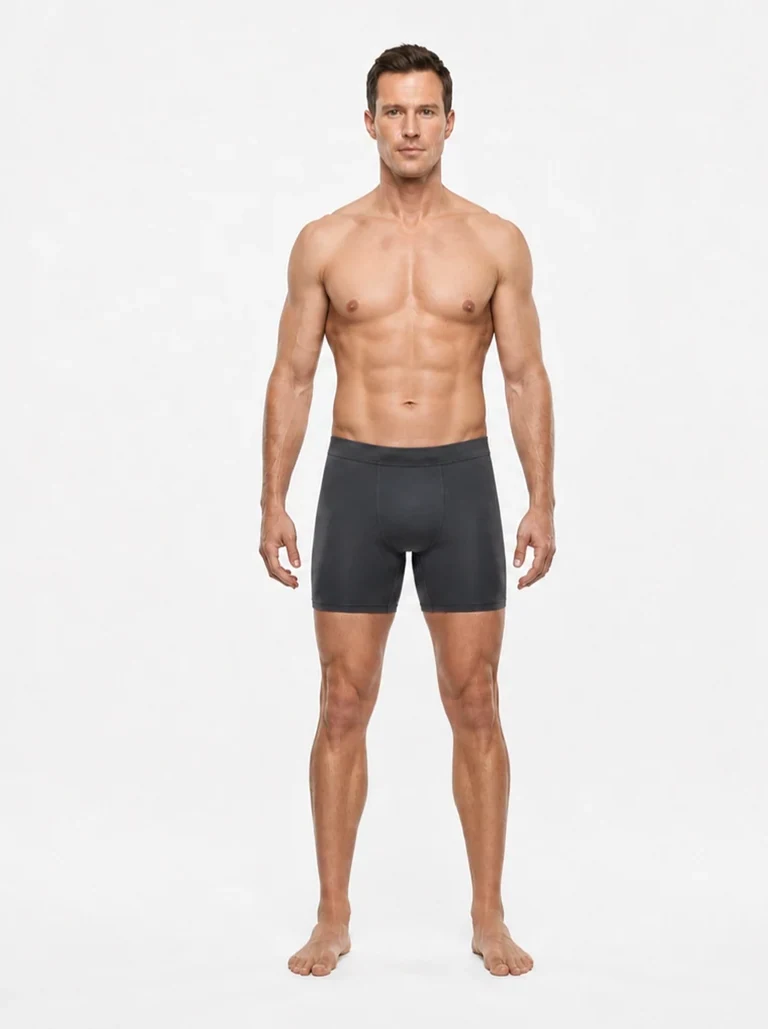
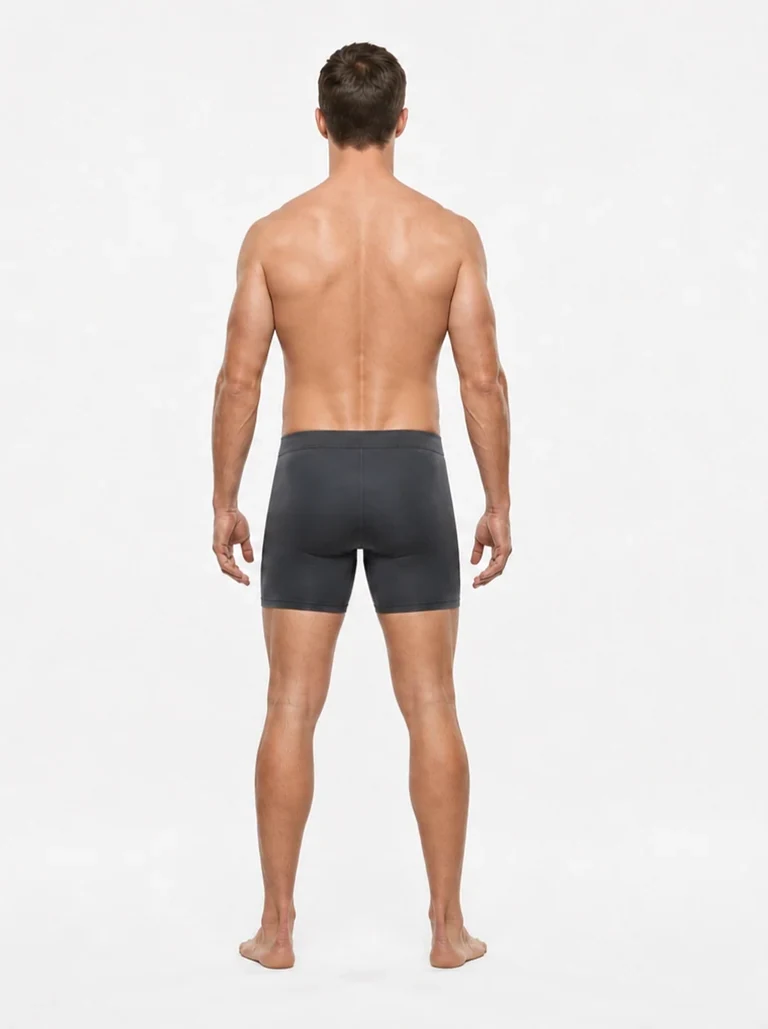
The sustainable athletic look for a disciplined lifter. Upper abs are clear, lower abs are lighter, and the shoulders and back still show separation without looking drawn or stage-ready.
What does 13% body fat look like on a man?
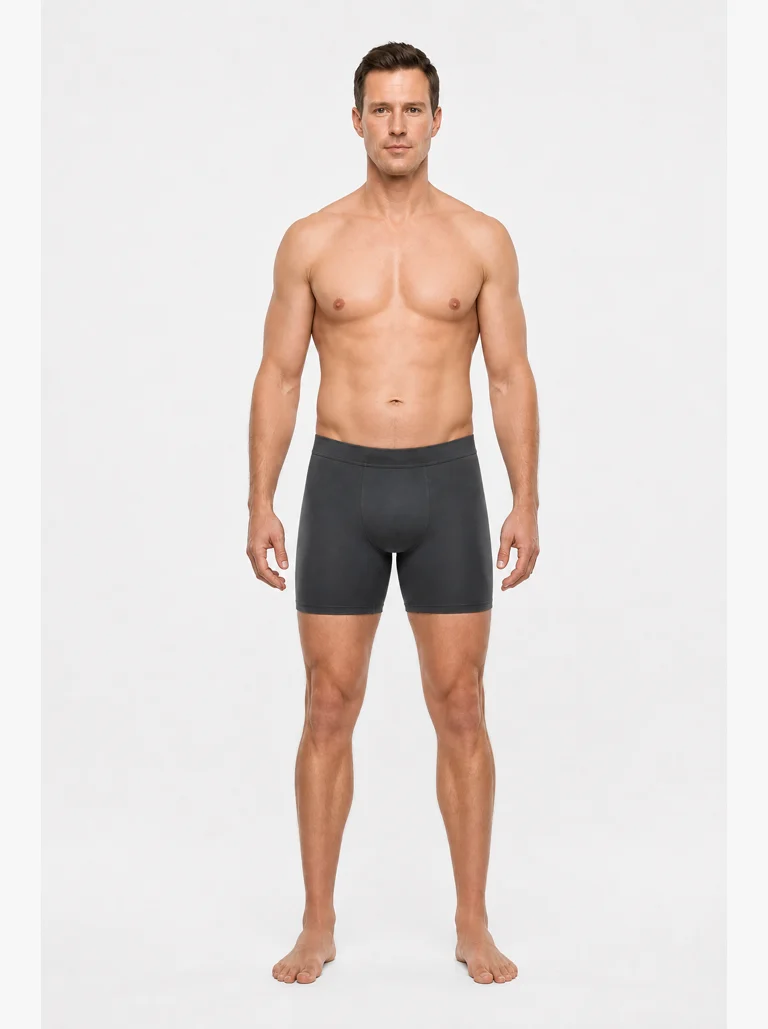
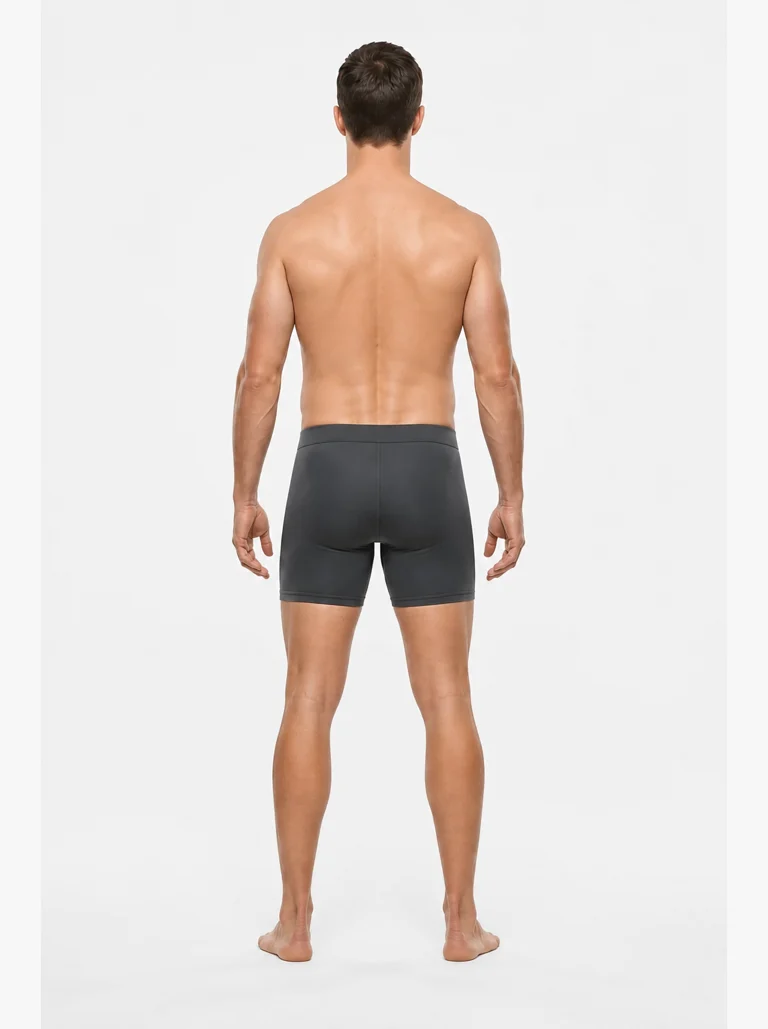
Lean and trained, with visible abs and a small amount of natural softness beginning over the lower torso.
What does 14% body fat look like on a man?
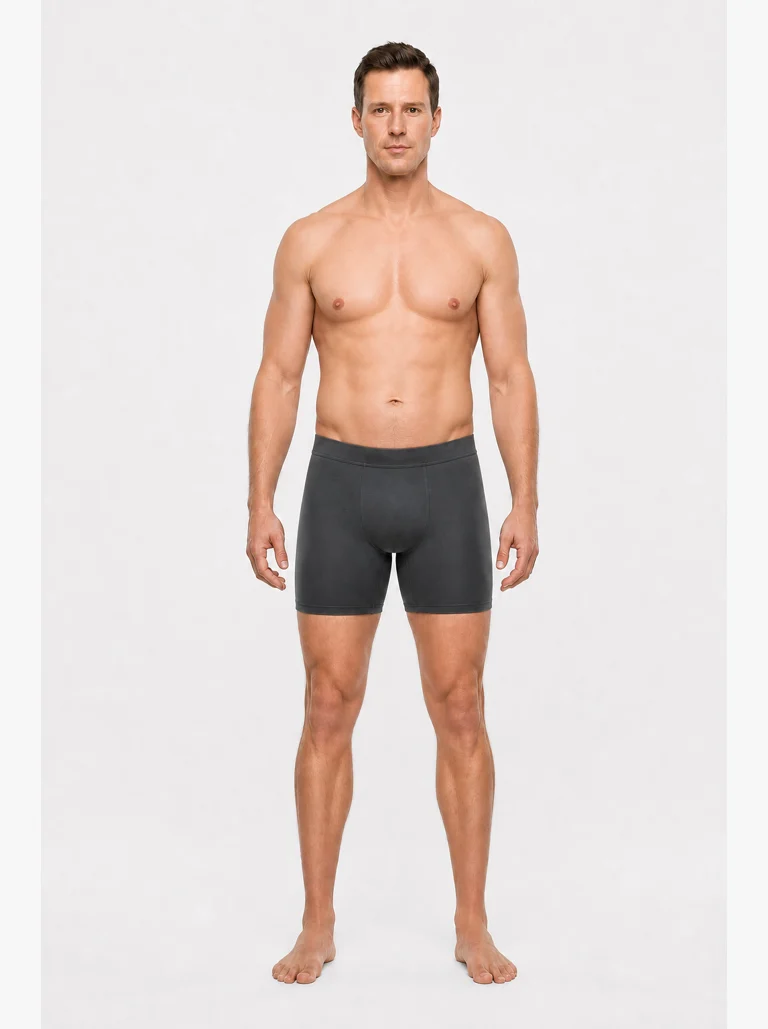
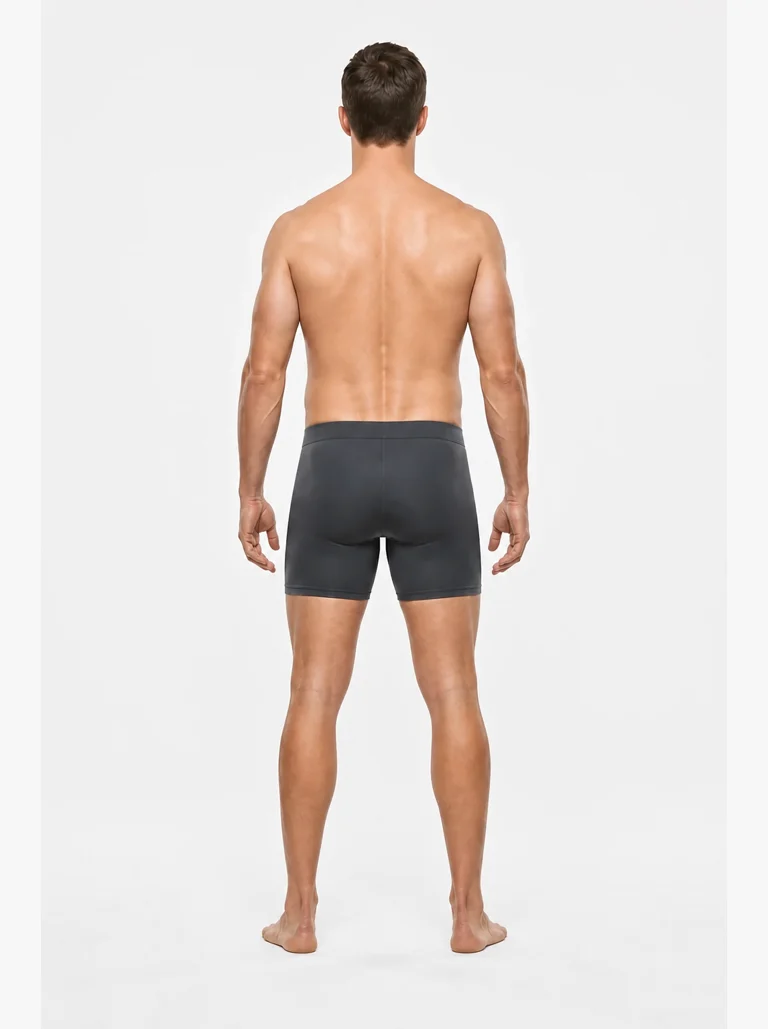
The transition from visibly lean to broadly fit. Upper abs remain present while definition through the waist and back becomes softer.
What does 15% body fat look like on a man?
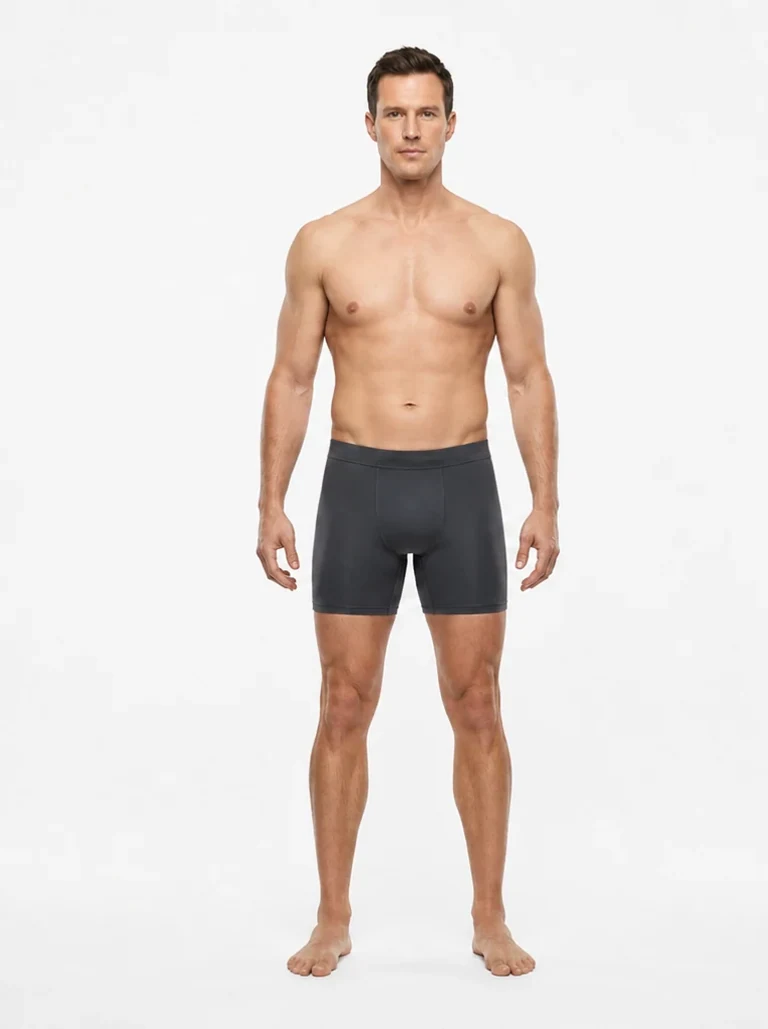
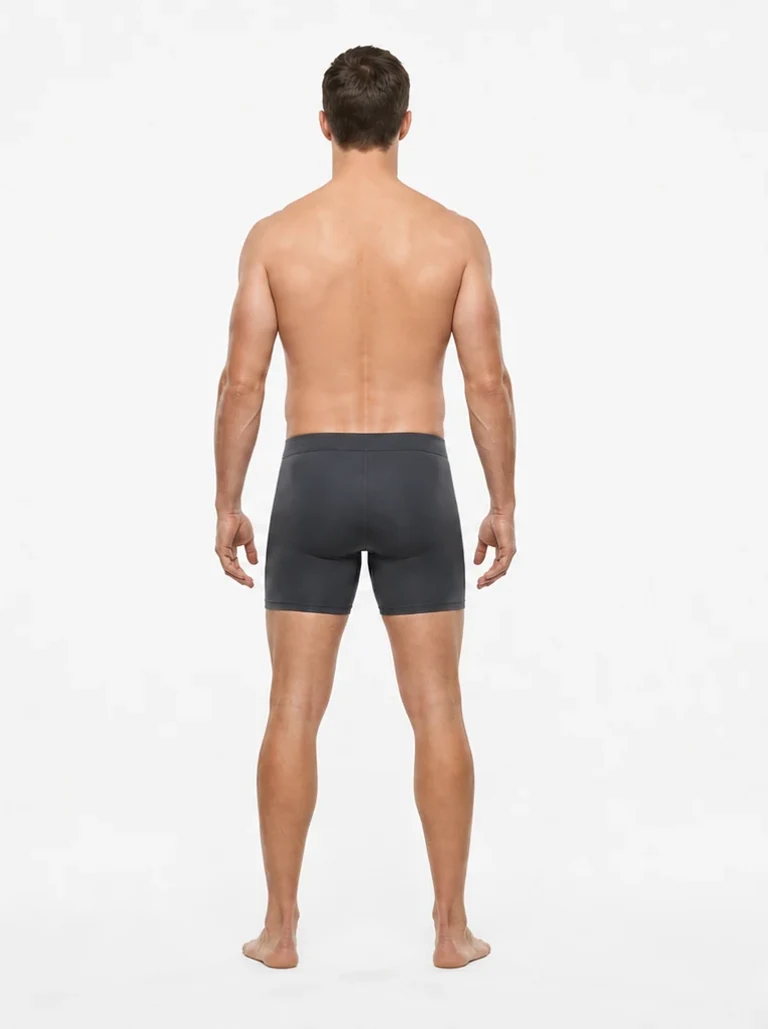
Fit rather than shredded. The waist stays flat, upper abs appear faintly, and muscle shape is obvious with softer boundaries. This is comfortably inside the fitness range and maintainable for far more men than 10-12%.
What does 16% body fat look like on a man?
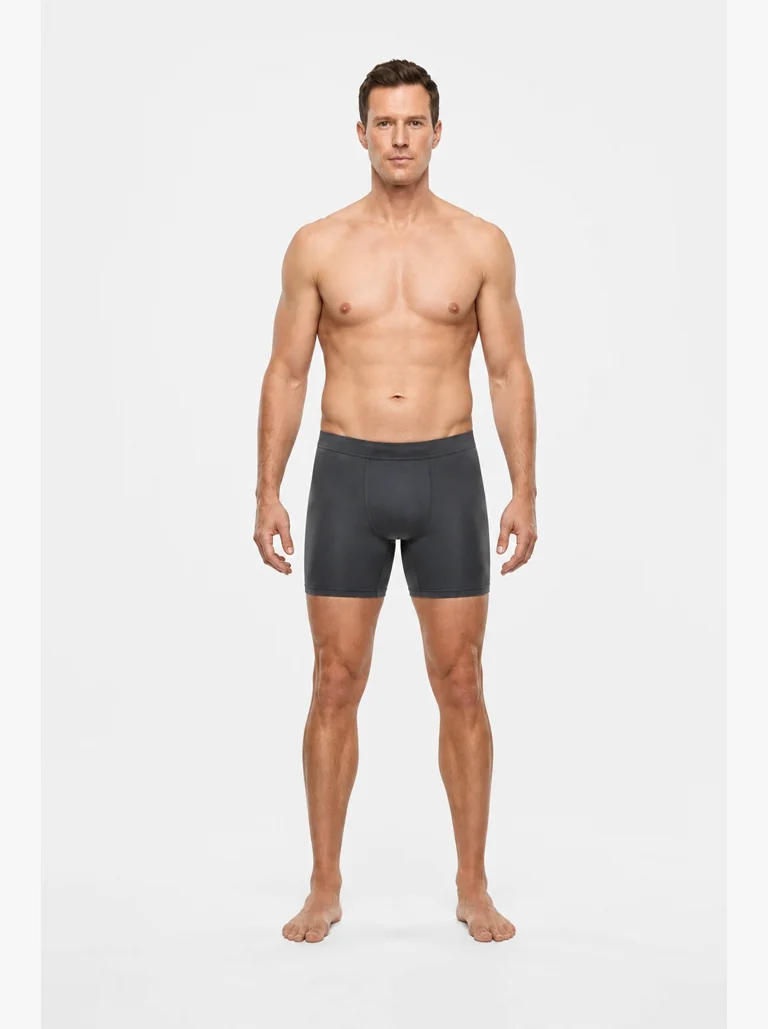
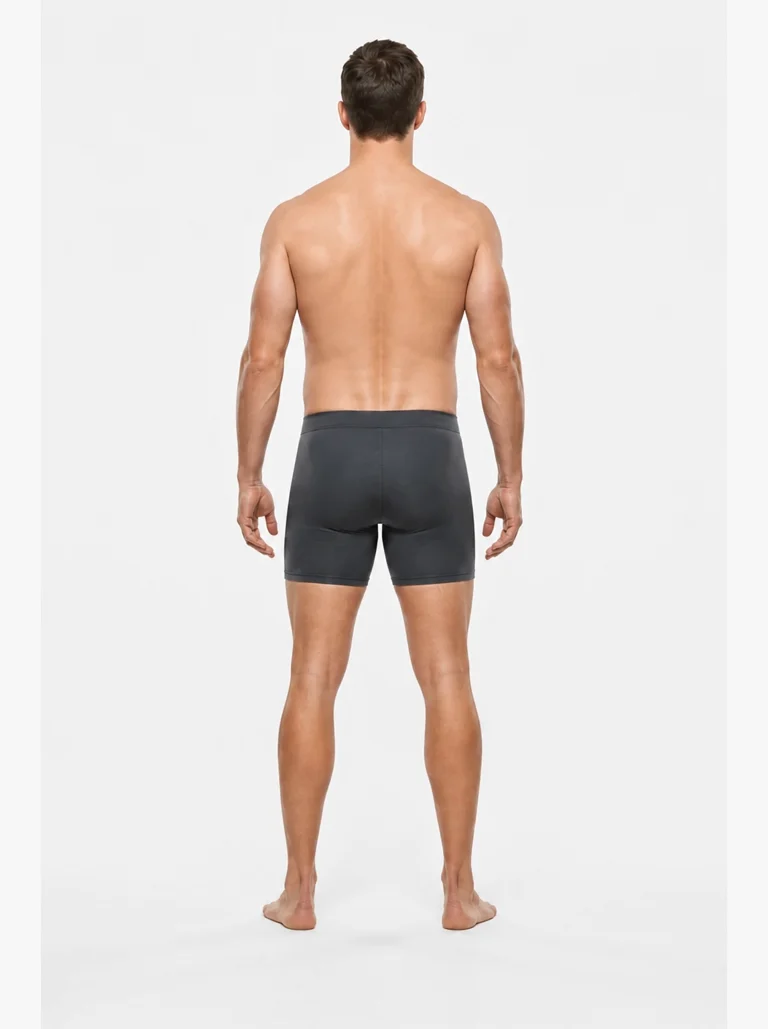
Fit with softer definition. Muscle shape stays obvious while resting ab visibility fades and the lower waist begins to smooth out.
What does 18% body fat look like on a man?
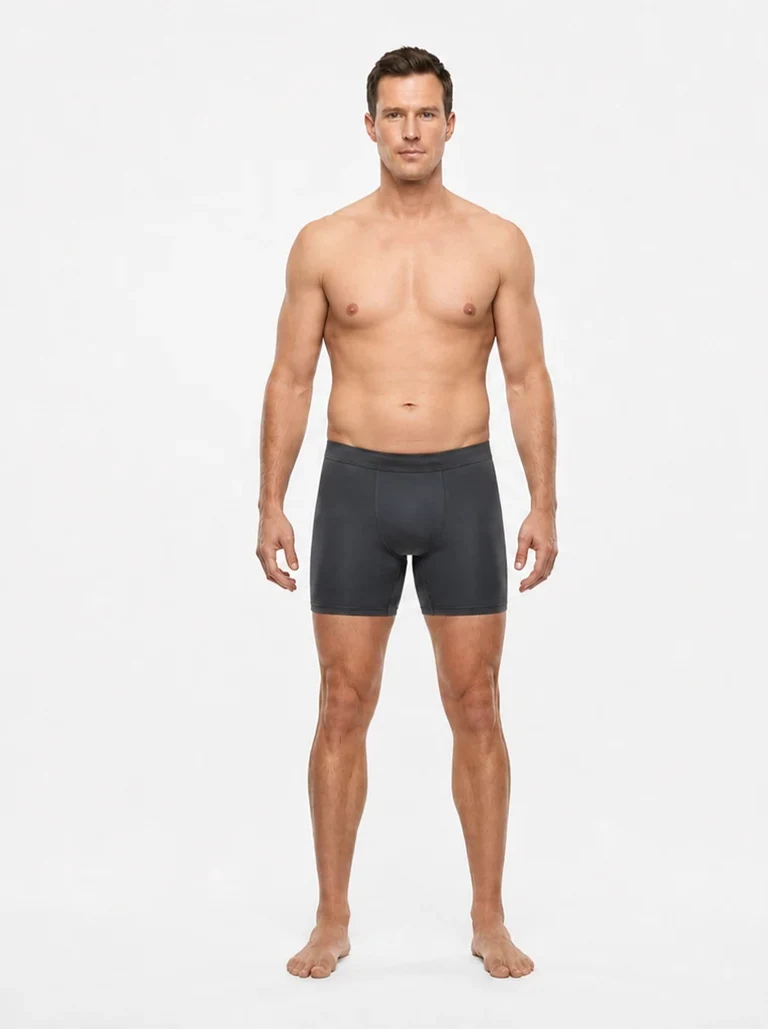
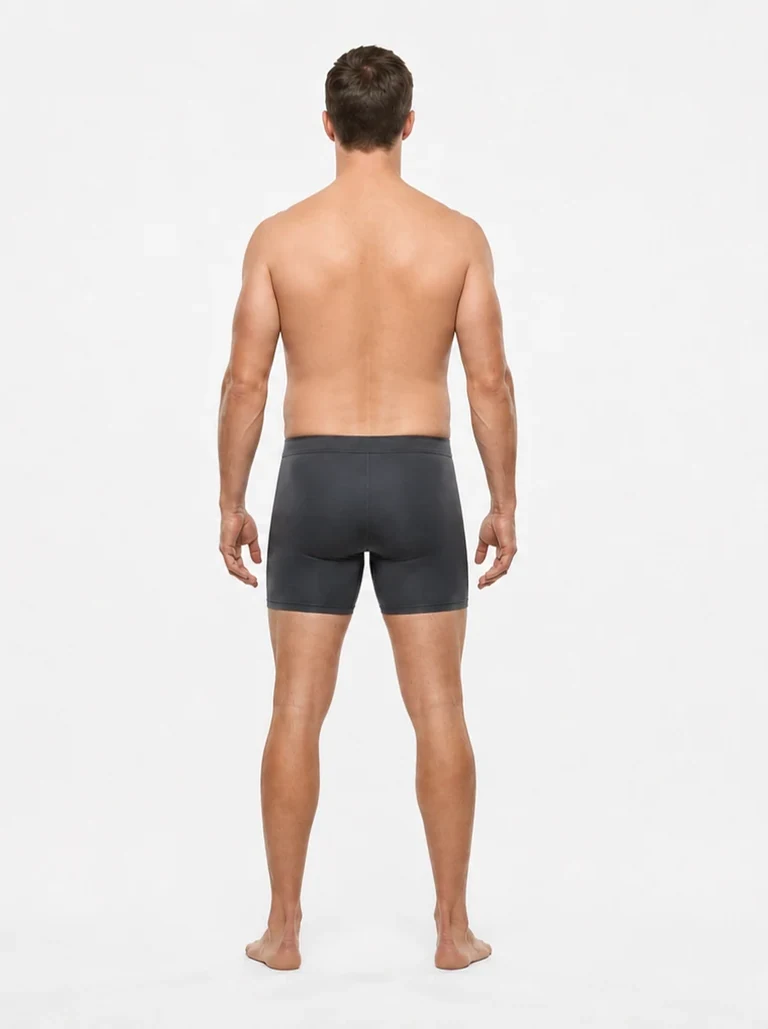
Healthy and trained with soft edges. The six-pack disappears at rest, but the chest, arms, and back still read as muscular. Many recreational lifters live here without needing to micromanage food.
What does 19% body fat look like on a man?
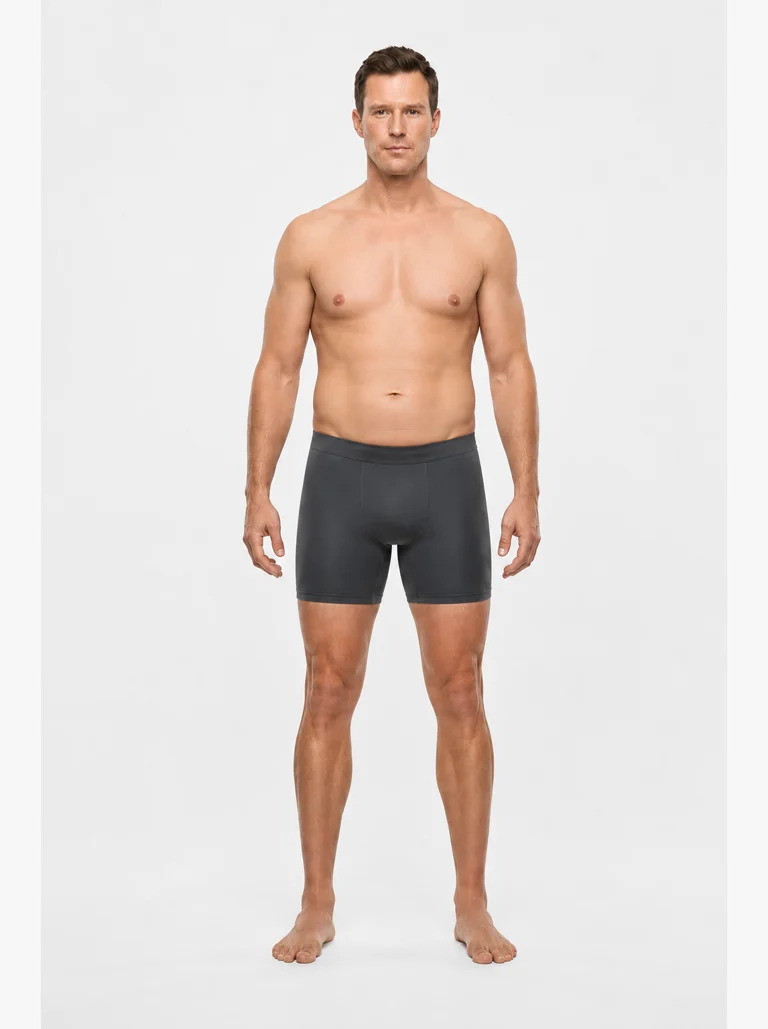
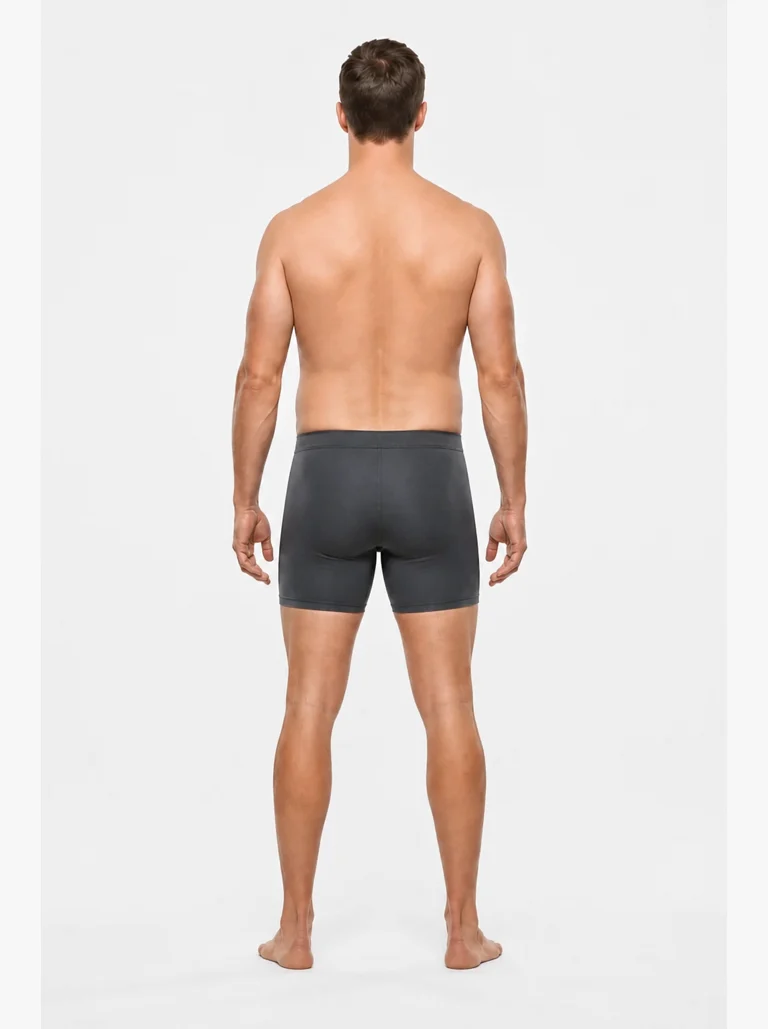
The bridge from fit to average-looking. The waist is smooth, with only light muscular separation remaining through the torso and back.
What does 20% body fat look like on a man?
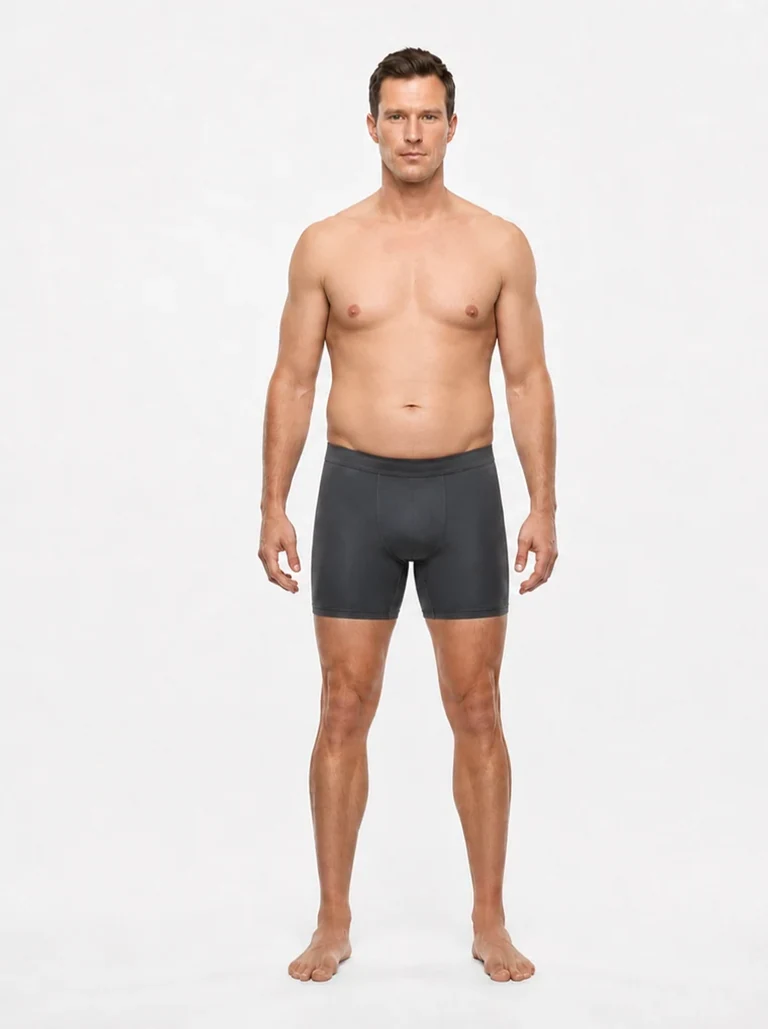
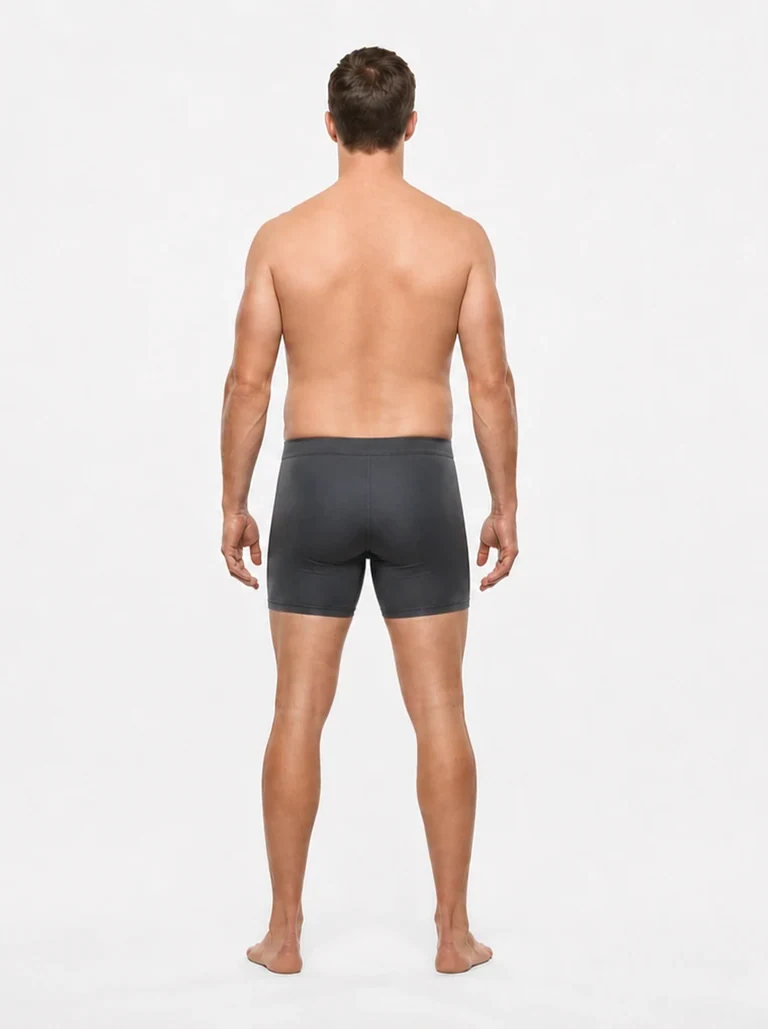
Average-fit. The abdomen is smooth with no resting definition, muscle separation is muted, and the first real softness appears around the waist and lower back. In clothes, a trained frame can still look distinctly athletic.
What does 22% body fat look like on a man?
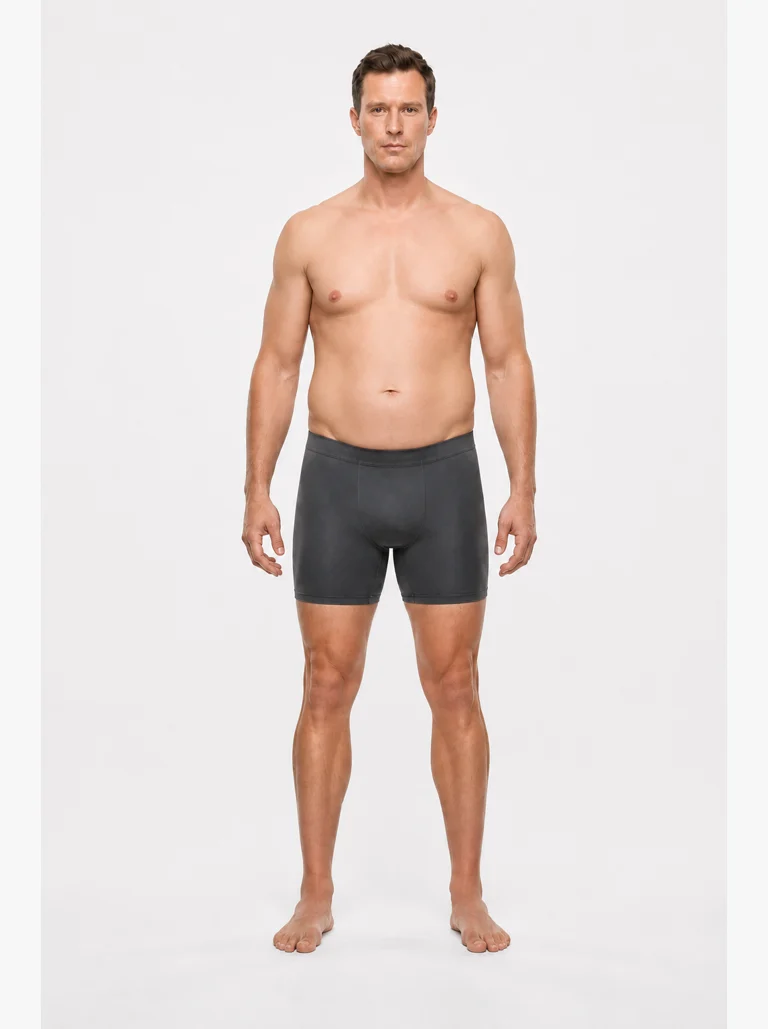
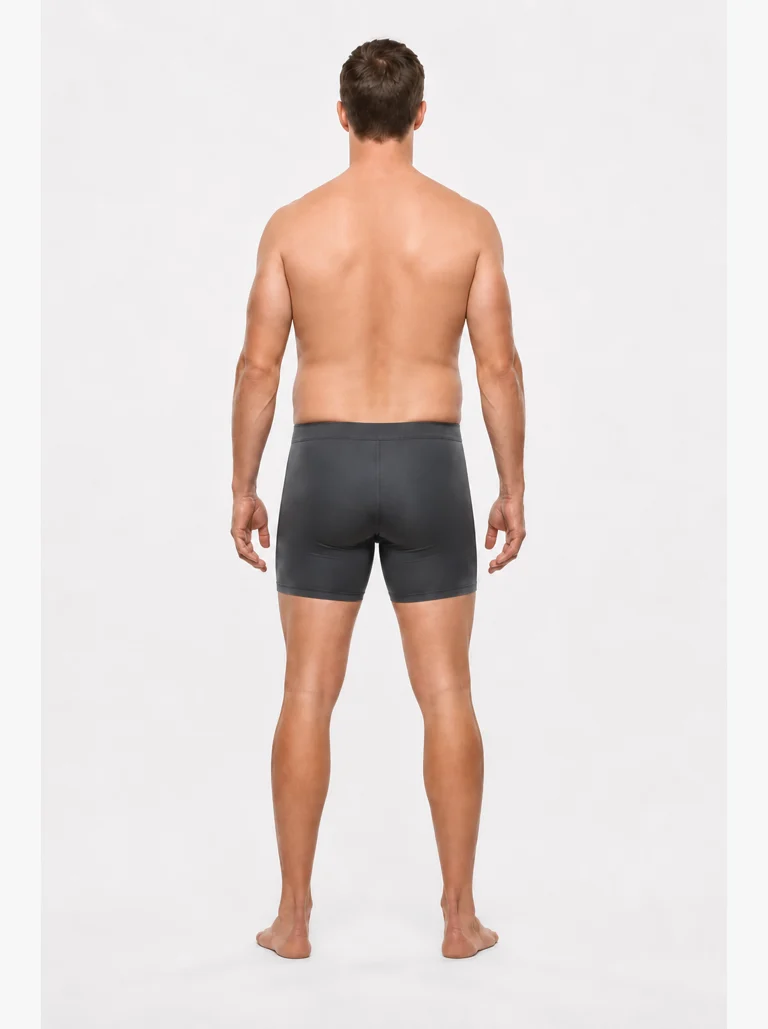
A softer average build. The midsection broadens and muscular shape becomes increasingly muted without yet reaching the rounded 25% reference.
What does 25% body fat look like on a man?
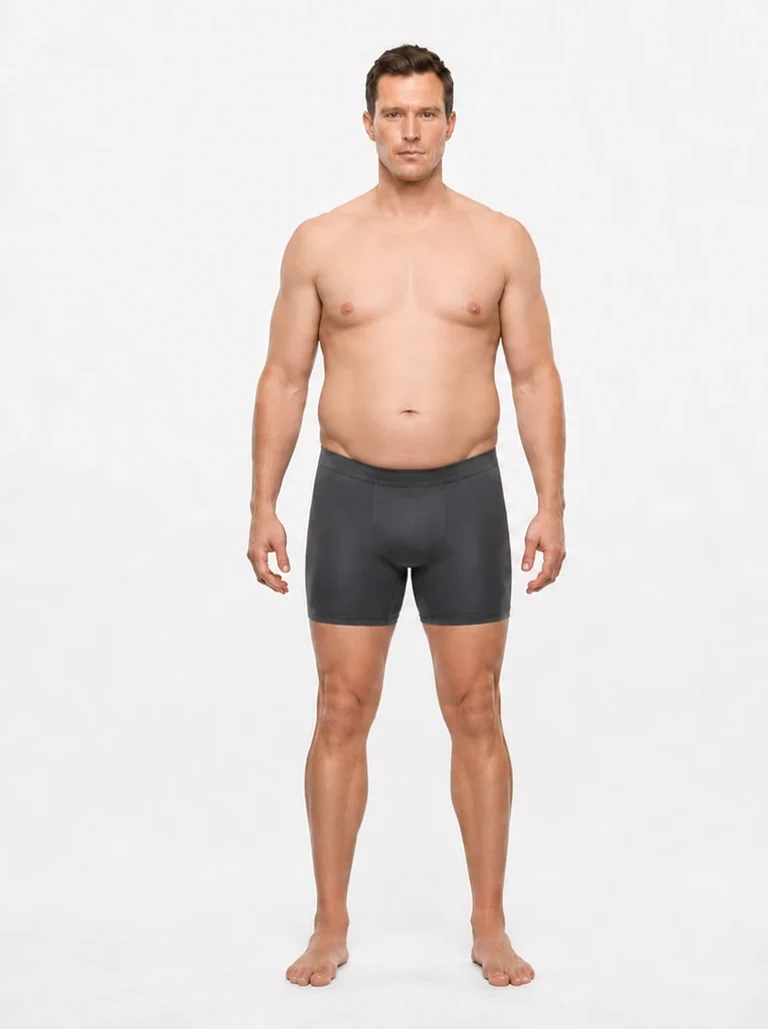
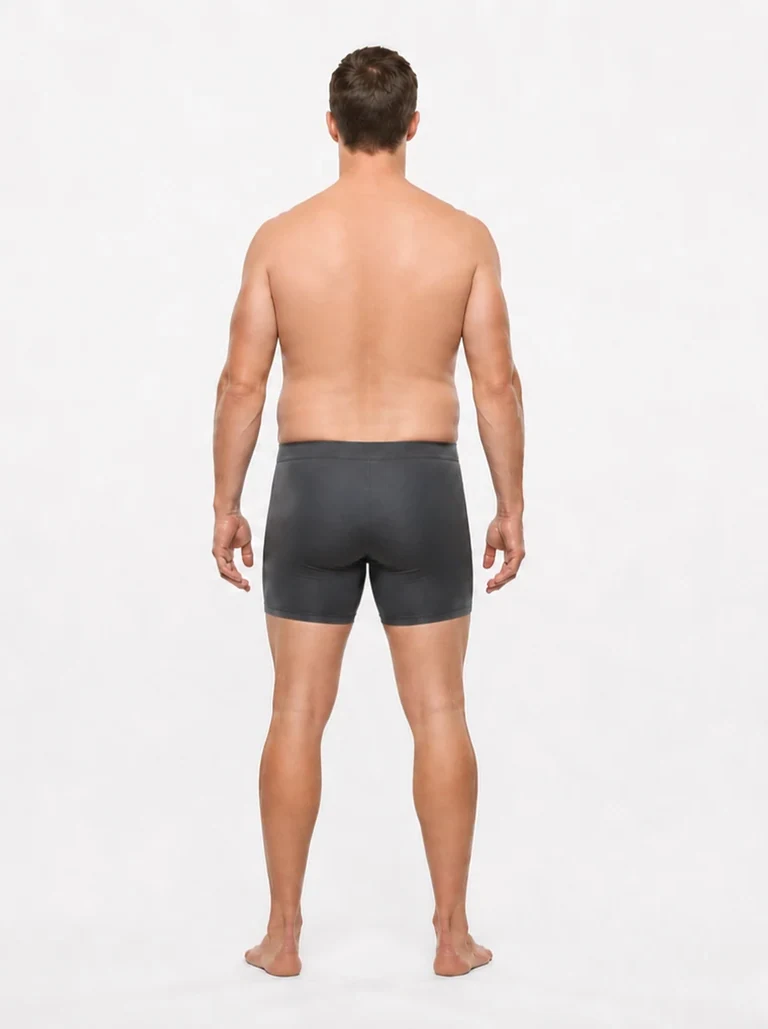
The waist rounds, love handles become obvious, and chest and back definition largely disappear. This is where a modest loss of five percentage points tends to create a very noticeable visual and health difference.
What does 27% body fat look like on a man?
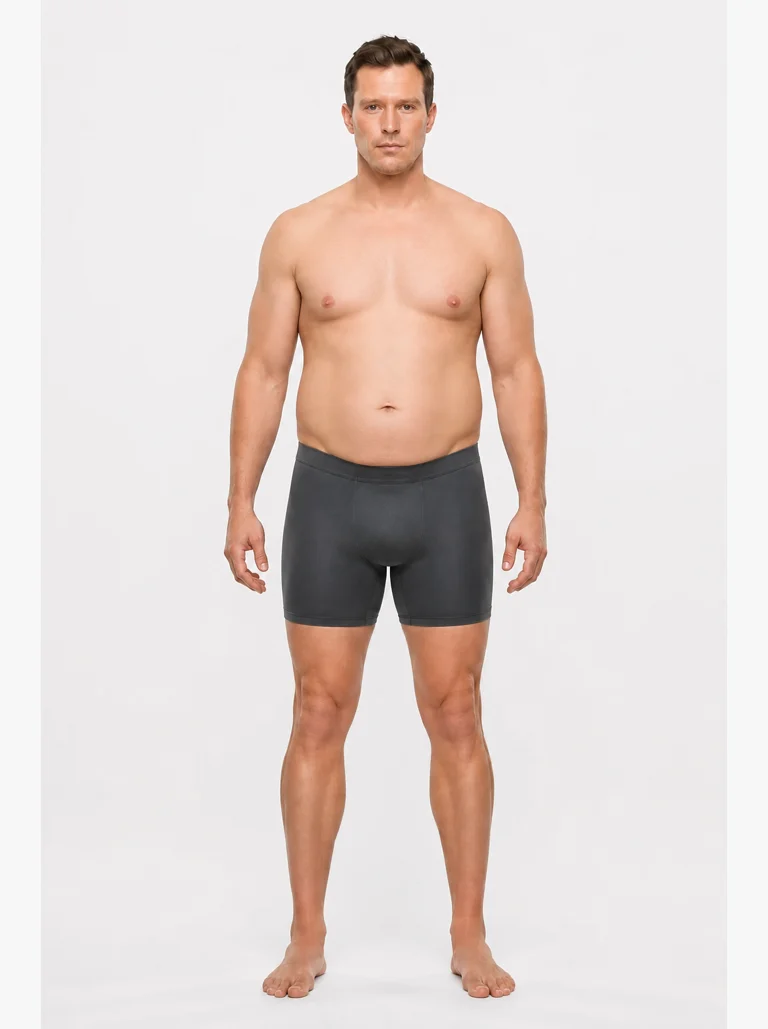
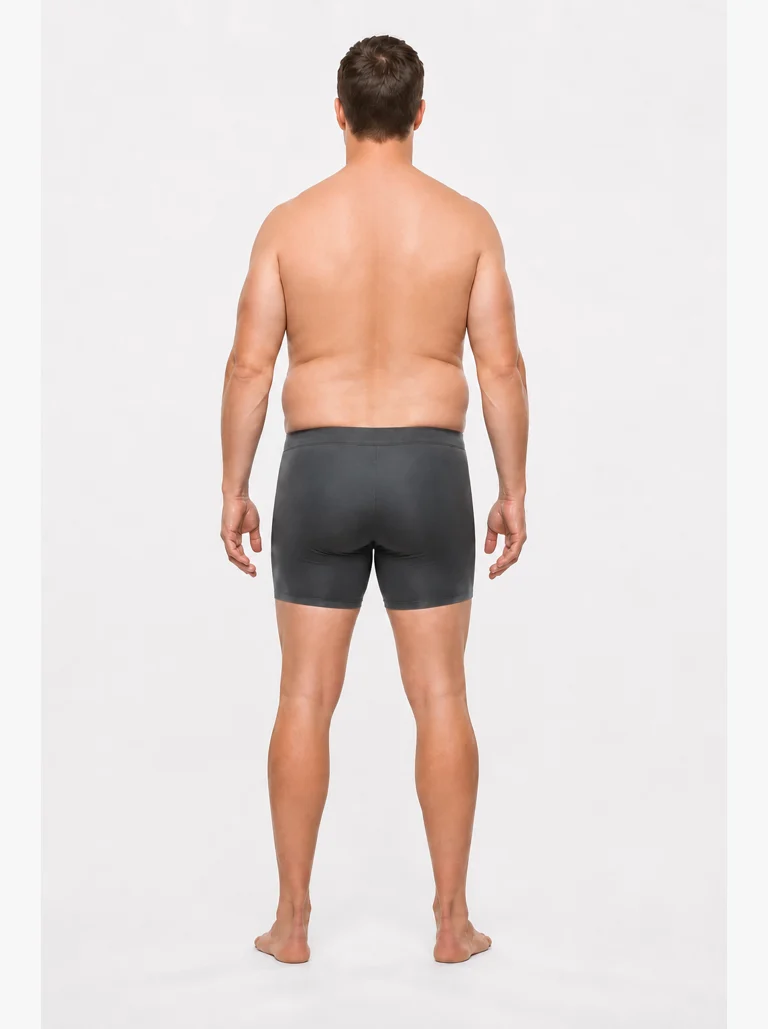
More pronounced abdominal and lower-back softness, giving a clear visual midpoint between the 25% and 30% references.
What does 30% body fat look like on a man?
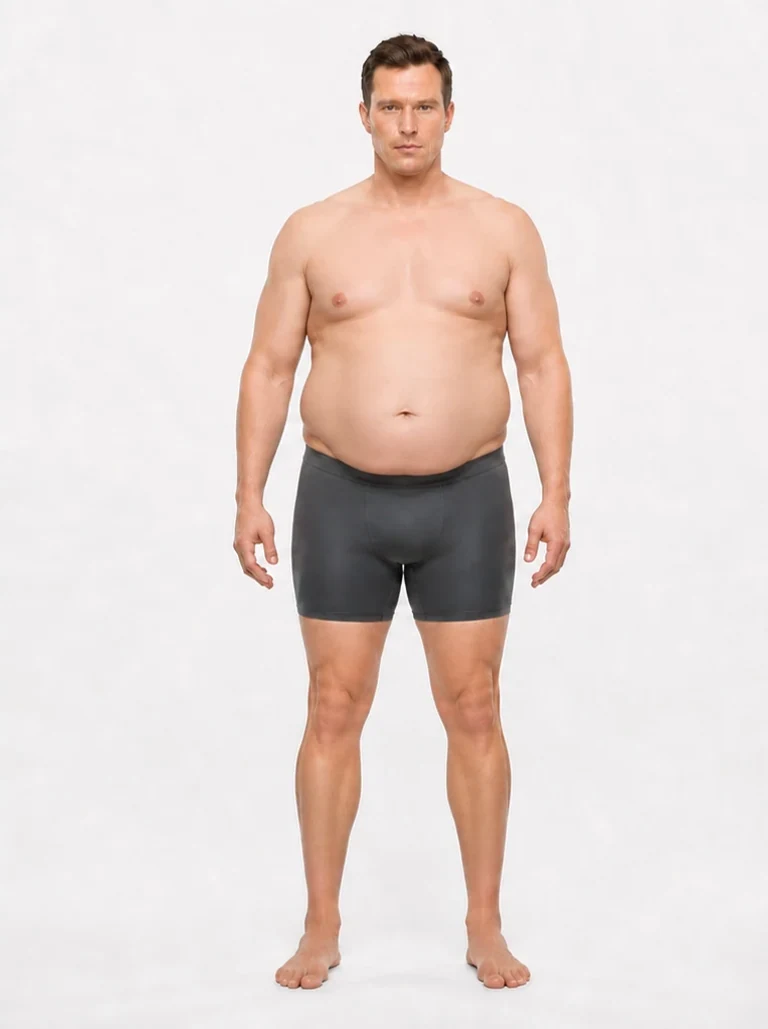
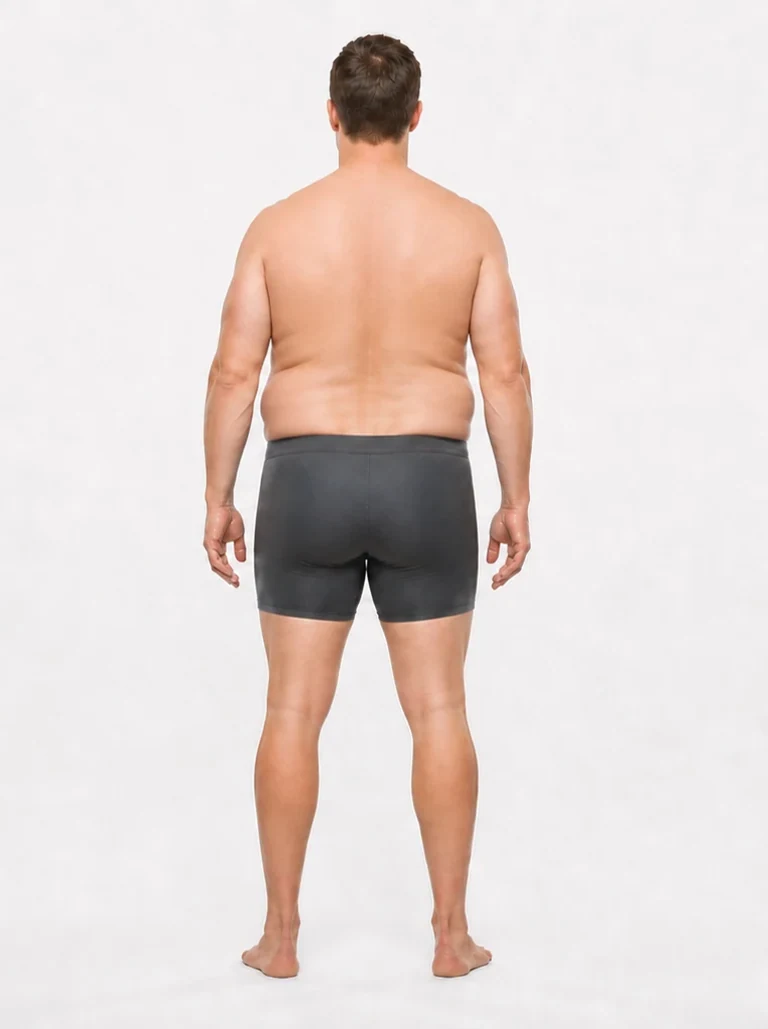
Elevated range. The abdomen projects clearly, the waist broadens from both views, and fat is visible through the chest, back, and limbs. Treat this as a health project rather than a quick aesthetic cut.
For real-photo examples alongside these standardized references, Ultimate Performance's male body fat visual guide is a good complement, different genetics at similar percentages.
Each high-intent male level also has a dedicated reference page in the body fat picture gallery, including exact pages for 15% and 25% body fat.
What does each body fat percentage look like on women?
Female fat distribution is driven heavily by estrogen, which prioritizes the hips, thighs, and buttocks before the stomach. Women retain a softer, curvier look at percentages that would read "lean" on a man, by design. Each reference below is the same woman, age, frame, muscle mass, stance, clothing, and lighting.
What does 18% body fat look like on a woman?
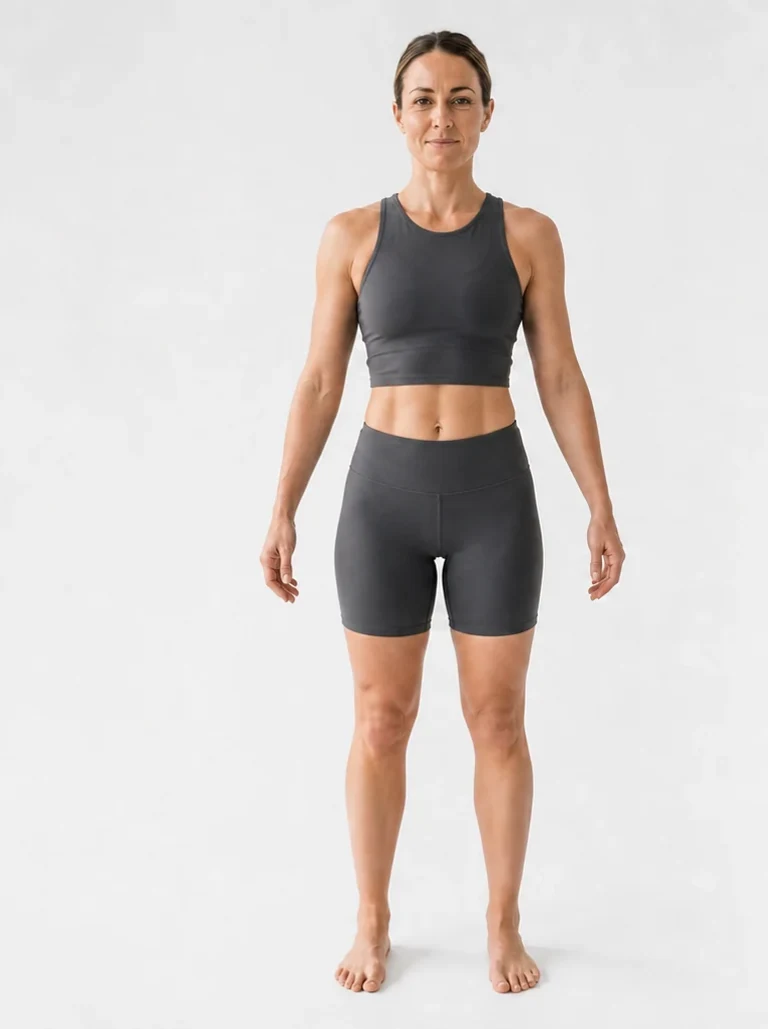
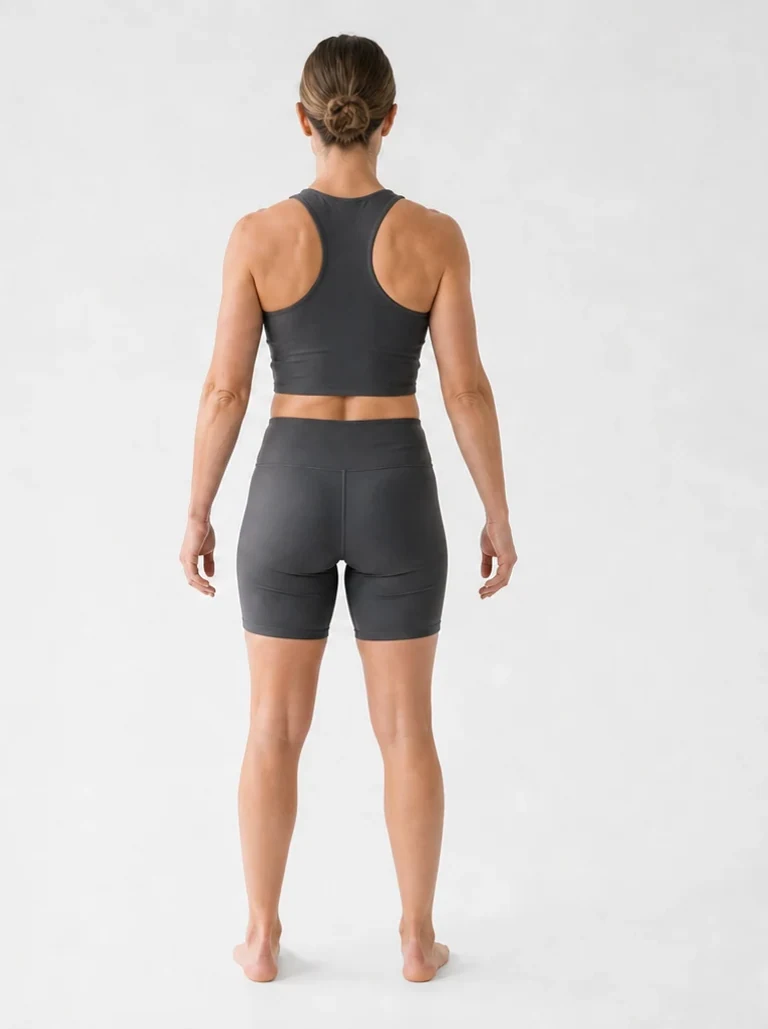
Athletic and near the sustainable floor for many women. Abdominal definition is visible, shoulders and back are sharply toned, and lower-body curves are reduced as hip and thigh fat drops.
What does 19% body fat look like on a woman?
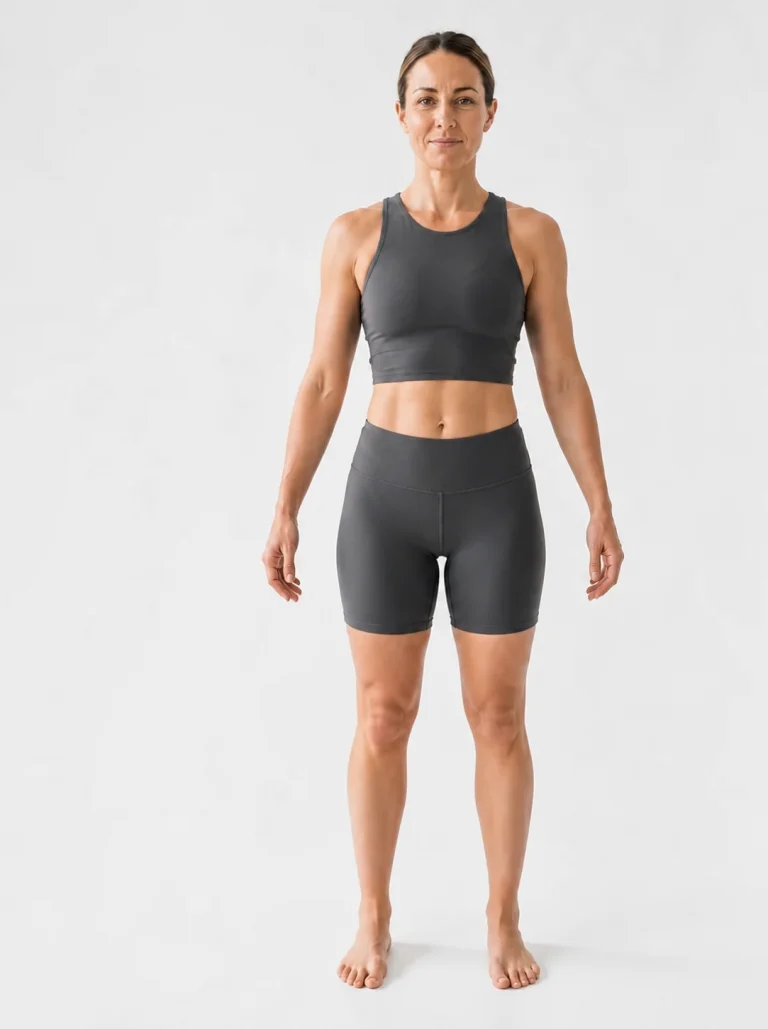
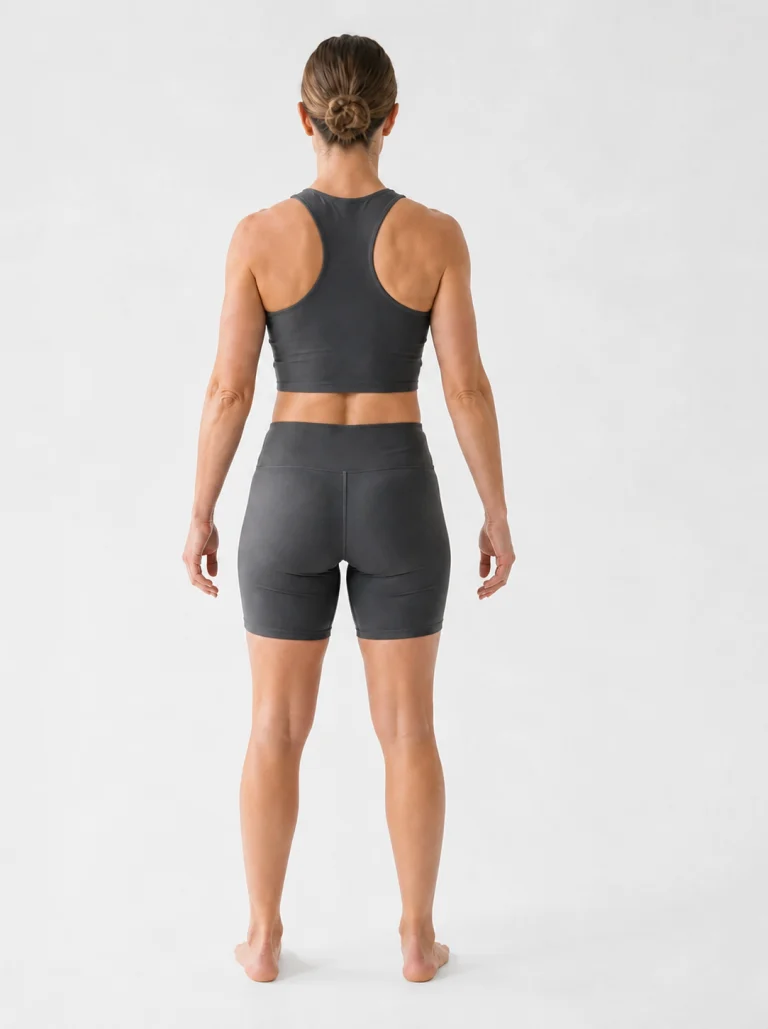
Lean and athletic, with visible tone and a small increase in natural softness from the 18% reference.
What does 20% body fat look like on a woman?
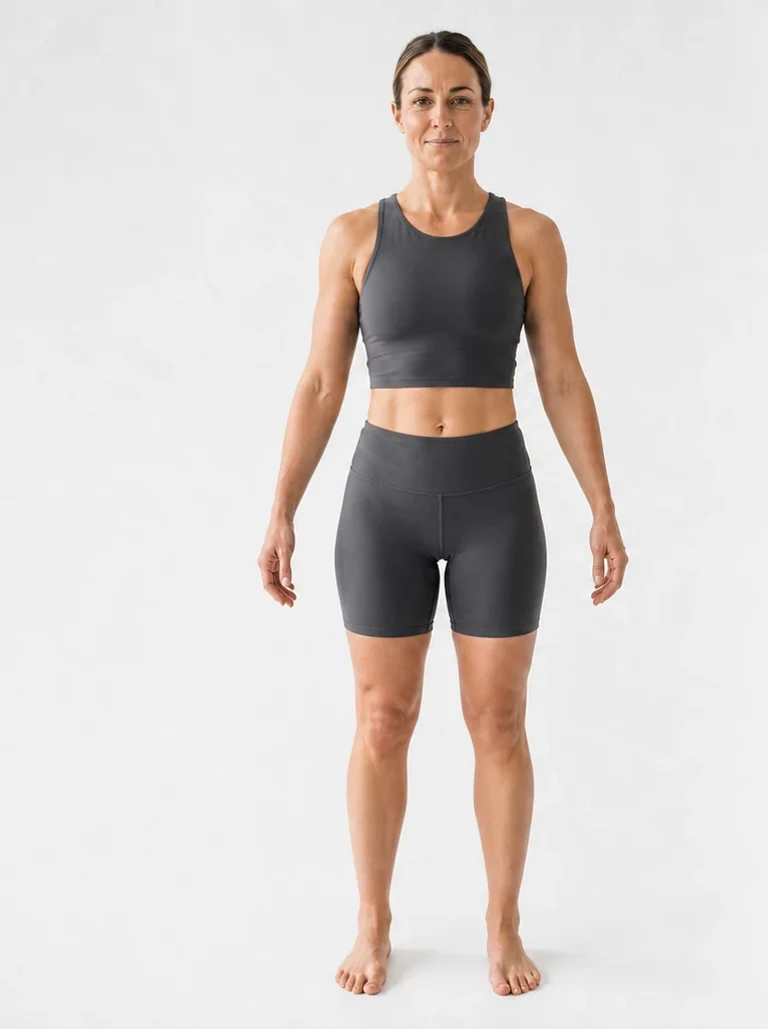
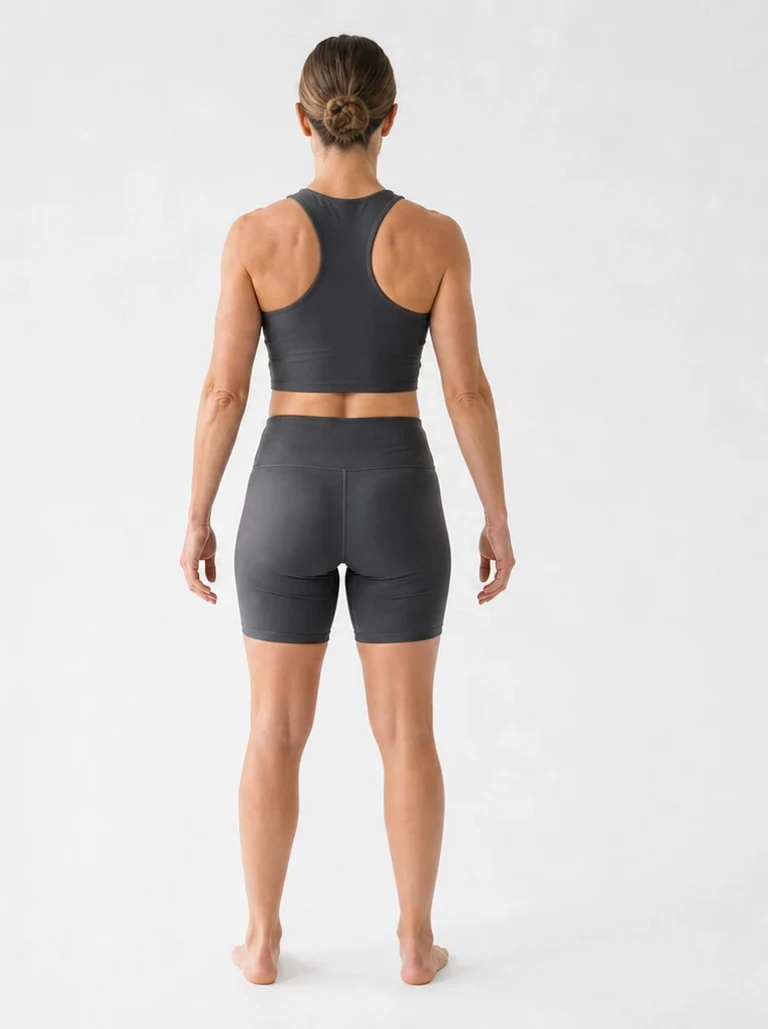
Lean and visibly athletic, with a flat waist, light abdominal detail, toned limbs, and more retained curves than at 18%. This sits at the upper edge of the athlete range.
What does 21% body fat look like on a woman?
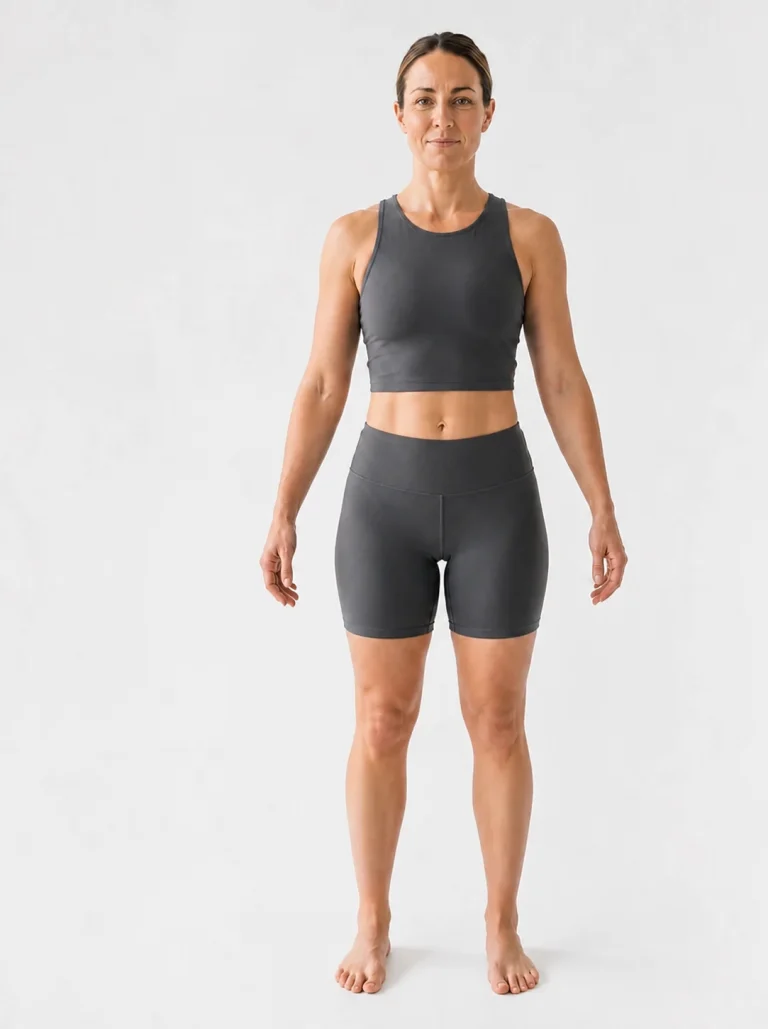
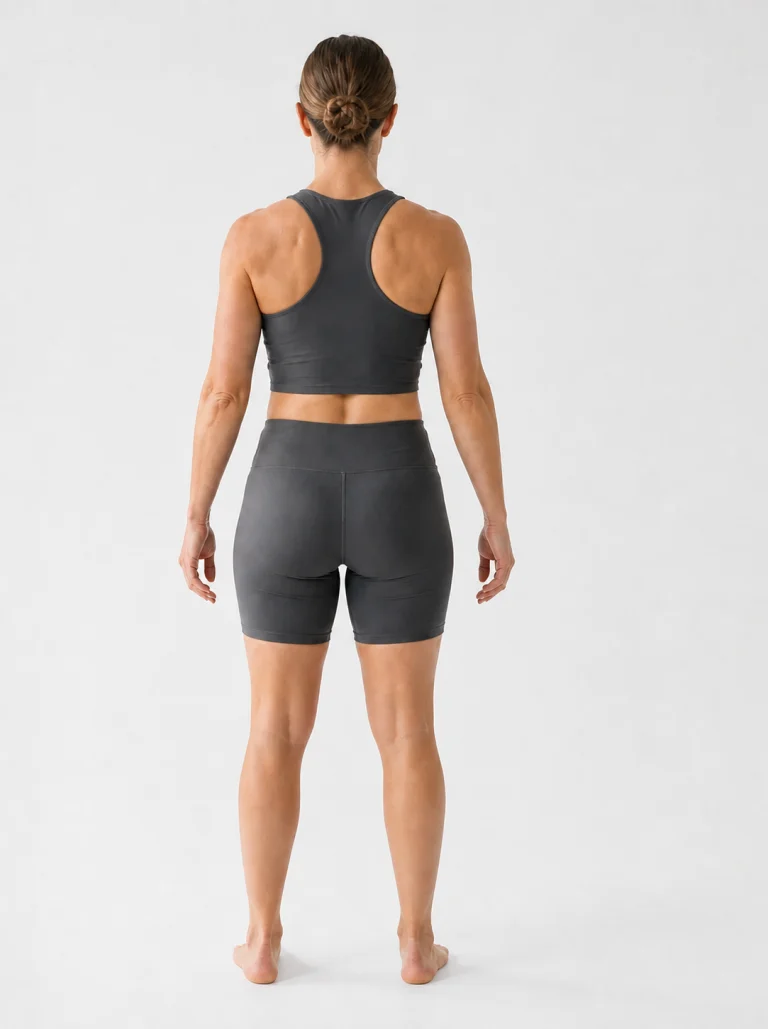
A flat athletic waist with clear tone and gradually softened muscle edges, sitting directly between 20% and 22%.
What does 22% body fat look like on a woman?
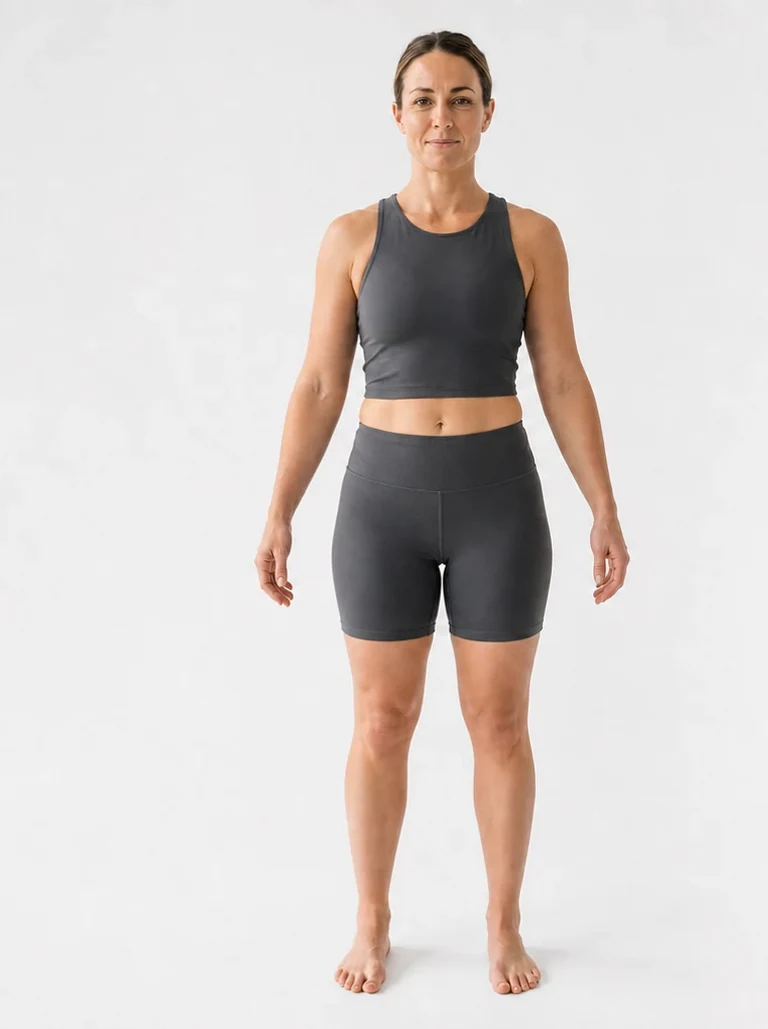
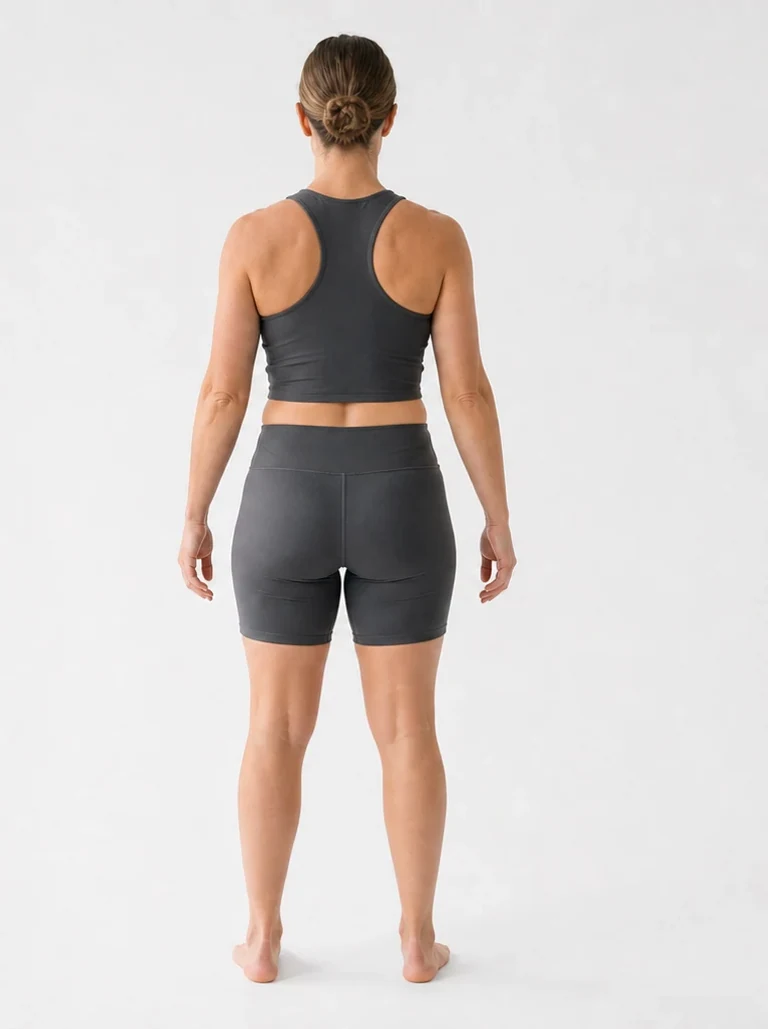
The classic fit look: flat stomach, toned arms and legs, and natural curves through the hips and thighs. This is visibly athletic while remaining compatible with normal life and normal hormones for most women.
What does 23% body fat look like on a woman?
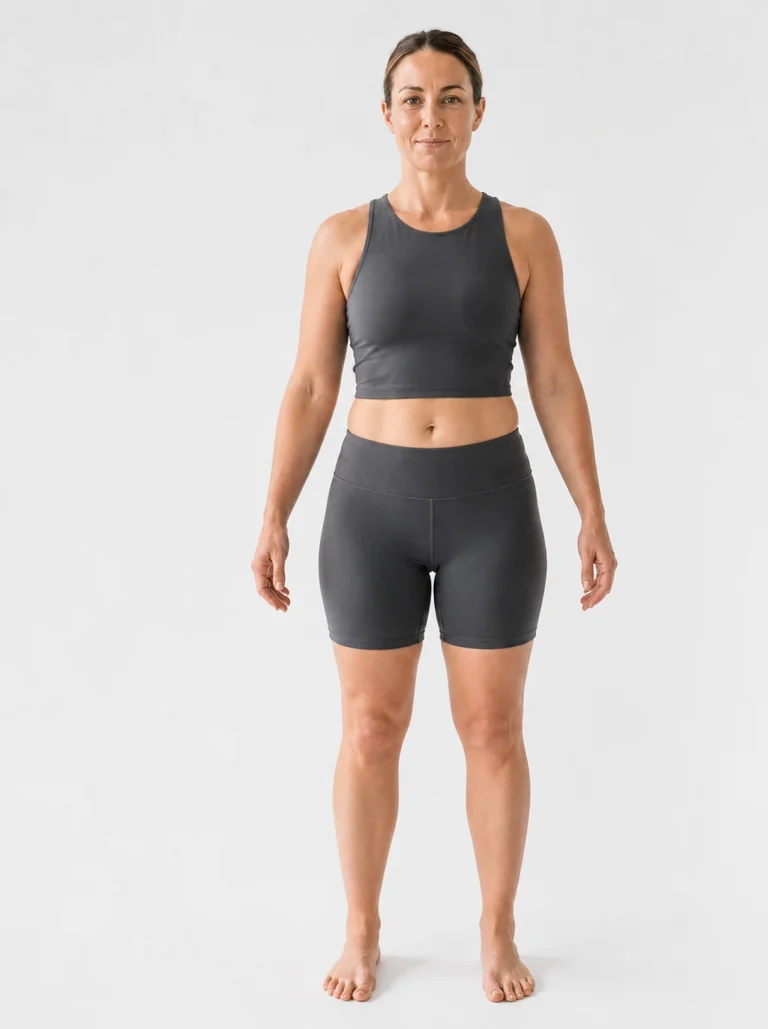
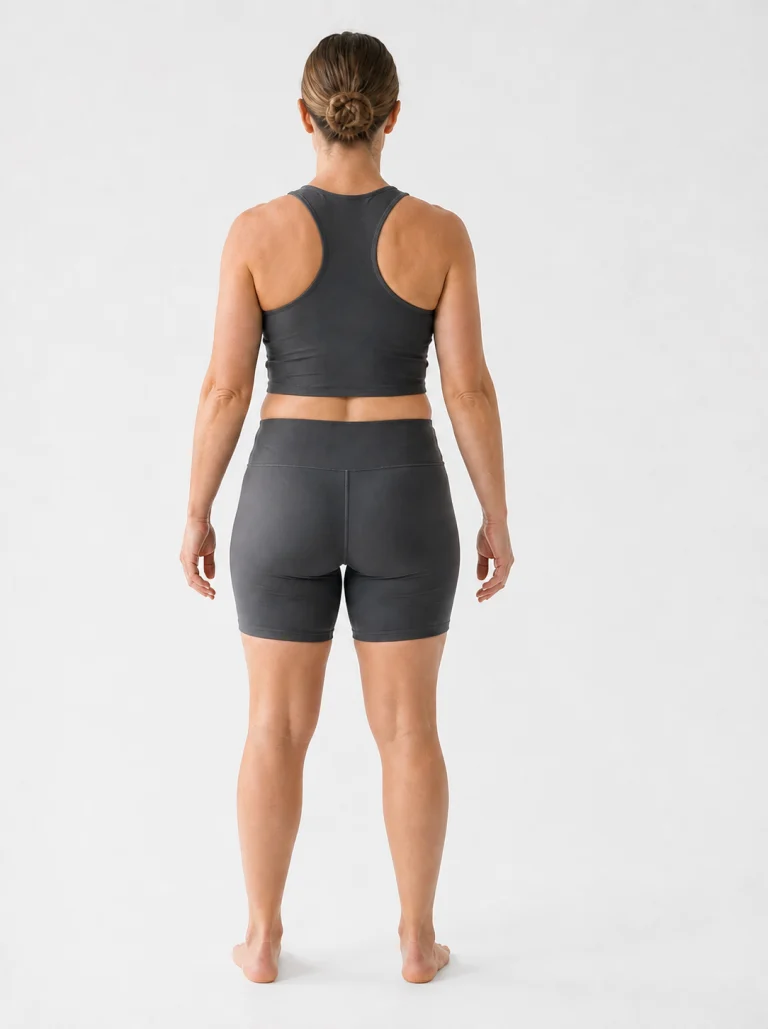
Toned with more natural curves. The waist and limbs retain an athletic shape while hip and thigh fullness becomes more visible.
What does 25% body fat look like on a woman?
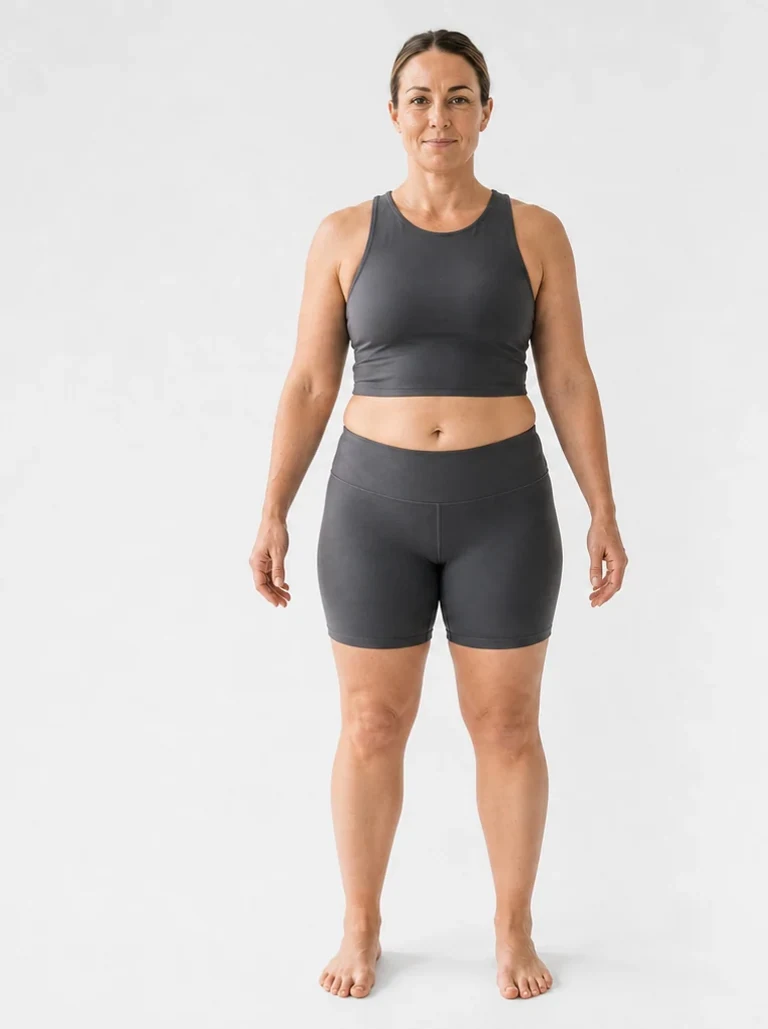
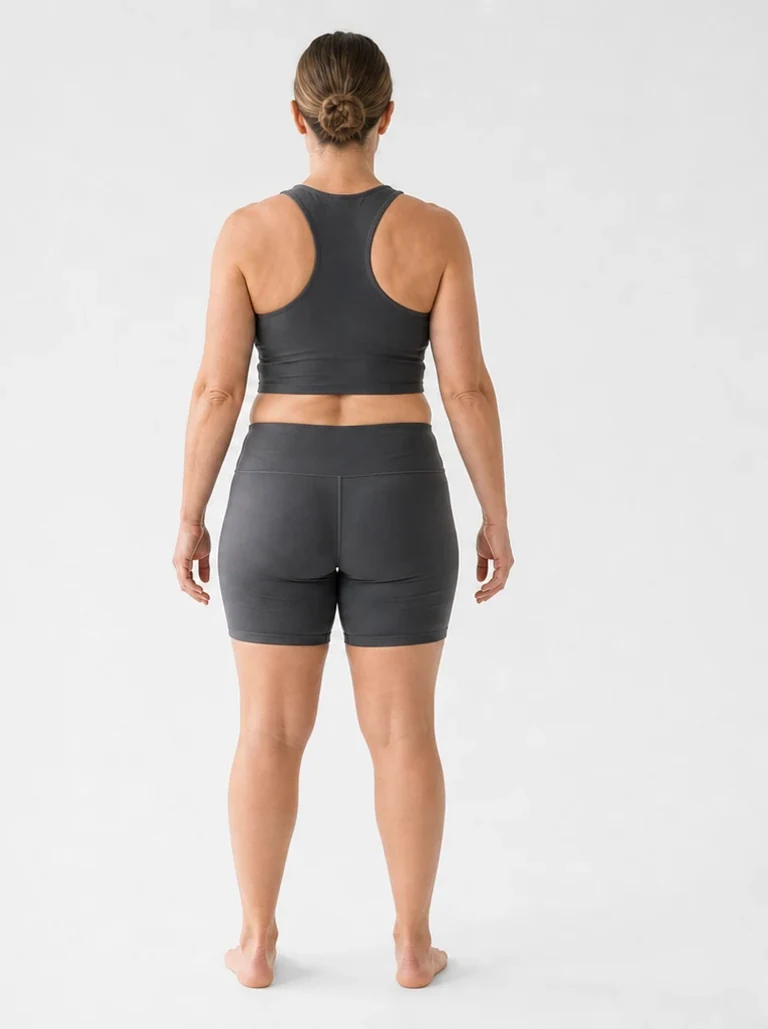
Healthy with softer edges. Resting abdominal definition fades, hips and thighs fill out, and muscle tone remains visible underneath. The difference from 22% is primarily aesthetic, not a medical problem.
What does 27% body fat look like on a woman?
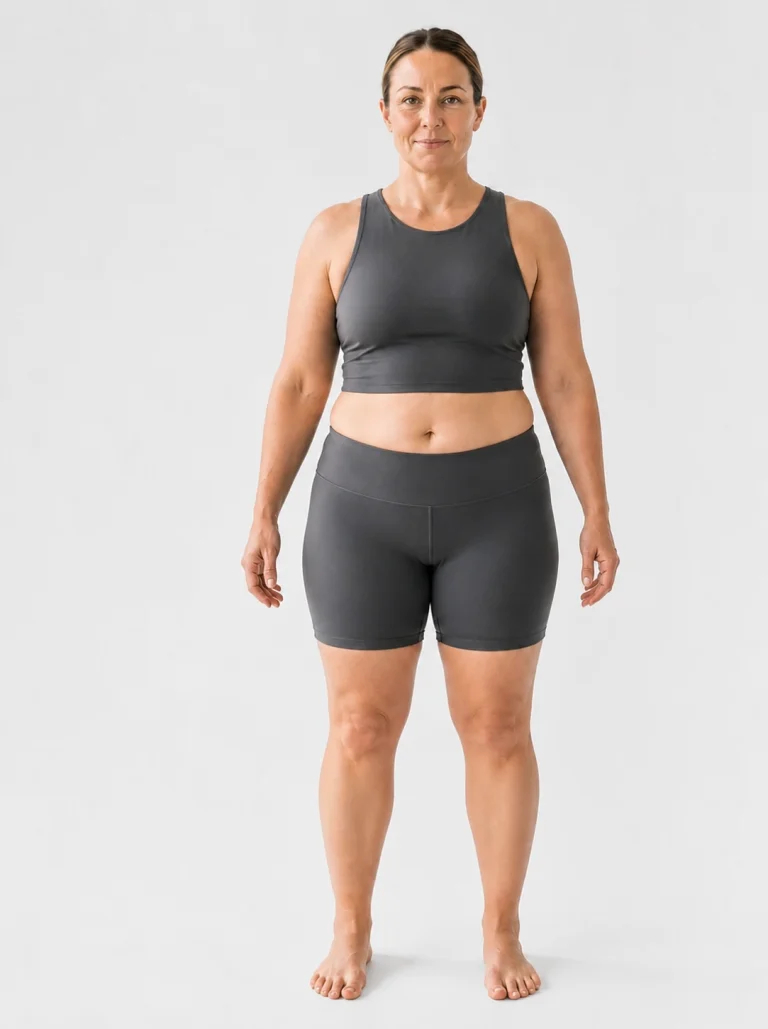
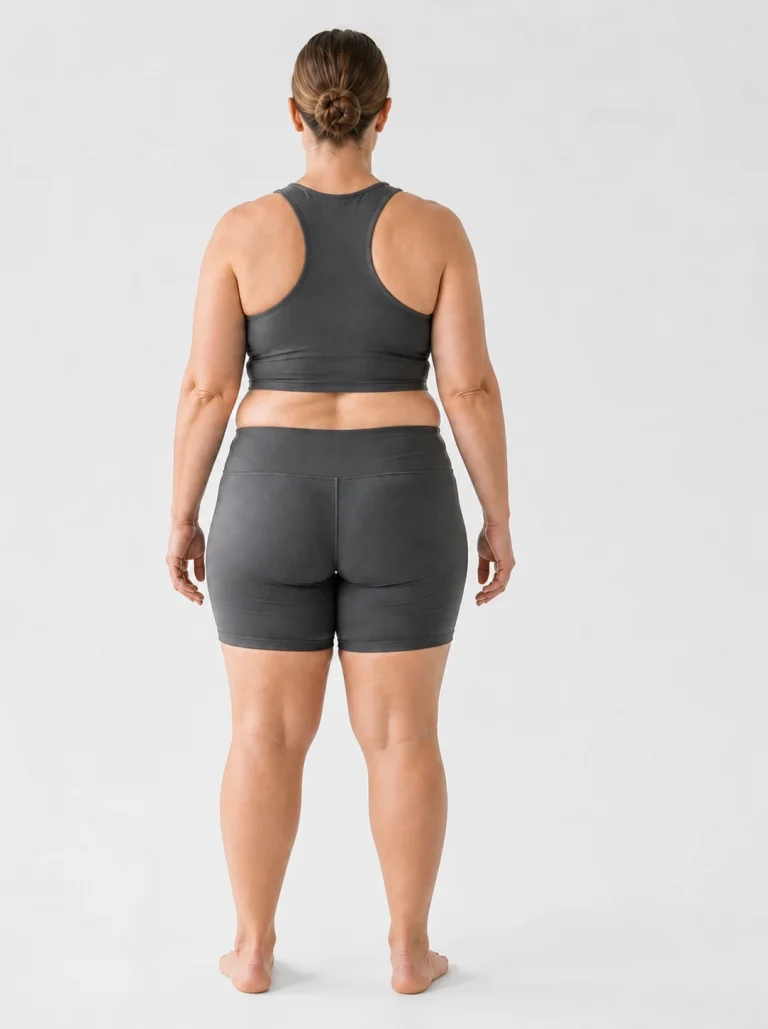
A healthy, average-looking range with a softer waist and fuller hips and thighs than the 25% reference.
What does 28% body fat look like on a woman?
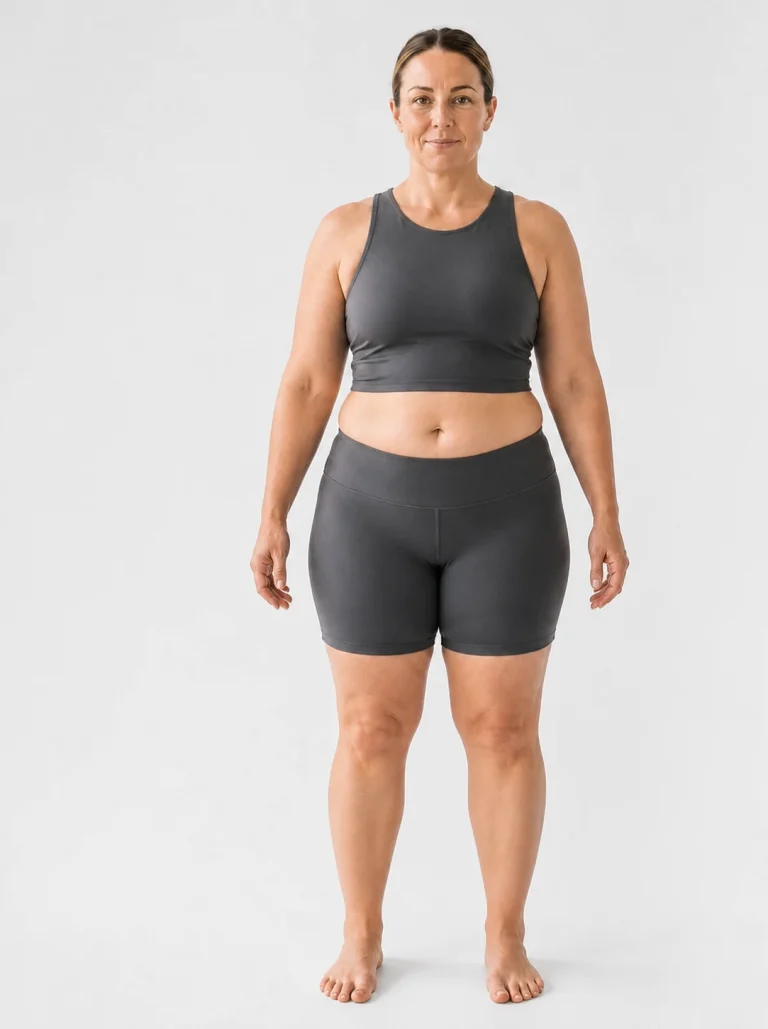
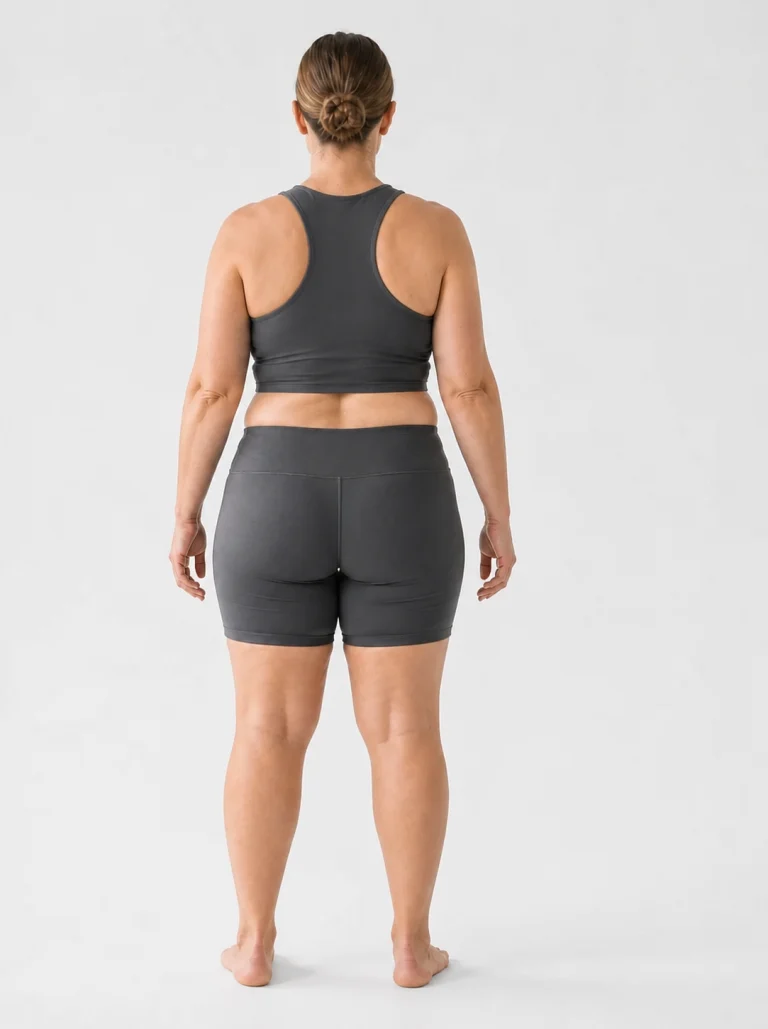
Soft natural curves with a gently rounded midsection, bridging the upper twenties toward the 30% reference.
What does 30% body fat look like on a woman?
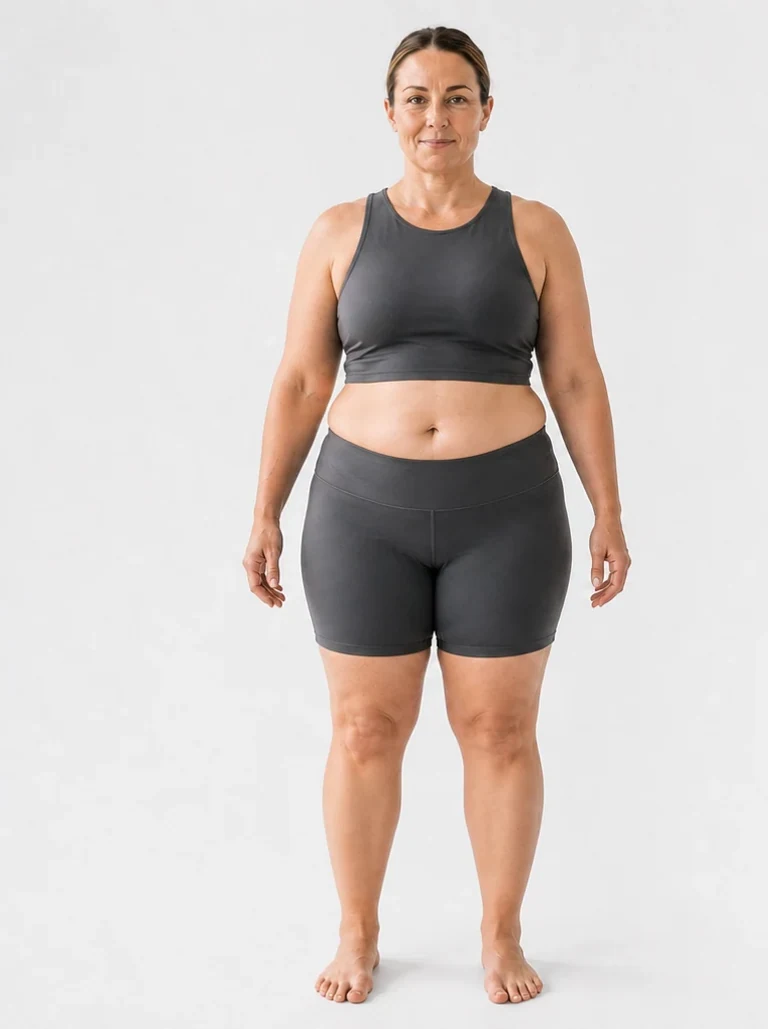
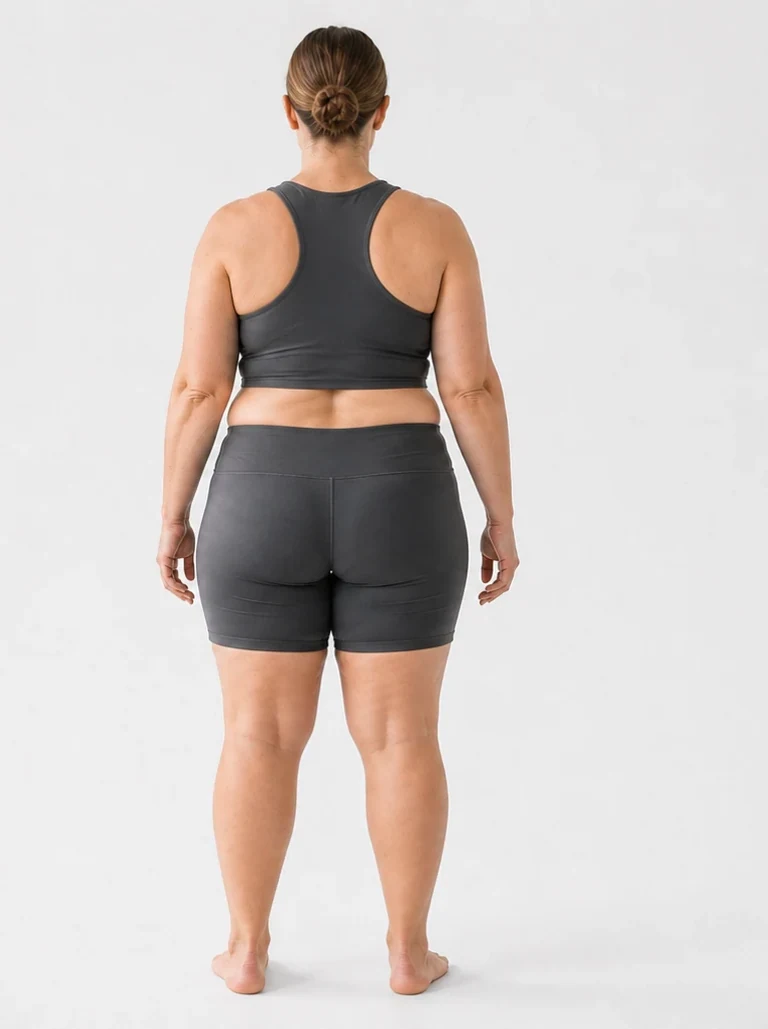
A common average range. The midsection is softly rounded, the hips and thighs are fuller, and resting muscle definition is minimal. Waist circumference and health markers matter more here than the visual percentage alone.
What does 32% body fat look like on a woman?
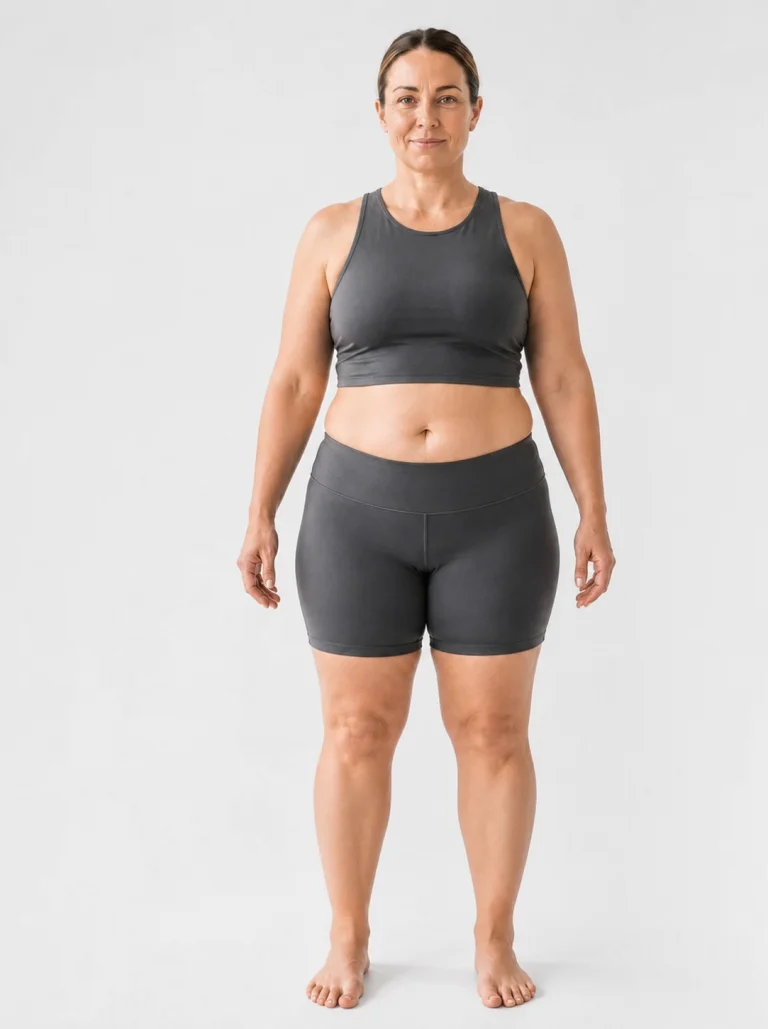
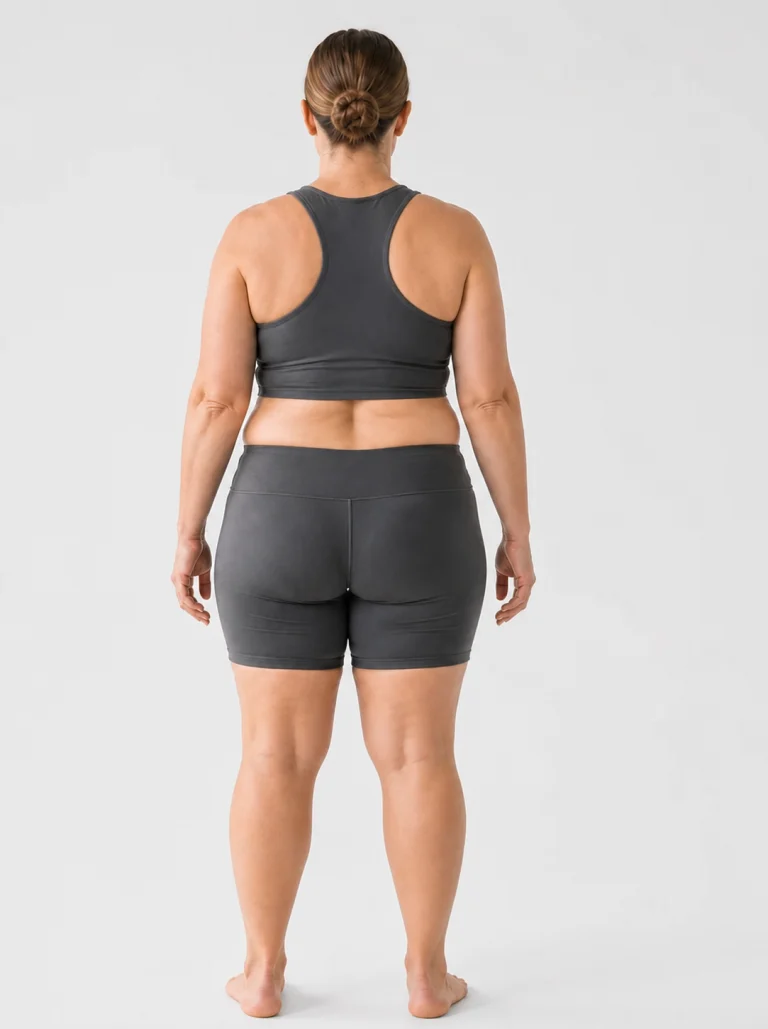
The waist and lower body broaden further, with visible softness through the abdomen, back, hips, and thighs.
What does 35% body fat look like on a woman?
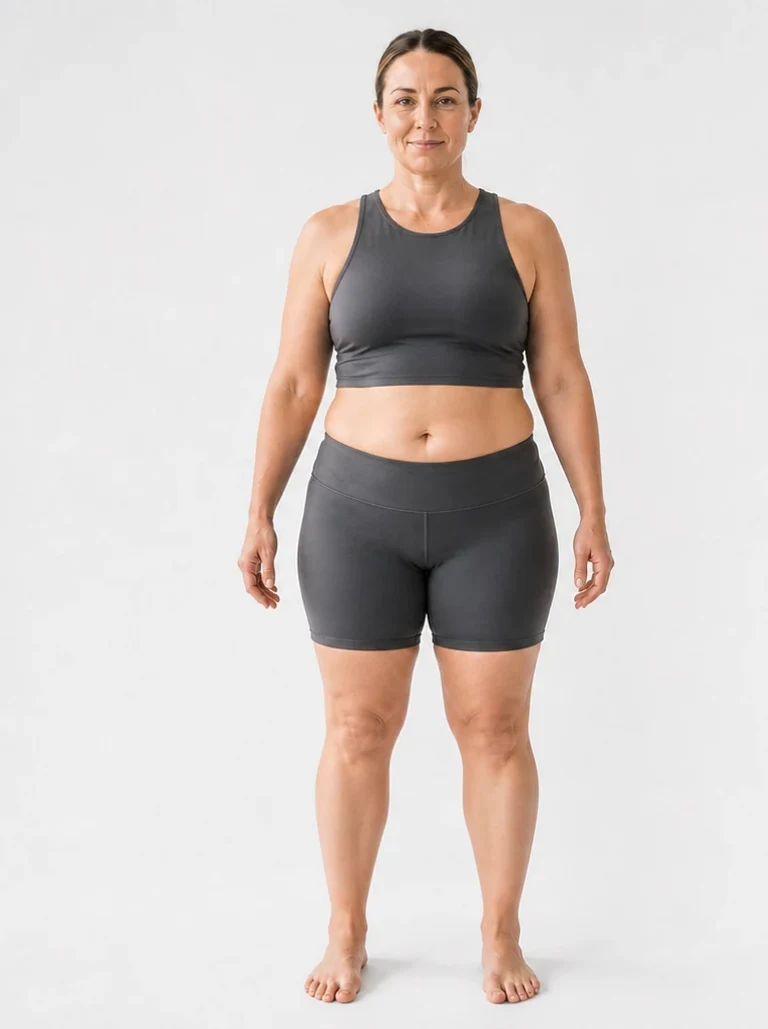
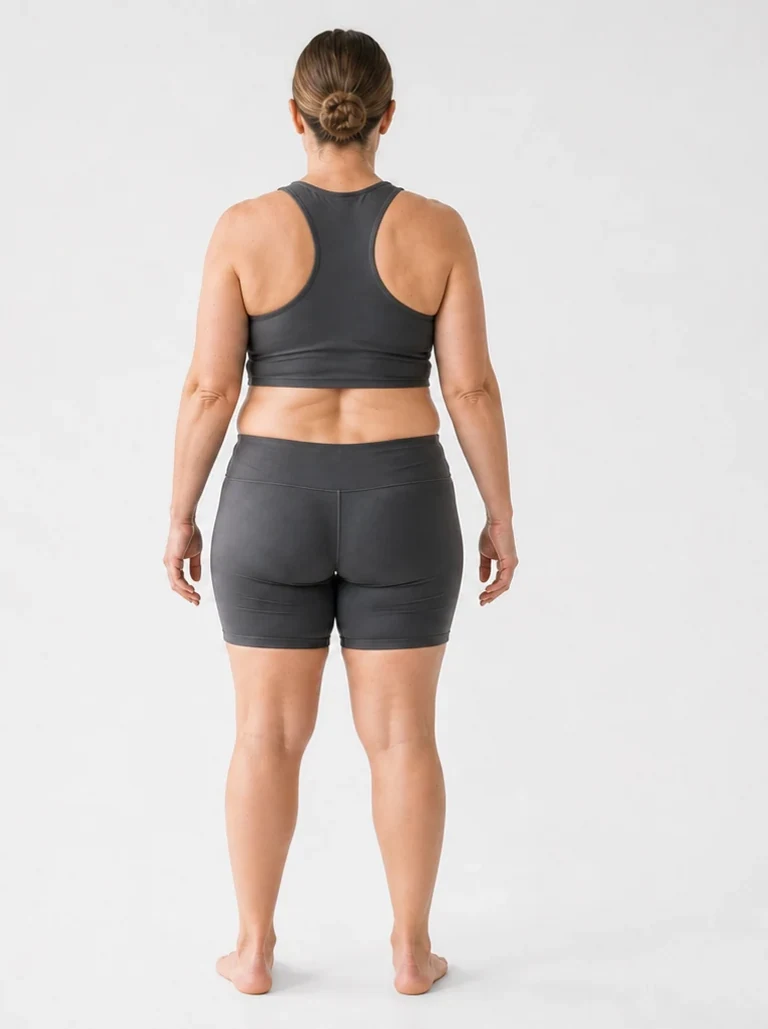
Elevated range. The waist broadens, lower-back softness becomes distinct, and fat accumulates through the arms and trunk as well as the lower body. Modest losses here often produce outsized improvements in both appearance and metabolic markers.
What does 37% body fat look like on a woman?
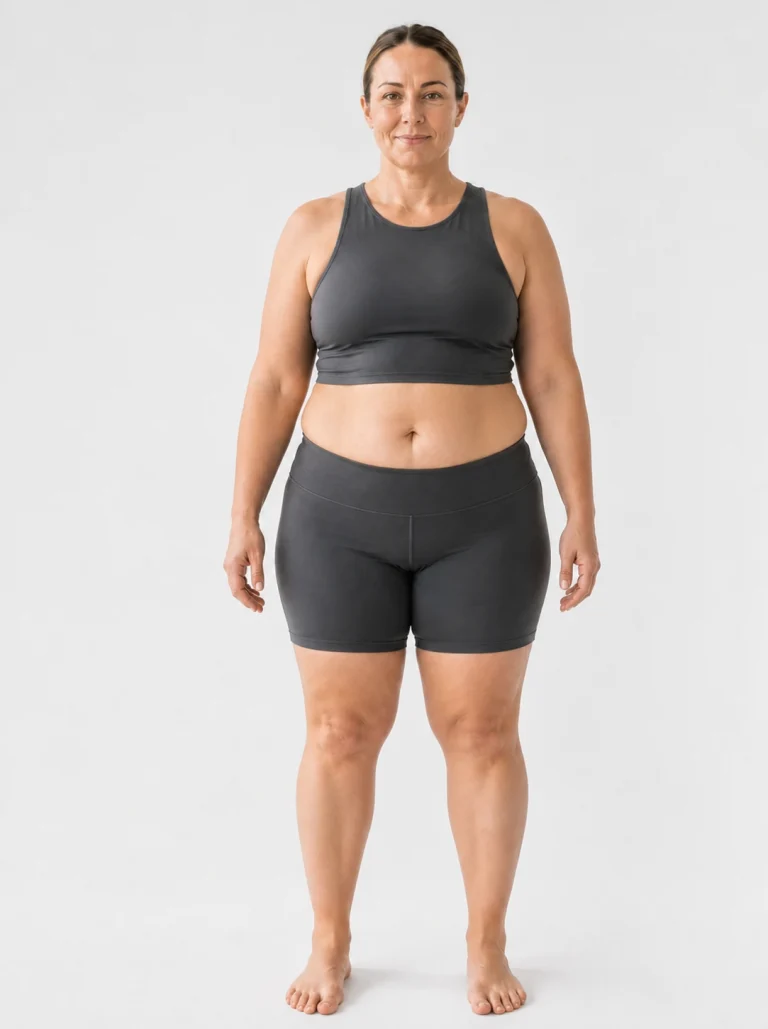
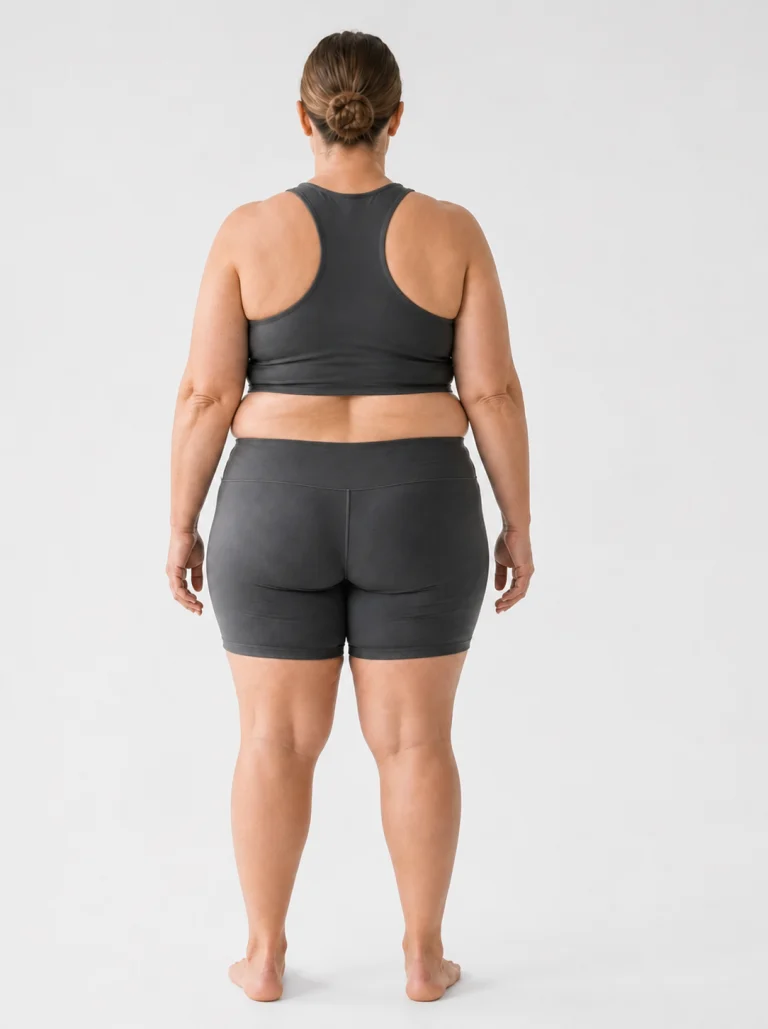
More pronounced storage through the trunk and lower body, providing a clear midpoint between the 35% and 40% references.
What does 40% body fat look like on a woman?
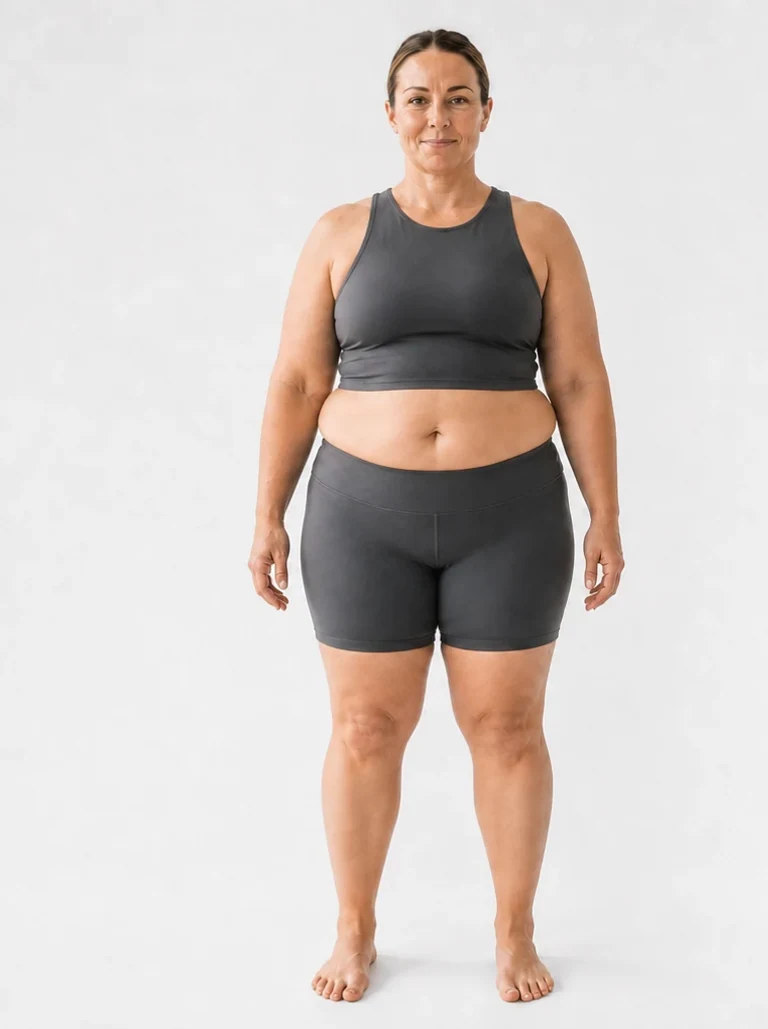
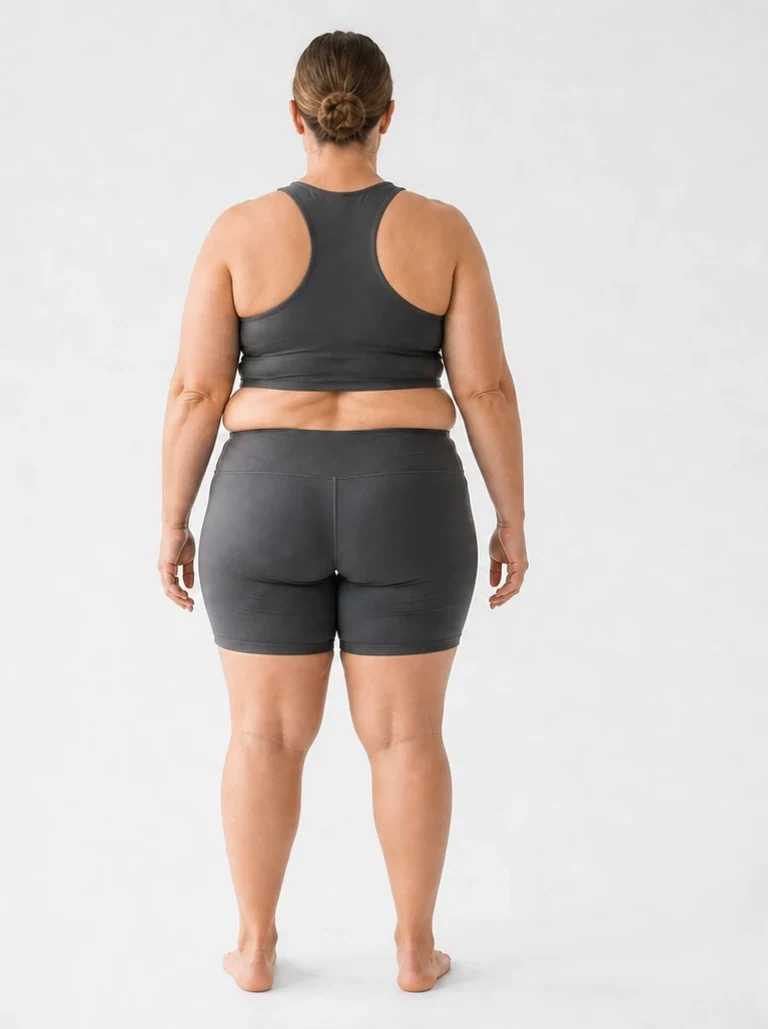
High range. Fat accumulation is substantial through the midsection, lower back, hips, thighs, and arms. This is best approached as a long-term health project with medical guidance, not a beach-season sprint.
The gallery covers the women's scale too, including exact pages for 25% body fat on a woman and 35%, with the full set running 18 to 40 percent.
How do you measure your body fat percentage?
Every measurement method has a margin of error. The key is finding one you can use consistently so you can track relative change over time, even if the absolute number isn't perfect.
| Method | Accuracy | Accessibility | Drawbacks |
|---|---|---|---|
| DEXA Scan | ±1-2% | Low, requires clinic visit, $75-150 per scan | Expensive to repeat frequently; results vary between machines. |
| Skinfold Calipers | ±3-4% | Medium, requires trained technician | High skill requirement; readings skewed by subcutaneous fluid. |
| Bioelectrical Impedance (Smart Scale) | ±4-8% | High, consumer devices widely available | Heavily influenced by hydration; wildly inconsistent day to day. |
| Progress Photos + AI Analysis | ±2-3% (trending) | High, only requires a phone camera | Absolute accuracy depends on lighting consistency; excels at tracking change over time. |
The most reliable approach mirrors what professional trainers do at firms like Ultimate Performance: use multiple benchmarks together, scale weight, visual progress photos, and circumference measurements, rather than drawing conclusions from any single method in isolation.
Track change, not perfection
Obsessing over exact percentages misses the point. Whether you're truly at 16.2% or actually 17.8% matters far less than whether you're moving in the right direction.
Relative progress tells the real story. Did you drop 2% over eight weeks? That's meaningful regardless of your starting number's precision. Focus on the trend line, not individual data points. Tools like GainFrame are designed for exactly this, tracking relative body composition change over time rather than chasing a single perfect number.
The multi-benchmark approach
Professional trainers never rely on single measurements. They combine multiple data points:
- Scale weight tracked at the same time daily
- Progress photos under consistent lighting weekly
- Circumference measurements at key sites
- How clothes fit over time
No single method tells the complete story. Together, they paint an accurate picture of body composition changes. This approach catches false signals from any individual metric and confirms real progress when multiple indicators align.
Putting your body fat percentage chart to work
A body fat percentage chart gives you a visual benchmark. Measurement methods give you feedback. Trend tracking over weeks and months reveals whether you're actually progressing. Here's how to use this guide effectively:
- Choose a target range using the charts above, one appropriate for your goals and gender.
- Pick one or two tracking methods you'll actually stick with, progress photos, calipers, periodic DEXA scans, or AI analysis.
- Reassess every four to eight weeks rather than daily or weekly. Many people find that losing 1-2% body fat per month is a sustainable pace during a dedicated fat loss phase.
Two people at identical body fat percentages can look completely different. Genetics determine where you store fat first and lose it last. The body fat percentage chart is a reference point, not a verdict on your progress. Visual references beat abstract numbers, consistency beats precision, and trends beat snapshots.
Frequently Asked Questions
What does 15% body fat look like on a man?
At 15% body fat, men have a healthy lean appearance with abs visible in good lighting, clear chest and shoulder separation, and some softness over the lower abs. It's generally considered excellent for health markers and is manageable to maintain long-term. It's the sustainable athletic look rather than the shredded one.
What does 20% body fat look like on a man?
At 20% body fat a man looks average rather than athletic: the stomach is soft with no visible ab definition, muscle shape is hidden under a smooth layer, and fat concentrates at the waist. It's within the acceptable health range (18-24%), but it's also the level where most "get lean" goals start.
What does 25% body fat look like on a man?
At 25% body fat a man typically shows a protruding belly, love handles, and some chest fat, with a visibly rounder face. It marks the border of the elevated-risk range, where visceral fat and metabolic markers start to worsen. Most men at this level benefit measurably from losing 5-8 percentage points.
What does 30% body fat look like on a woman?
At around 30% body fat a woman is just above the average range (25-31%). Fat sits mostly in the hips, thighs, and buttocks with a soft midsection and minimal visible muscle definition. It's common and not automatically unhealthy, risk climbs more clearly past 32%, when fat accumulates faster around the stomach.
Why do men and women look different at the same body fat percentage?
Women naturally carry 10-13% more essential fat than men for reproductive and hormonal health. Men require only 2-5% essential fat while women need 10-13% minimum. Male fat targets the stomach first due to testosterone, while female fat prioritizes hips, thighs, and buttocks due to estrogen. A woman at 20% body fat is significantly leaner relative to her gender than a man at 20%.
What is a healthy body fat percentage for men and women?
For men, a healthy fitness range is 14-17% body fat, with athletic levels at 6-13%. For women, a healthy fitness range is 21-24%, with athletic levels at 14-20%. The average acceptable range is 18-24% for men and 25-31% for women. Going below essential fat levels (2-5% men, 10-13% women) is dangerous and unsustainable.
How can I tell my body fat percentage from a picture?
Compare a front-facing photo of yourself, consistent lighting, relaxed posture, against reference physiques at known percentages and match the closest one, paying attention to ab visibility, waist softness, and muscle separation. For a faster estimate, AI photo analysis reads the same visual cues and returns a percentage in seconds; treat the result as a starting benchmark, then track the trend.
What is the most accurate way to measure body fat?
DEXA scanning is the gold standard with ±1-2% accuracy but costs $100-$200 per session. Hydrostatic weighing offers ±1.5-2% accuracy but is uncomfortable and rare. For practical everyday tracking, AI photo analysis provides consistent relative measurements without expensive equipment. The key is finding a method you can use consistently to track trends over time.