
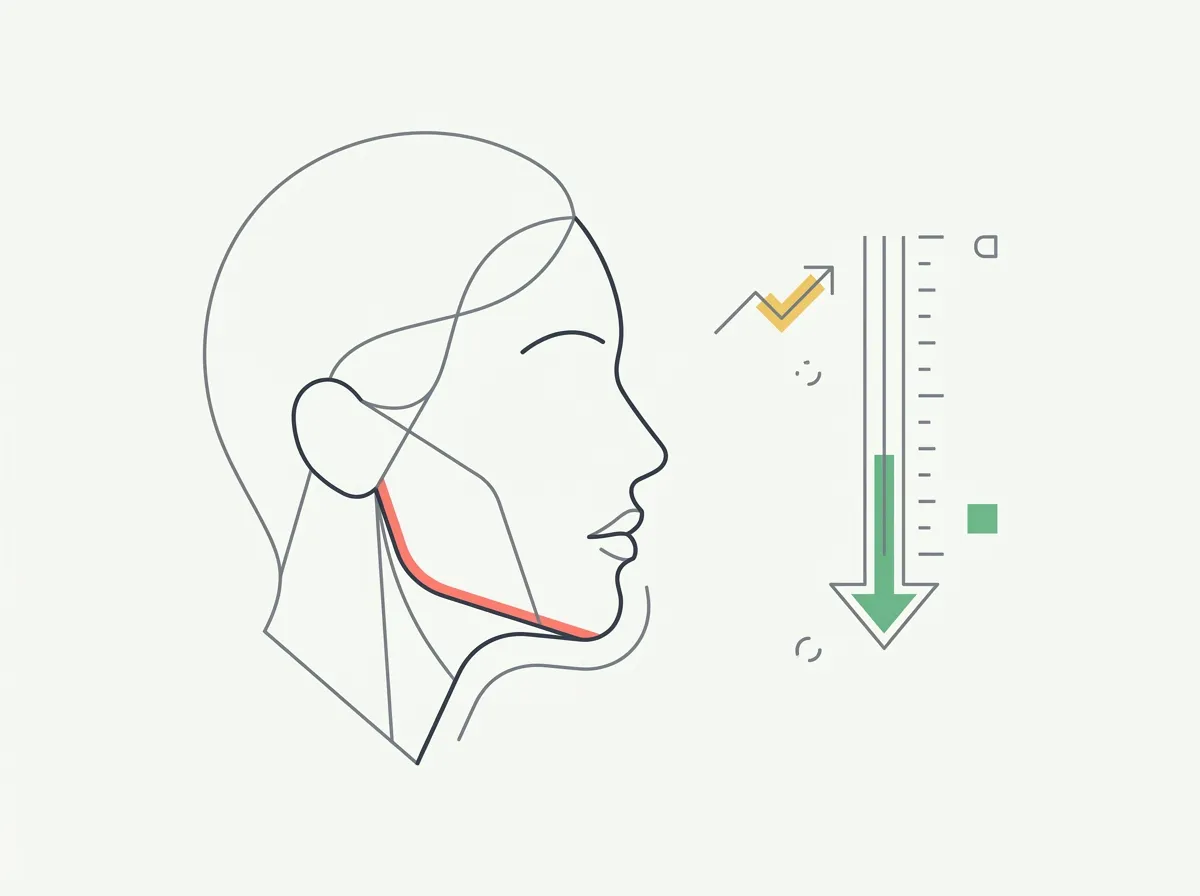
Quick answer: You can't spot-reduce face fat — facial leanness tracks your overall body fat percentage, with genetics setting the order fat leaves. For many men the face thins early in a deficit, with the jaw starting to appear in the high teens of body fat and looking clearly defined around 12–14%.
Three weeks into a cut, the scale has moved four pounds, and the first person to say anything comments on your face. Meanwhile the belly — the thing you actually started the cut for — hasn't visibly budged. It feels backwards, and it's one of the most common experiences in fat loss.
The face and the body run on one fat store with one thermostat, and your genetics wrote the withdrawal order years ago. That's bad news for anyone hoping to slim the face directly, and quietly good news for anyone who just wants proof their deficit is working. Here's how the two are connected, what the landmarks look like, and what to skip.
Can you lose fat from just your face?
No — and this is about as settled as fitness advice gets. Spot reduction is commonly rejected across the research: working or massaging a body part doesn't preferentially burn the fat sitting on top of it. Fat loss happens systemically when you hold a calorie deficit, and your body decides which depots drain first.
That decision is largely genetic. Some men lose from the face and chest early and hang onto the lower belly for months; a smaller group holds facial fat nearly to the end. You can't reorder the sequence. You can only run it, and the run is driven entirely by overall body fat dropping.
The practical translation: every "lose face fat" plan that works, works by lowering total body fat. If a cut is new territory, our first cut guide covers the deficit, the protein target, and the pacing.
Why does the face often lean out first?
The encouraging flip of the no-spot-reduction rule: for many men, the face is among the first places a deficit becomes visible. Facial fat sits in thin layers over bone and muscle, so a small absolute change there shifts the geometry — a slightly less full cheek reads instantly, while the same few hundred grams off a belly disappears into the total.
There's a well-known caveat pulling the other way, and it's genetic too: the face is often one of the first places men store fat when gaining, and for some men it's stubbornly late to lean out — the jawline visibility guide covers that slower pattern by face type. Both schedules are normal. Whichever one you're on, the direction is the same: face follows body fat.
If your schedule is the common early one, use it. A visibly thinner face at week four is real evidence the deficit works, arriving months before abs will. Treat it as the down payment while you wait for the belly timeline to catch up.
What body fat percentage reveals your jawline?
There's no universal number — face shape and fat distribution move the target — but the commonly experienced landmarks for men stack up like this: the face starts visibly thinning and the jaw begins appearing in photos around 17–20% body fat, the jawline becomes noticeable in most lighting around 14–17%, and it reads clearly defined around 12–14%. Below roughly 10–12%, faces trend gaunt rather than sharper.
Here's roughly what that spread looks like on the same man. These are standardized, photorealistic AI renders from our body fat visualizer — same build, pose, and lighting, so only body fat changes between images.
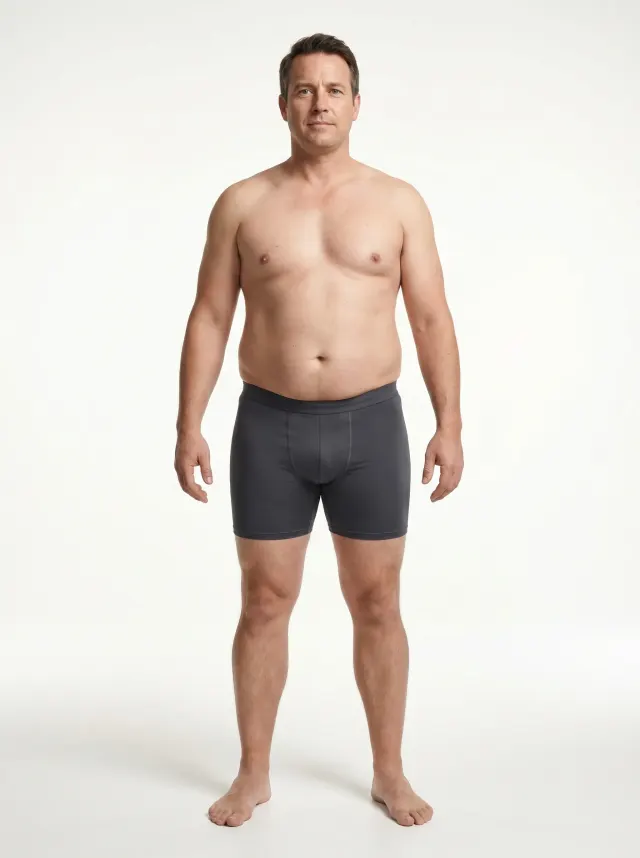
28% body fat — the face carries visible fullness through the cheeks and under the chin, and the jawline is buried.
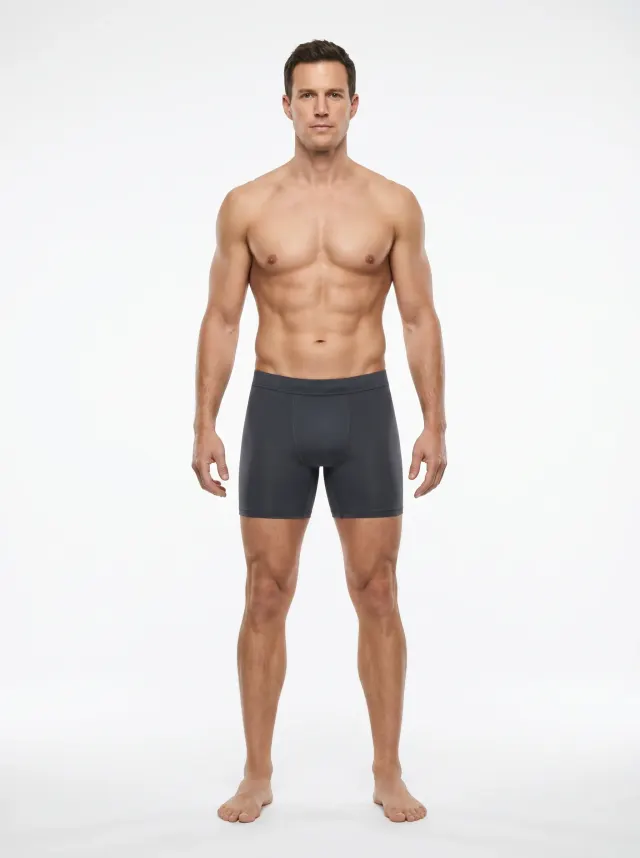
The same man at 18% — cheeks flattened, the under-chin fullness mostly gone, and the jaw beginning to draw a line. Ten points of body fat changed the face as much as the torso.
Notice the face did a disproportionate share of the visual work. That's the thin-layer effect from above, and it's why people notice your face before your waistband does. For where those percentages sit overall, the body fat percentage chart maps every range with photos.
Is a double chin always about body fat?
Mostly, and not entirely. Submental fullness — the soft area under the chin — commonly recedes as overall body fat drops through the high teens. But three other contributors can keep a shadow of it around at any leanness: genetics (some jaw and neck structures simply carry more tissue there), age (skin laxity lets the area drape rather than shrink), and posture (a forward head position compresses the space under the jaw and manufactures a fold that isn't fat at all).
A quick self-test: lengthen your neck, pull your chin gently back and up, and check the mirror. If the fold mostly vanishes, posture is a bigger lever for you than another month of dieting. If it persists while the rest of you is lean, you're likely looking at structure or skin rather than fat.
Do face exercises, gua sha, or chewing gum work?
For fat loss specifically, the evidence commonly cited is thin. Facial exercises can build the masseter and other chewing muscles — which tends to make the jaw wider rather than the face leaner, a genuinely different aesthetic outcome. Gua sha and massage tools can move retained fluid for a few hours, which photographs nicely and returns by morning. Chewing gum lands in the same category as the exercises: mild muscle stimulus, no meaningful effect on the fat layer.
None of that makes these tools scams — fluid drainage and masseter development are real effects people may want. They're just answers to a different question. The fat layer over your face responds to one input, and it's the same one the rest of your body responds to.
What actually changes your face, and how do you track it?
A sustained, moderate calorie deficit with enough protein and lifting to protect muscle — the identical recipe as every other fat-loss goal, which is the whole point of this article. At a commonly cited rate of 0.5–1% body fat lost per month, a man starting in the low twenties reaches the 14–17% jawline range in several months to a year. Crash-cutting compresses the calendar and commonly costs muscle, which does faces no favors either.
Tracking facial change is harder than it sounds, because faces swing daily with sodium, alcohol, and sleep — a salty dinner can add a morning of puffiness that reads like a lost month. The fix is trend over snapshot: consistent photos, same light and angle, compared weeks apart. GainFrame pairs those standardized check-ins with an estimated body fat percentage per photo, so you can watch the number descend toward the range where your jawline shows up — estimates from photos rather than a clinical scan, but consistent enough to hold the trend.
Frequently asked questions
Can you spot-reduce face fat?
No — fat loss is systemic, and the order it leaves different areas is largely genetic. Face exercises, massage tools, and targeted routines don't burn facial fat specifically. The reliable lever is reducing overall body fat through a sustained calorie deficit; your face follows on its own schedule, which for many men is encouragingly early.
Why is my face fat when the rest of me isn't?
Genetics decides where you store fat first and densest. Some men carry a disproportionate share in the cheeks, jaw, and neck even at moderate overall body fat, the same way others store stubbornly in the lower belly. Water retention also inflates the face — sodium, alcohol, and poor sleep commonly add visible puffiness that reads as fat and clears within days.
What body fat percentage gets rid of a double chin?
There's no universal number, because double chins mix fat with posture, genetics, and age. When fat is the driver, submental fullness commonly recedes as overall body fat drops through the high teens and lower. If your chin persists at a lean body fat percentage, skin laxity, jaw structure, or head posture is probably contributing more than fat.
Do jawline exercisers or chewing gum slim your face?
They can build the masseter muscle, which makes a jaw look wider — a different outcome from a leaner face. As fat-loss tools, the evidence commonly cited for face exercisers, gua sha, and chewing gum is thin. Massage can shift fluid temporarily, which photographs well for an evening. None of them reduce the fat layer itself; a calorie deficit does.
How long does it take for your face to lean out?
Often surprisingly fast. On a moderate deficit, many men report visible facial change within the first four to eight weeks — earlier than the belly, which tends to hold on. The full jawline arrives later: at a commonly cited loss rate of 0.5–1% body fat per month, dropping from the low twenties into the 14–17% range takes several months to a year.
Watch the number your face is following
GainFrame estimates body fat percentage from each check-in photo, so you can see yourself approaching the range where the jawline shows — and prove the early face change is real fat loss rather than a good-sodium day. Free to start on iOS.
Download GainFrame Free