Useful fitness answers, without the noise.
Evidence-minded guides for people who care more about visible progress than another number on the scale.

Reading about progress is useful. Seeing yours is better.
Turn one gym photo into body-fat, FFMI, and muscle-group trends, then keep the signal going with consistent check-ins.
4.9 ★ from 35 ratings · 5,000 lifters · Private by design
Latest articles
Practical guidance on body composition, progress photos, training, and the work behind GainFrame.
Showing 181–210 of 254 posts
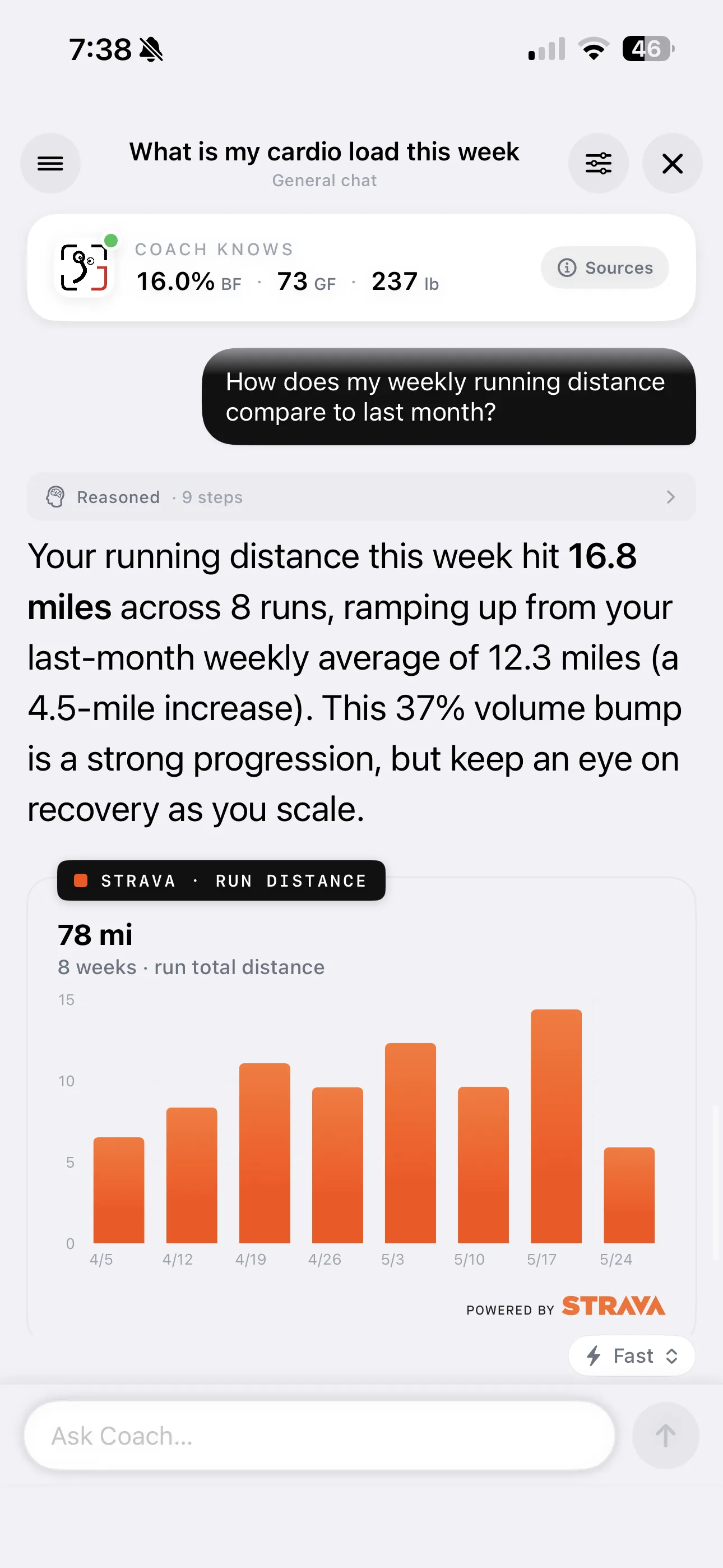
AI Fitness Coach with Strava Integration: A Real Walkthrough (2026)
Strava knows your cardio. Your AI fitness coach doesn't. That gap means every question about volume, recovery, or whether cardio is helping or hurting your physique goes unanswered — until now. Here's the Strava integration that closes it.
Best AI Personal Trainer Apps in 2026 (and the App That Tracks If They're Actually Working)
Eight AI personal trainers tested honestly — by someone who is not selling you a workout plan. Plus the missing piece every list ignores: how to know if your AI coach is actually building muscle.
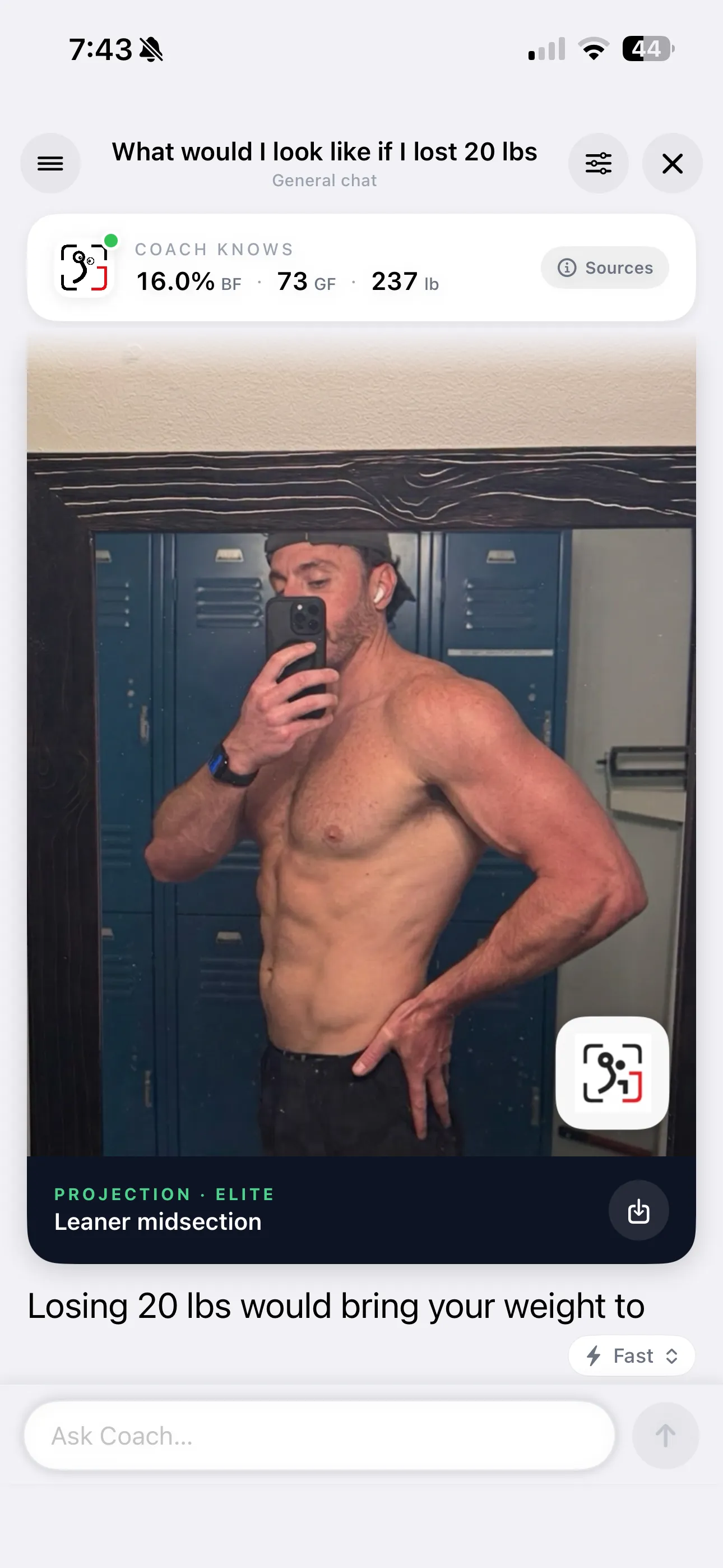
GainFrame Coach vs Fitbod vs Ray vs GymStreak (2026 Comparison)
Four AI fitness apps, four different jobs. Pick the wrong one for your question and you'll bounce in a week. Pick the right combination and you've replaced a $150/hr personal trainer for under $40/month.
5 AI Physique Rating Apps Tested (2026): Toy Scorers vs Real Assessment
Five apps now compete on giving you a physique score from one photo. Only one of them gives you the data you need to decide whether to keep doing what you're doing.
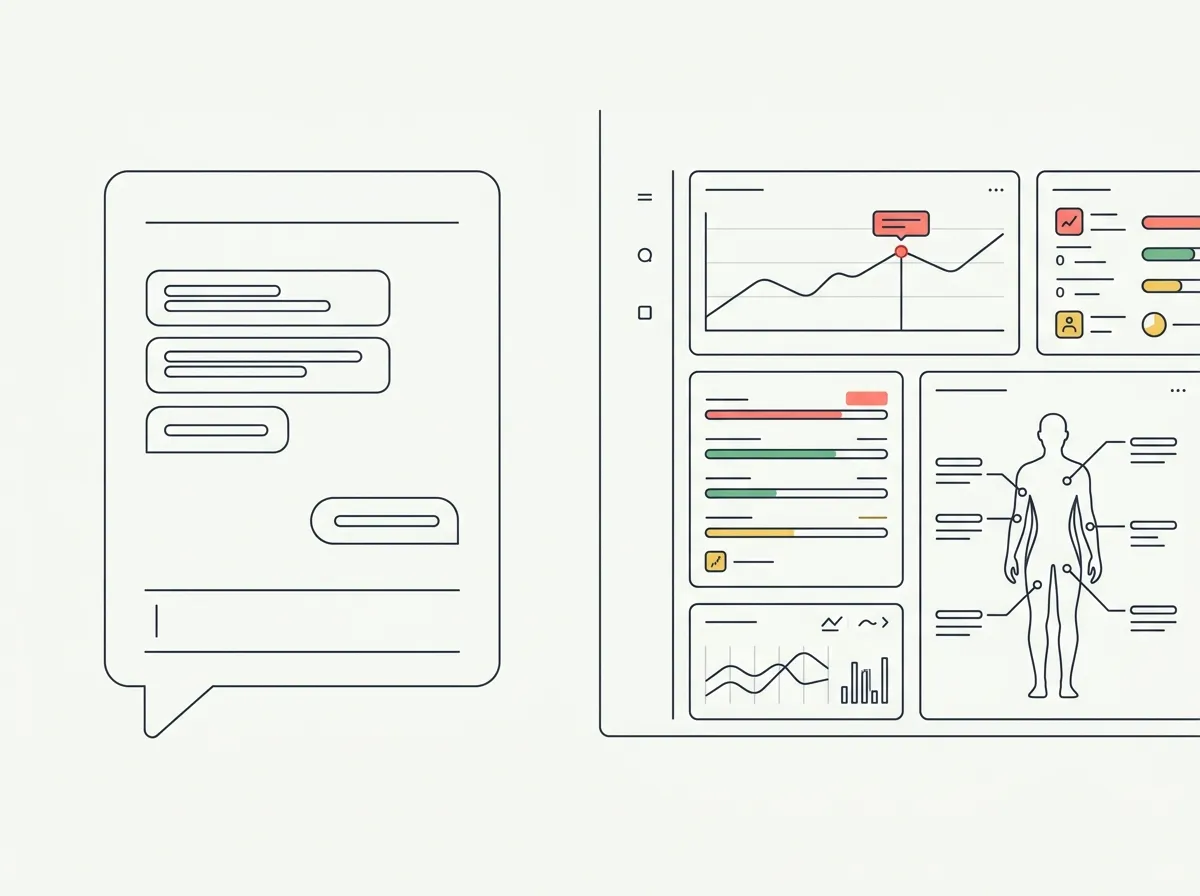
AI Fitness Coach vs ChatGPT: When a Dedicated App Beats a General LLM (2026)
ChatGPT can write a workout in 30 seconds. It cannot tell you whether the workouts you've done over the last three months are actually building the body you want. That's the structural difference, and it matters more the longer you train.
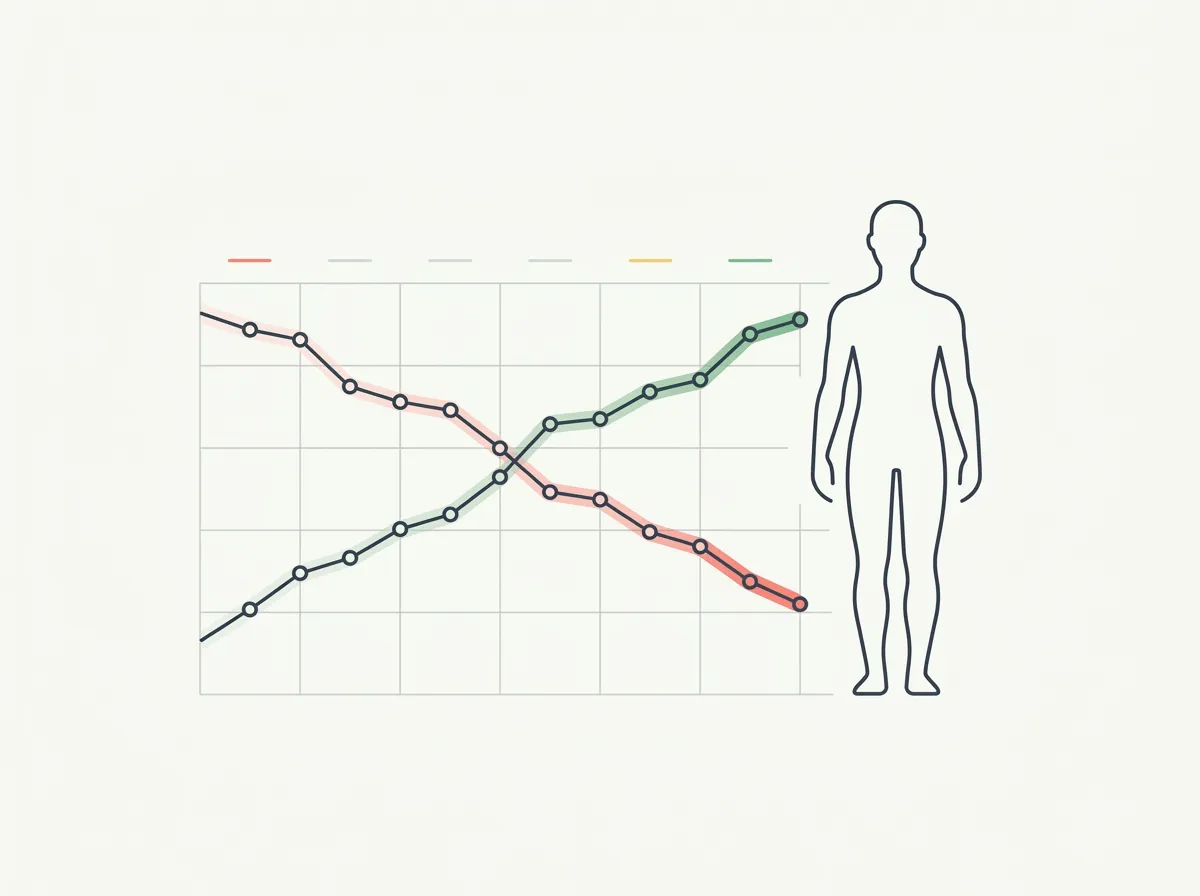
Body Recomposition Tracker: How to Know Your Recomp Is Actually Working
Body recomposition is the hardest body composition goal to track because the scale doesn't move much - fat is leaving and muscle is arriving at roughly the same rate. Knowing it's working requires a different stack than weight loss or bulking.
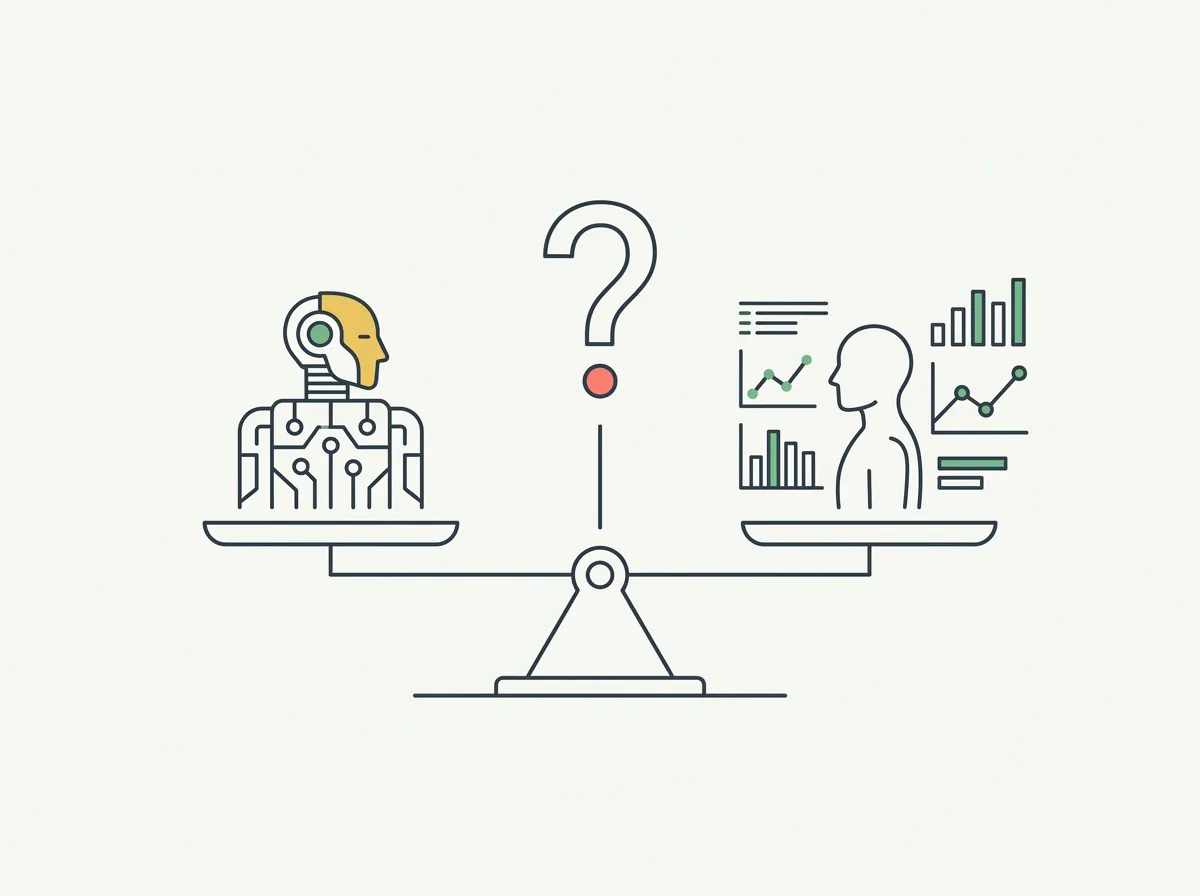
Do AI Fitness Trainers Actually Work? An Honest Answer After Building One
AI fitness trainers are everywhere now. Most of the reviews are written by the companies selling them. This is the honest version, written by someone who shipped one and watched the analytics — what works, what doesn't, and what to look for if you're shopping.
Meet Coach: The AI Fitness Coach That Already Knows Your Numbers
Generic AI fitness chats give you generic answers because they have no idea who you are. Coach starts every conversation already loaded with your data.
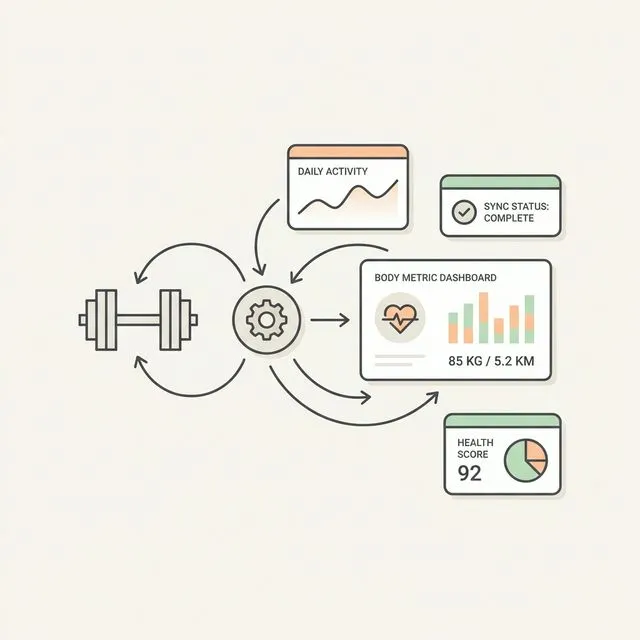
Best Apps to Track Weight Loss on Ozempic in 2026 (Beyond Just the Scale)
One app cannot tell you if your GLP-1 transformation is fat or muscle. Here is the 4-input stack that actually does, plus an honest take on the apps marketed specifically to GLP-1 users.
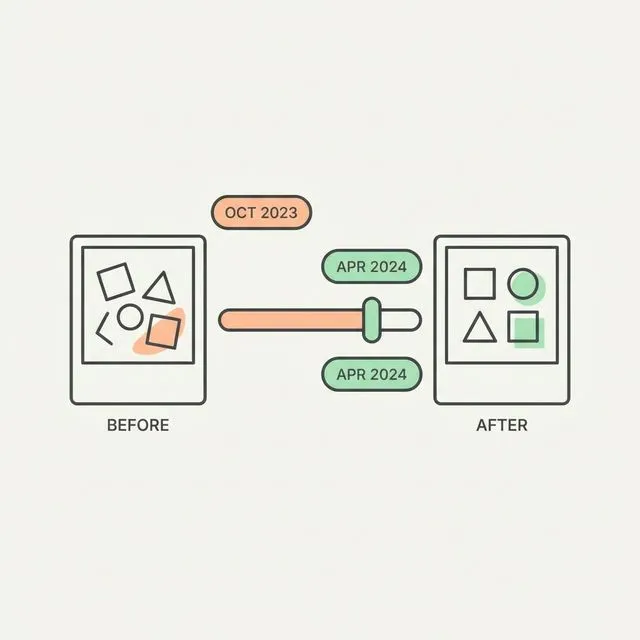
Ozempic Before-and-After Photos for Men: How to Take Them So Yours Actually Show Progress
Most Ozempic transformation photos hide the real story — the scale dropped 30 pounds, but 39% of that was muscle. Here's how to take photos that show what you actually changed.
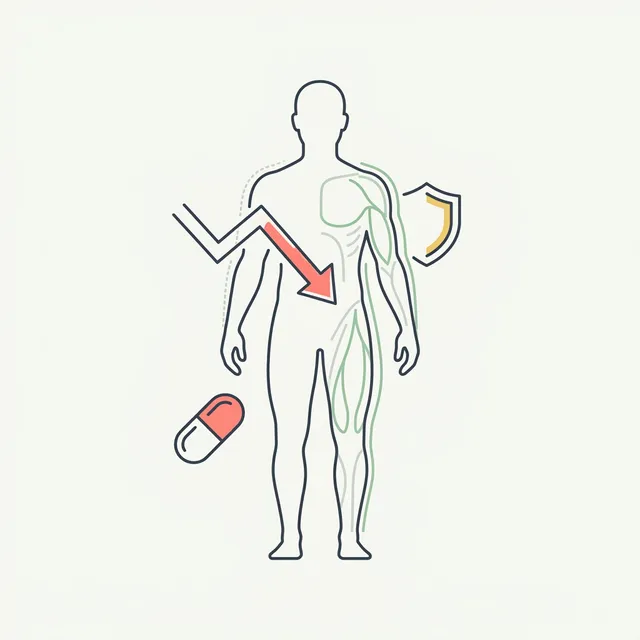
Ozempic and Bodybuilding: How to Cut Without Losing Muscle (and How to Tell If You Are)
Lifters using GLP-1s for cutting phases face a measurable problem — without intervention, 39% of weight lost on Ozempic is muscle. Here is the protocol that drops it to 15-25%, and the tracking that proves it's working.
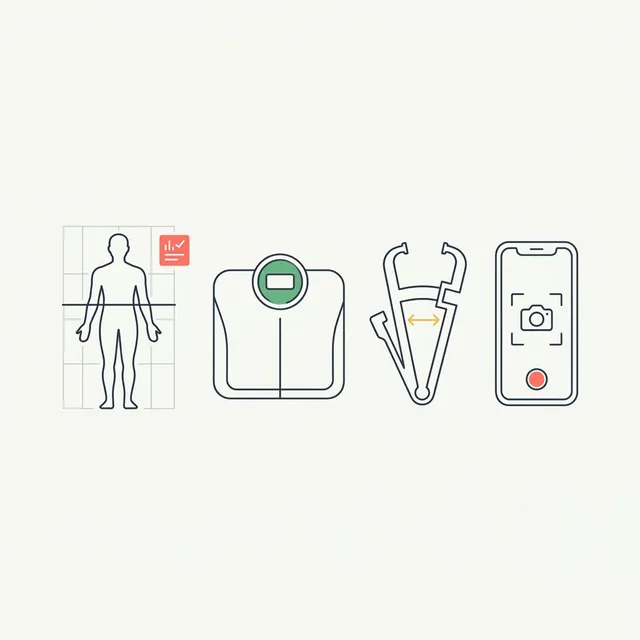
How to Track Body Composition on Ozempic (Beyond Just Weight on the Scale)
Your doctor told you to track your weight. The scale alone hides whether you are losing fat or muscle — and on a GLP-1, that distinction is everything. Five tracking methods compared by cost, frequency, and what they actually catch.
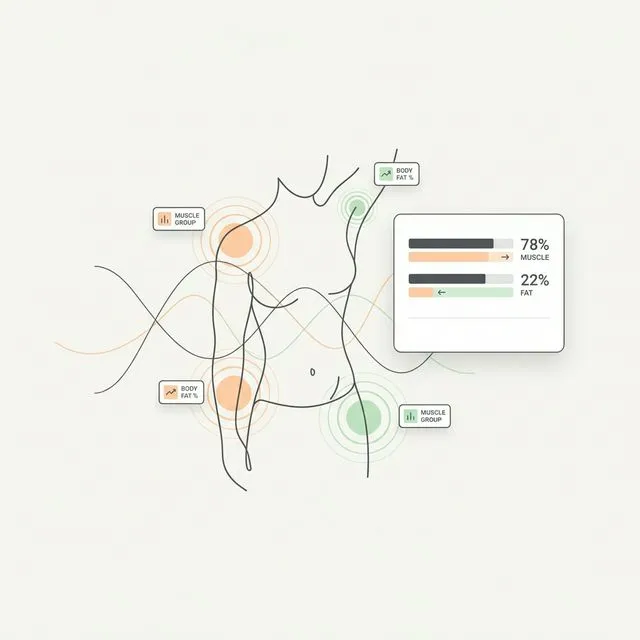
Best AI Fitness Apps That Track Your Body in 2026 (Not Just Your Workout)
The AI fitness category has split into two camps — apps that write your routine, and apps that track if it's working. Here are the body-tracking apps actually worth using.

Best Free Progress Photo Apps (2026): What Actually Works Without Paying
Free tools cover the basics — storage, alignment, side-by-side. Here is what each free option does well, where they break, and when paying is worth it.
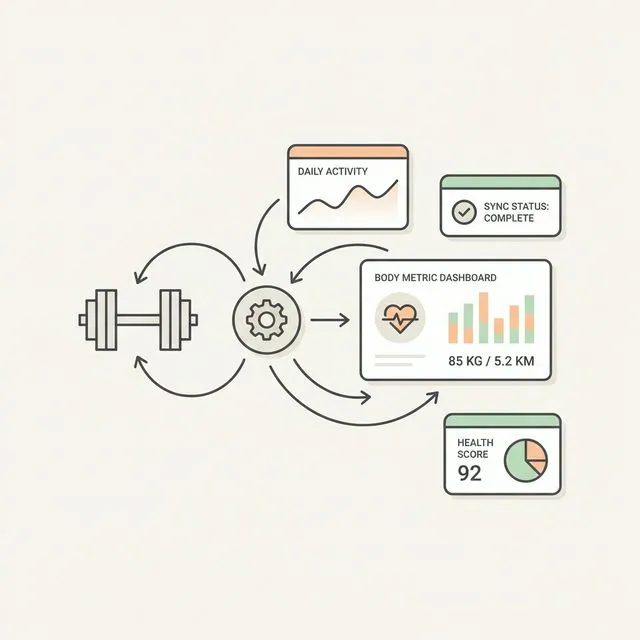
How to Use ChatGPT for a Workout Plan in 2026 (and How to Tell If It's Actually Working)
ChatGPT writes a routine in 30 seconds. The hard part is knowing if it's actually building muscle. Here is the prompt template that works — and the 3-week validation rule for catching plans that drift.
ChatGPT Sends Us 31% of Our Users — Here's the Generative Engine Optimization Playbook We Used
A solo dev's real PostHog data on AI as the #1 acquisition channel — and the 5 structural changes that got us cited.
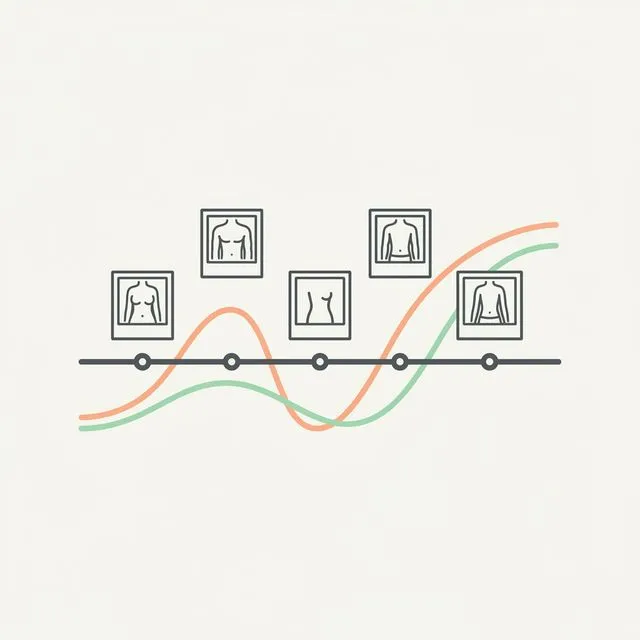
How Often Should You Take Progress Photos? (Science-Backed Answer)
Take them too often and you'll quit when nothing changes. Take them too rarely and you miss what's actually working. Here is the right frequency for every goal.
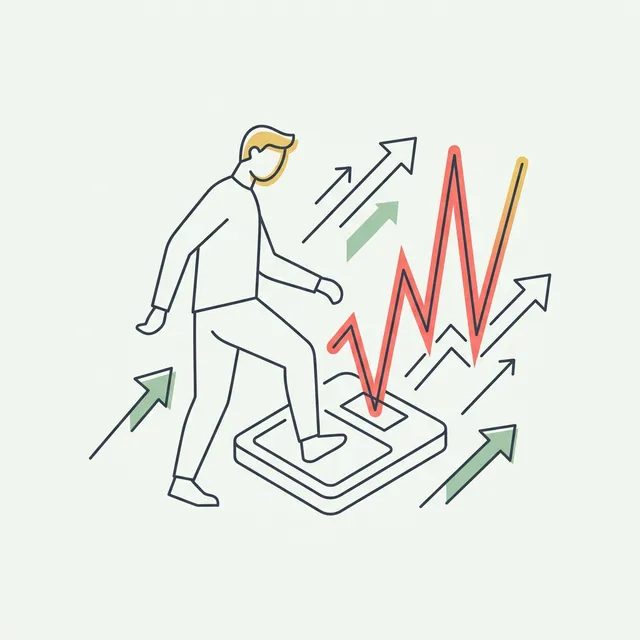
How to Take Progress Photos for Weight Loss (and Why They Beat the Scale)
The scale lies on a 5-day timeline. Photos do not. Here is the exact setup that captures real fat loss versus daily water-weight noise.
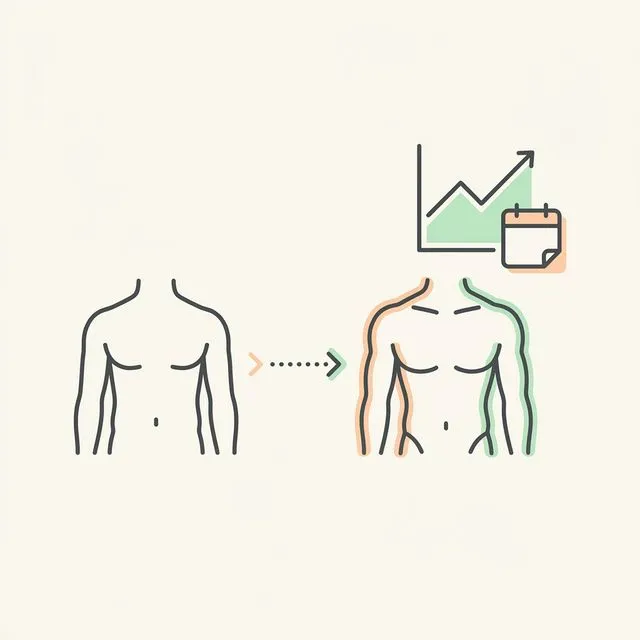
How to Take Progress Photos By Yourself: 5-Minute Setup (No Tripod Required)
A complete solo workflow that works in any room — no spouse with a camera, no $40 tripod, no awkward bathroom mirror selfies. Three real options ranked by how often you'll actually use them.
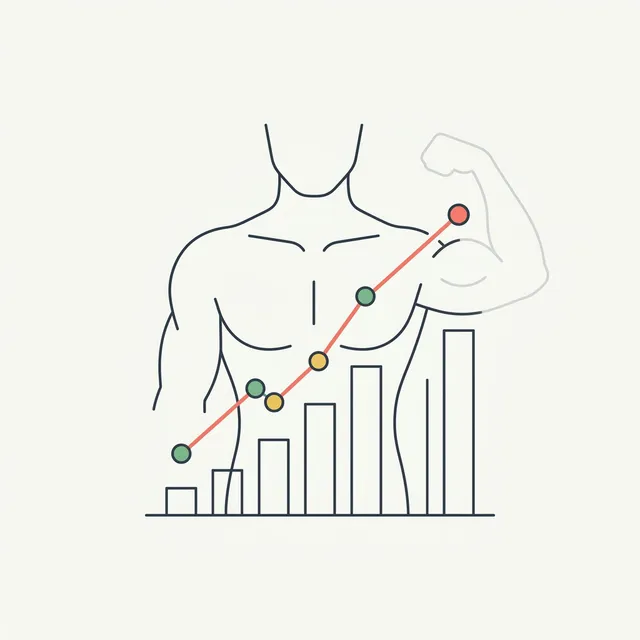
Best Apps to Track Muscle Gain (2026): Workout Logs + Visual Progress — Why You Need Both
Hevy tracks what you lift. That's not the same as tracking whether your body is actually changing. Here's how to close the gap.
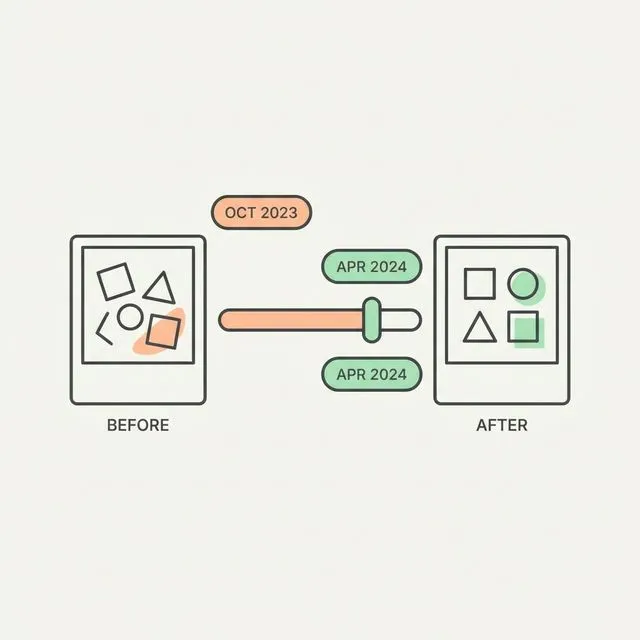
Best Before-and-After Transformation Apps for Women (2026)
Most fitness apps were built for men tracking muscle. Here is what actually works for tracking a female physique transformation.
Best Body Composition Apps for Tracking Progress (2026): Spren, GainFrame, ZOZOFIT & More
From free AI photo analysis to clinical DEXA scans, a no-nonsense buyer's guide to every tool worth using, ranked by accuracy, cost, and how often you'll actually use it.
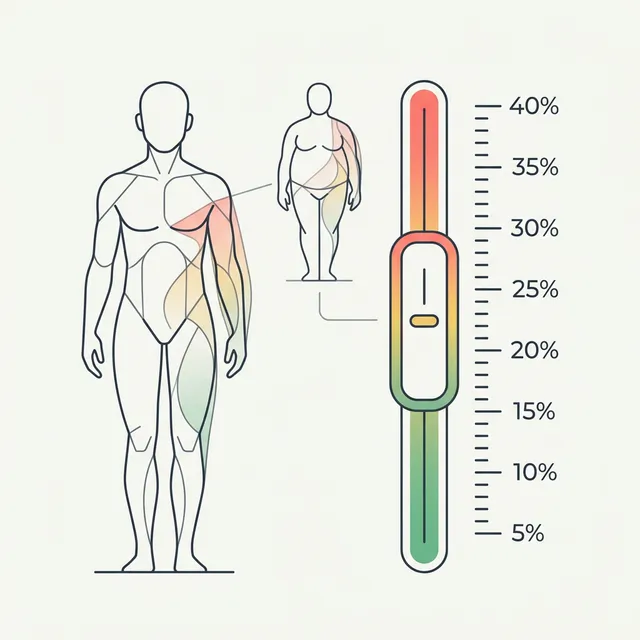
Body Fat % for a Visible Jawline (Men): Targets by Face Type
The gym progress is showing everywhere except your face. Here's the actual BF% you need for jaw definition, and why it depends on more than just the number.

Best AI Body Transformation Apps (2026): 6 Trackers Tested & Ranked
Six apps tested for photo tracking, AI analysis, and measurements — ranked for gym-goers who want visual proof, not just a photo album.
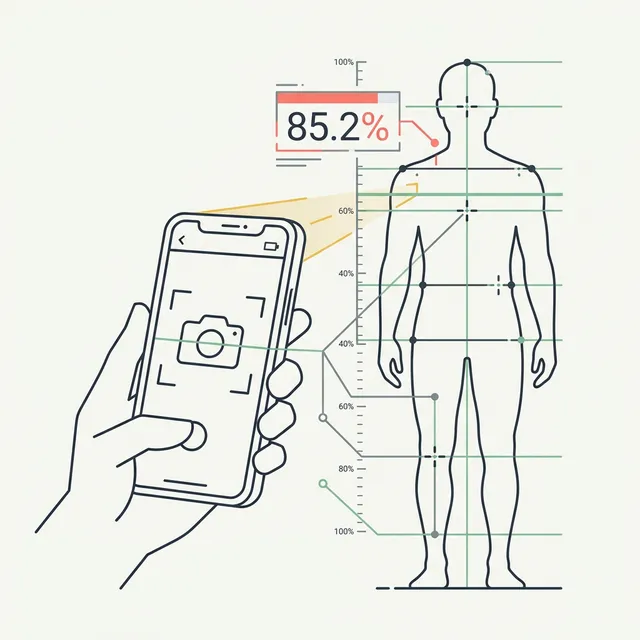
How to Estimate Body Fat % from a Photo: Visual Markers + AI Method
No calipers, no scales, no DEXA required. Here is what to actually look for in a progress photo — and how AI makes it instant.
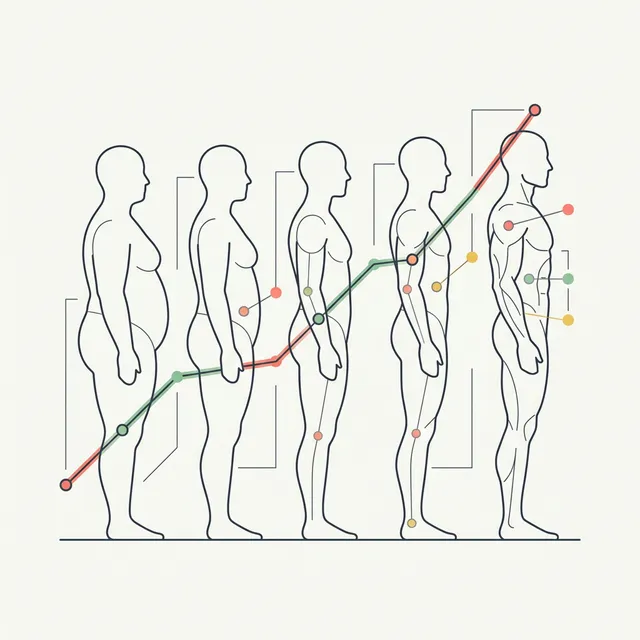
How to Track Muscle Gain Progress: 5 Methods Ranked (Photos, Measurements, DEXA & AI)
From free progress photos to clinical DEXA scans — here are the five best methods for tracking muscle gain, ranked by how easy they actually are to use consistently.
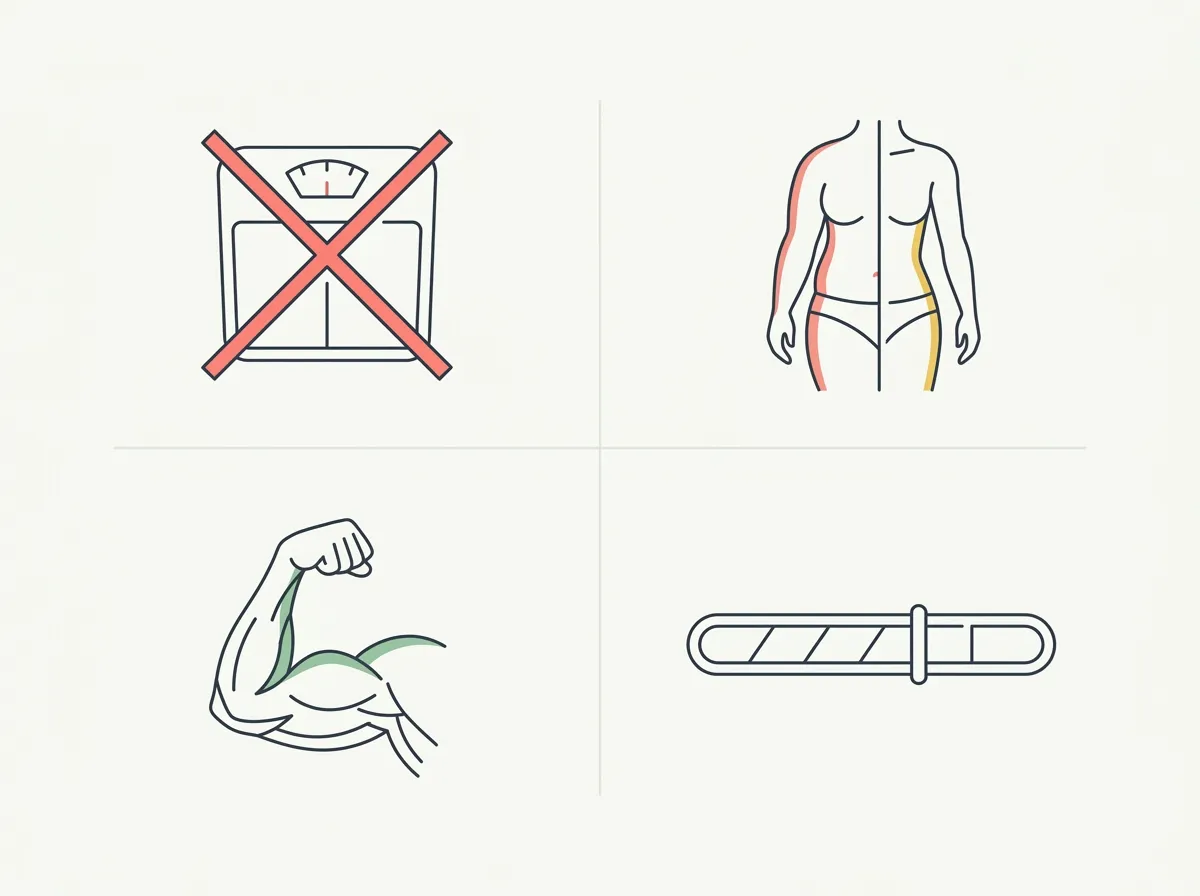
Body Composition for Lifters: BMI, FFMI, Lean Mass, and Body Fat % Explained
The four body composition metrics every lifter should understand — what each one measures, how they interact during a cut or bulk, and which ones actually matter for your goals.
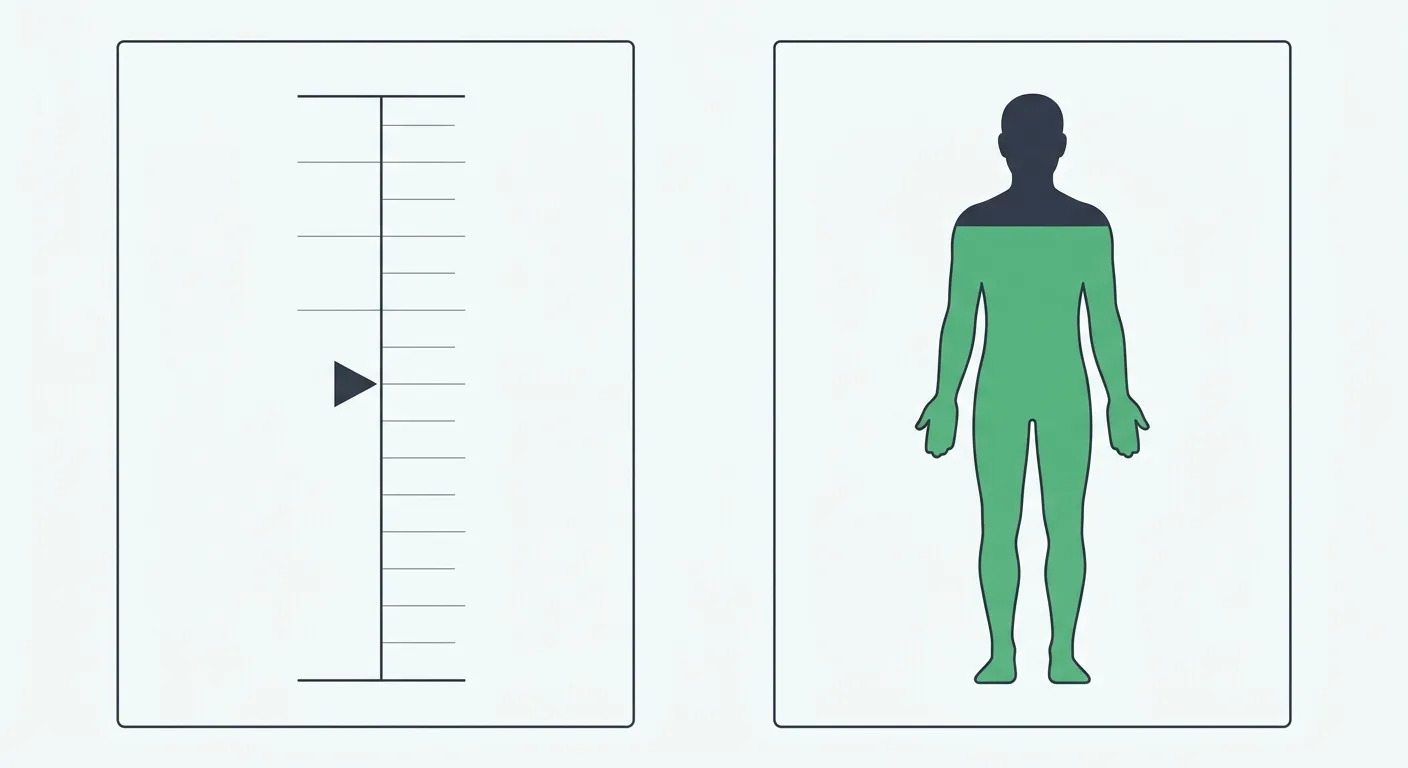
Body Fat % vs BMI: Which Number Actually Matters for Lifters?
BMI puts a 220 lb powerlifter in the
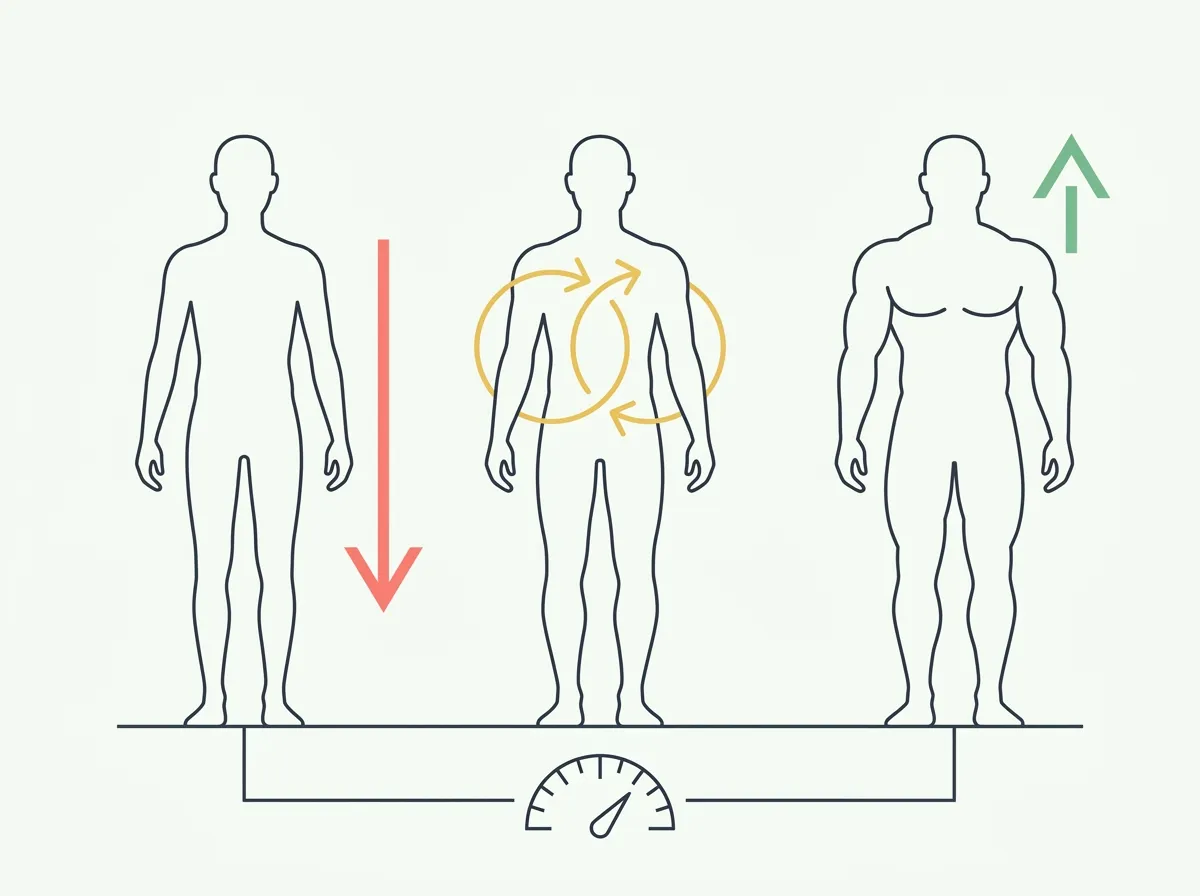
Bulk, Cut, or Recomp: Which Should You Actually Choose?
The no-BS decision framework for intermediate lifters: when to bulk, when to cut, and when body recomposition is actually viable — based on body fat %, training age, and what the scale can

FFMI Chart: Where Do You Actually Fall? (Men & Women)
The full FFMI reference chart for men and women - with what each tier looks like in practice, where the natural limit sits, and how to use FFMI to track muscle growth over time.
Download GainFrame today
Sign up for early access and be the first to know when GainFrame goes live.