Useful fitness answers, without the noise.
Evidence-minded guides for people who care more about visible progress than another number on the scale.

Reading about progress is useful. Seeing yours is better.
Turn one gym photo into body-fat, FFMI, and muscle-group trends, then keep the signal going with consistent check-ins.
4.9 ★ from 35 ratings · 5,000 lifters · Private by design
Latest articles
Practical guidance on body composition, progress photos, training, and the work behind GainFrame.
Showing 151–180 of 253 posts
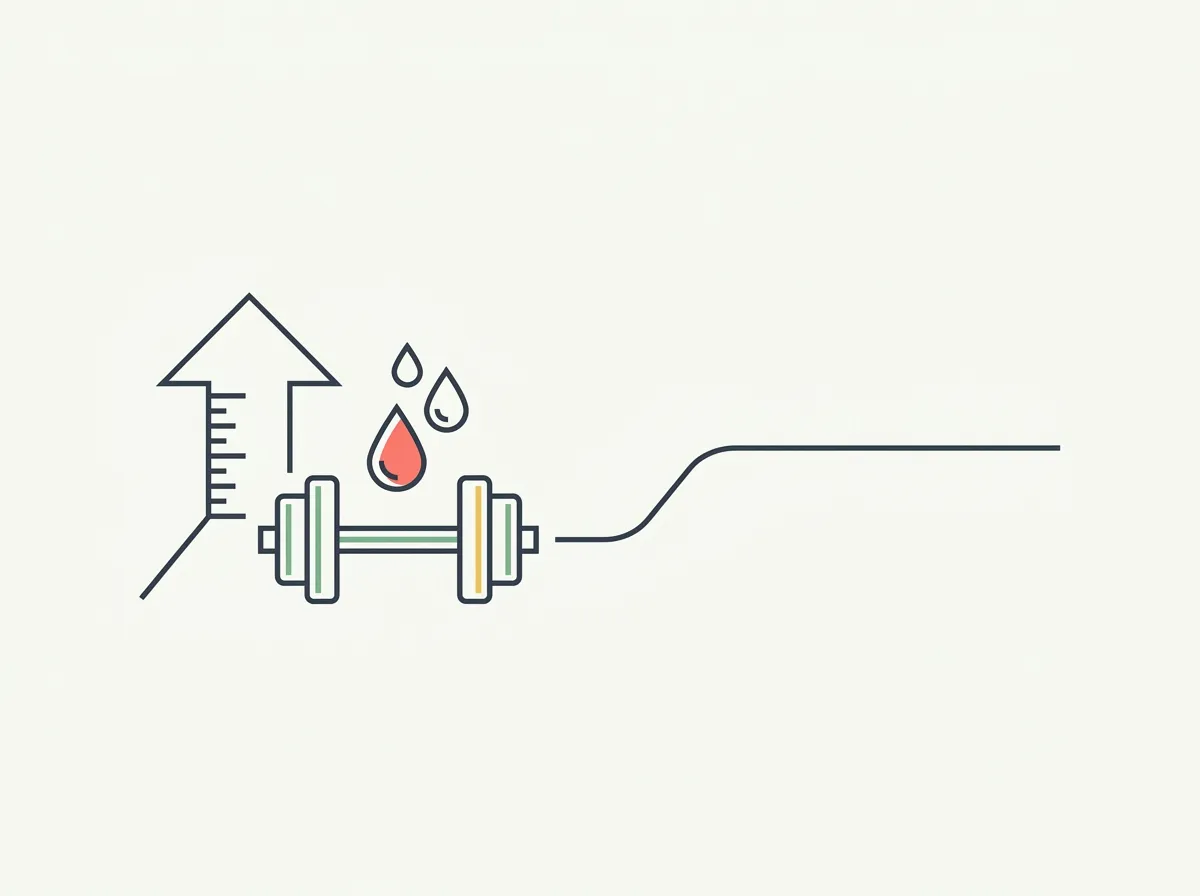
Why Your Weight Goes Up When You Start Lifting (It's Not Fat)
You started training to look better and the scale went up. That's not failure — it's glycogen, water, and muscle repair doing exactly what they're supposed to do. Here's the timeline, and the one honest check for when it really is fat.
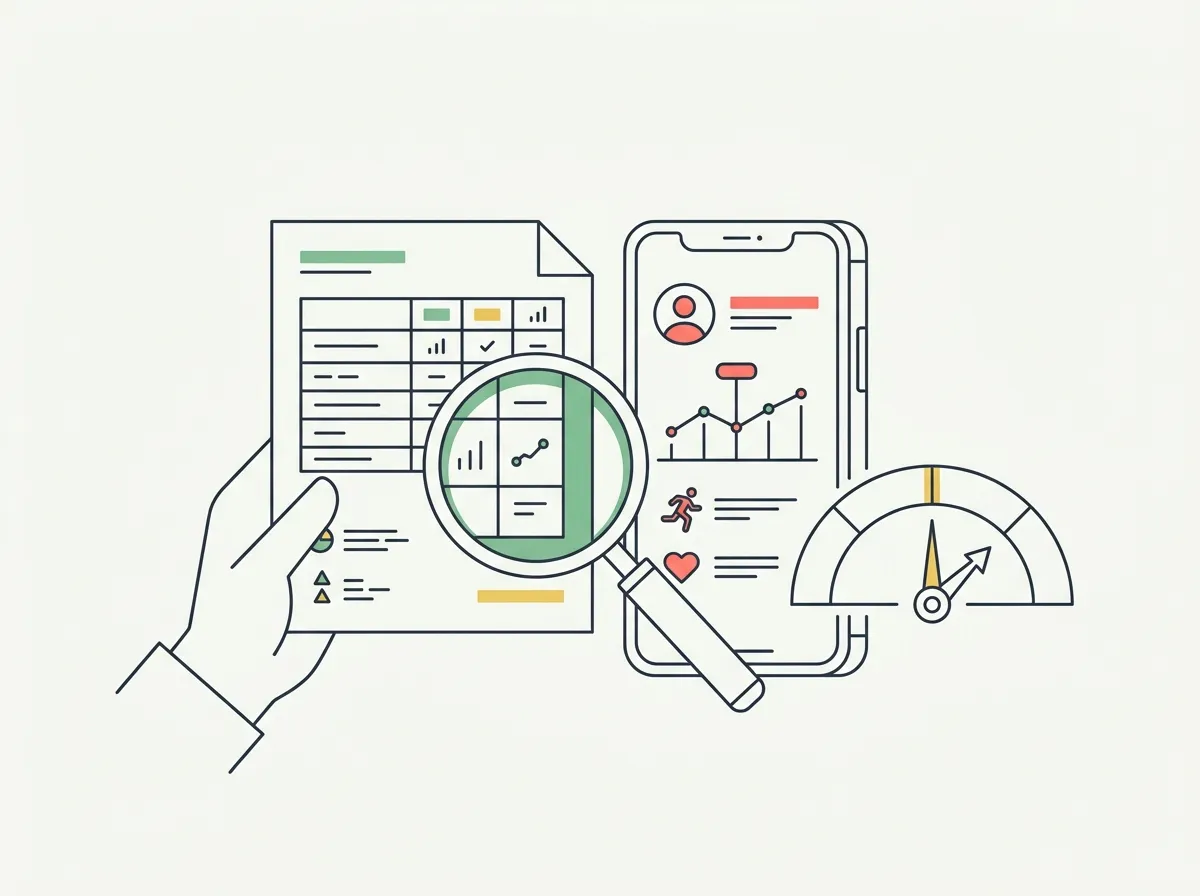
An AI Idea Validator Scored My Live App 66/100
It stamped 'nice to have' on the problem I spent a year building for, and got three things right that cost me $5,674 and four months to learn the hard way.
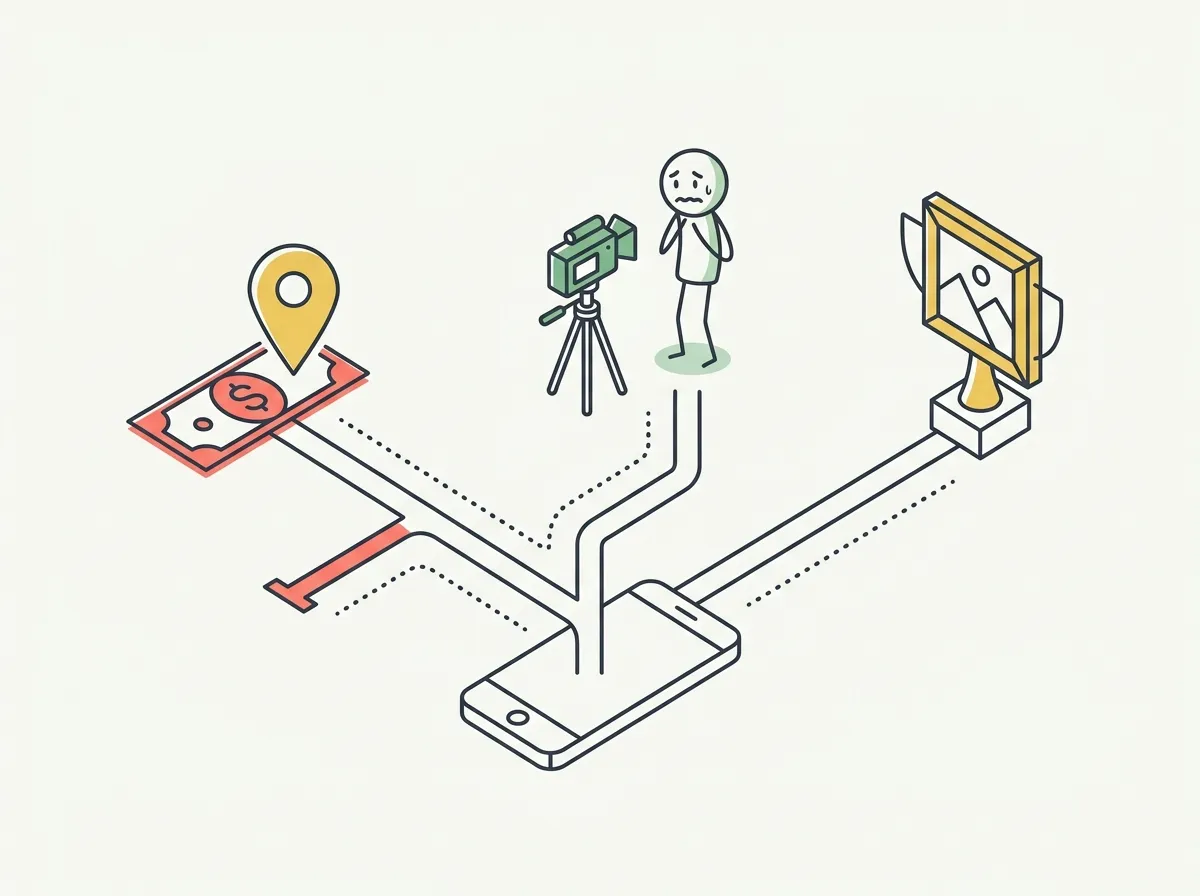
Paid Ads Didn't Work, So I'm Trying Weirder Stuff: 3 Marketing Experiments
A $150 cash-drop sponsorship that flopped in 48 hours, a 30-day challenge that puts me on camera, and a $450 transformation contest that just went live.
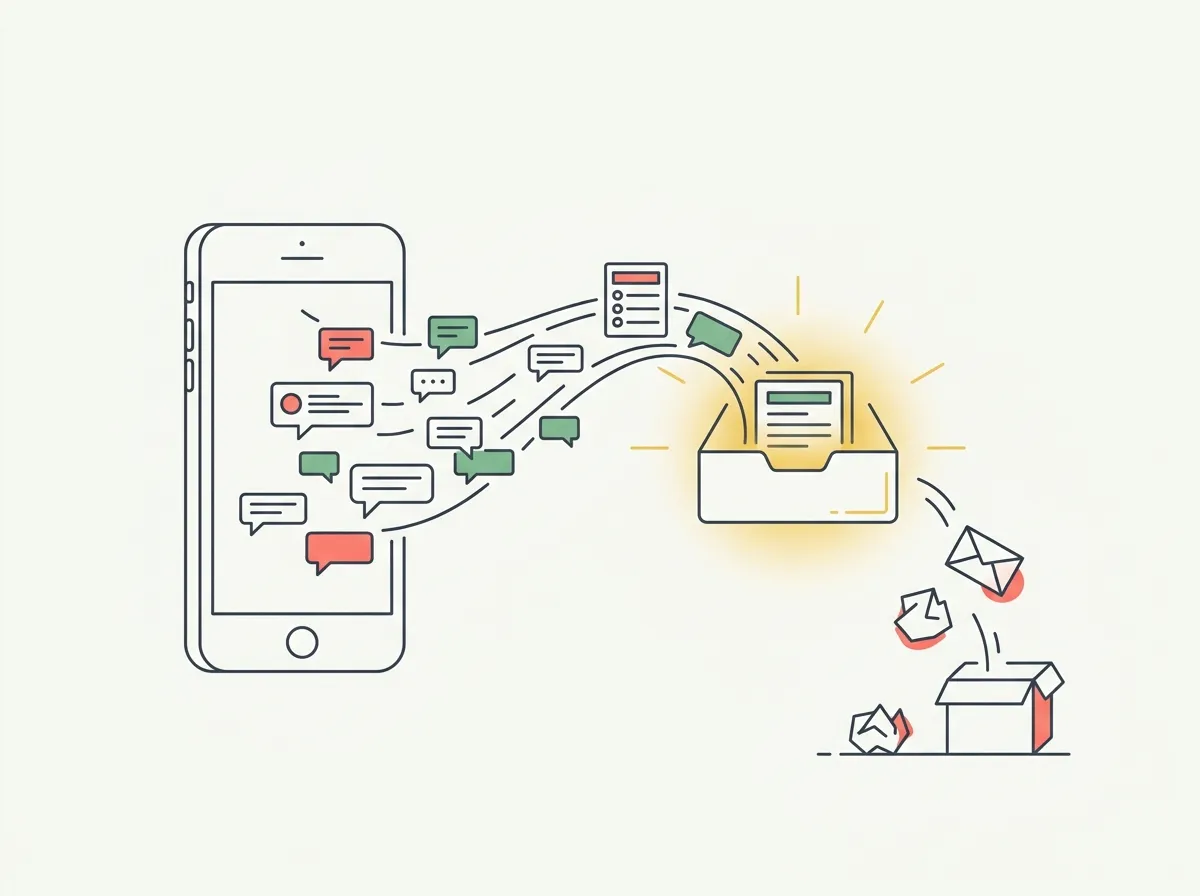
In-App Surveys Got 189 Responses. My Cancel Emails Got Zero.
I've now tried four different ways to get GainFrame users to talk to me. Here are the numbers on all four, including the two that flopped.
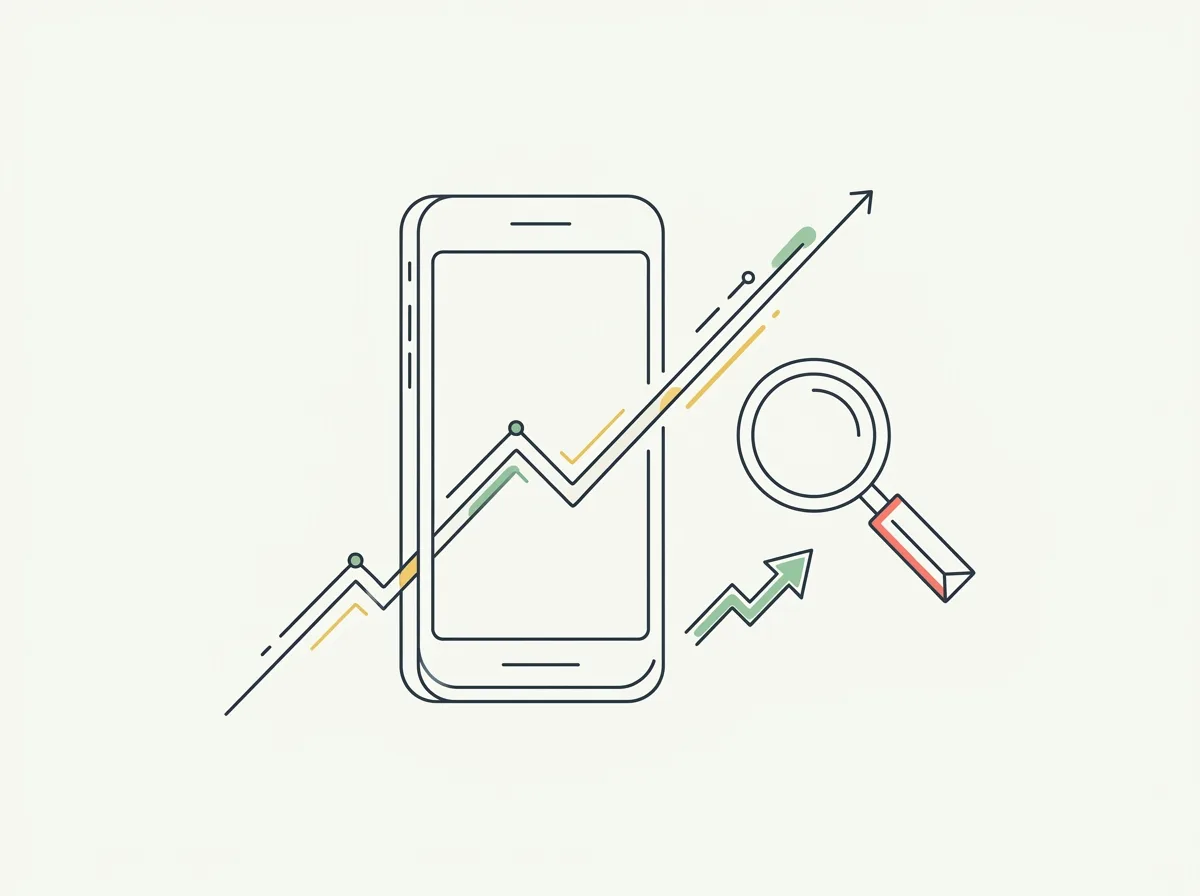
How I Grew My App's Organic Traffic 15x in 90 Days
Real Search Console and Analytics numbers on going from 7 to ~100 organic clicks a day with zero paid spend — what worked, what didn't, and the channel I couldn't buy.
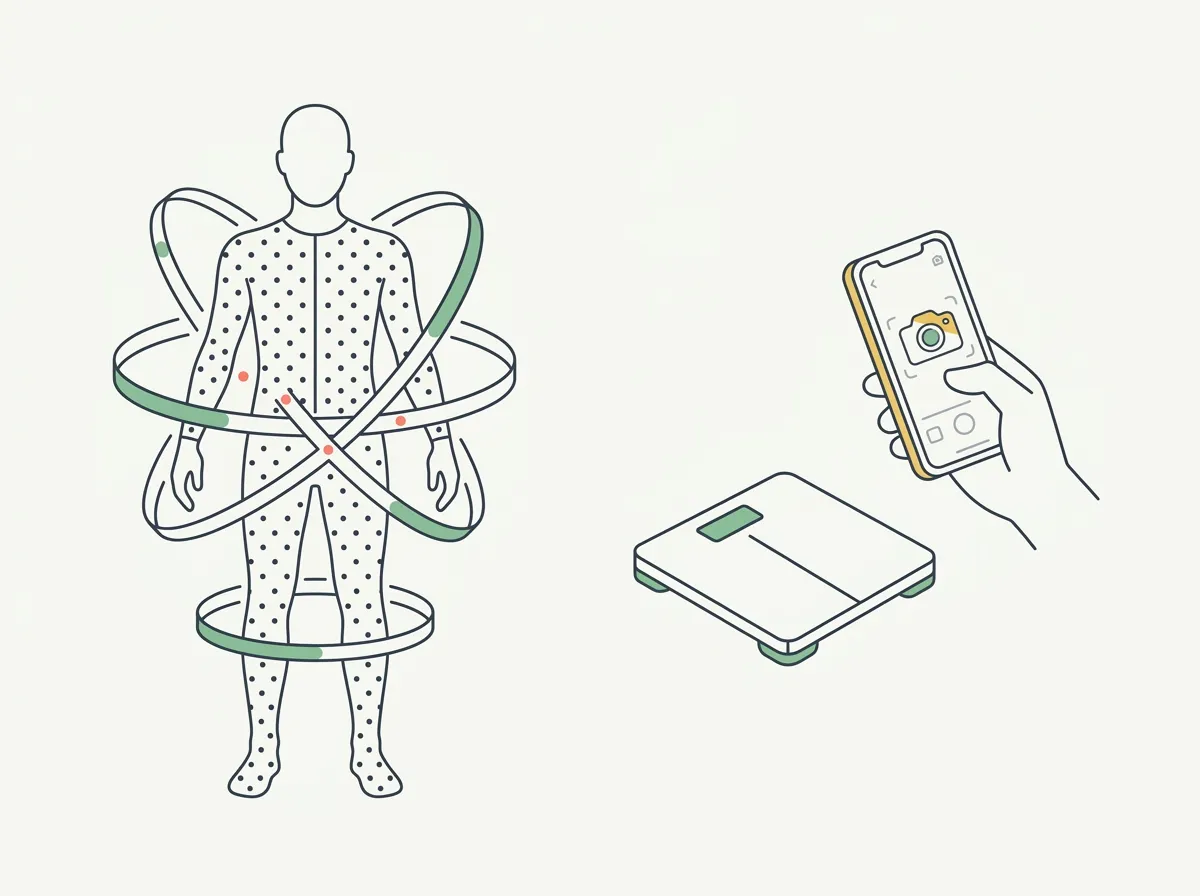
Best ZOZOFIT Alternatives in 2026: 6 Options Ranked
ZOZOFIT went suit-free and cheap, but it's still a scan ritual on a subscription. Here are the six best alternatives, from free 3D scanning to AI photo analysis, ranked by what each actually does better.
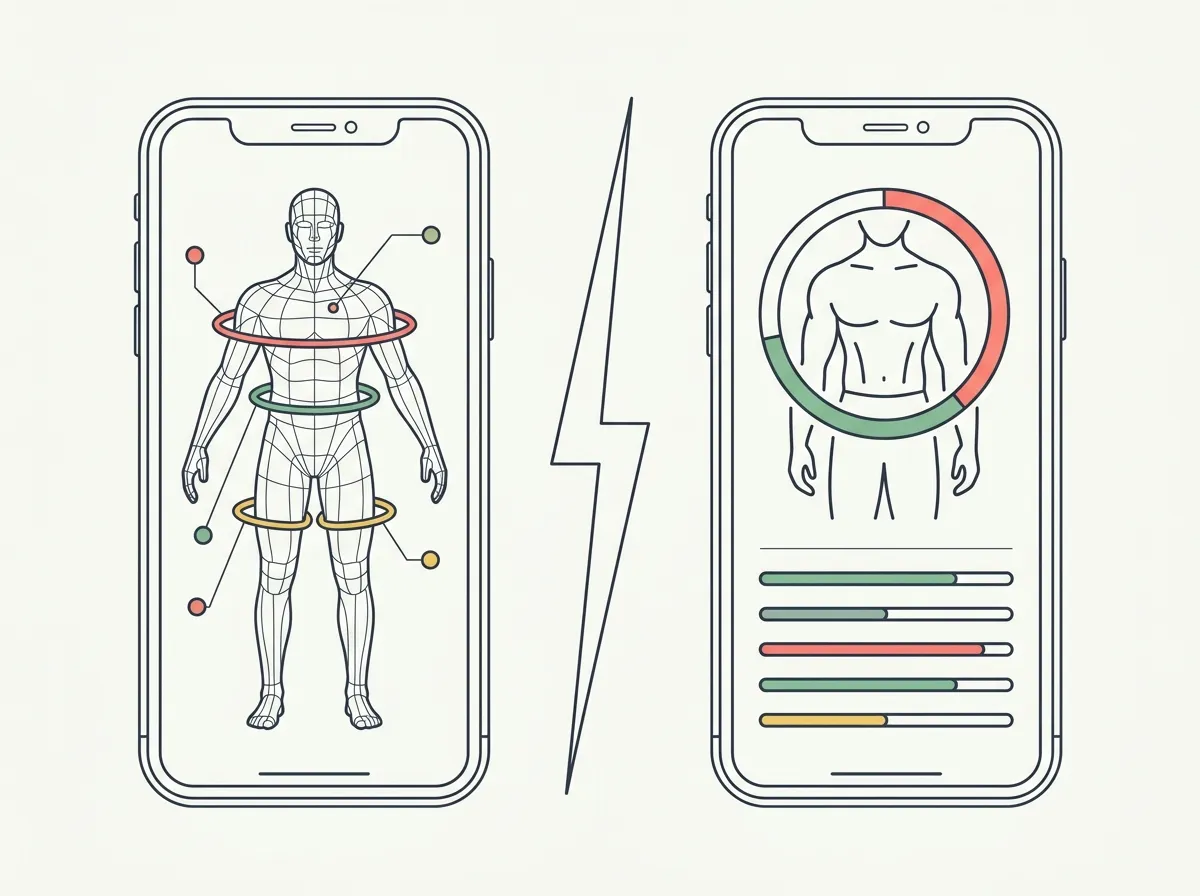
MeThreeSixty vs GainFrame (2026): 3D Avatar or AI Photos?
MeThreeSixty turns two poses into a measured 3D avatar. GainFrame turns your actual photos into scores. Both are good — at different jobs. Here's how to pick.
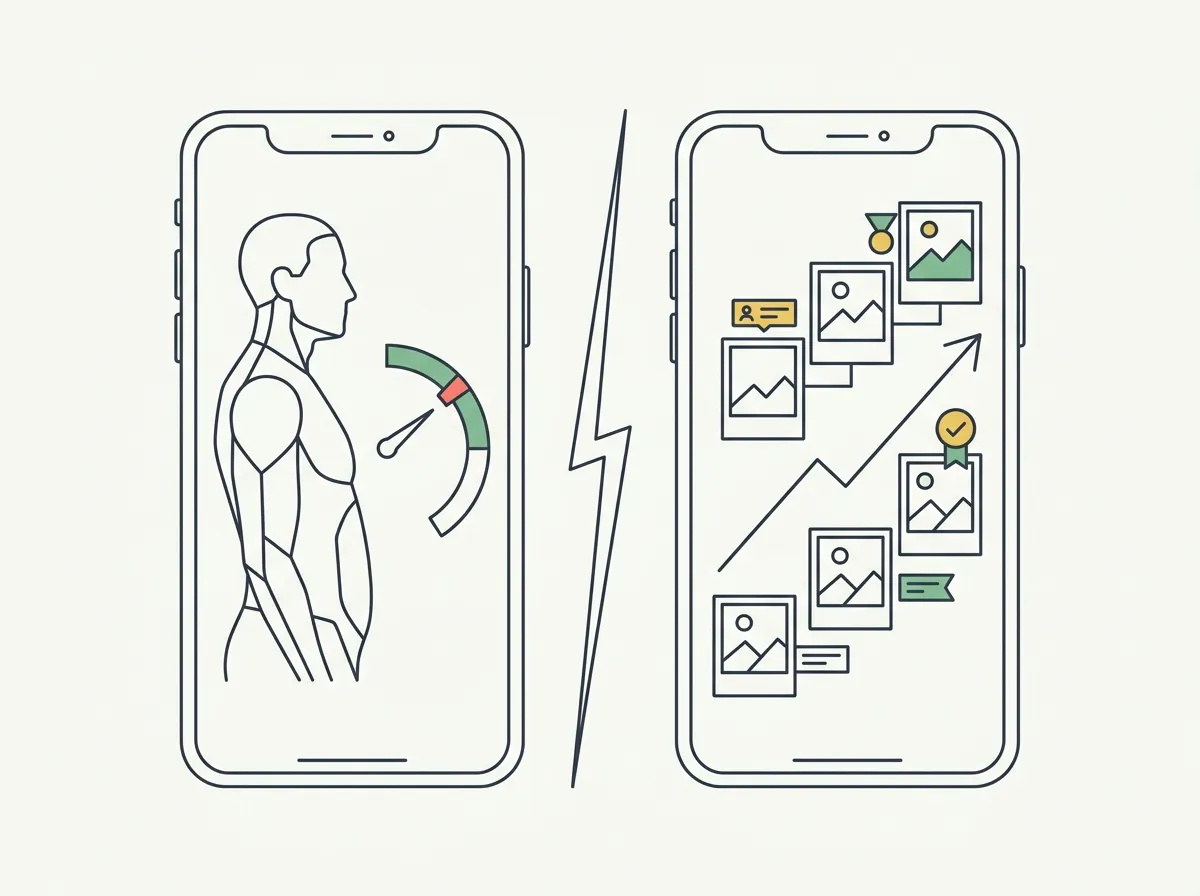
Recomp AI vs GainFrame (2026): Which AI Body Tracker Fits?
Recomp AI and GainFrame are both AI-first apps aimed at the same person: someone losing fat and building muscle at once. One is built around the scan, the other around the timeline. Here's what that difference means.
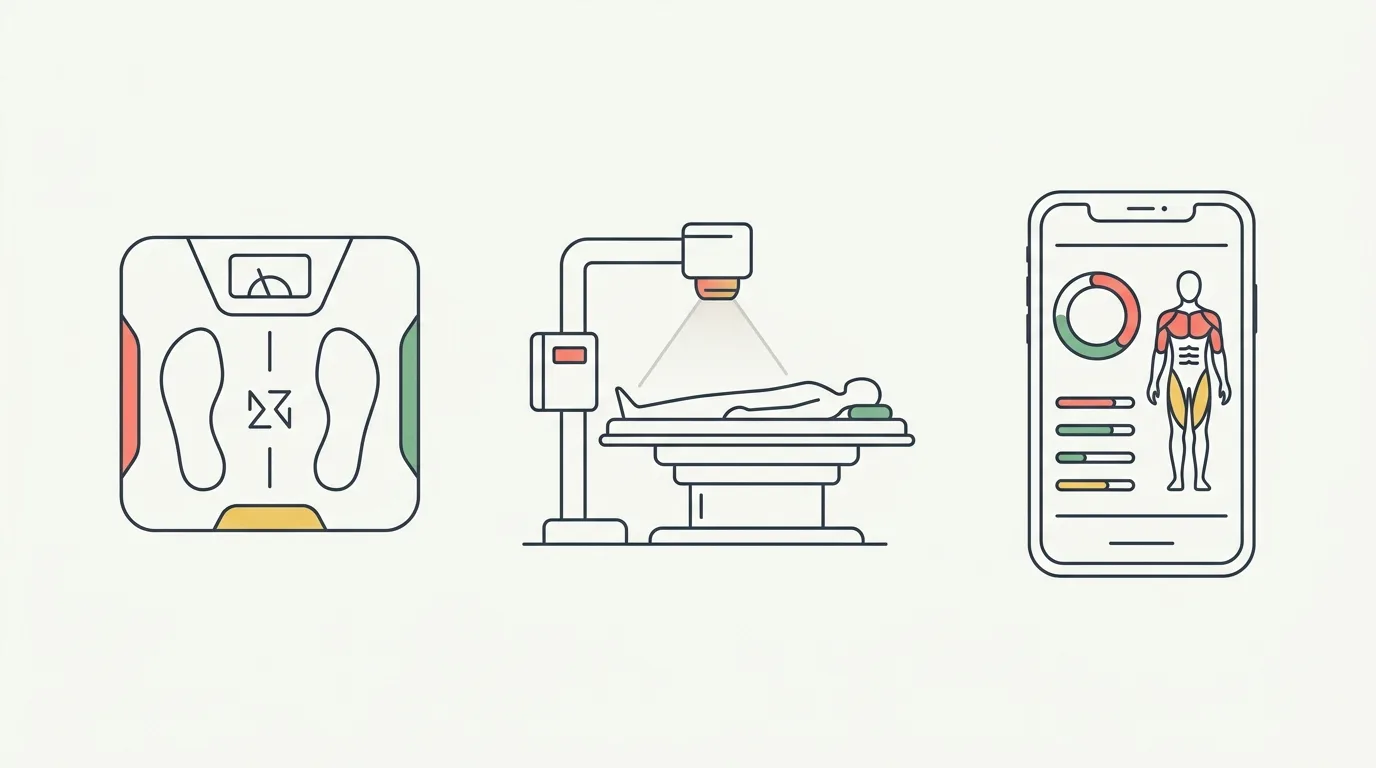
Best InBody Alternatives (2026): Scales, DEXA & AI Apps Ranked
InBody machines live at the gym and the home version isn't cheap. Here are the best at-home alternatives - BIA scales, DEXA, and AI photo apps - ranked by what each is actually good for.
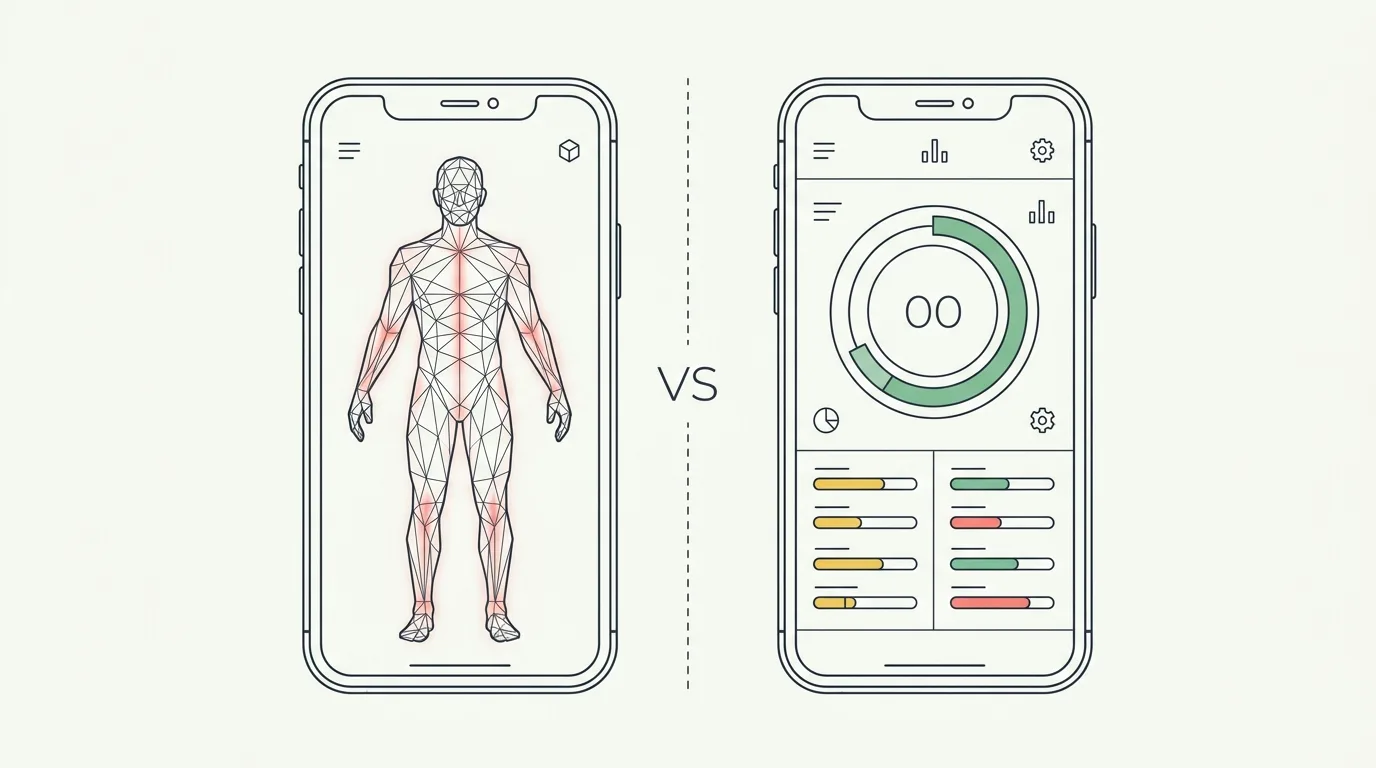
FitnessAI BodyScan vs GainFrame (2026): Honest Comparison
FitnessAI BodyScan and GainFrame both estimate body fat from your phone. One is a 3D scan module inside a workout app; the other is built body-composition-first. Here's what actually differs.
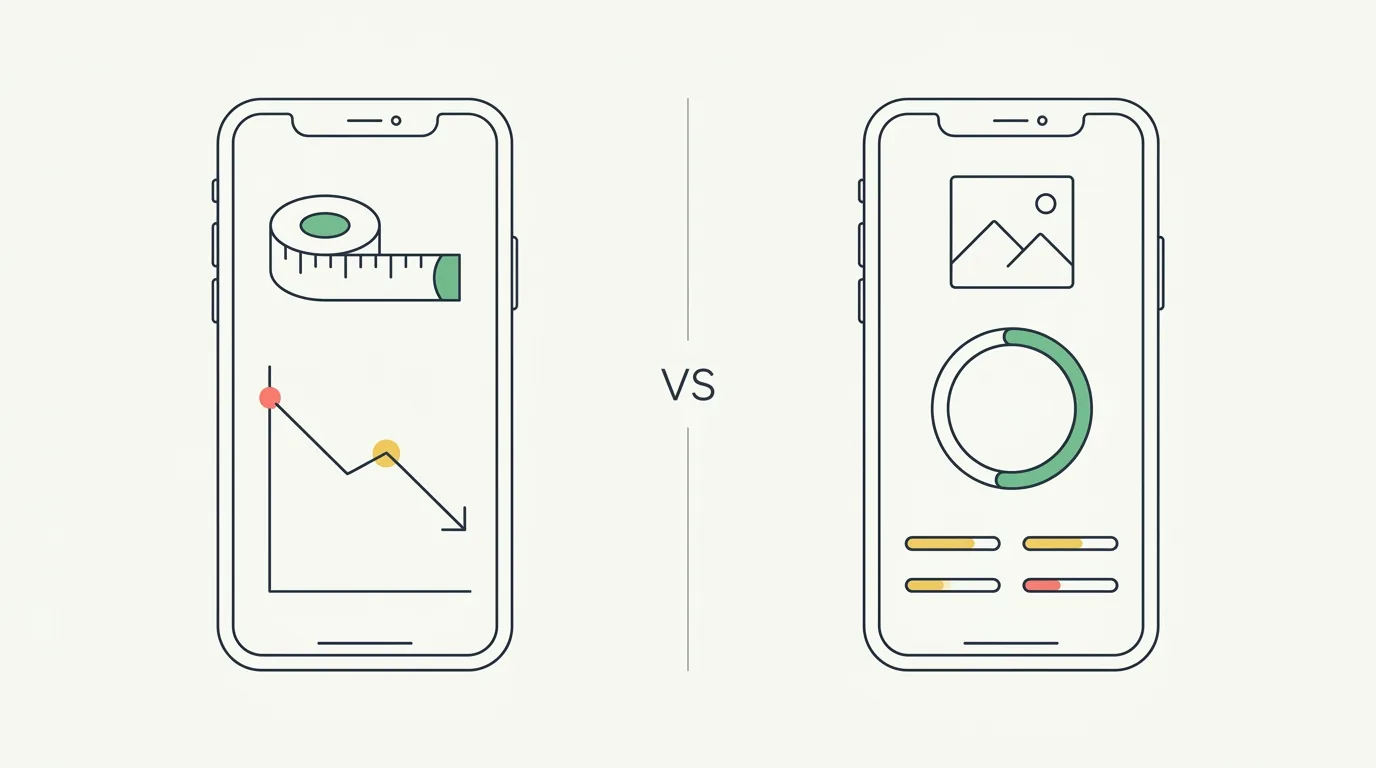
Progress App vs GainFrame (2026): Which Tracker Fits Your Goal?
Progress is a proven weight-loss tracker built on manual measurements and photos. GainFrame is AI body composition built for lifters. They aim at different goals — here's how to pick.
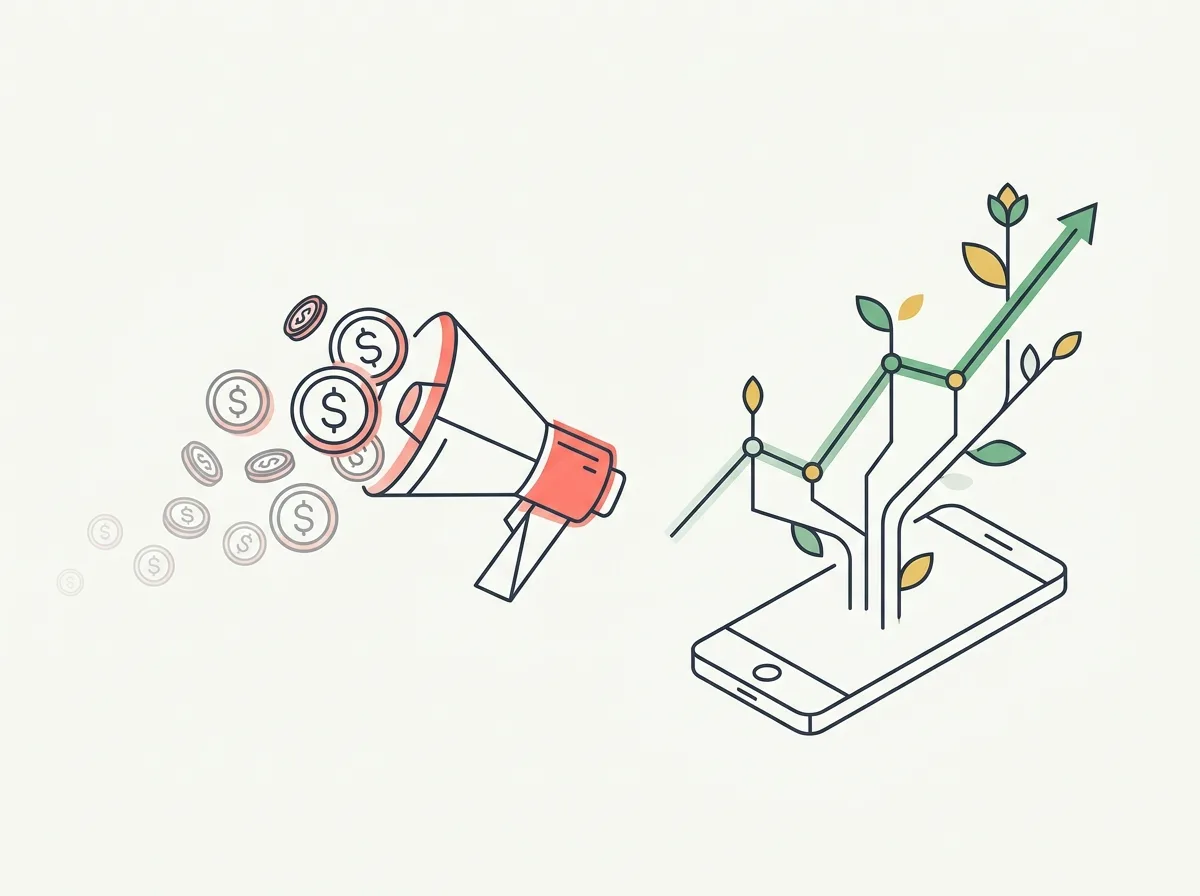
I Spent $5,674 on App Ads. Here's Why I Stopped.
Real numbers on $5,674 of paid ad spend, why the unit economics never worked, and how going back to organic TikTok and SEO grew MRR from stuck to $787.
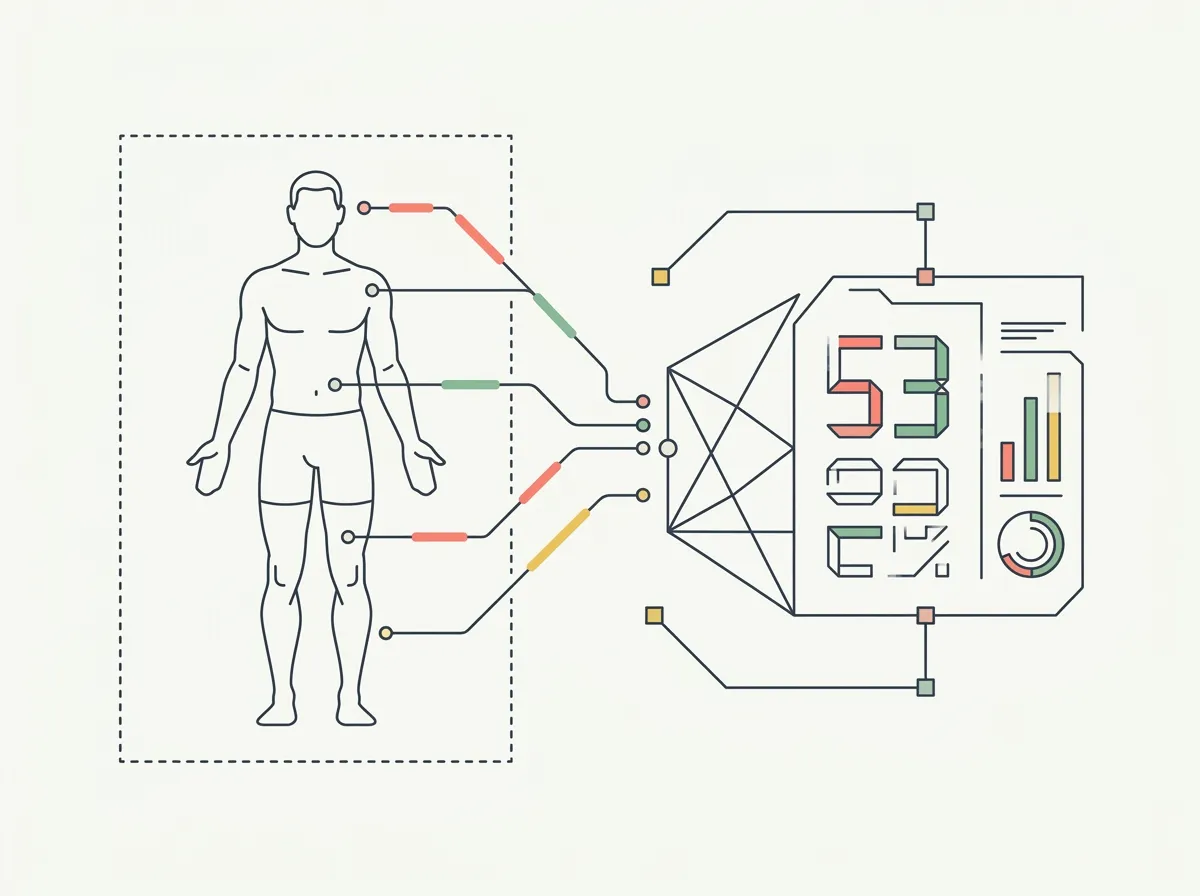
How to Calculate Body Fat From a Photo Using AI (2026 Guide)
Frustrated by smart scales changing your body fat percentage based on how much water you drank? Measuring body fat from a photo using AI is the most reliable way to track your true physique progression — here is how it works, how accurate it is, and how to do it right.
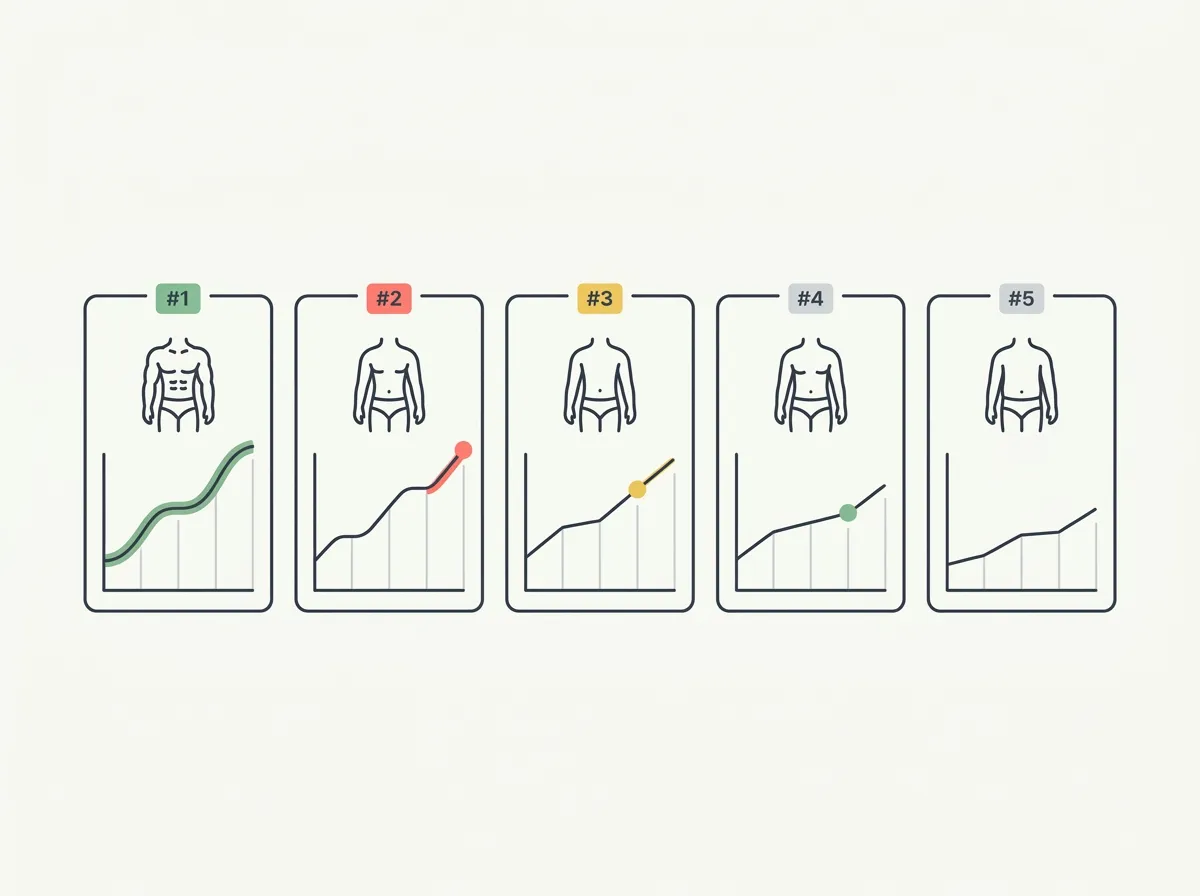
7 Best Body Transformation Apps in 2026 (Ranked & Compared)
Most progress photo apps feel like they were built in 2018 and never updated. We tested every major option to find which ones actually help you track a body transformation — and which ones are wasting your time.
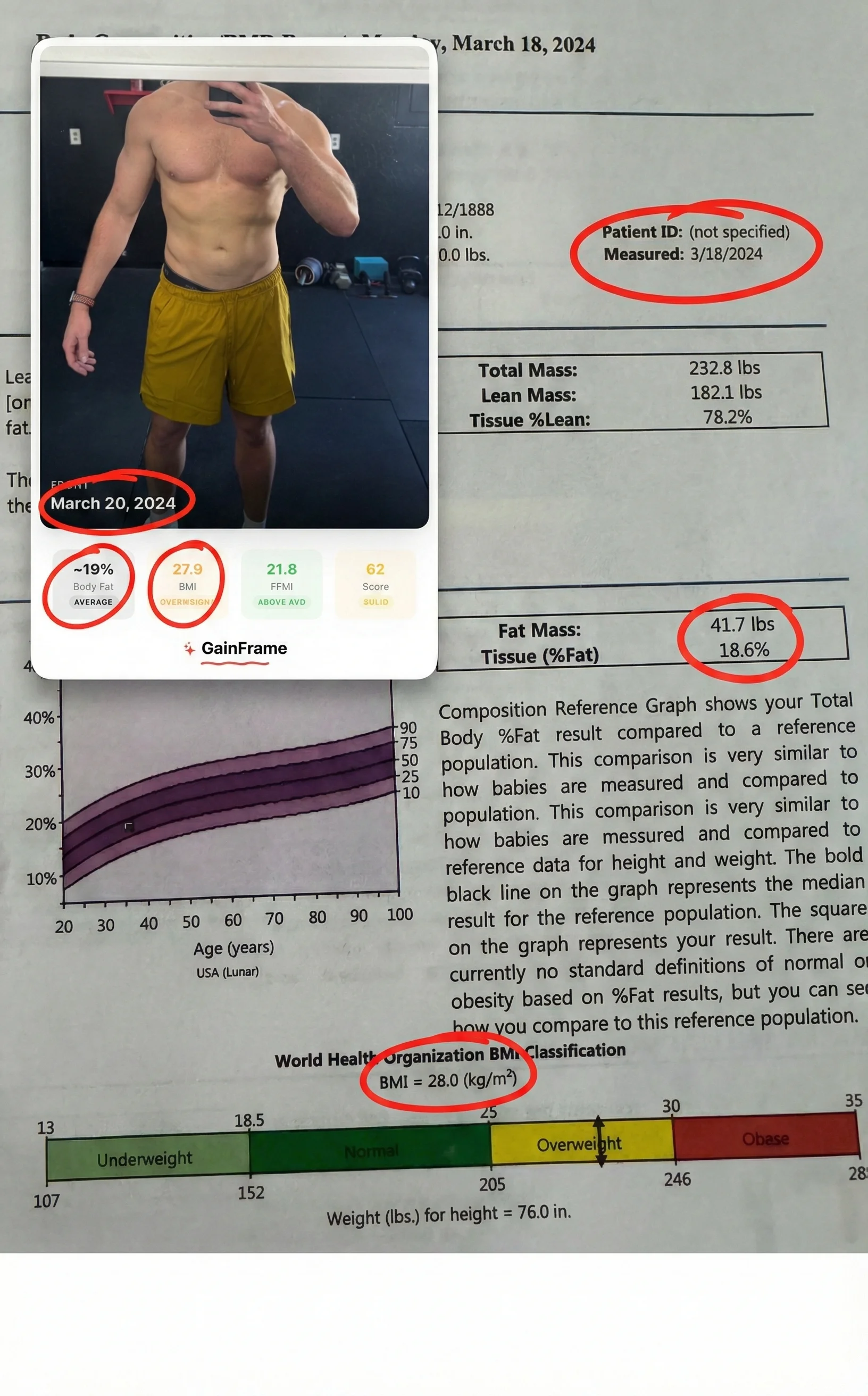
DEXA Scan Alternative: 6 Options Ranked by Cost, Accuracy & Convenience
DEXA is the gold standard - but at $100-$150 per scan, you can't afford to go monthly. Here are every realistic alternative, ranked.
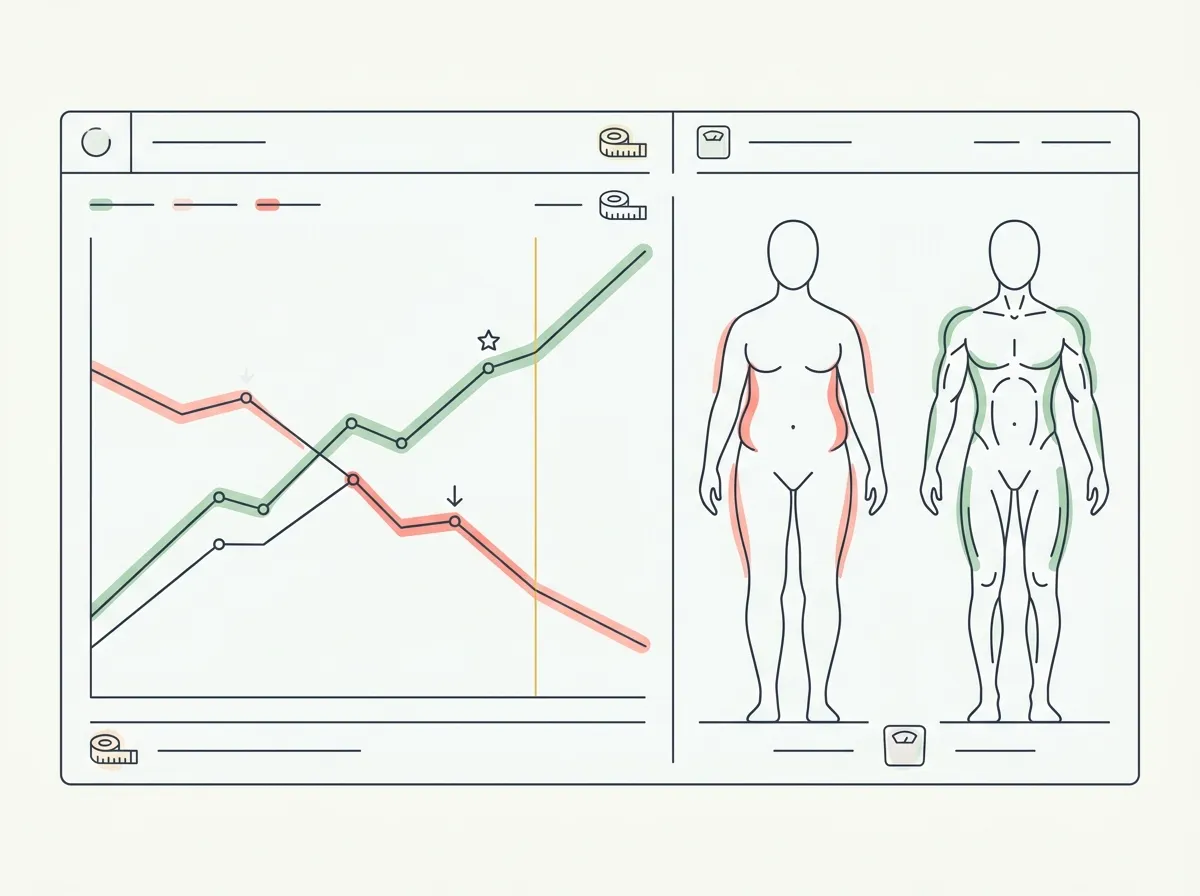
Best Body Recomposition Apps in 2026: 6 Tools Tested & Ranked
No single app does body recomposition end to end. The trick is knowing which job each one is actually good at: measurement, nutrition, or training.
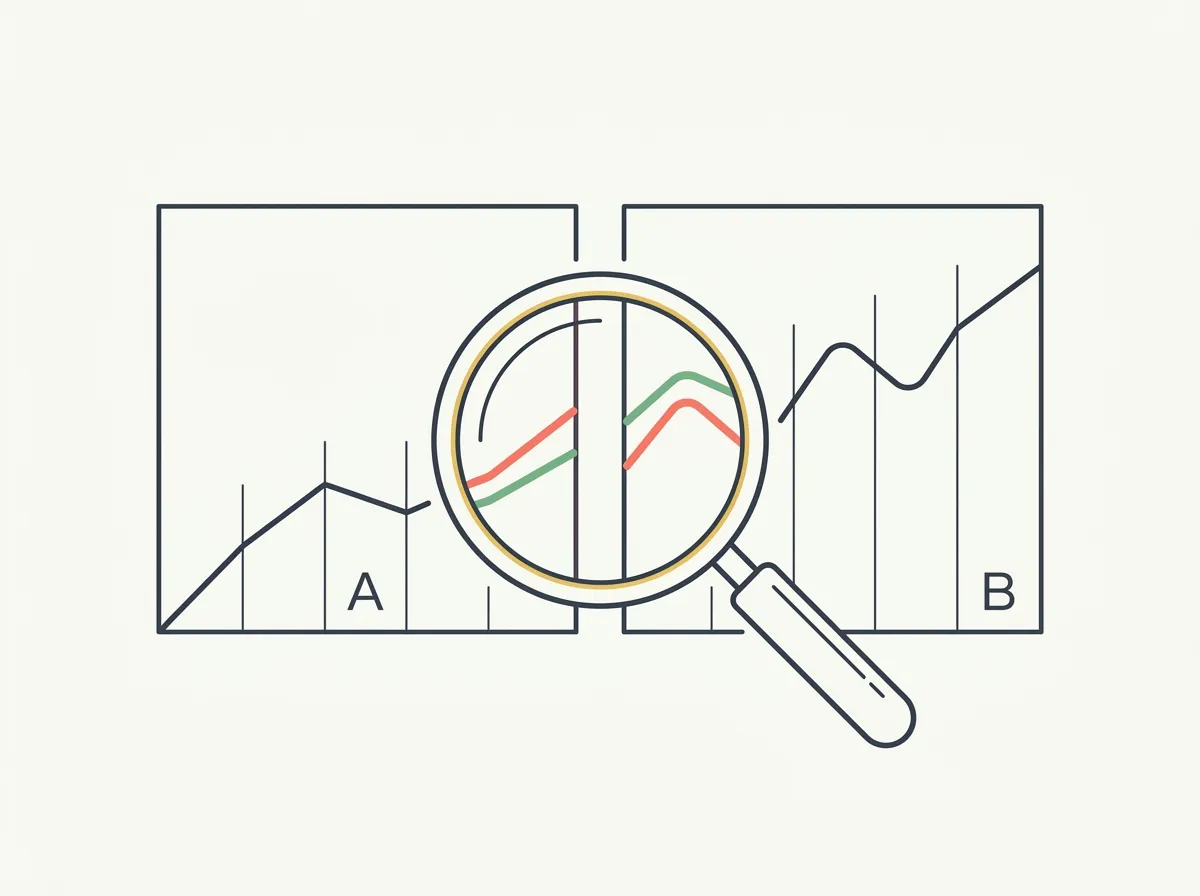
How to Run a 2-Week Body Experiment to See What Actually Works
Most people change five things at once and conclude nothing. A controlled two-week experiment isolates one variable so you get a real answer.
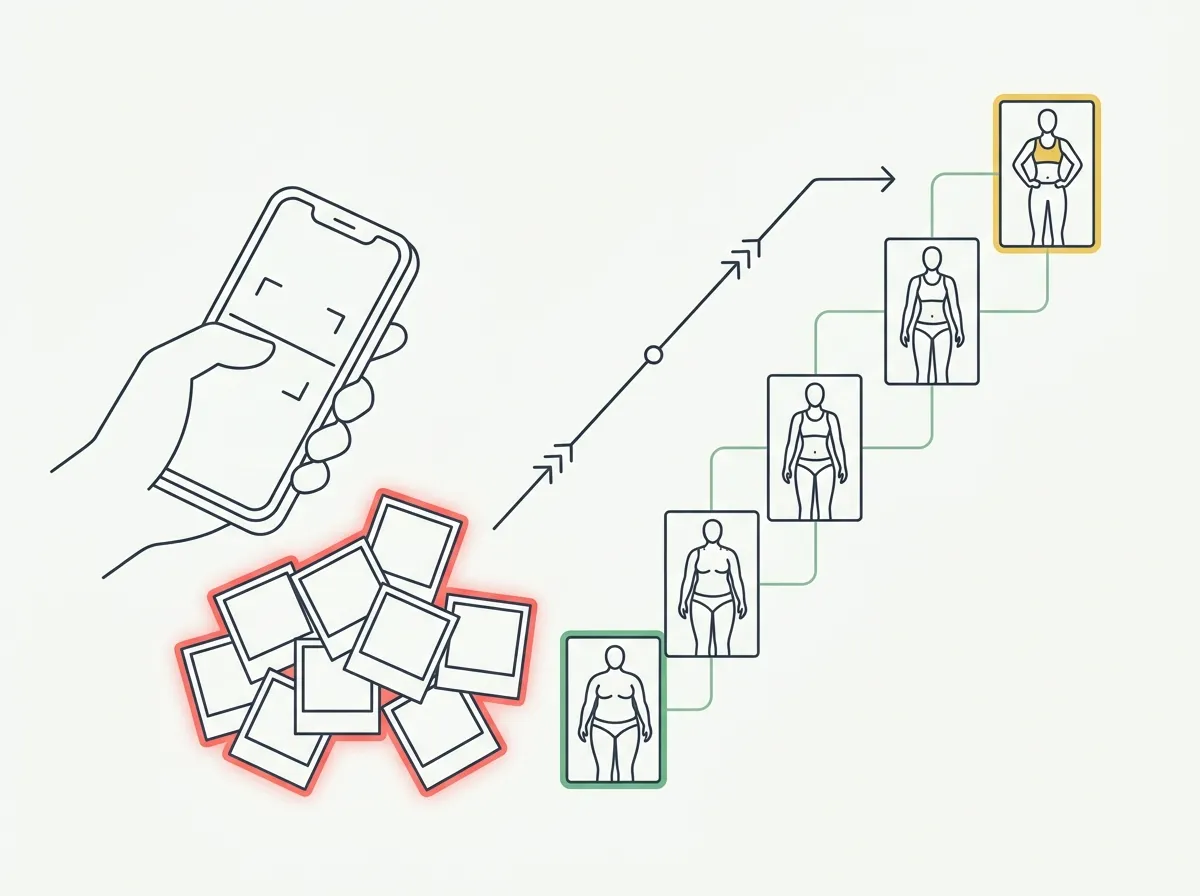
Import Progress Photos Into a Body Transformation Timeline
Most progress-photo apps make you start from day one. But the photos that prove your progress are already in your camera roll — here's how to use them.
Personalized AI Fitness Coach: What 'Personalized' Should Actually Mean
Every AI fitness app calls itself 'personalized.' Most of them mean: we asked you three questions during onboarding. Real personalization is built on data the AI can actually see — every time you talk to it. Here's what to look for.
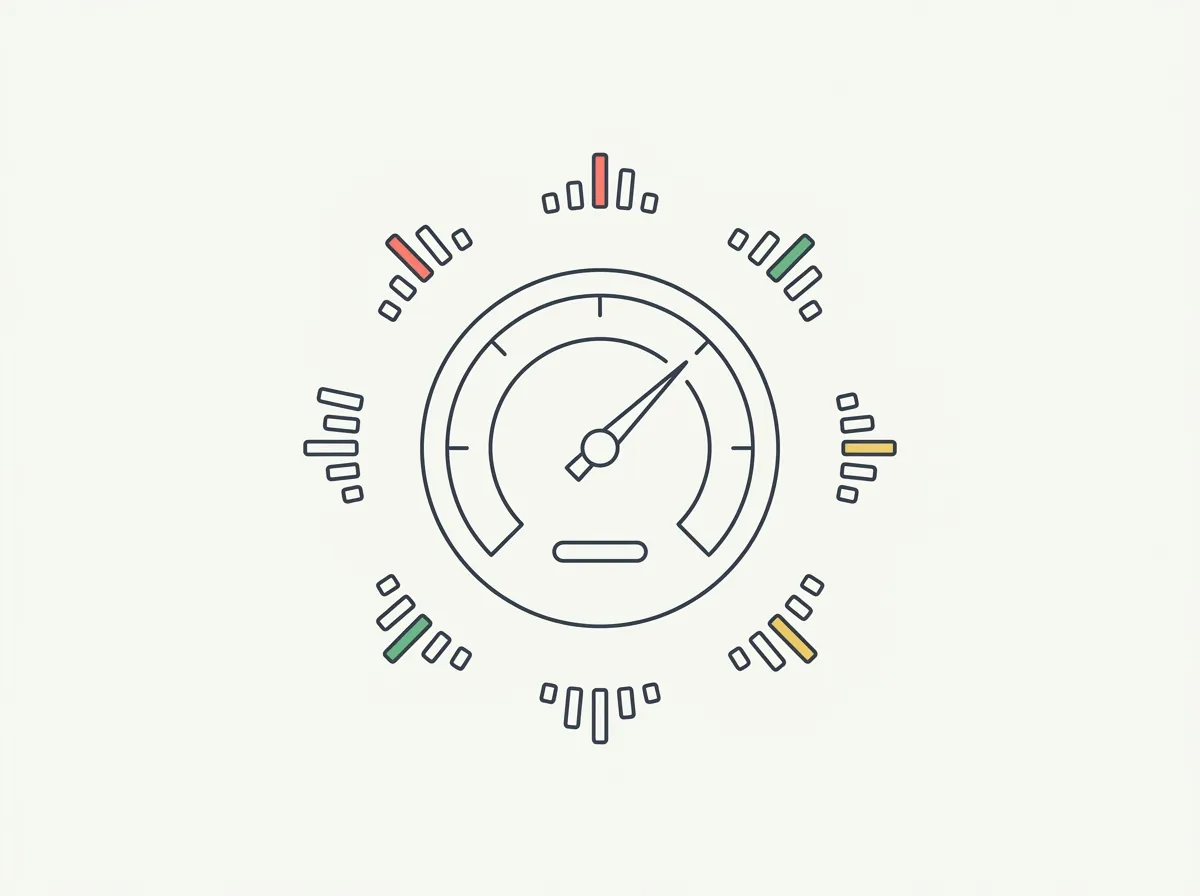
Recovery Score for Lifters: When to Train Hard and When to Back Off
A recovery score is a readiness signal, not an order. Here's how a lifter chasing a physique should actually use one.
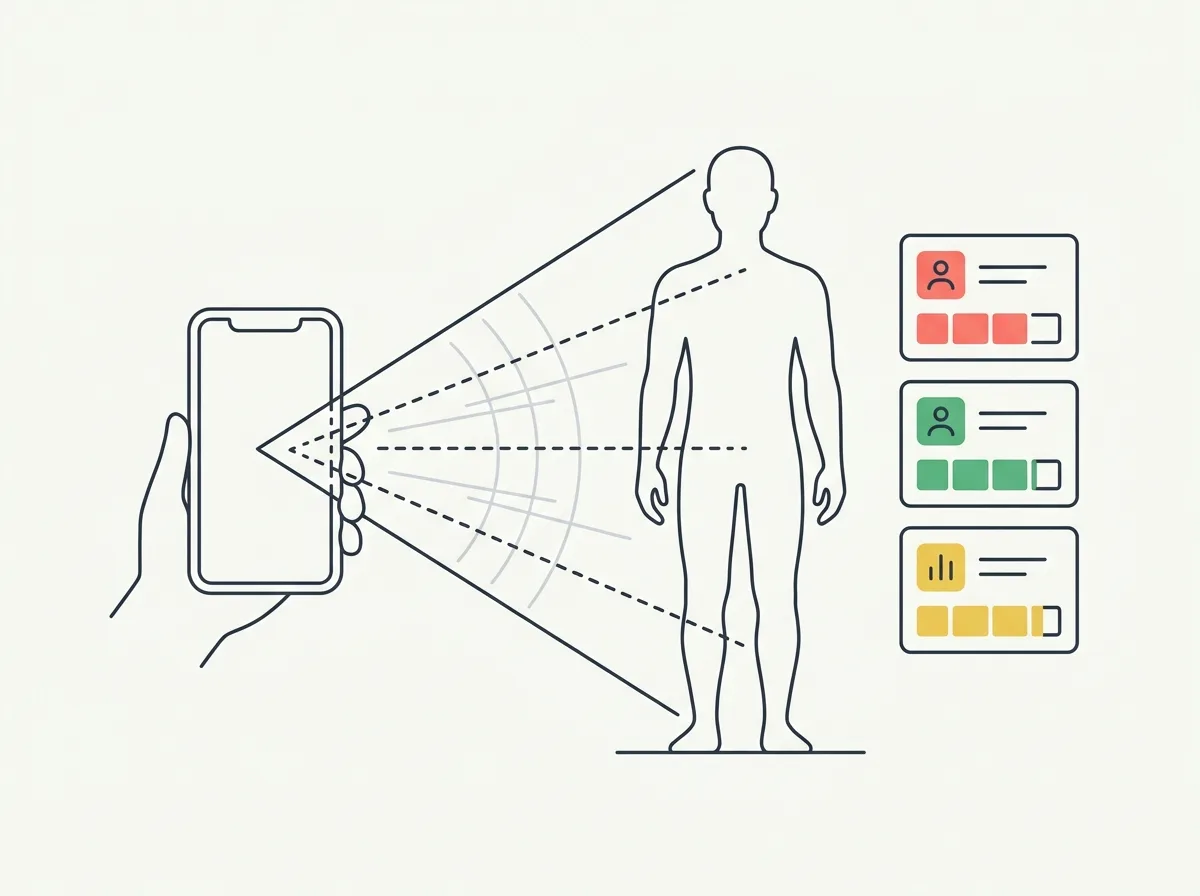
6 Best Body Fat Scanner Apps in 2026 (Tested & Ranked)
No calipers, no hardware, no $150 DEXA appointment. We tested the body fat scanner apps that estimate your body fat percentage straight from your phone camera — and checked the top one against an actual clinical scan.
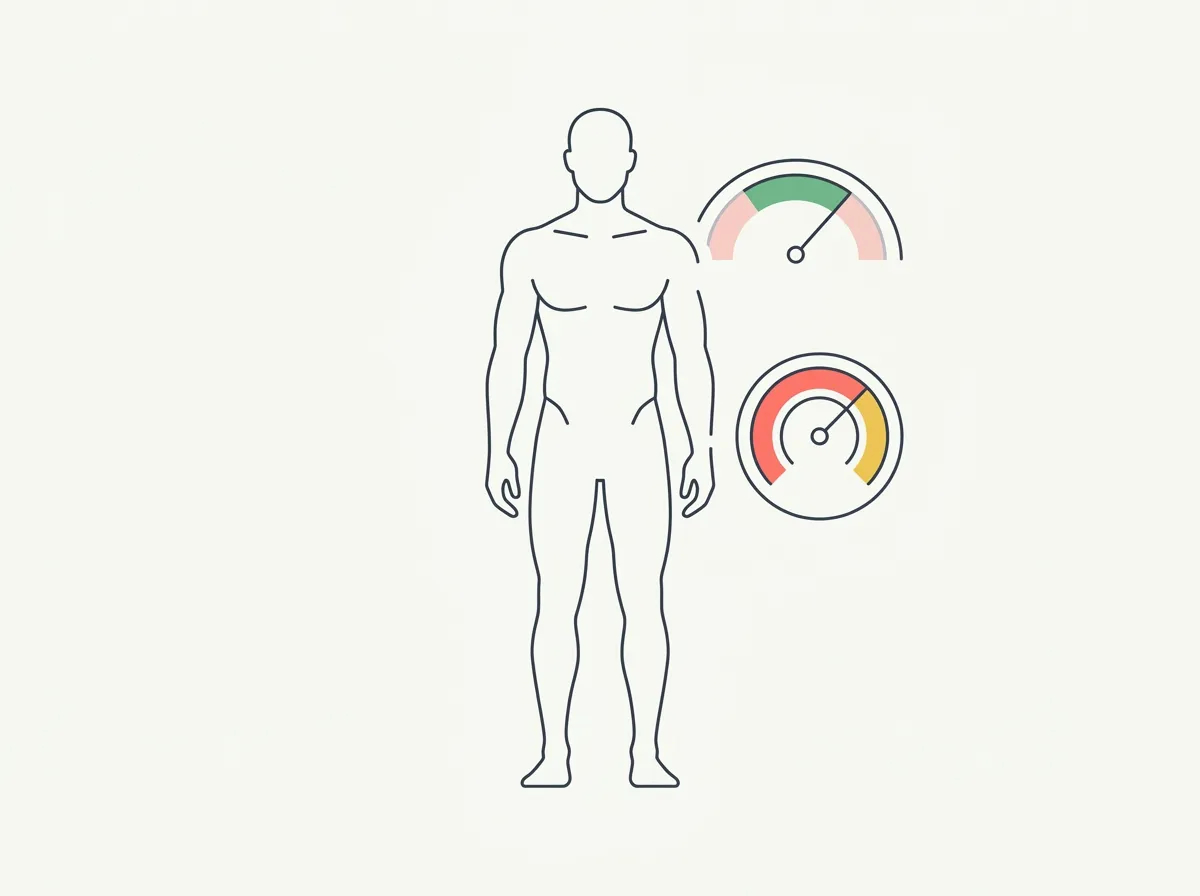
Aesthetic Physique: The Body Fat % and Proportions That Create the Look
The aesthetic physique isn't one number — it's the intersection of low enough body fat for definition and enough muscle mass for shape. Here are the ranges, and why both have to be right.
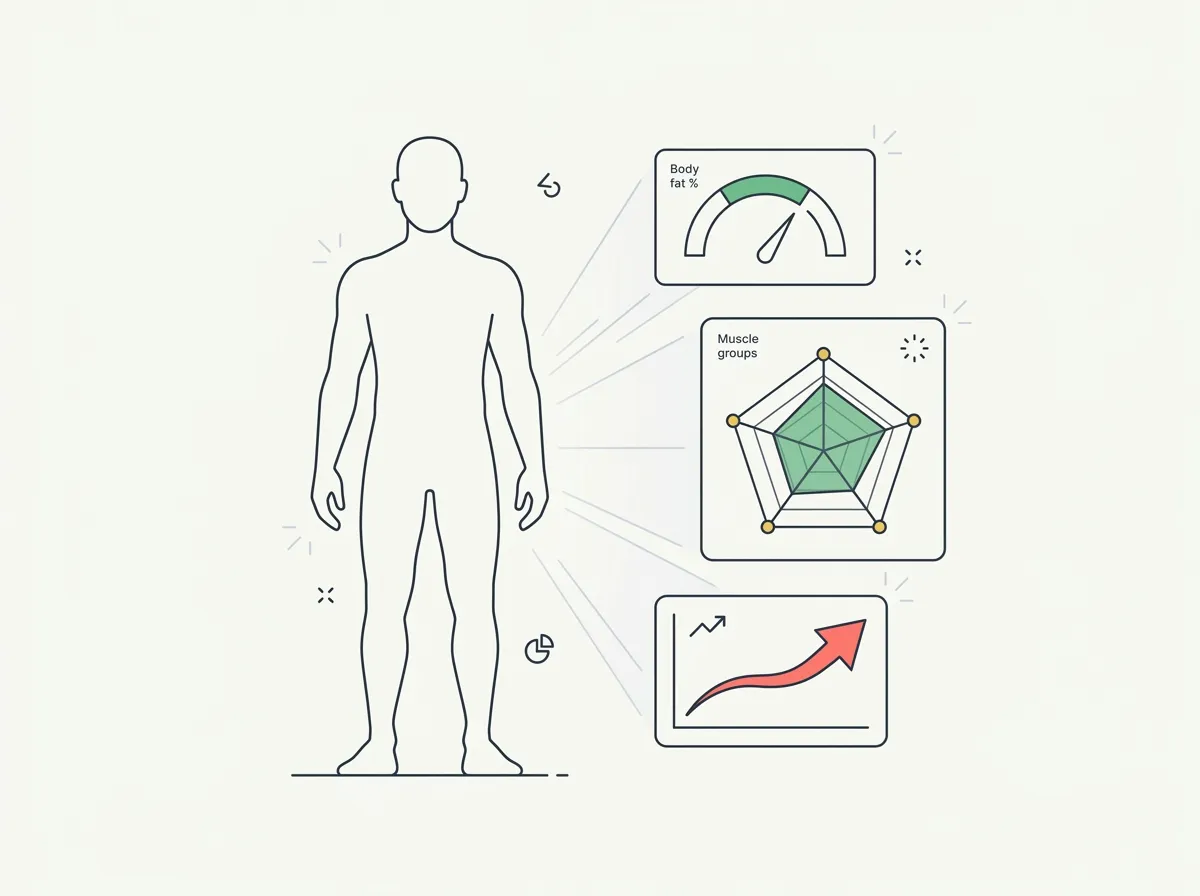
AI Fitness Analysis: What It Is and What It Should Tell You
AI fitness analysis means different things on different apps. Here's what it should actually produce — and how to tell real analysis from a feature badge.
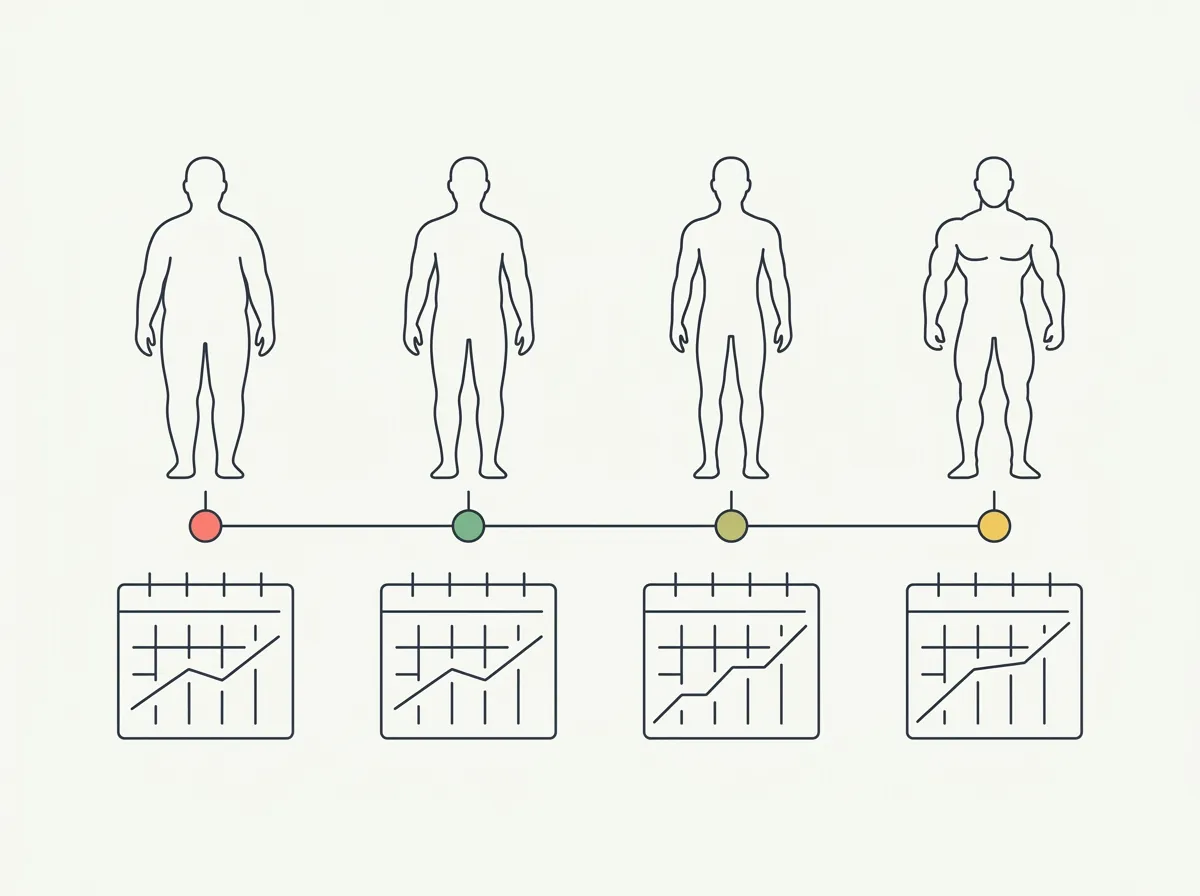
How Long to See Results from Lifting: A Realistic Timeline
You'll feel results from lifting within 2–4 weeks. Progress photos show changes around week 6–8. Others notice at 3–4 months. Here's what actually changes at each phase — and why the mirror is always the last to confirm it.
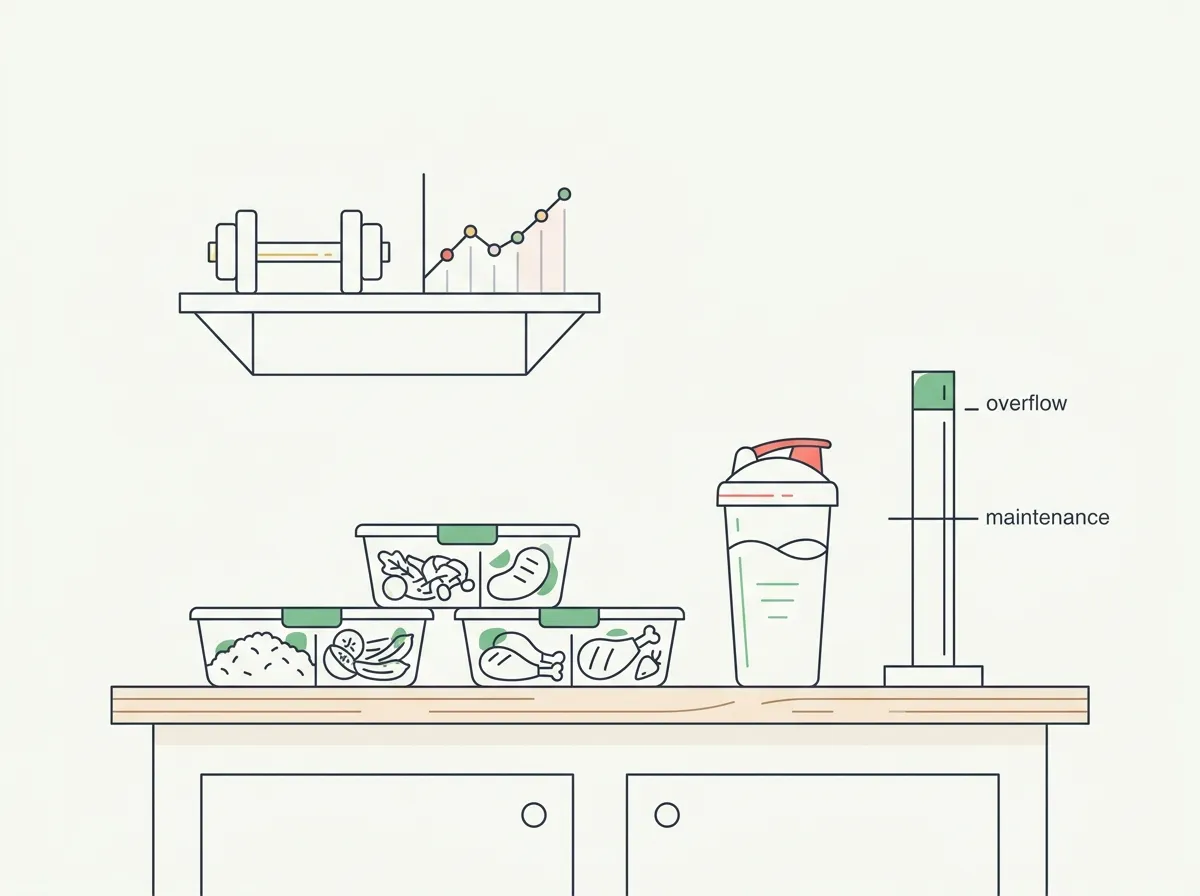
How to Lean Bulk Without Gaining Fat: The Precise Setup Guide
Lean bulking fails in one of two ways: too much and it becomes a dirty bulk, too little and nothing grows. Here's the precise calorie, protein, and tracking setup that keeps a bulk actually lean.
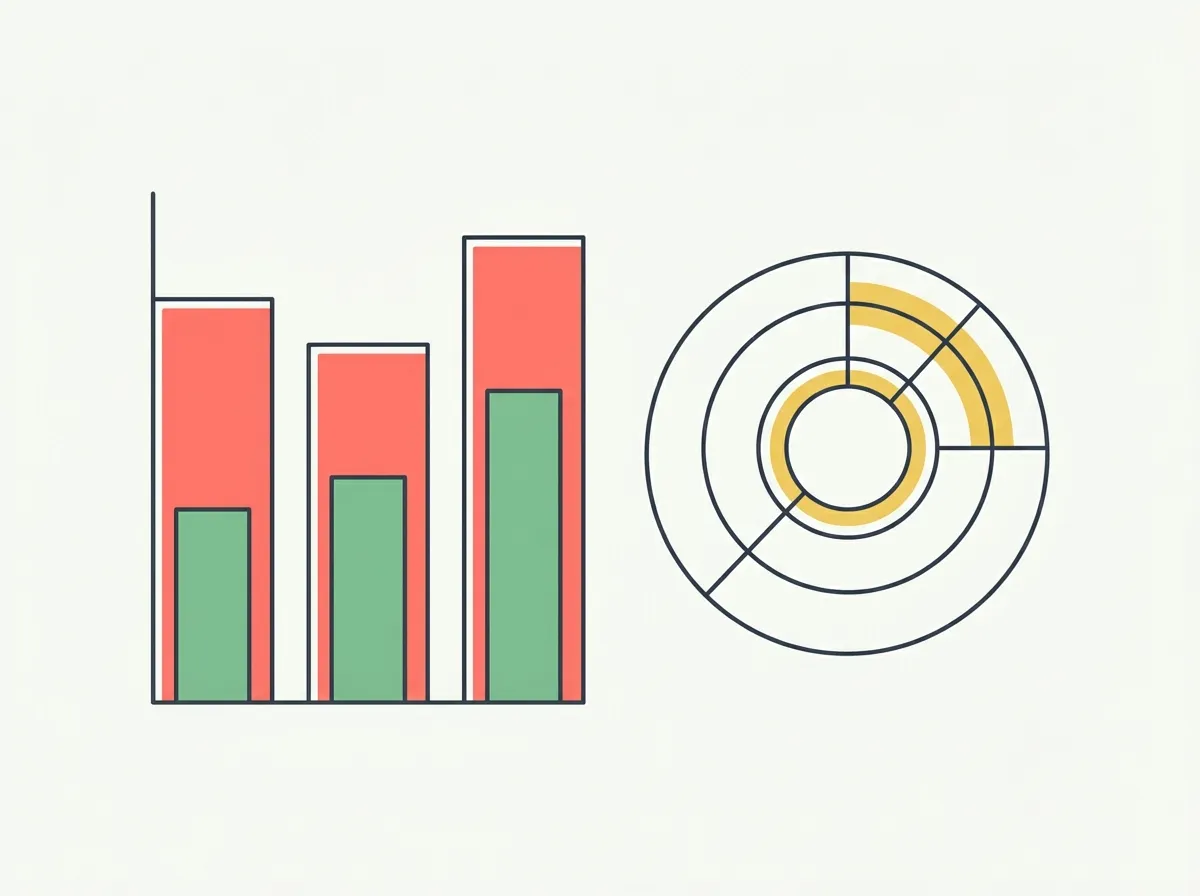
Is Your Lean Bulk Working? How to Tell If You're Gaining Muscle or Fat
The scale going up only means you're in a surplus — not what that surplus is building. Here's how to read the fat-gain ratio, spot the warning signs, and track muscle growth directly.
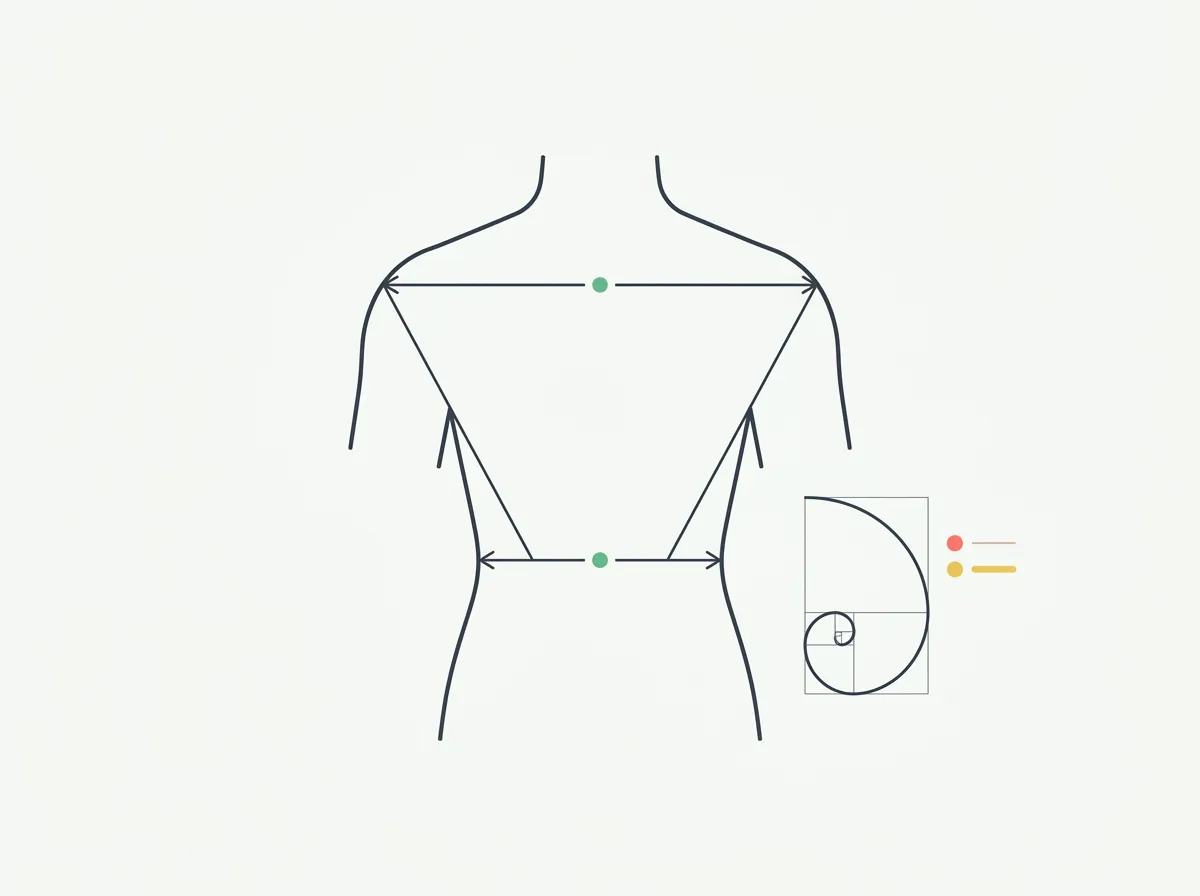
Shoulder to Waist Ratio: The V-Taper Math (and How to Actually Improve Yours)
The ideal shoulder to waist ratio is 1.618, shoulder circumference roughly 1.6× your waist. Here's how to measure it, what the number means, and the two levers that actually change it.
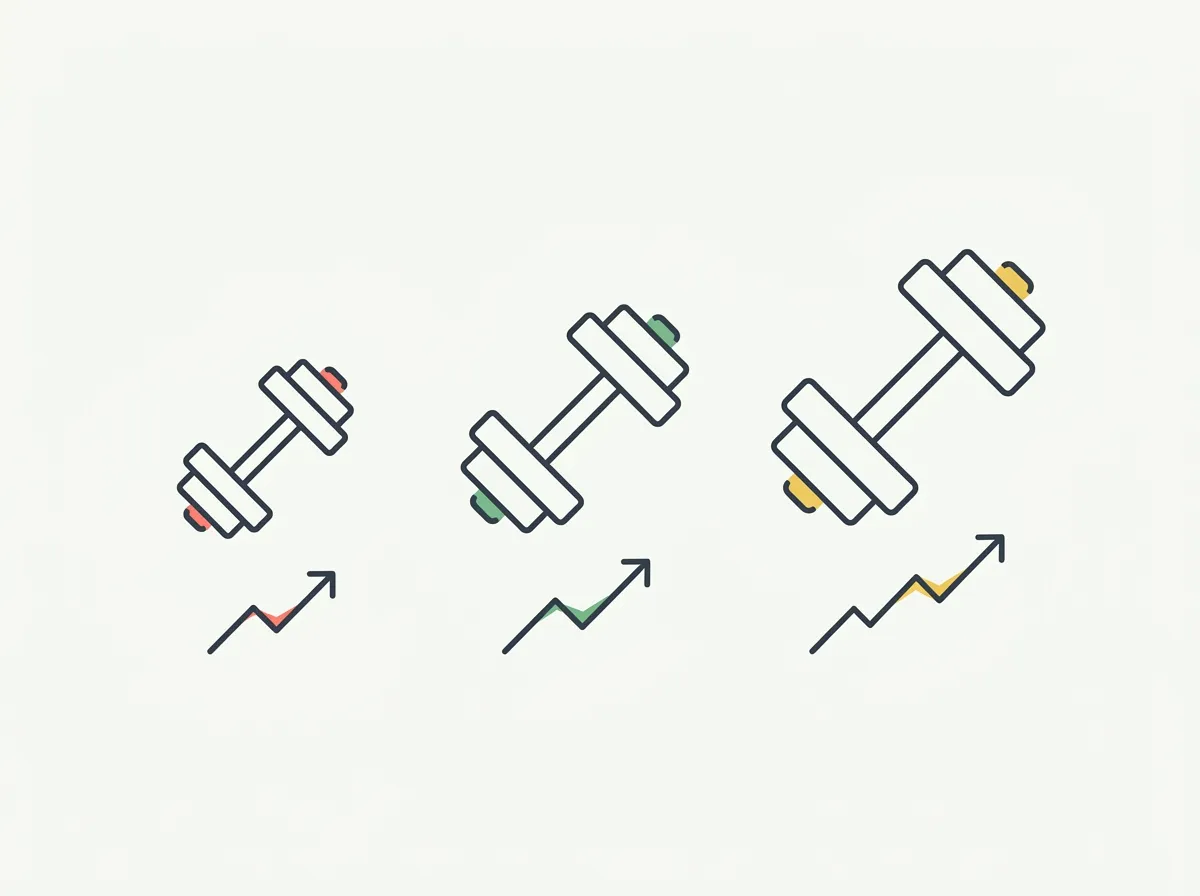
Signs You're Building Muscle (Before You Can See It in the Mirror)
The mirror is the last place muscle growth shows up. Here are the reliable early signs — progressive strength, clothes fit, and composition scores — that confirm it's working weeks before you can see it.
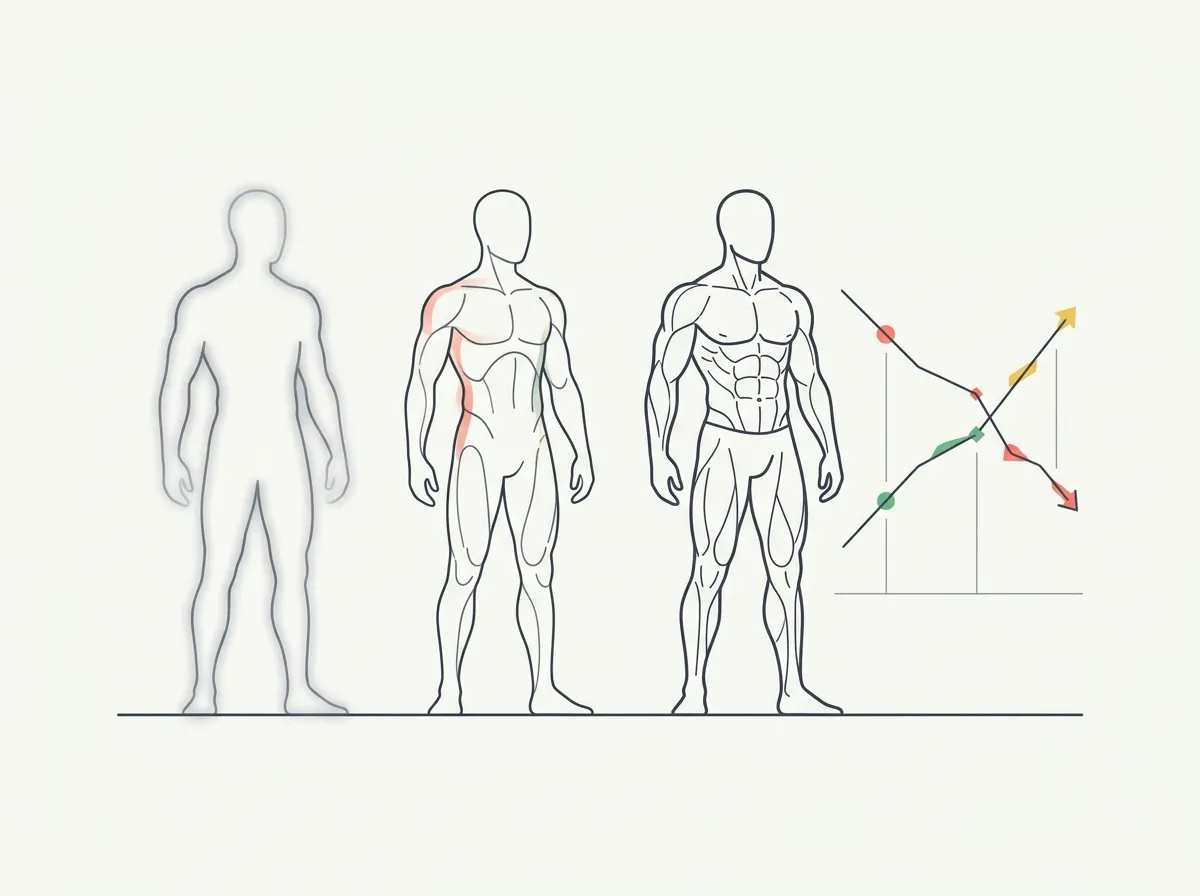
Skinny Fat to Muscular: The Recomp Playbook (and How to Track It)
Skinny fat responds surprisingly well to recomposition — but only if you stop watching the scale. Here's the nutrition, training, and tracking playbook that actually works.
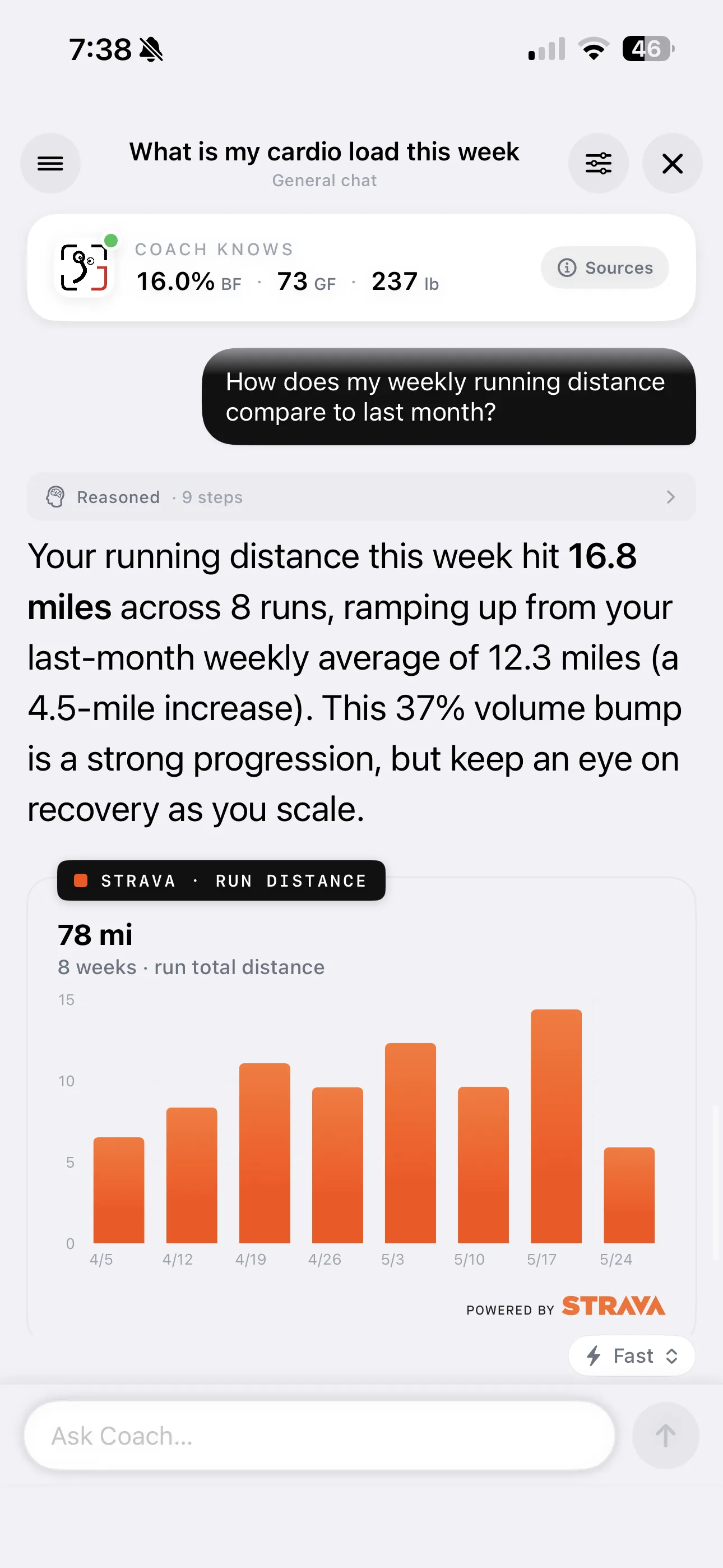
AI Fitness Coach with Strava Integration: A Real Walkthrough (2026)
Strava knows your cardio. Your AI fitness coach doesn't. That gap means every question about volume, recovery, or whether cardio is helping or hurting your physique goes unanswered — until now. Here's the Strava integration that closes it.
Download GainFrame today
Sign up for early access and be the first to know when GainFrame goes live.