Useful fitness answers, without the noise.
Evidence-minded guides for people who care more about visible progress than another number on the scale.

Reading about progress is useful. Seeing yours is better.
Turn one gym photo into body-fat, FFMI, and muscle-group trends, then keep the signal going with consistent check-ins.
4.9 ★ from 35 ratings · 5,000 lifters · Private by design
Latest articles
Practical guidance on body composition, progress photos, training, and the work behind GainFrame.
Showing 31–60 of 253 posts
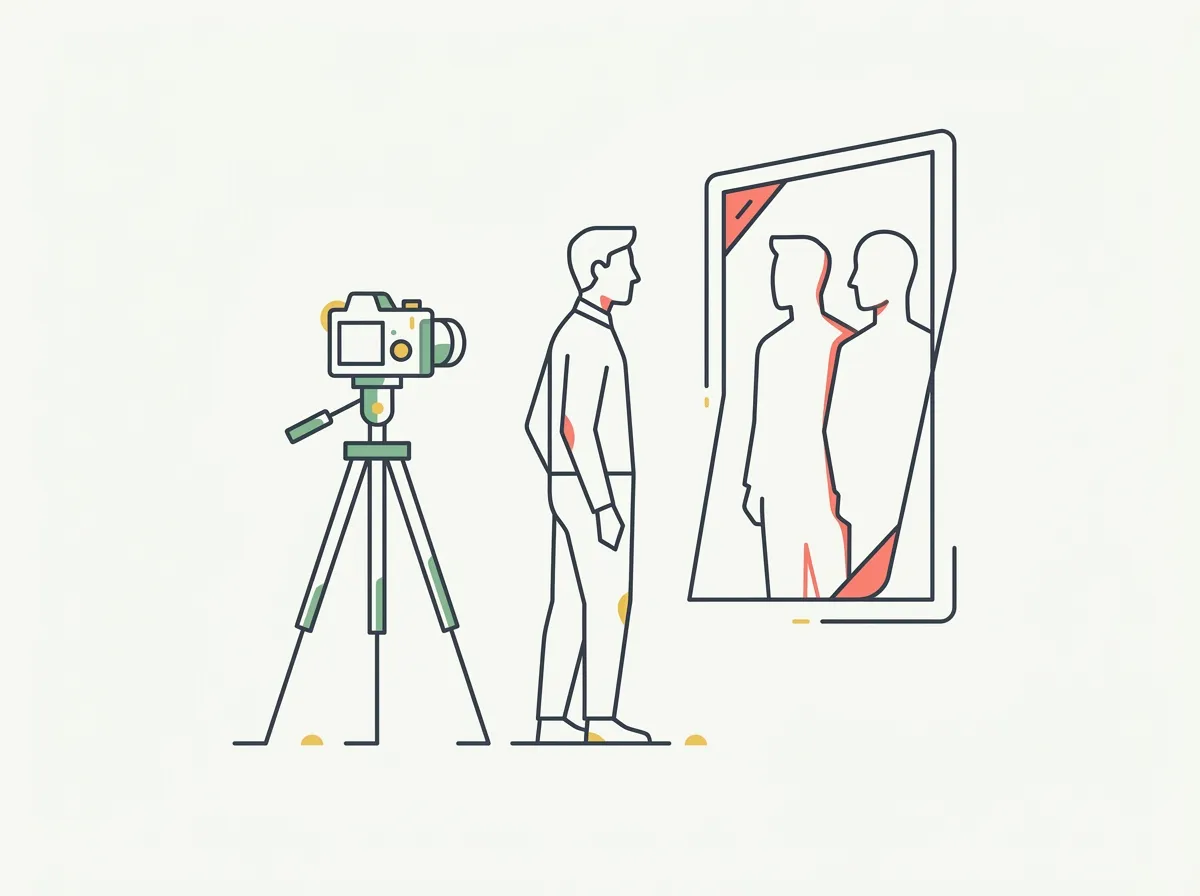
Do I Look Fat? An Honest Way to Actually Check
The mirror says one thing at 8 AM and another at 8 PM. Photos say something else entirely. Here's why the question feels unanswerable, and the repeatable way to actually answer it.
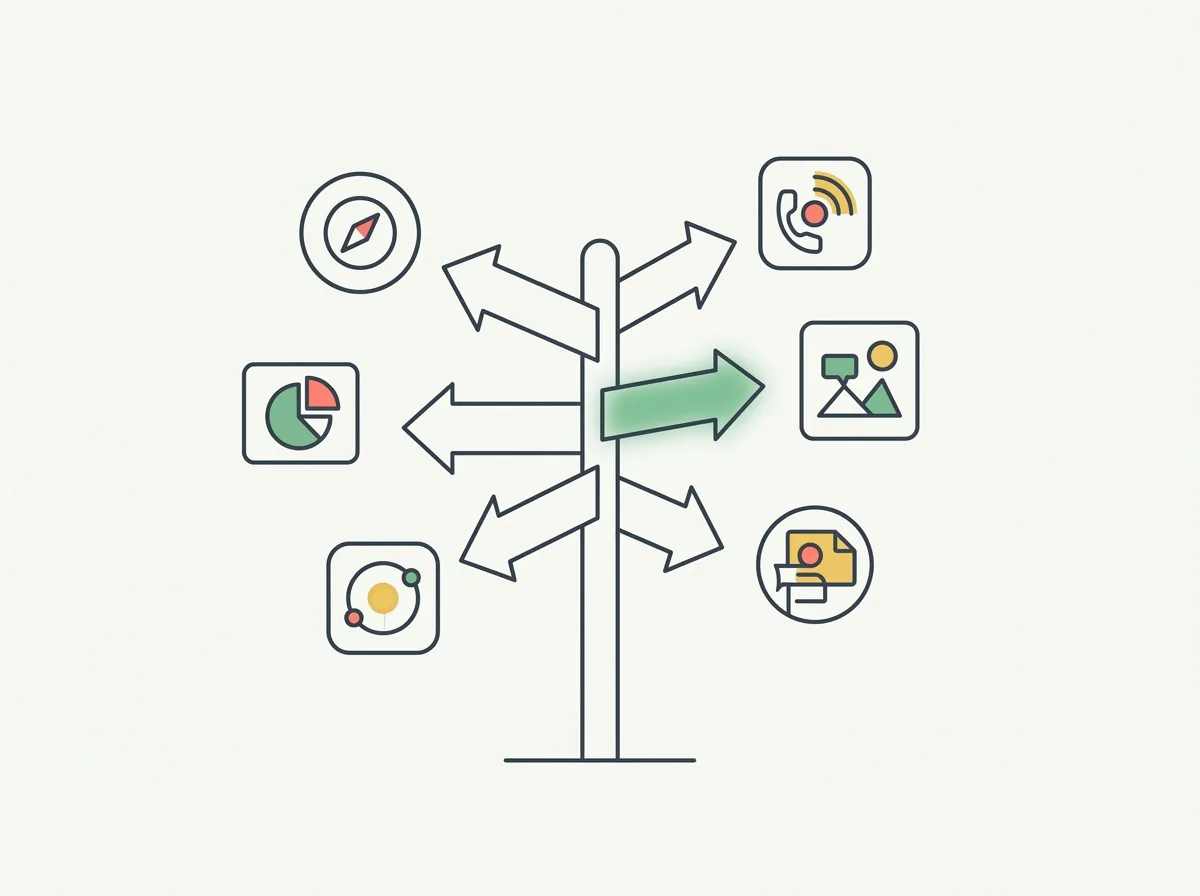
Apps Like GainFrame: Honest Alternatives (From the Founder)
Someone searching for alternatives to my own app deserves a straight answer rather than a sales page. Five apps that beat GainFrame at something specific, the cases where each one wins, and the narrow band where mine is the right pick.
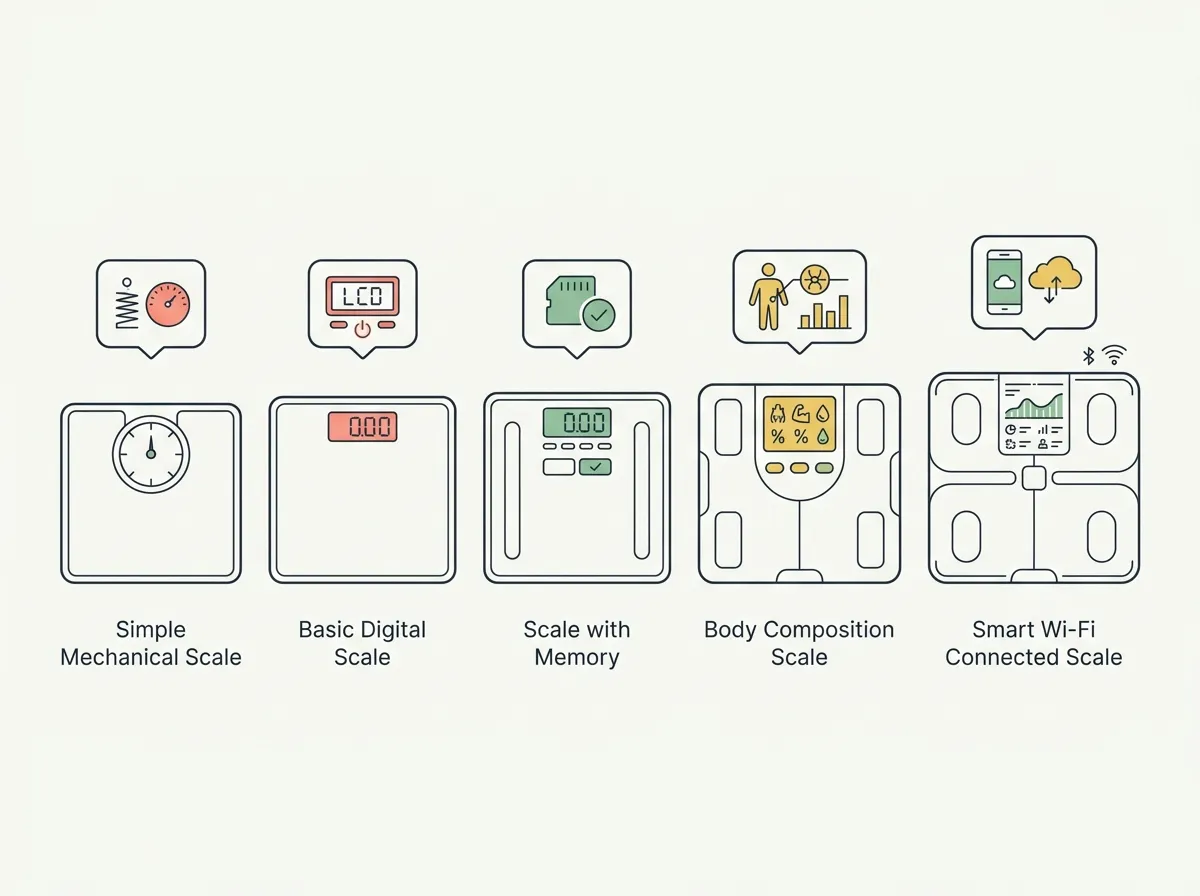
Best Smart Scales for Body Composition in 2026 (6 Ranked)
Every smart scale on this list estimates body fat from the same physics, and the price gap between the cheapest and the priciest is about 15x. Here is what the extra money genuinely buys, tier by tier, and when the honest answer is to skip the scale.
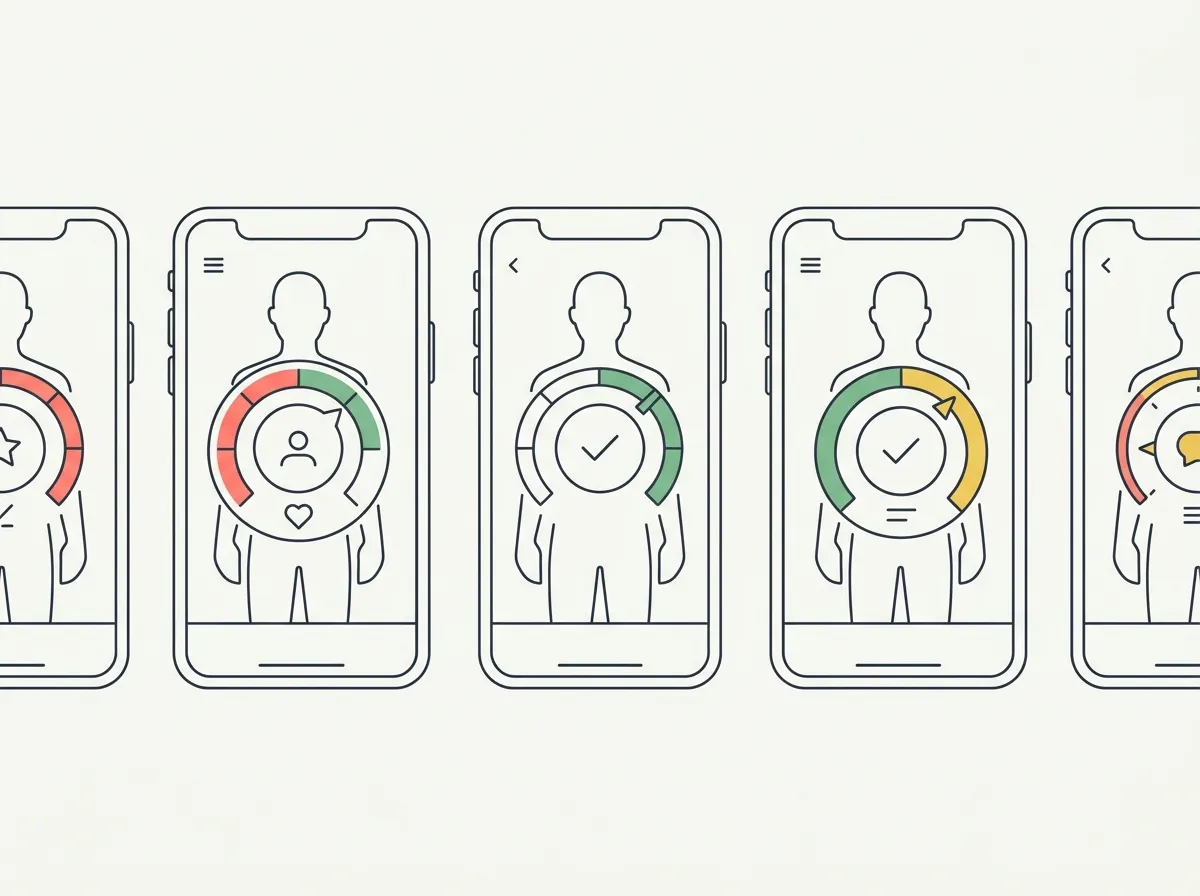
6 Best Body Rating Apps in 2026 (Tested)
Search for an app that rates your body and you get three different product categories in one list — face raters, physique scorers, and body-composition estimators. Here's what each one actually measures, and which scores still mean something next month.
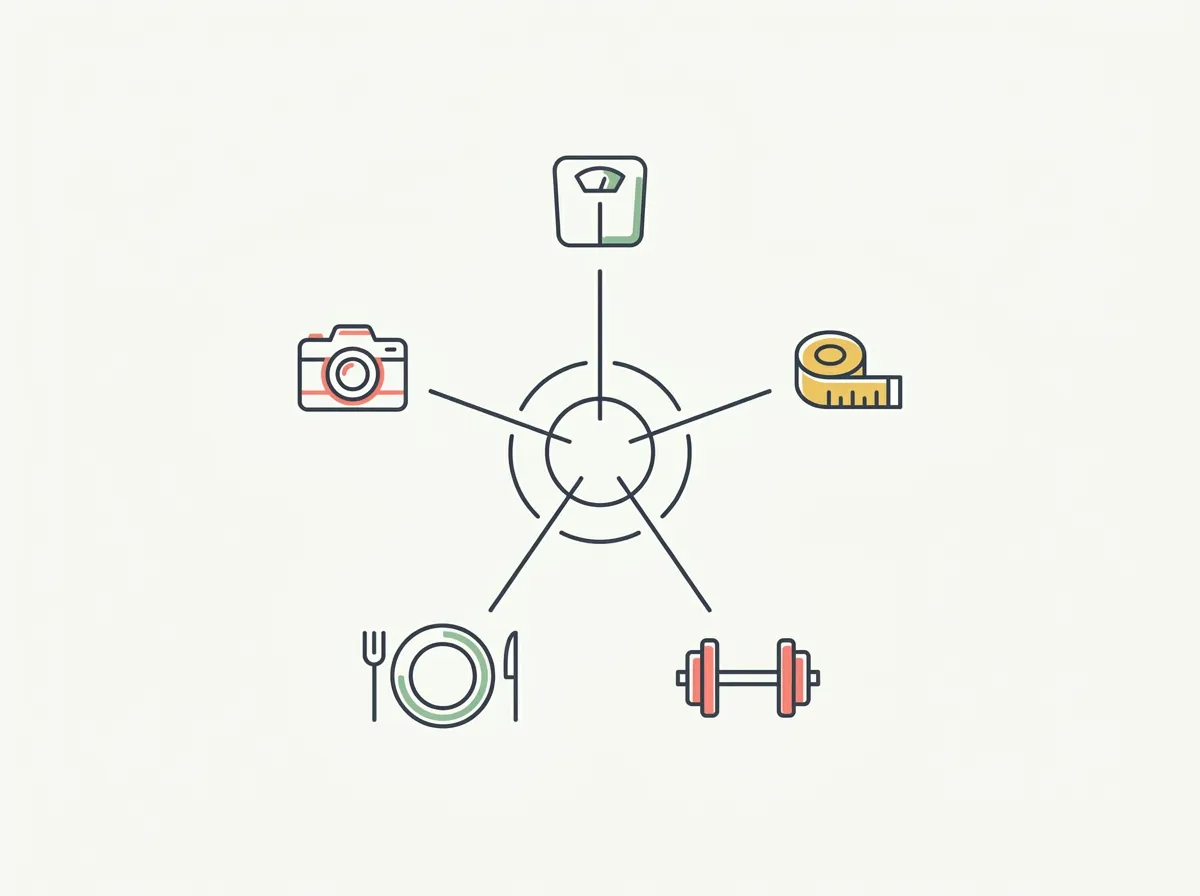
8 Best Body Tracking Apps in 2026 (Every Type Compared)
Most roundups hand you a ranked list before you know which kind of tracker you need. This one starts with the categories — photo, scan, measurement, weight, workout, food — then points you at the deep dive for whichever one fits.
10 Best Fitness Apps for Men in 2026 (By Goal)
Most fitness app lists rank ten apps against each other as if they compete. They don't — they do different jobs. Here are ten apps sorted by the goal you're actually trying to hit, with the honest limits of each.

10 Best Fitness Apps for Women in 2026 (By Goal)
The women's fitness app category is full of 28-day challenges and step counters. Here are ten apps sorted by the goal you're actually training for — strength, visible change, nutrition, cycle awareness, recovery, and home training — with honest limits on each.
7 Best Free Body Fat Apps in 2026 (Actually Free)
Every app in this category calls itself free. Some mean a hard cap, some mean a three-day trial, some mean ads between you and your result. Here are seven options with the fine print stated up front — including the two that stay free permanently.
The GainFrame Roadmap for the Next 90 Days
I want to reduce paid churn by 30–50% and improve paid retention by about 25%. I have a product direction for getting there, but several of the ideas still need to earn their way into the app.
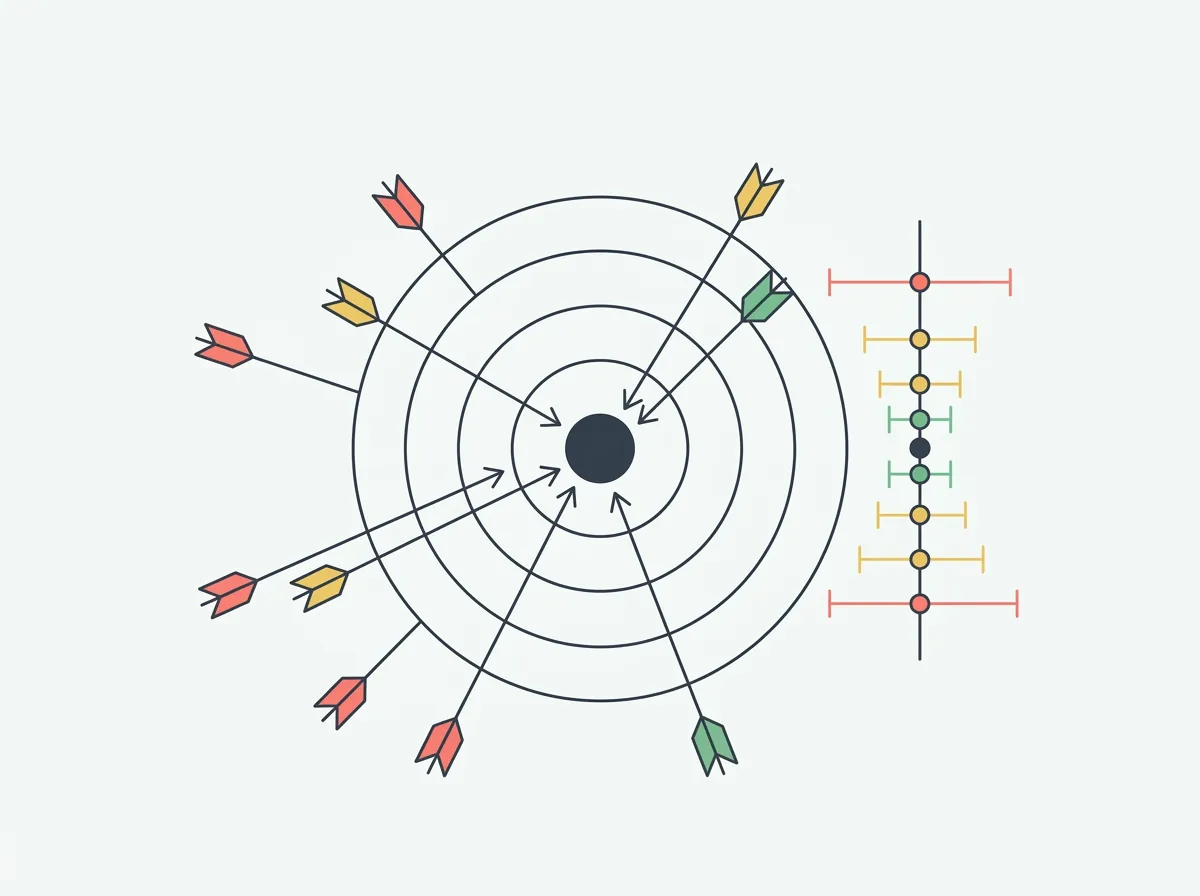
How Accurate Are Body Fat Calculators? Method by Method
Four calculators, four different numbers, and no way to tell which one is closest. Here's the honest error range behind each method, why they disagree, and the reframe that makes body fat tracking useful anyway.
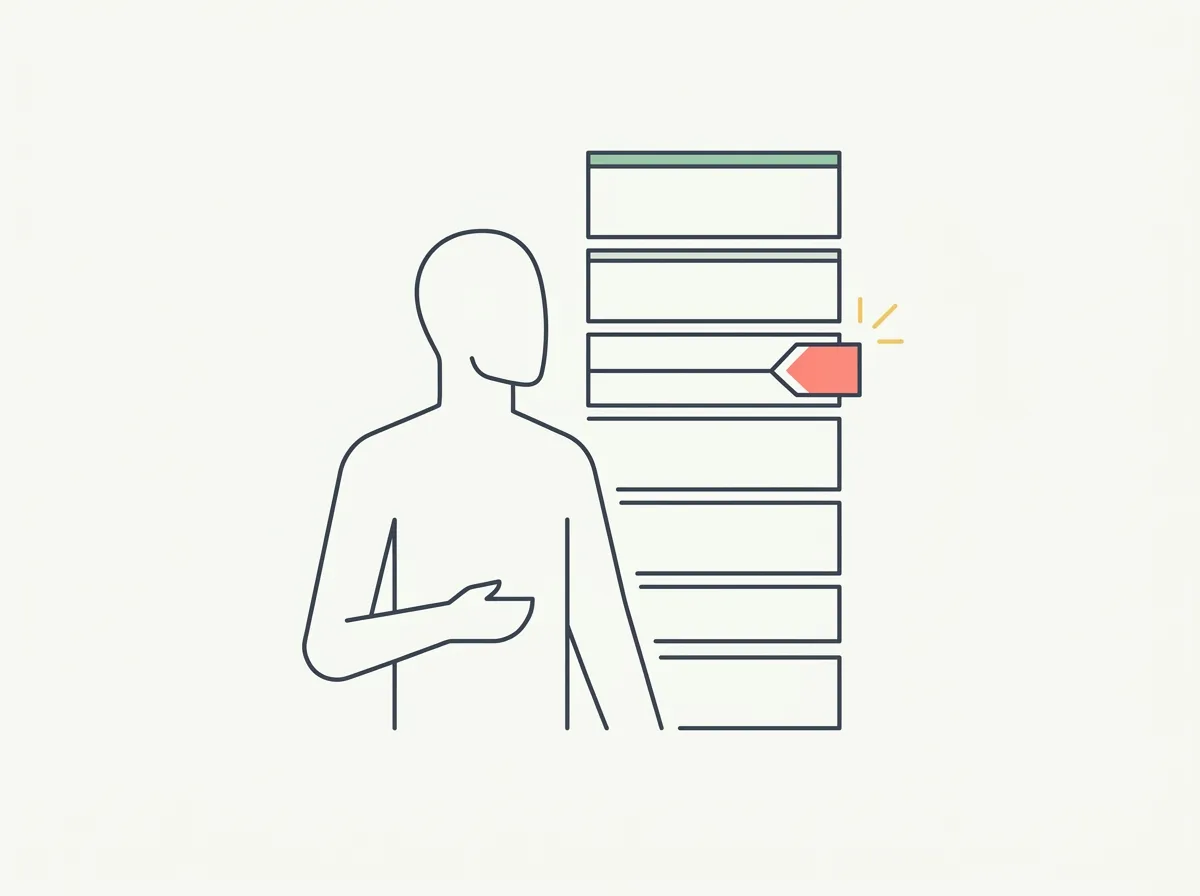
The Physique Rating Scale: What the Numbers Actually Mean
You can get a physique rating from a gym scale, an app, a judge, or a stranger on the internet — and all four numbers mean different things. Here's what each scale is grading, and which parts of yours are worth reading.
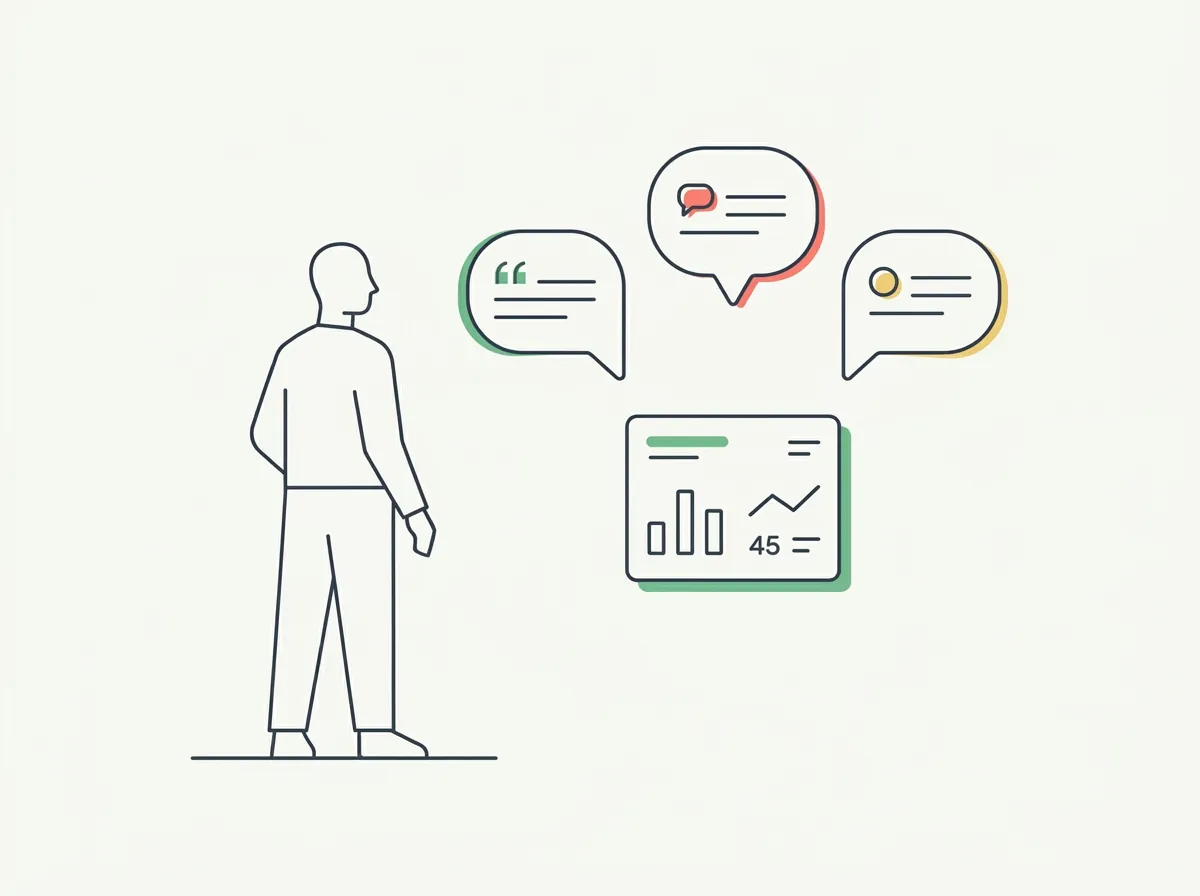
Rate My Physique: How to Get an Honest Assessment
You can't see your own physique clearly - nobody can. Here are the four ways to get an outside read on it, what each one actually tells you, and how to tell useful feedback from noise.
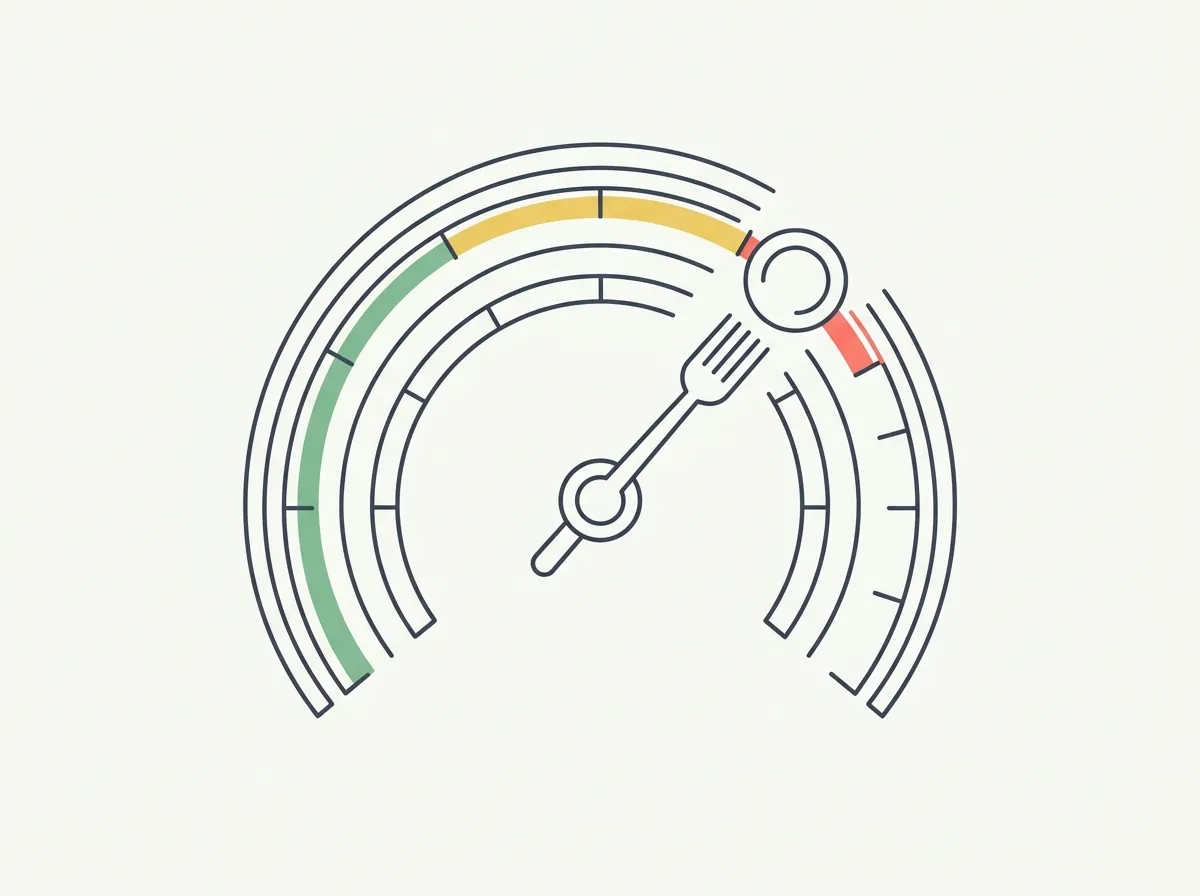
Am I Bulking Too Fast? The Rate Check
Your muscles have a monthly speed limit and your fork doesn't. The honest rate math for how fast a bulk should move, a worked example of the check, the four warning signs the surplus is going to fat, and the correction that isn't a panic cut.
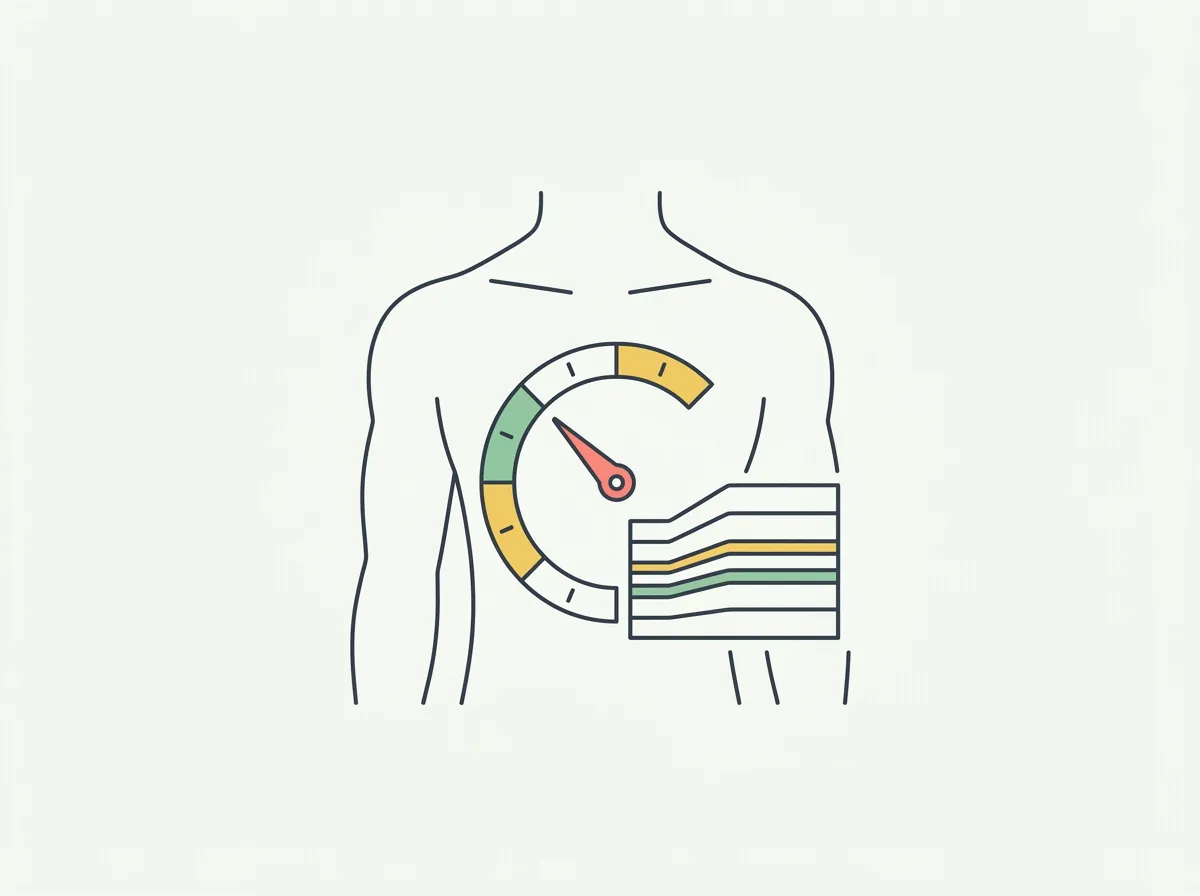
Average Body Fat Percentage for Men
The average American man measures somewhere around 23-28% body fat - at the top of the band category charts label average, and often past the line they flag as elevated. Here are the men-specific ranges, why male numbers run lower than female ones by design, and what 18%, 23%, and 28% actually look like on the same body.
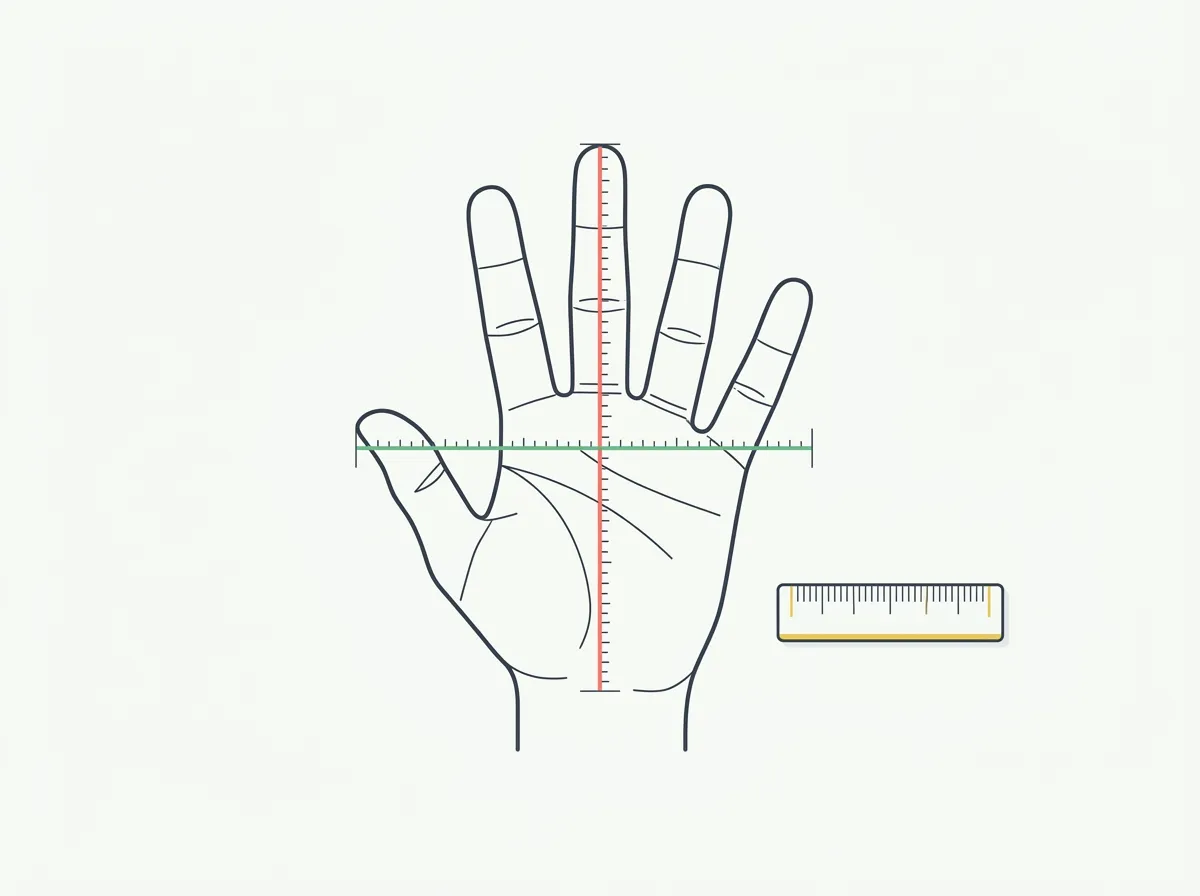
Average Hand Size: Length, Span & What It Means for Grip
The average male hand is commonly cited around 7.4 inches long with an 8.5-inch span — but most people who look it up have measured the wrong thing, or measured nothing and compared against a basketball player. How to measure length and span correctly, what hand size tracks, and what it honestly doesn't.
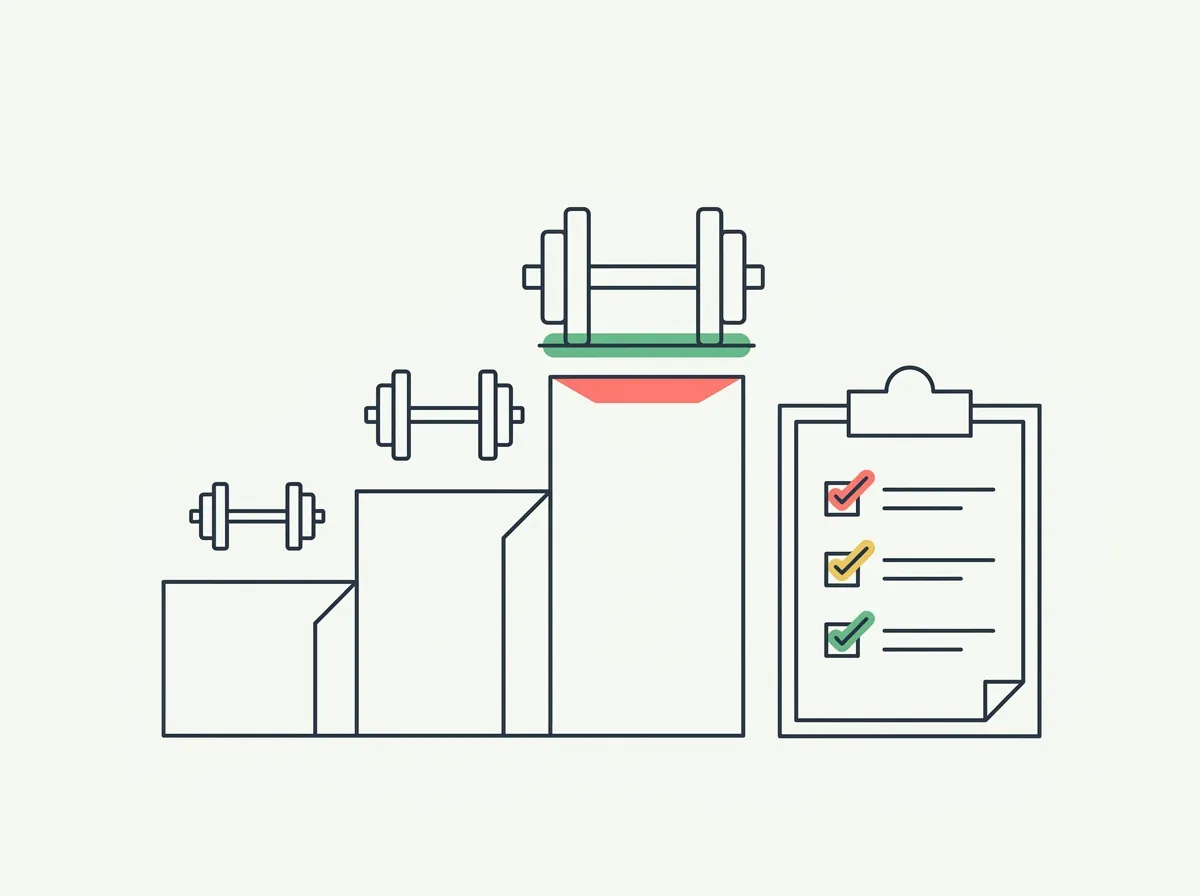
Beginner, Intermediate, or Advanced Lifter? A Real Self-Assessment
Five years of gym membership doesn't make you advanced, and neither does one good lift. A self-assessment across the three axes that actually define training level - consistent progression, relative strength, and rate of progress - and the honest reason most lifters land in the middle column.

5 Best Ways to Make App Store Screenshots (From a Solo Dev)
The App Store screenshots are the wall every solo dev hits — you can build the product but lose a weekend fighting device frames. Here are the five best ways to make them, ranked by how little time they cost.
Body Recomposition Over 40: What Changes and What Doesn't
The doom content about training after 40 is mostly wrong. Muscle still responds, fat still comes off — what changes is recovery, protein math, and how long you have to wait to see it. Here's the honest version.
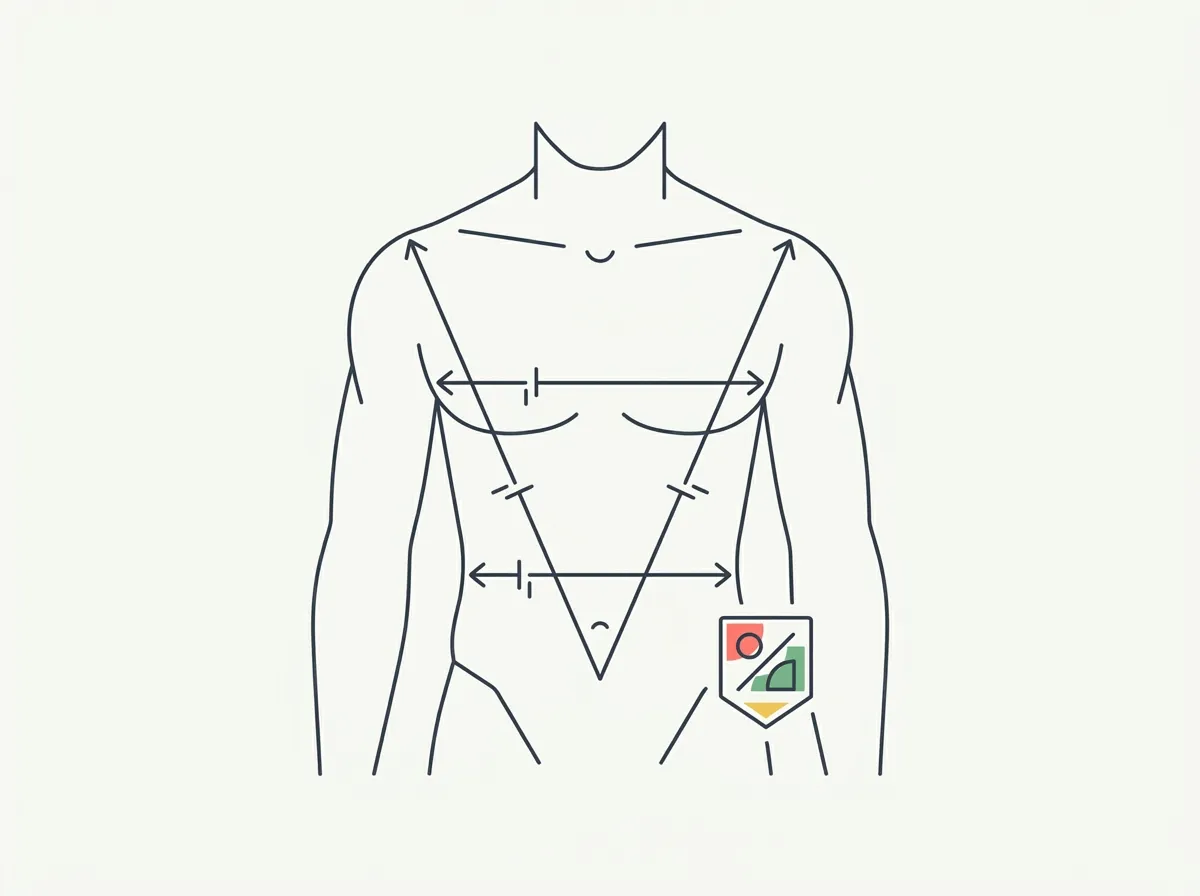
Chest-to-Waist Ratio: The Other V-Taper Number
The V-taper has two measurements, and most people only know one. The commonly cited ideal chest-to-waist ratio sits around 1.33–1.4 — a different number than the golden-ratio shoulder figure, taped at a different place. Here's the worked table, the protocol, and which lever to pull first.
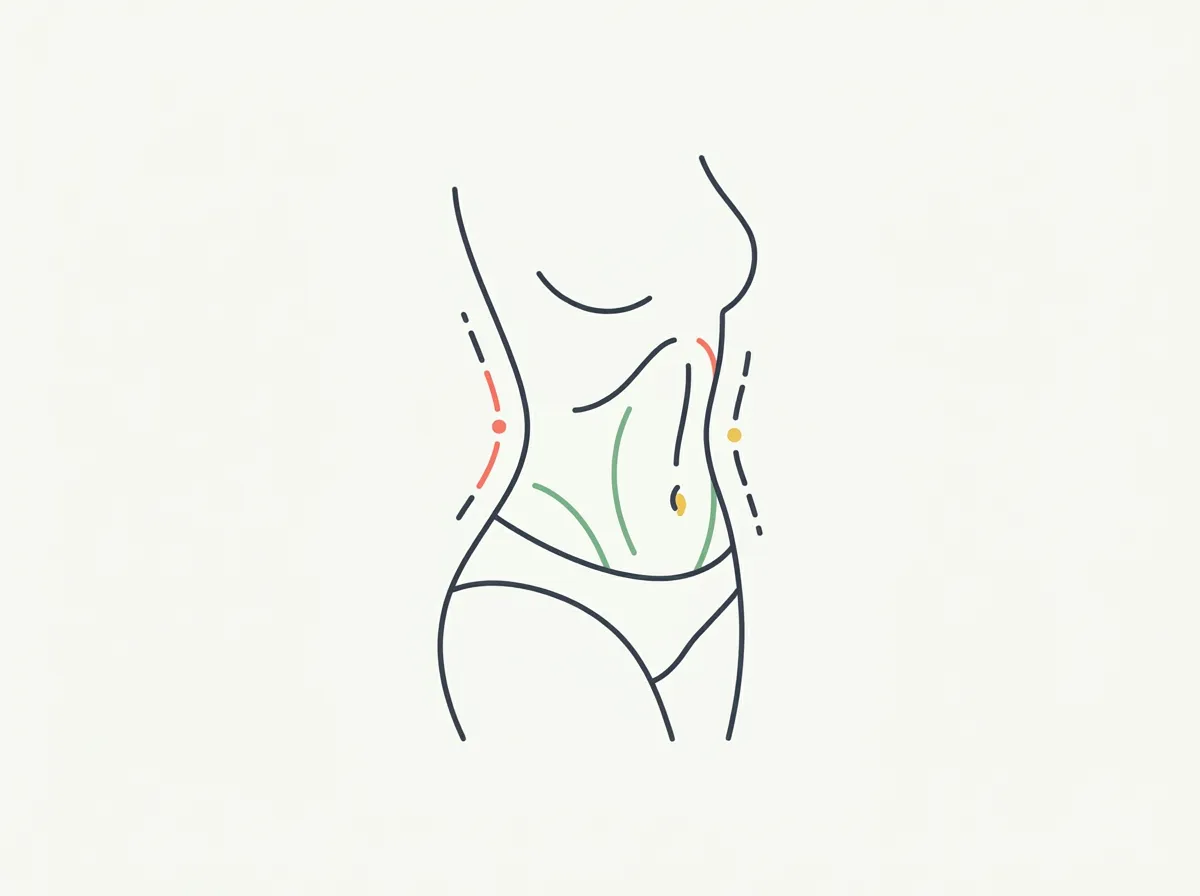
How to Get a Toned Stomach: What Works for Women
The crunch challenges keep failing for a reason: they train a muscle nobody can see yet. A toned stomach is a body fat number plus a bit of core muscle — here's the range where it shows, the playbook that gets there, and why your stomach looks different every morning.
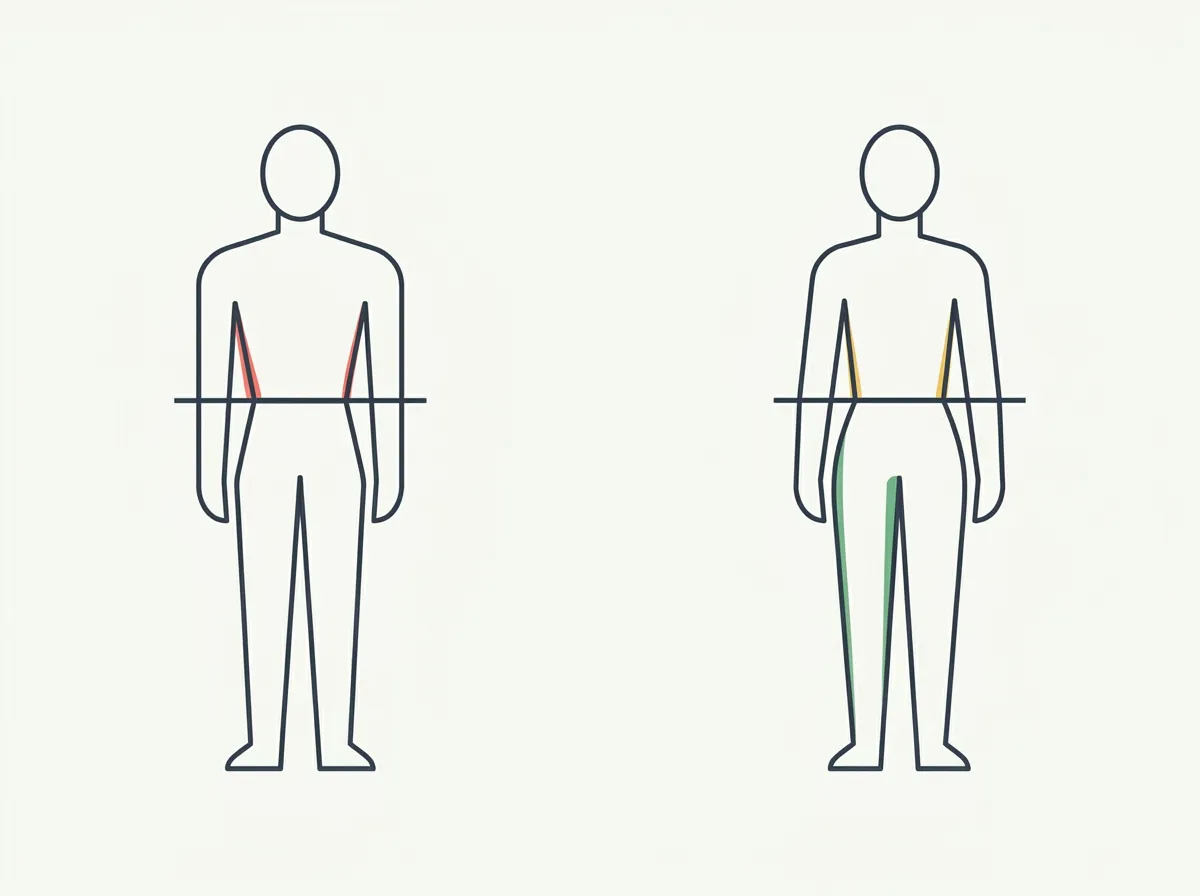
Long Torso, Short Legs (or the Reverse): How to Tell & Why It Matters
Two people at the same height can need pants three inseam-inches apart — because height says nothing about where it's distributed. The sitting height test, what your torso-to-leg ratio actually changes, and the long list of things it doesn't.
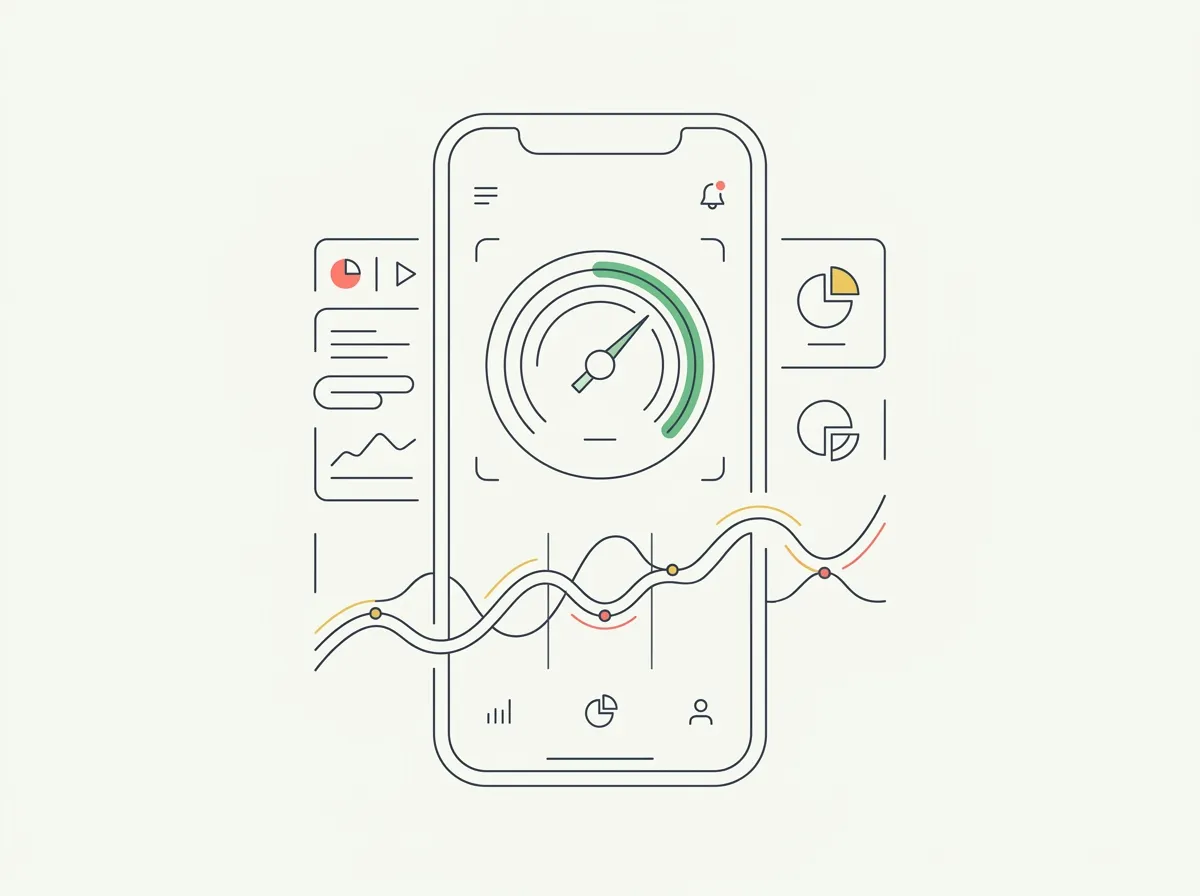
MacroFactor Review (2026): The Nutrition App We Keep Recommending
We keep pointing readers at MacroFactor in our cutting and GLP-1 guides, so it's time to explain why. The short version: it's the only mainstream tracker whose calorie targets are built from your data instead of a formula's guess.
I Hit $1,000 MRR and Forgot to Celebrate. Starting a Second App at Zero Fixed That.
GainFrame crossed $1,061 MRR and now adds close to 500 new users a week. I barely noticed either — I'd already moved the goalpost. Then I started SEO Receipts from zero, and grinding for the first users reminded me what all of this used to be worth.
Newbie Gains: How Long They Last & How to Not Waste Them
Your first year of lifting is the fastest muscle you will ever build, and it only happens once. What newbie gains actually are, how long the window commonly lasts, the five ways lifters burn it, and how to make sure yours counts.

Renpho Scale Review (2026): What $30 Actually Buys
Renpho put a body composition scale in millions of bathrooms for the price of a large pizza order. The weight tracking genuinely earns the reviews. The body fat number needs a much more careful read. Here is the honest split.
Skinny Fat for Women: Why It Happens & the Way Out
You're a normal weight. You've finished more diets than you can count. And the mirror still shows soft where you expected firm — because every one of those diets removed weight without building anything. Why the pattern lands on women so often, and the way out.
Strength Standards: How Strong Is 'Strong' Actually?
Gym culture says 225 is a warm-up. Population data says most men can't bench their bodyweight on day one. Strength standards are the map between those two realities - here's how to read them without letting them read you.
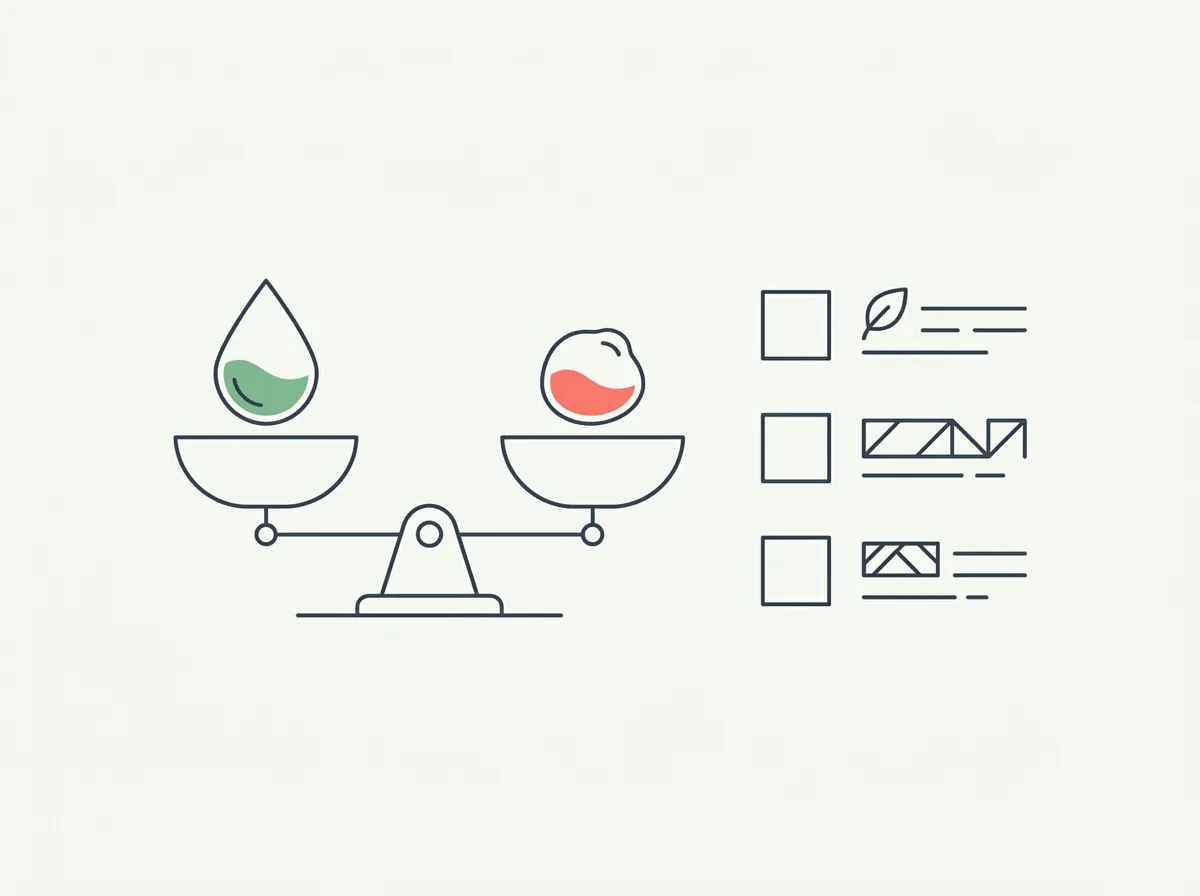
Water Weight: How to Tell If It's Water or Fat
The scale is up three pounds and you ate normally yesterday. Before you rewrite the diet: fat gain takes weeks, water takes hours. How to identify water weight by speed, pattern, and location — and the two classic traps where it impersonates fat.
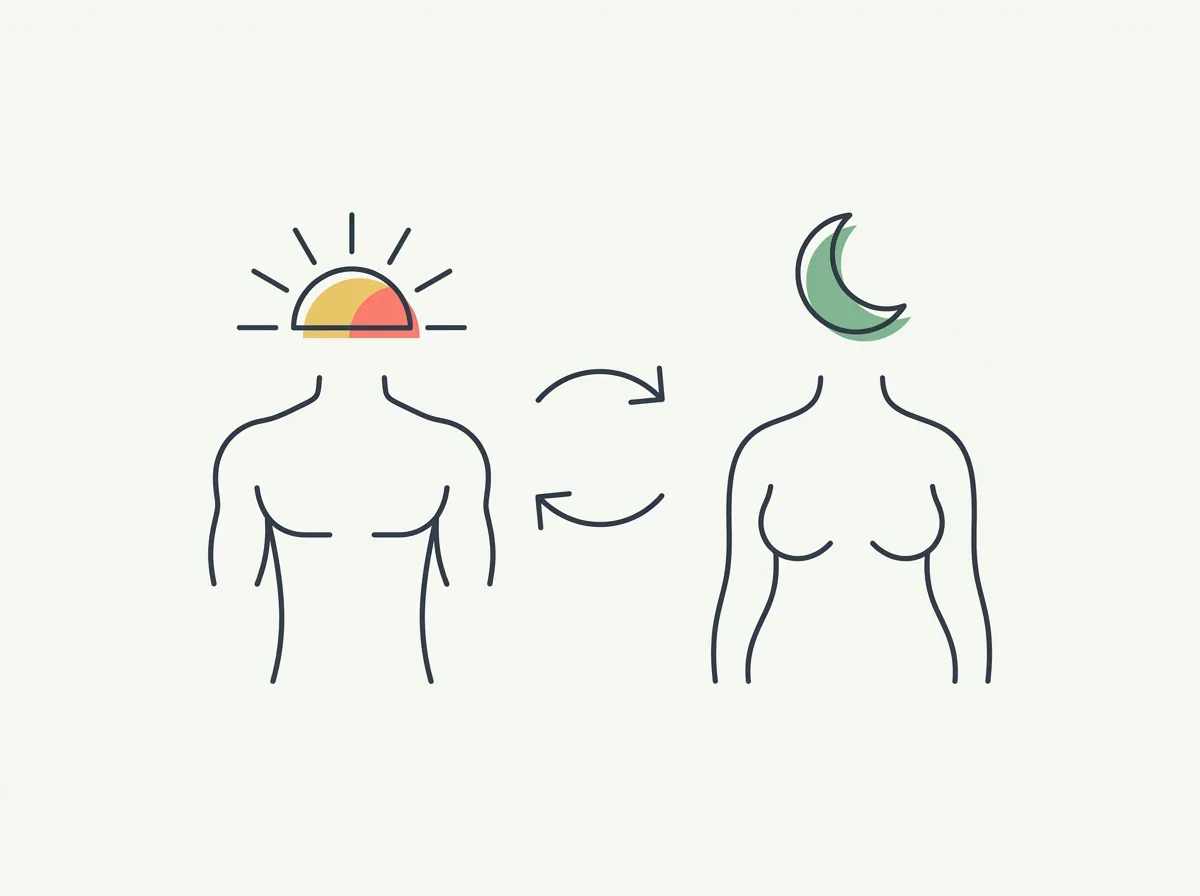
Why You Look Leaner in the Morning (and Softer by Night)
Same body, same day: visible abs at 7am, a soft midsection by 9pm. Nothing went wrong — you're watching water, glycogen, and food volume move around. What drives the daily cycle, and the tracking rule that keeps it from lying to you.
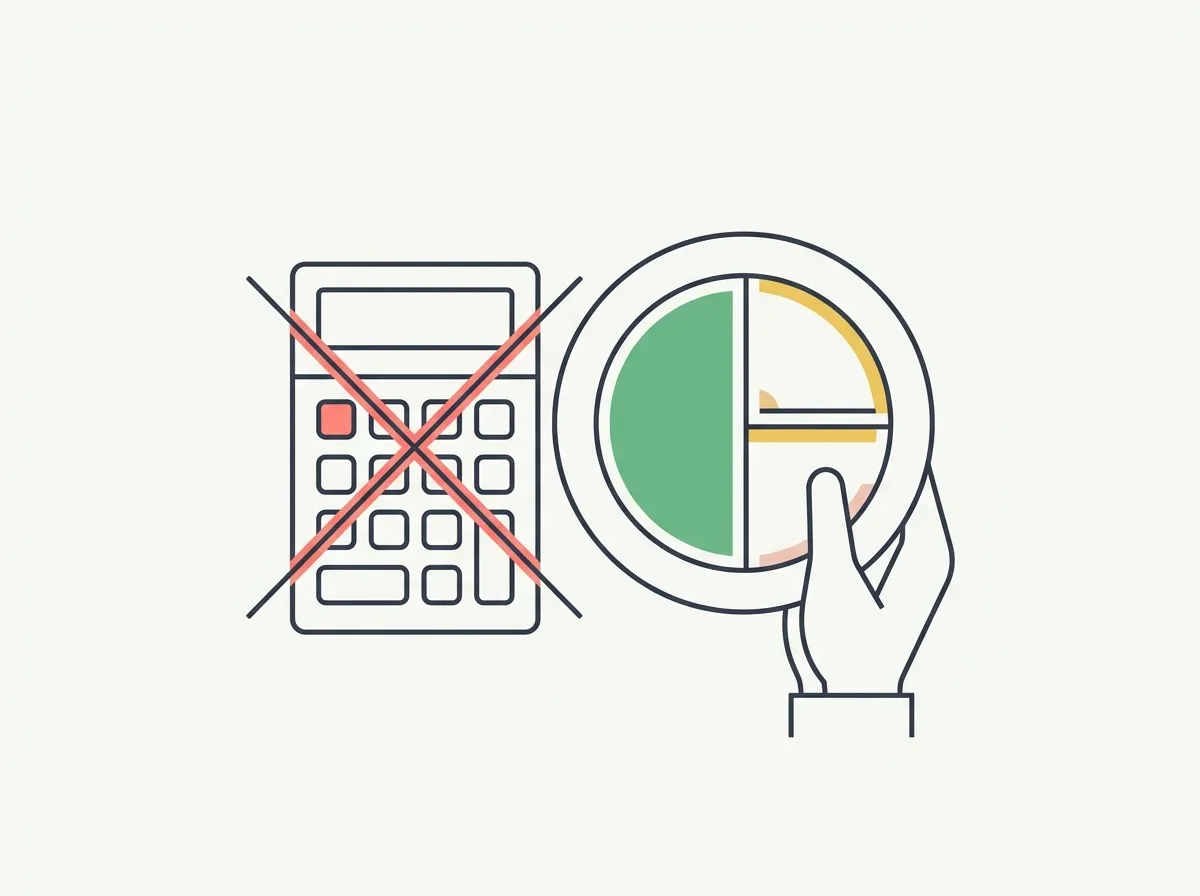
Cutting Without Counting Calories: What Actually Works
A food log is the most reliable cutting tool ever invented, and most people quit it by week four. Here's what coaches actually use instead — structure in place of arithmetic, and measurement in place of logging.
Download GainFrame today
Sign up for early access and be the first to know when GainFrame goes live.