Useful fitness answers, without the noise.
Evidence-minded guides for people who care more about visible progress than another number on the scale.

Reading about progress is useful. Seeing yours is better.
Turn one gym photo into body-fat, FFMI, and muscle-group trends, then keep the signal going with consistent check-ins.
4.9 ★ from 35 ratings · 5,000 lifters · Private by design
Latest articles
Practical guidance on body composition, progress photos, training, and the work behind GainFrame.
Showing 61–90 of 253 posts
How to Get a Smaller Waist: What Works and What's a Myth
Waist size comes down to three things — body fat, posture, and bloat — and most of the advice sold against it targets none of them. What genuinely shrinks a waist, what only compresses it for an afternoon, and how to see the change happening.
How to Get Toned Arms: The Honest Answer for Women
"Toned" is not a special kind of exercise result — it's some visible muscle with less fat over it. Why the light-weights advice keeps failing, why arm fat is stubborn for reasons that aren't your fault, and the playbook that actually gets there in 3–6 months.
Is BMI Accurate? When It Works and When It Lies
BMI gets defended by epidemiologists and mocked by lifters, and both camps are right. It's a genuinely useful screening tool at population scale that misfires on exactly the individuals most likely to look up whether it's accurate.
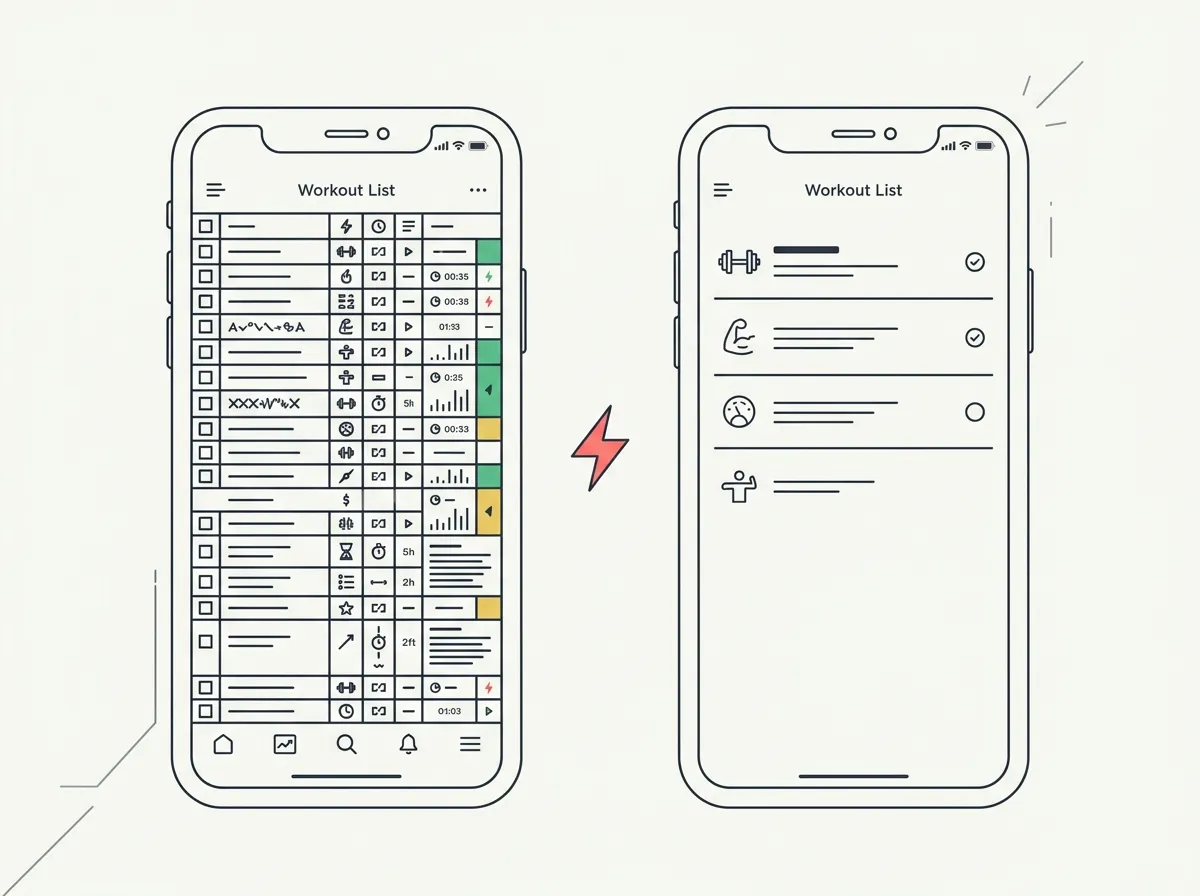
Jefit vs Hevy (2026): Which Workout Tracker Wins?
Jefit has been logging workouts since before some of Hevy's users started lifting. Hevy is the app most of the internet now recommends instead. Both are good; the differences — database depth, ads, interface, free tier — decide it cleanly by lifter type.
Maintenance Calories: How to Find Yours (Without Guessing)
Every cut, bulk, and recomp is defined relative to one number — and most people have never actually measured theirs. The formula gets you in the neighborhood. Two to three weeks of honest tracking gets you the address.
When Progress Tracking Hurts: Body Image and Check-Ins
We build a tracking app, and this post is about when to use less of ours — or none. The line between a check-in and body checking, the signs tracking is working against you, and what to change first.
Progress Photos vs the Scale: Which Should You Trust?
One updates every morning and can't tell fat from water. The other updates monthly and shows you the exact thing you're training for. Which to trust depends on the question you're asking - and on which goal you're running.
Reverse Dieting: Exiting a Cut Without Rebounding
Most cuts don't fail during the cut. They fail in the six weeks after it ends, when the deficit lifts and half the progress quietly comes back. Reverse dieting is one way to manage that exit — here's what it is, what the debate actually says, and how to run the transition either way.
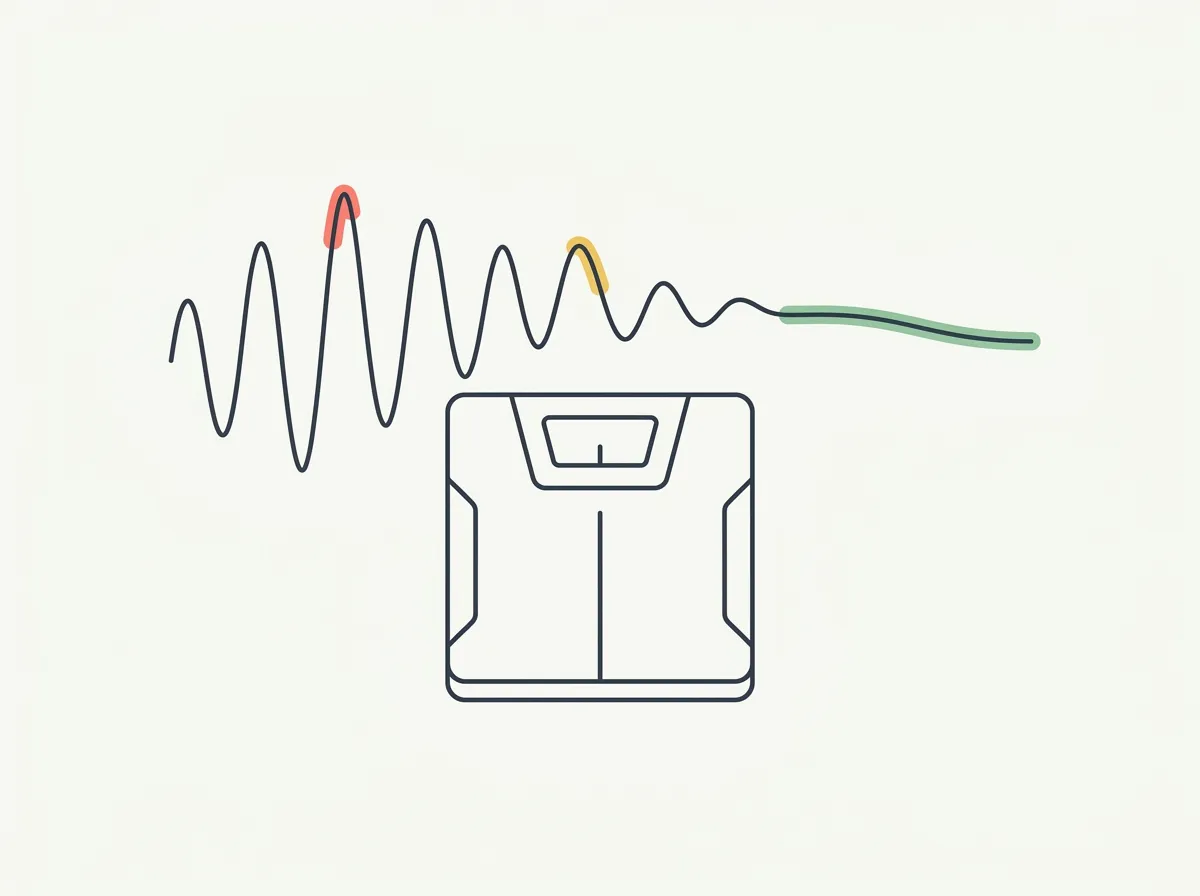
Why Does My Weight Fluctuate So Much Day to Day?
The scale said 182 on Tuesday and 185 on Wednesday, and nothing about your body's fat changed. Here's every mechanism behind daily weight swings — with typical magnitudes — and the arithmetic that proves an overnight jump can't be fat.
My App Flatlined at $530 MRR in May. I Almost Quit. These Are My Goals for the Next 12 Months.
The near-quit in May, the two months of chipping away that doubled MRR, and the 12-month goals I'm committing to in public.
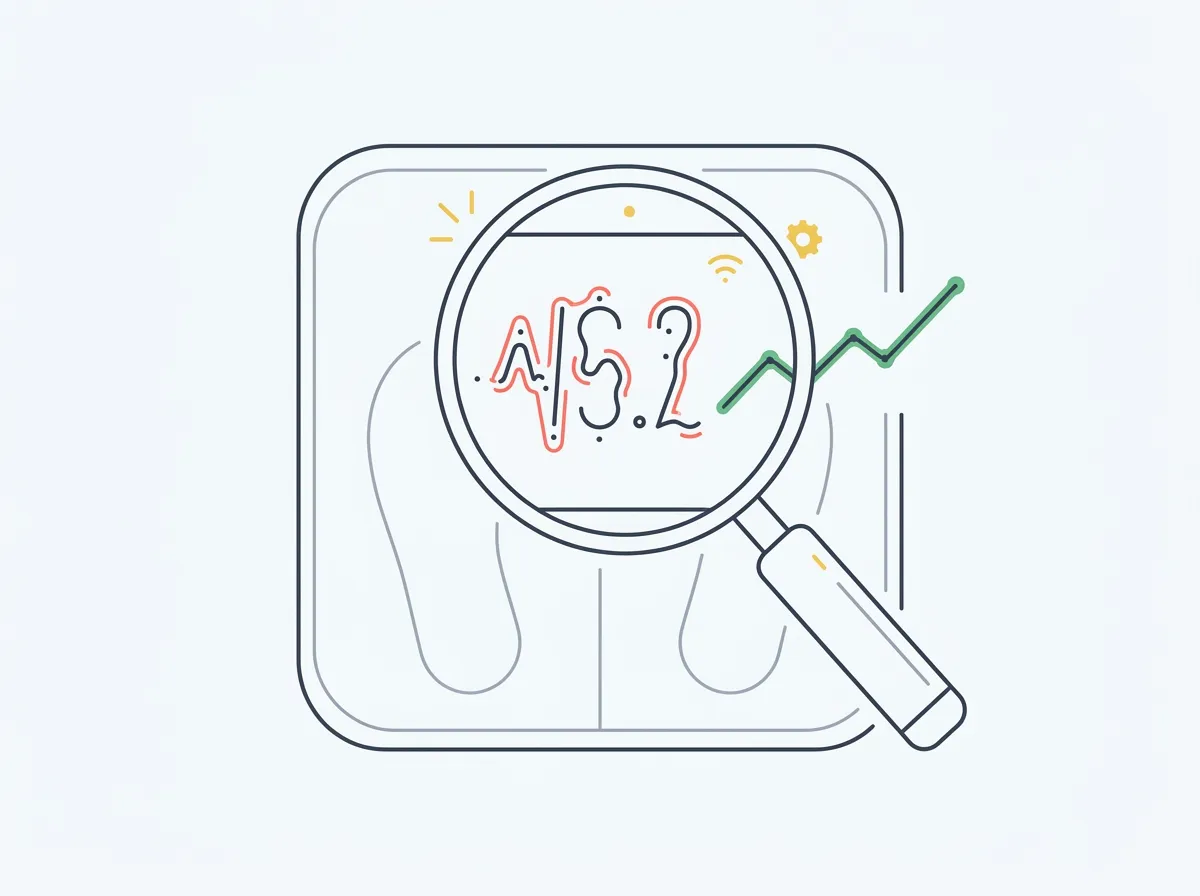
Are Smart Scales Accurate? What the Numbers Actually Mean
A $30 smart scale hands you eight numbers every morning. One of them is genuinely accurate, most are estimates, and a couple are closer to entertainment. Here's the trust ranking, and how to get real value from the scale anyway.
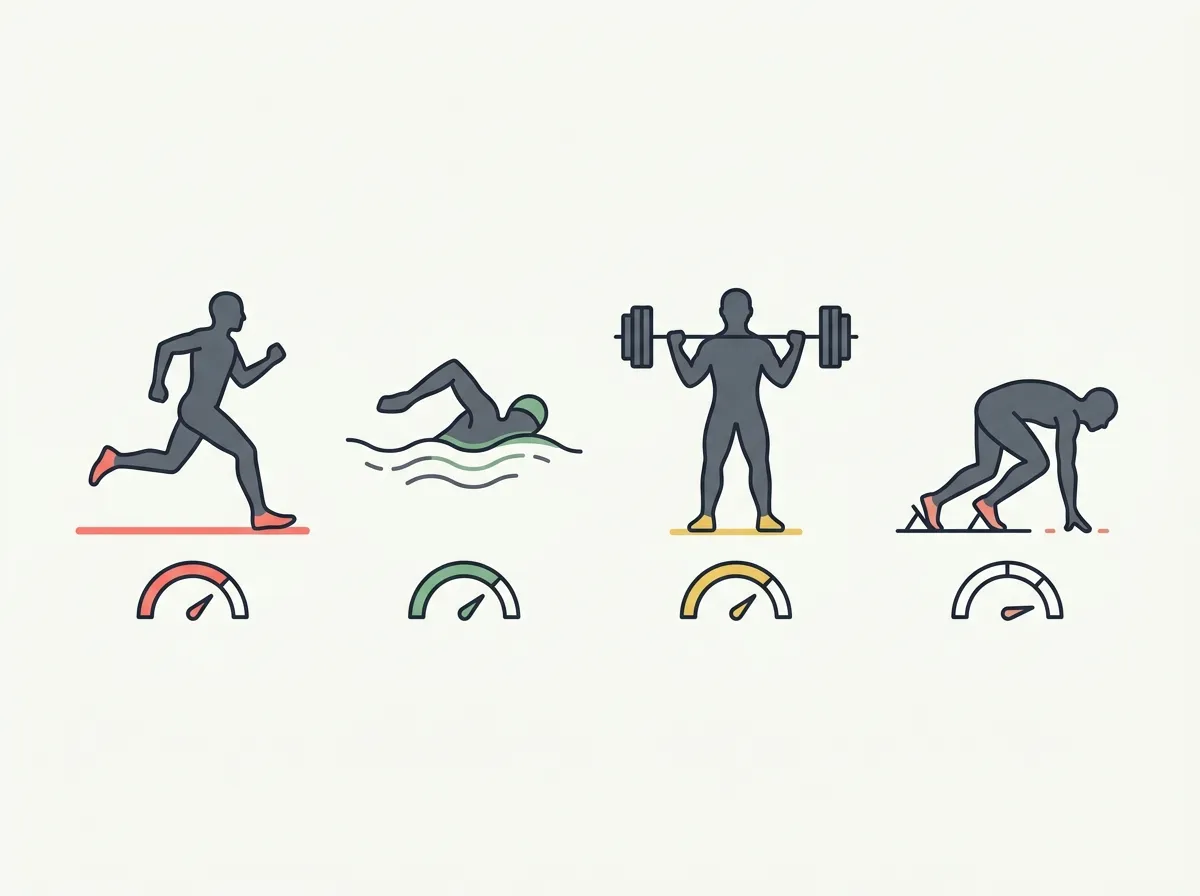
Average Body Fat Percentage for Athletes: By Sport
There is no 'athlete body fat percentage' — a marathoner, a lineman, and a powerlifter can span 20 points and all be elite. The commonly reported ranges by sport, and the case for ignoring most of them when picking your own number.
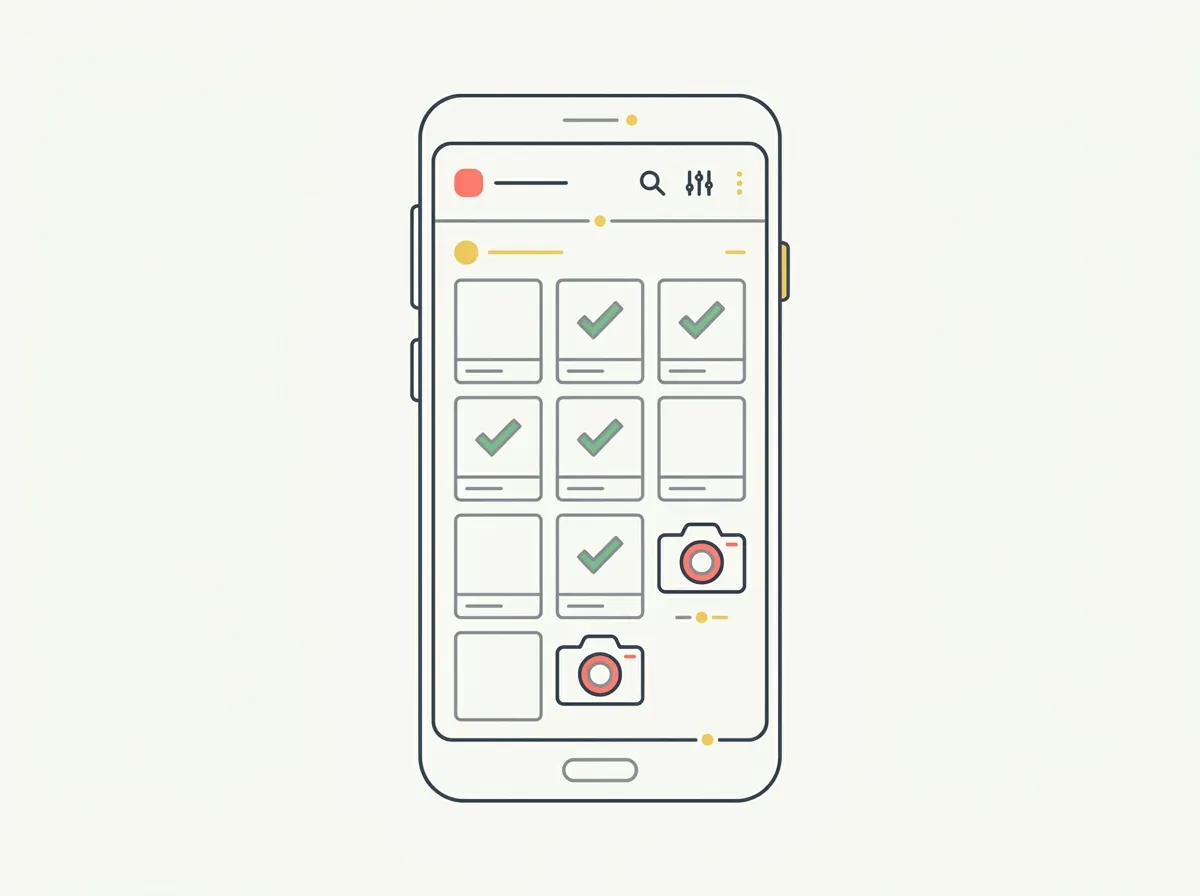
Best Progress Photo Apps for Android (2026): What Actually Works
Search the Play Store for a progress photo app and half the ones people rave about aren't there — including ours. Here's the honest map of what an Android user can actually run in 2026, and why the free option might beat all of them.
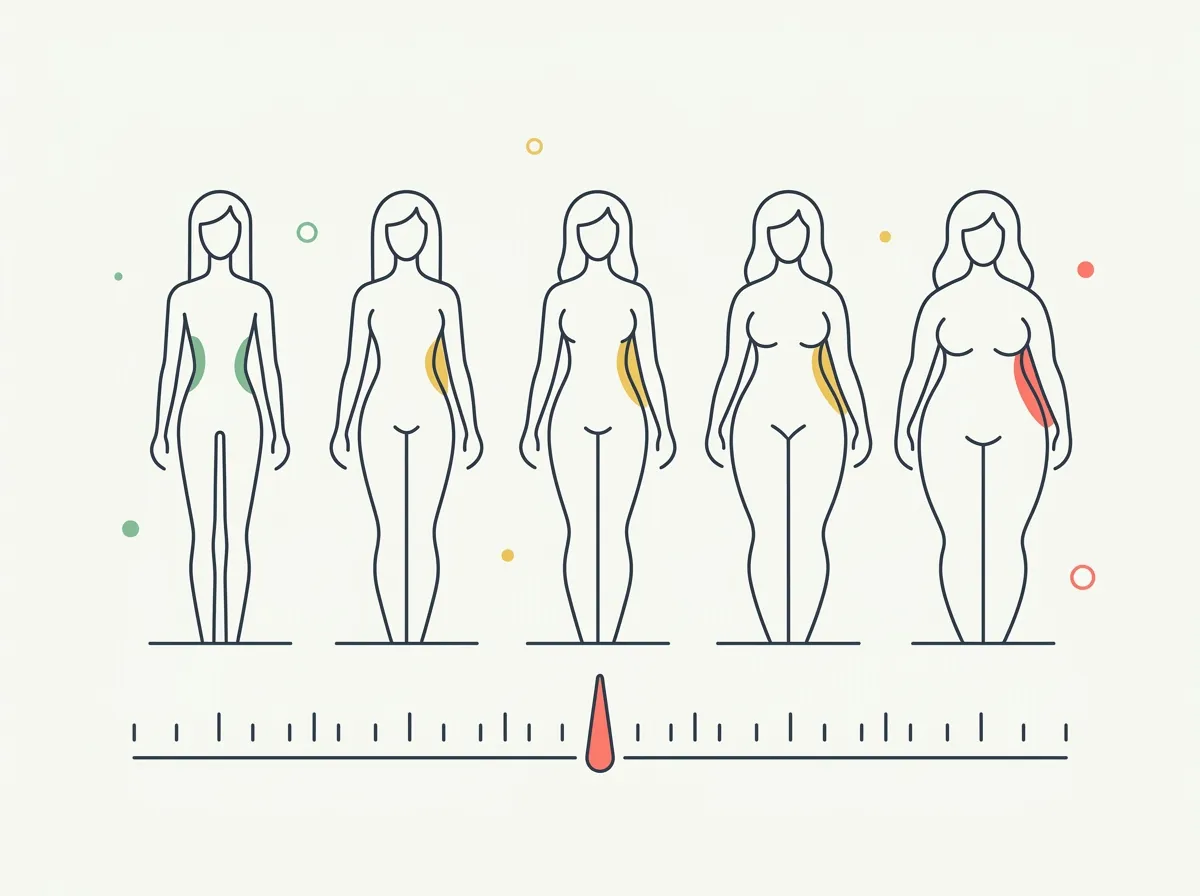
Body Fat Percentage Chart for Women: Photos of Every Level
Search any body fat percentage and most of the photos are men. This chart is the other half: the same woman at six levels from 18% to 42% — same build, pose, and lighting — with an honest description of what changes at each step.
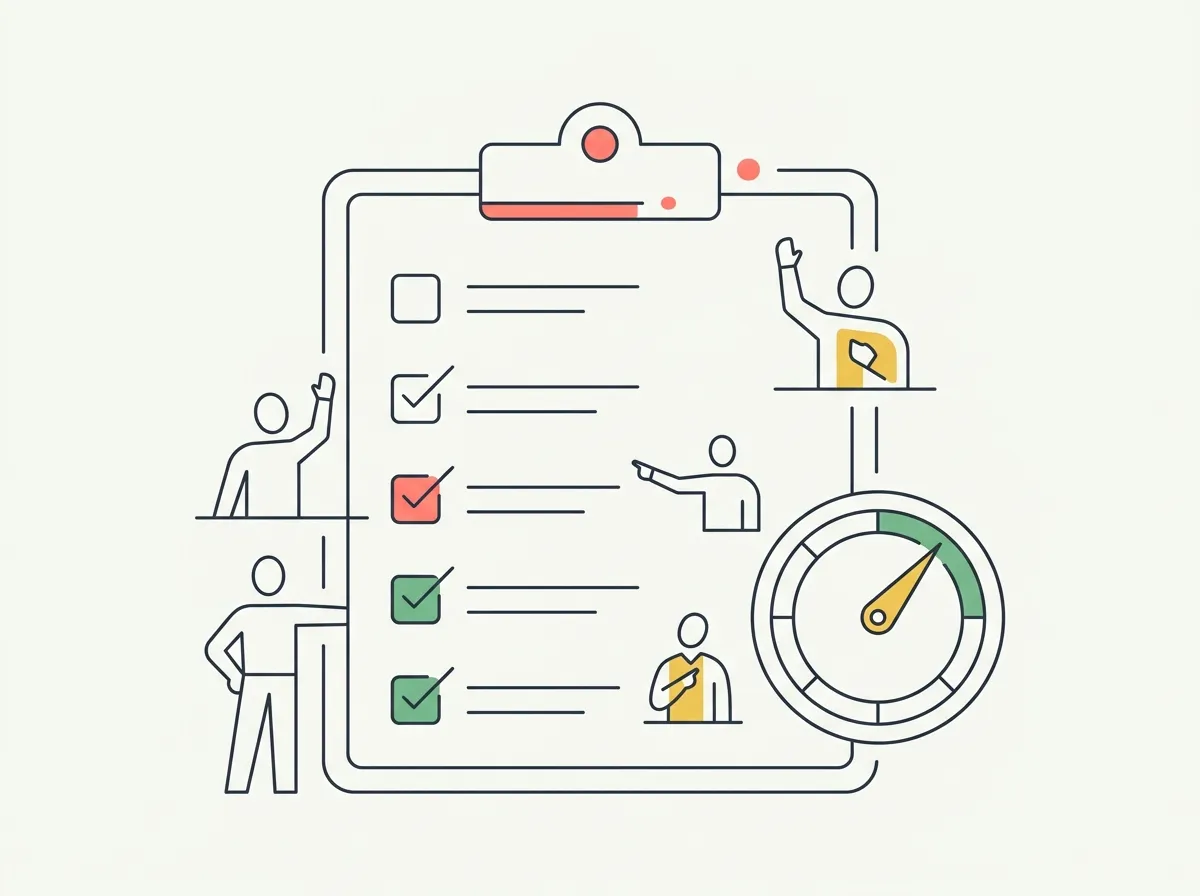
Body Fat Percentage Quiz: Estimate Yours in 2 Minutes (No Photo)
No tape, no scale, no photo — seven observable checks you can answer standing in front of a mirror, scored into a body fat bracket. Honest about its margin, and clear about how to shrink it.
Body Recomposition After Stopping GLP-1s: What to Expect
Weight regain after stopping GLP-1 medications is commonly reported in research — and what the regain is made of matters more than the number on the scale. Here's the composition side of coming off, and what to track so you see change early.
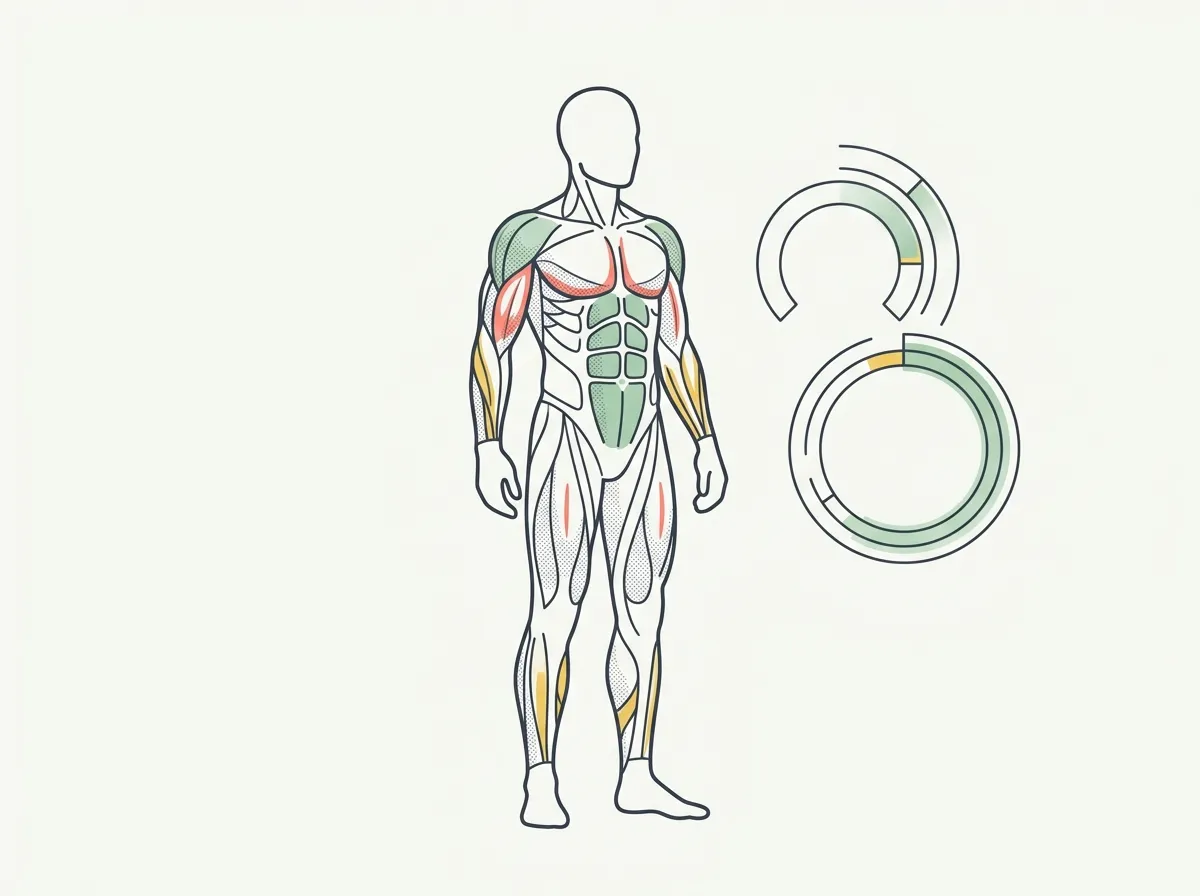
Skeletal Muscle Mass Percentage: What's Good, by Age & Sex
Your scale or InBody screen shows a skeletal muscle mass percentage — but it doesn't tell you whether the number is good. Here's what it actually measures, how it differs from lean body mass, the commonly cited bands by sex and age, and the unglamorous way to raise it.
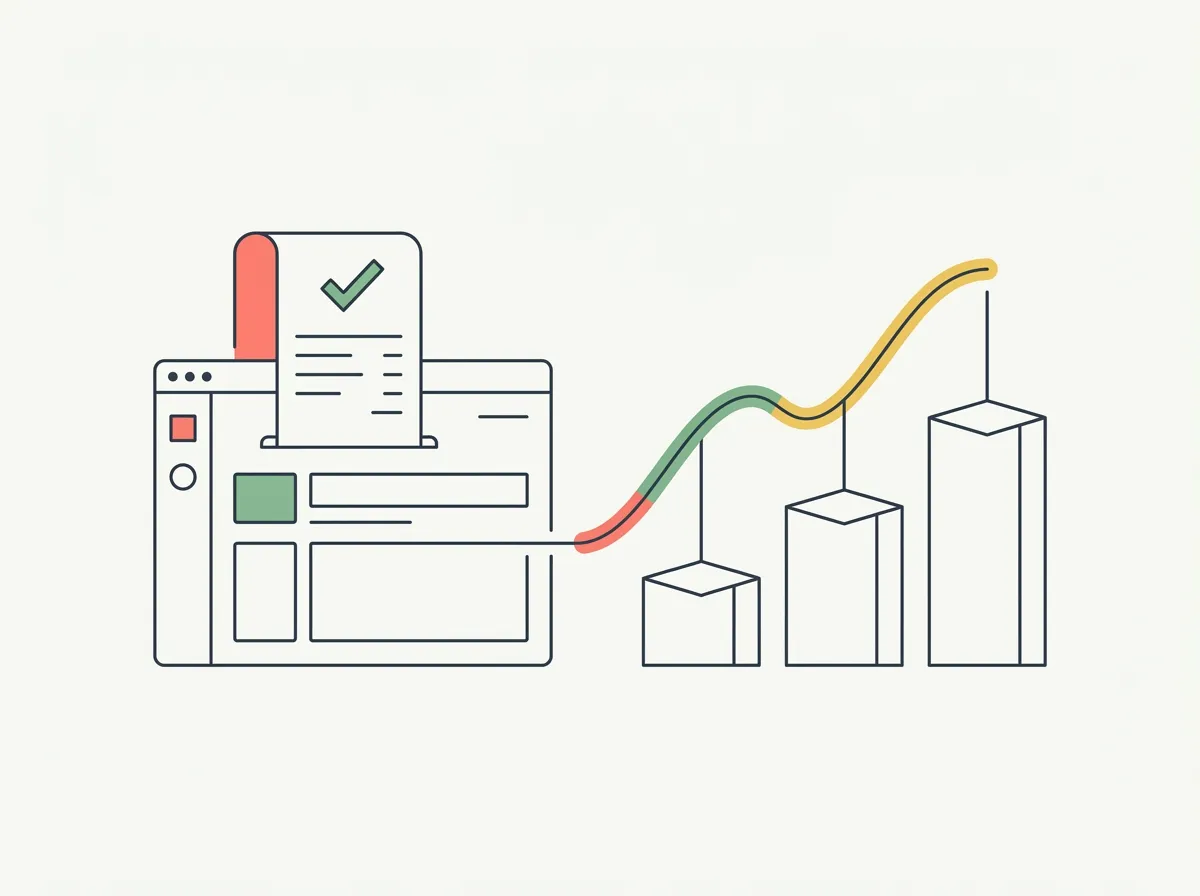
How I Use SEO Receipts to Share Verified SEO Traffic
Why I built a TrustMRR-style proof layer for SEO, and how I use it to track, compare, and share GainFrame's organic traffic.
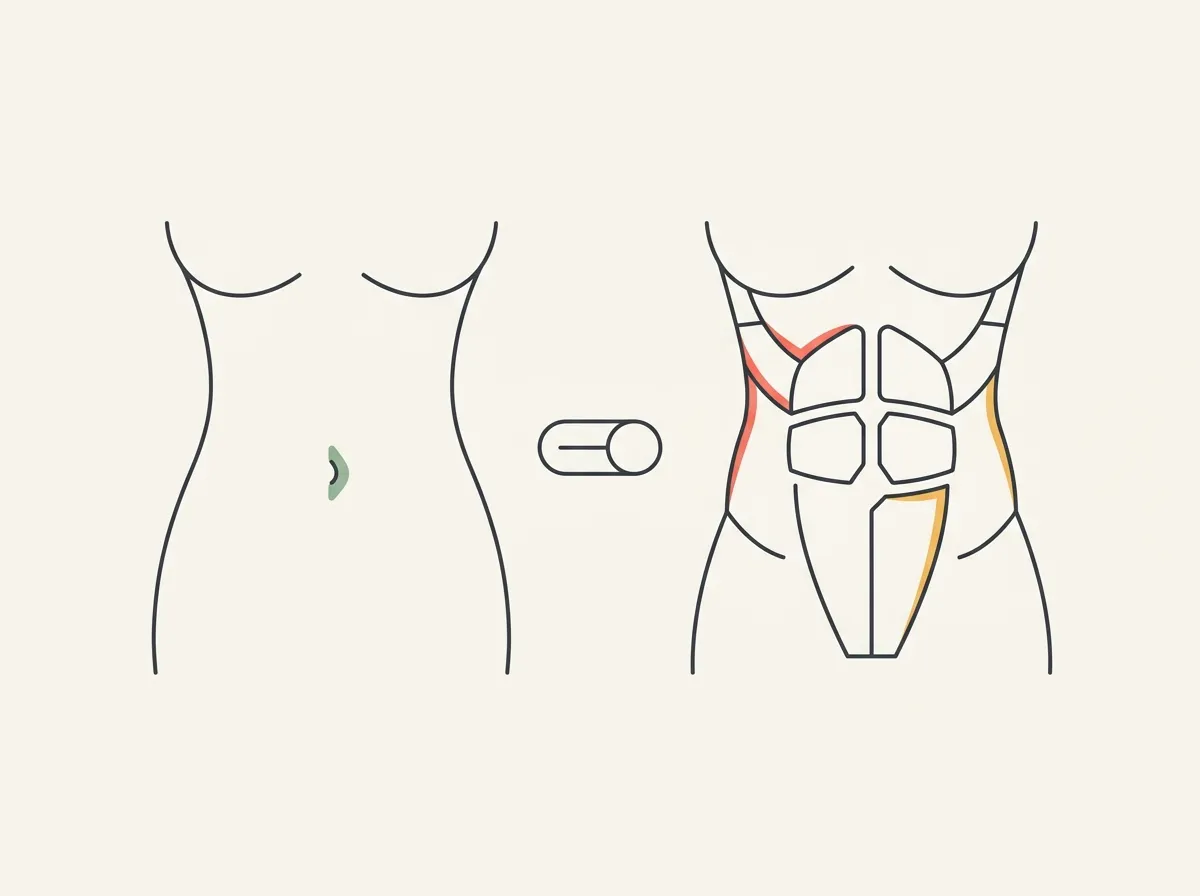
Why Your Abs Only Show When You Flex (and What Changes That)
Flex in the mirror: six ridges. Relax: smooth. That gap is a few millimeters of fat sitting over a contracted versus a slack muscle — and closing it takes a few more points of body fat, which is smaller than it sounds.
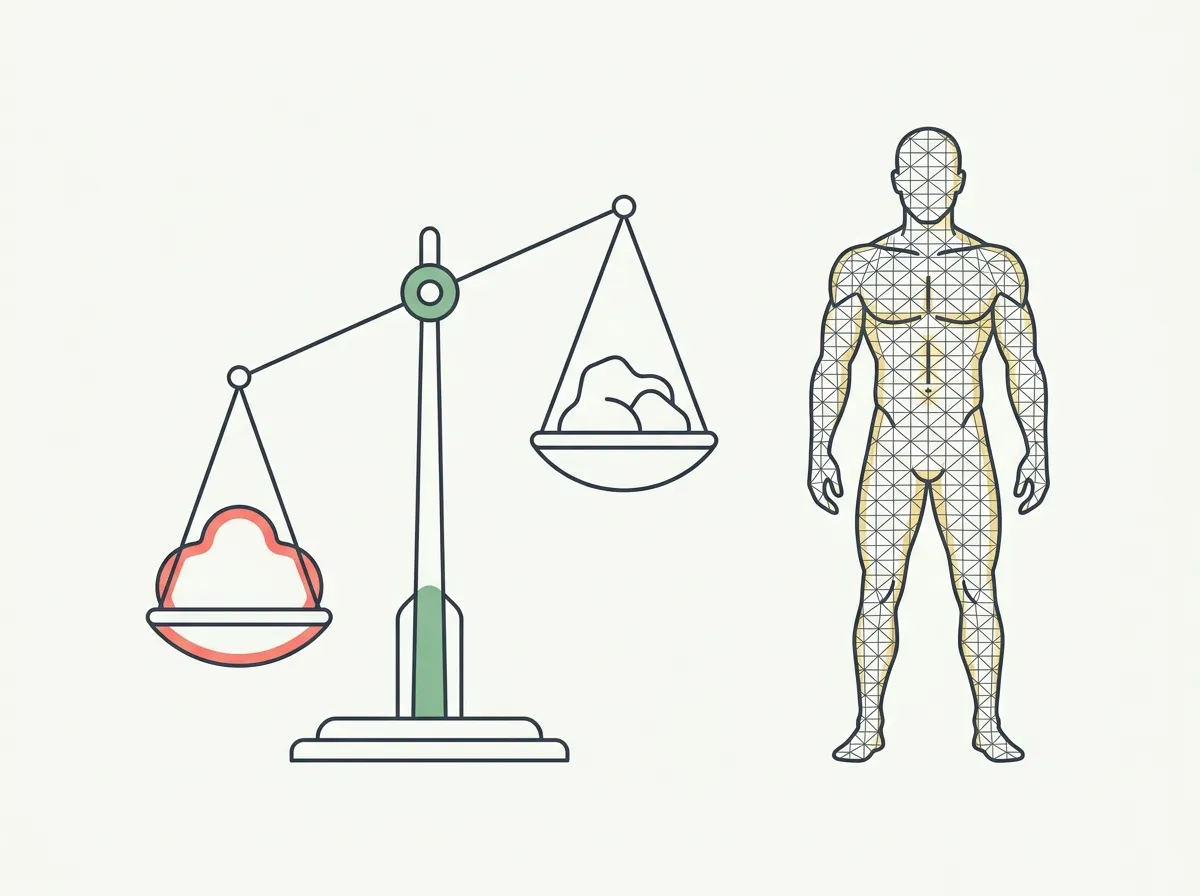
Why Do I Weigh More Than I Look? The Density Answer
People guess your weight 15 pounds low and don't believe the real number. That gap is mostly muscle density doing its job — and it means the scale is describing you worse than almost anyone else it weighs.
Am I Overtraining? A 2-Minute Self-Check
Your lifts are stalling, your sleep is worse, and you're starting to dread sessions you used to love. Eight yes/no checks tell you whether that pattern looks like normal fatigue, functional overreaching, or something worth taking to a clinician.
Average Shoulder Width for Women: Measurements & What Changes It
Bone-to-bone, the average woman's shoulders span roughly 14 to 15 inches — a number no exercise moves. Everything else that reads as broad or narrow is posture, proportion, and trainable muscle. Here's how to tell which is which.
Face Fat and Body Fat: Why Your Face Leans Out First
You can't send fat loss to an address — the face leans out when overall body fat drops, on a schedule your genetics already picked. The encouraging part: for a lot of men that schedule starts with the face, which makes the mirror your earliest proof the deficit is working.
How Lean Can You Get Naturally (and Stay There)?
Stage-lean and livable-lean are two different numbers, and chasing the wrong one is why so many cuts end in a rebound. The essential fat floors, what chronic leanness commonly costs, and an 8-week test to find the leanest level you can actually keep.
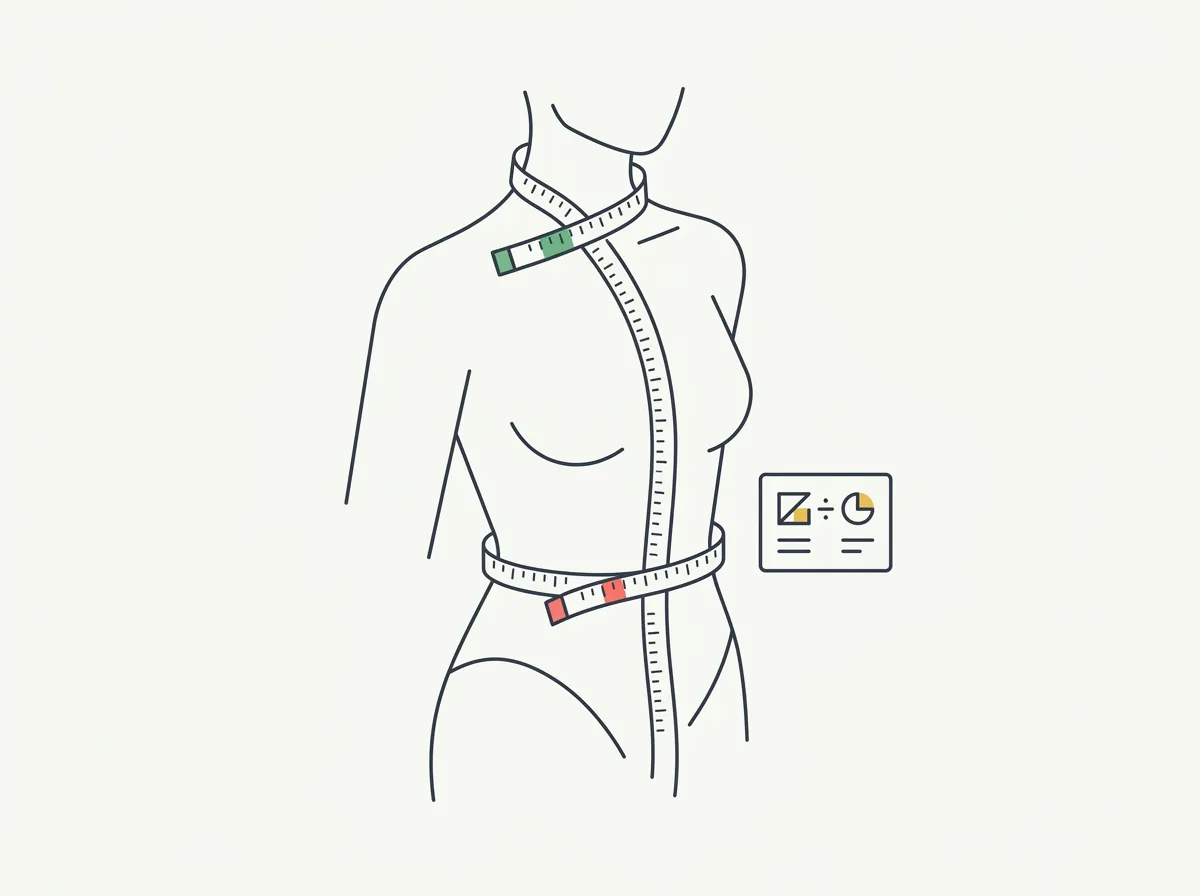
How to Measure Body Fat With a Tape Measure (Navy Method)
A tape measure and a logarithm can estimate your body fat within a few points of a DEXA scan - if your technique is clean. The Navy method formulas, the exact protocol, a worked example, and the cases where the tape lies.
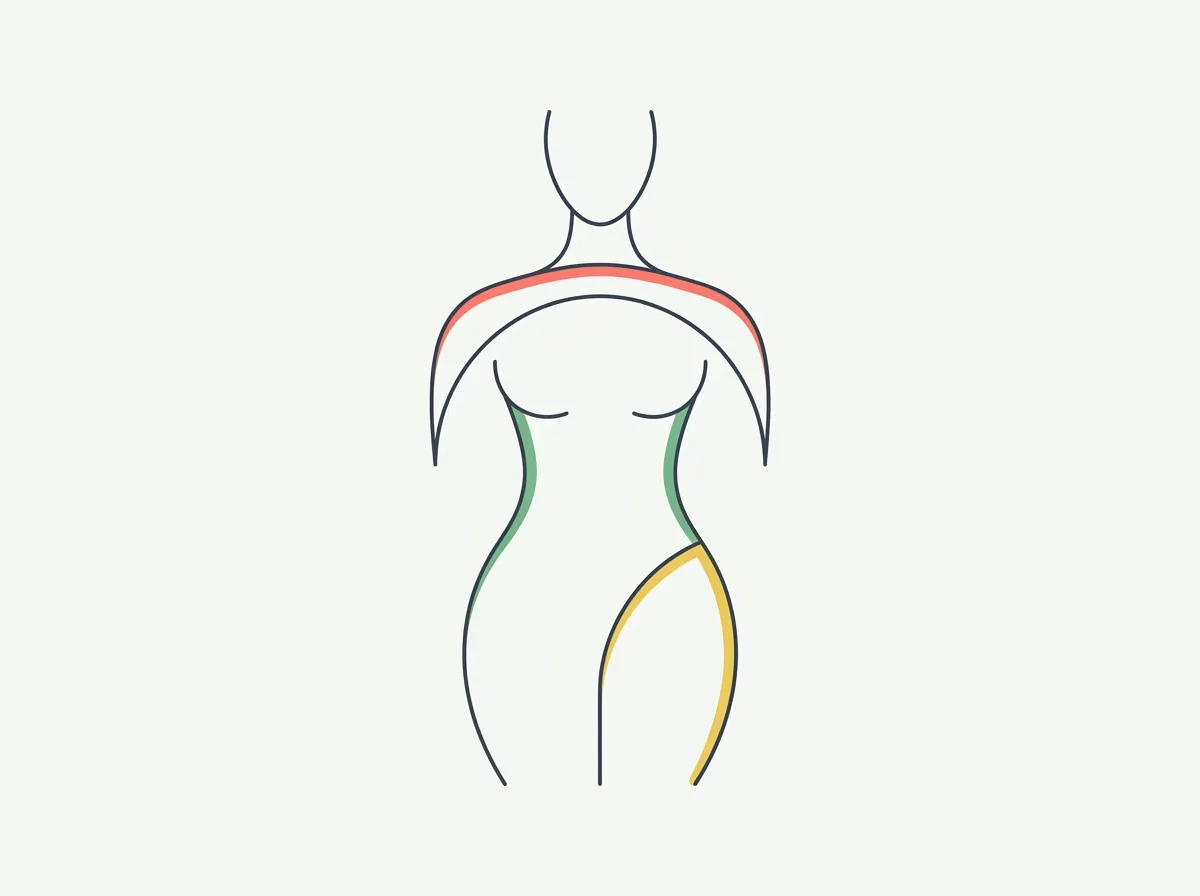
Ideal Body Measurements for Women: Averages, Ratios & What They Mean
Search this phrase and you'll get a sixty-year-old pageant cliché presented as a target. Here's the honest version: why fixed numbers fail, the frame-relative ratios that actually mean something, and which proportions training can change.
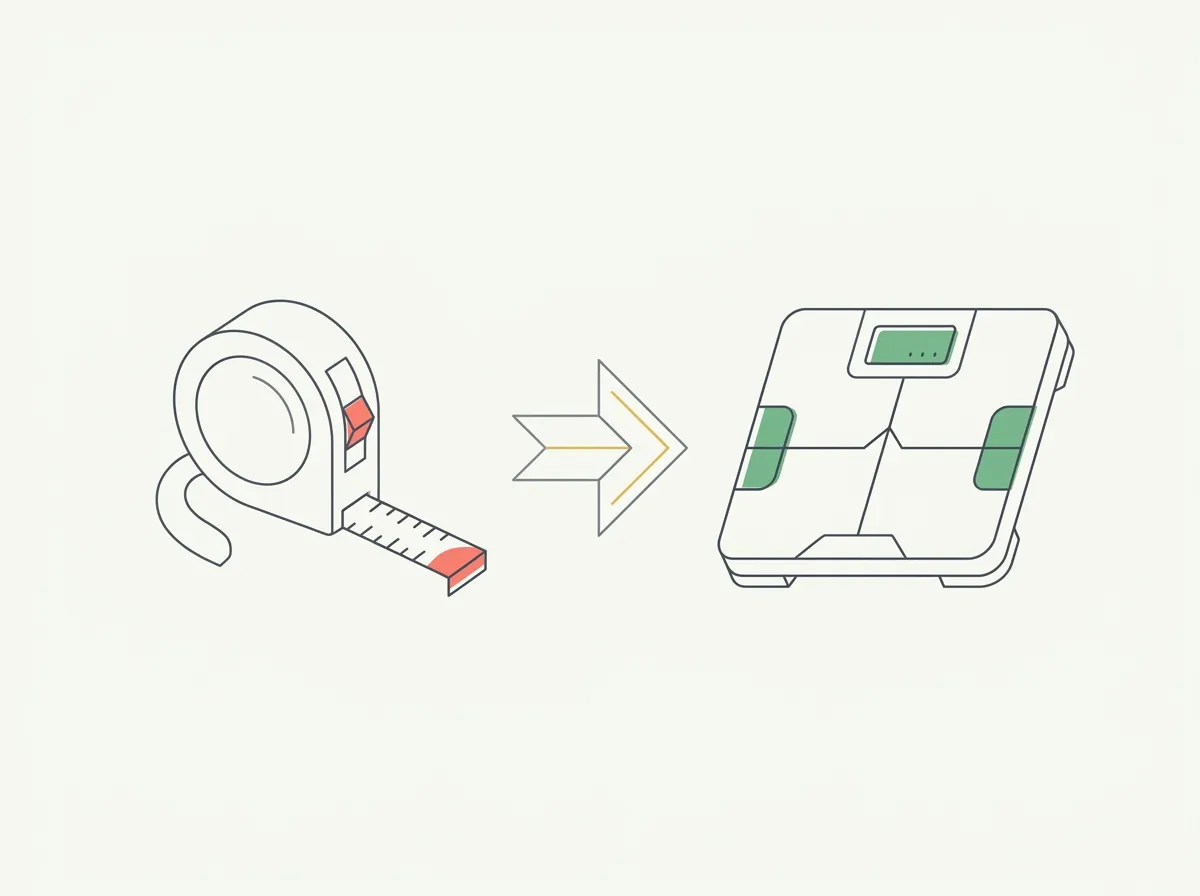
Tape Measure vs Smart Scale: Which Should You Trust?
One costs $5 and measures the thing you care about directly. The other costs $60 and models it from an electrical current that changes every time you drink water. Which to trust depends on the question you're asking.
Losing Inches but Not Weight? That's Recomp Working
Your belt moved a notch and the scale refused to. That combination has a name — body recomposition — and the scale is the one instrument that physically cannot see it. The density math, the water noise, and how to confirm you're actually winning.
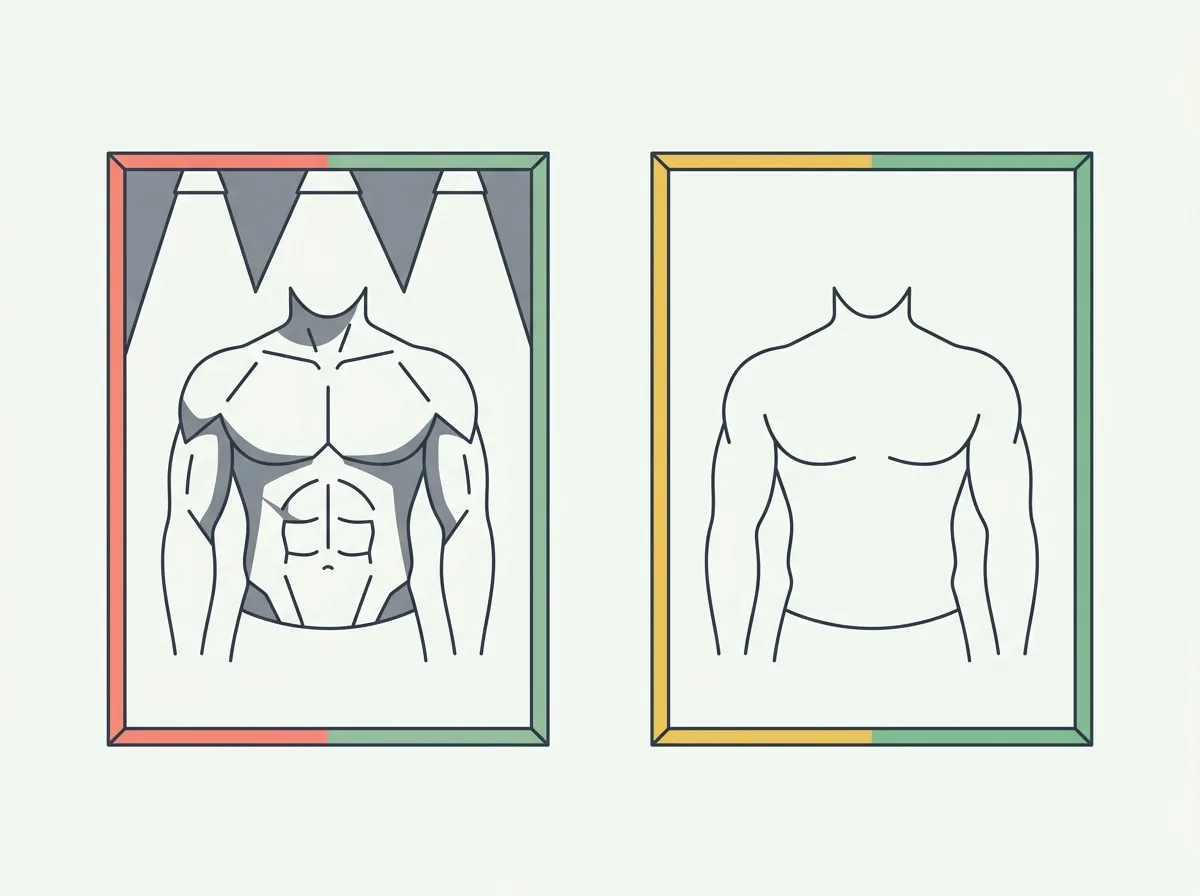
Why You Look Better in the Gym Mirror (It's Not in Your Head)
You leave the gym looking like the plan is working and get home to a bathroom mirror that disagrees. Both mirrors are reporting real conditions — light, blood flow, even the glass itself — and neither one is the referee. Here's what each is doing, and what to trust instead.
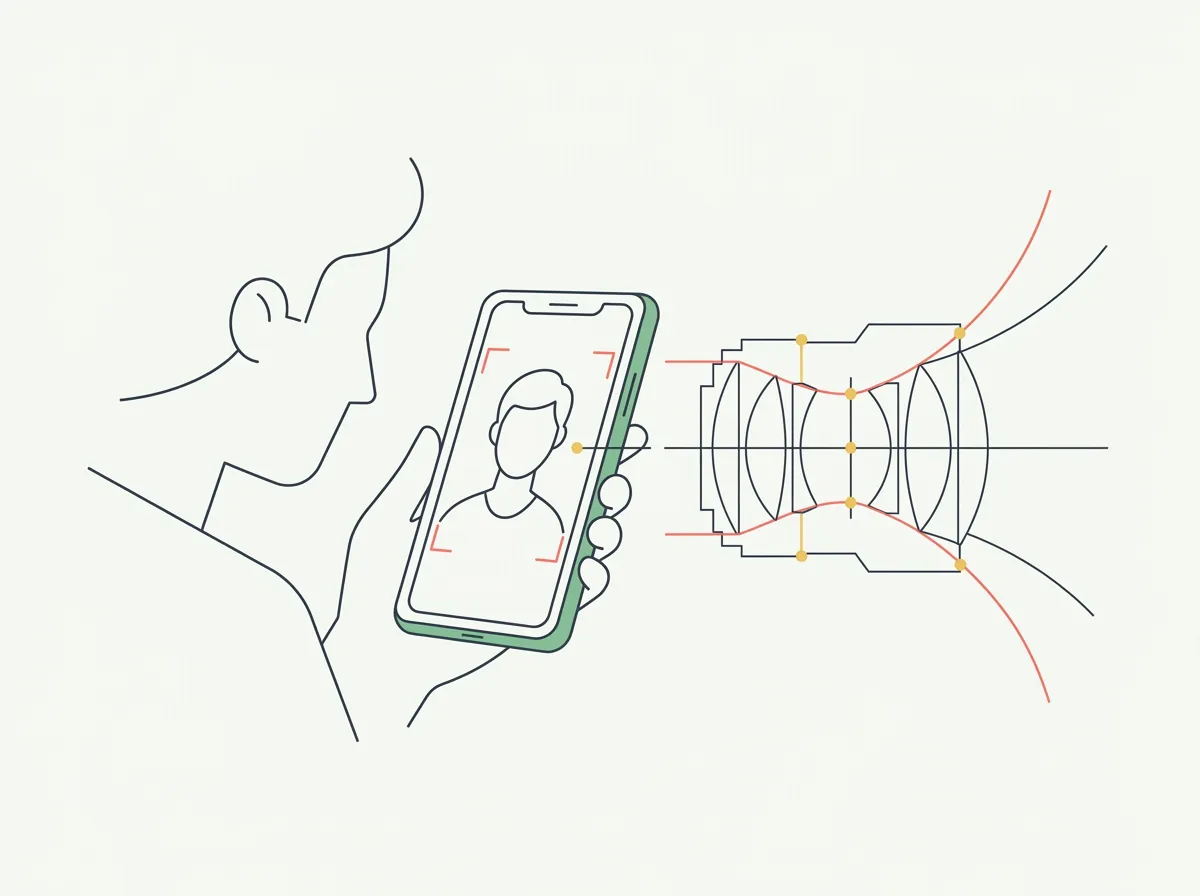
Why Do I Look Fat in Pictures (But Not the Mirror)?
The mirror says one thing, the tagged photo says another, and you'd rather trust the mirror. Some of the gap is real camera distortion you can name and remove, and some of it is a kinder truth about familiarity. Here's how to tell which is which.
Download GainFrame today
Sign up for early access and be the first to know when GainFrame goes live.