Useful fitness answers, without the noise.
Evidence-minded guides for people who care more about visible progress than another number on the scale.
Reading about progress is useful. Seeing yours is better.
Turn one gym photo into body-fat, FFMI, and muscle-group trends, then keep the signal going with consistent check-ins.
4.9 ★ from 35 ratings · 5,000 lifters · Private by design
Latest articles
Practical guidance on body composition, progress photos, training, and the work behind GainFrame.
Showing 1–30 of 274 posts

75 Hard vs 75 Soft: Rules, Recovery and Tracking Your Progress
Compare 75 Hard and 75 Soft rules, workout commitments, recovery and photo requirements. Build a consistent tracking routine before choosing your challenge.
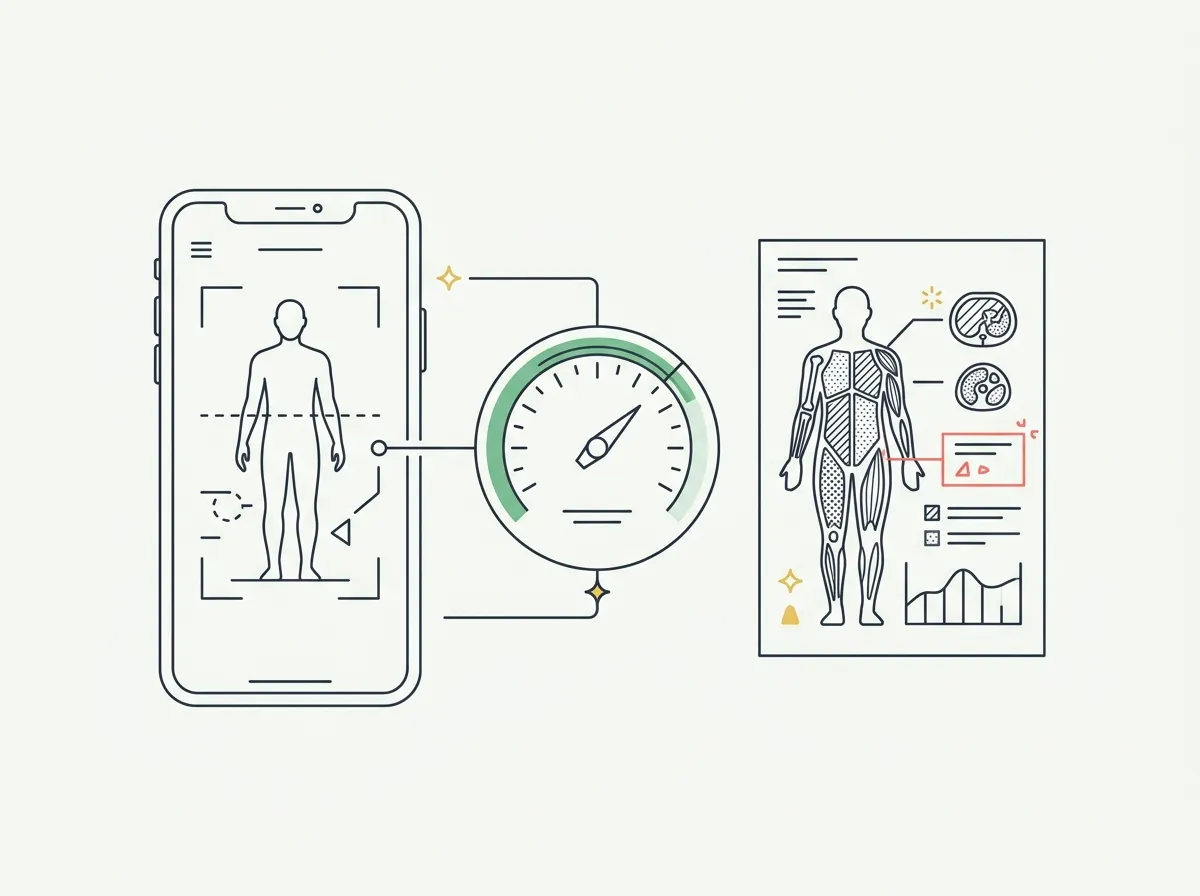
5 Best AI Body Fat Estimator Apps in 2026
Compare five available body-fat apps by photo inputs, 3D scans, tracking, published evidence and current US App Store ratings. Updated October 2026.
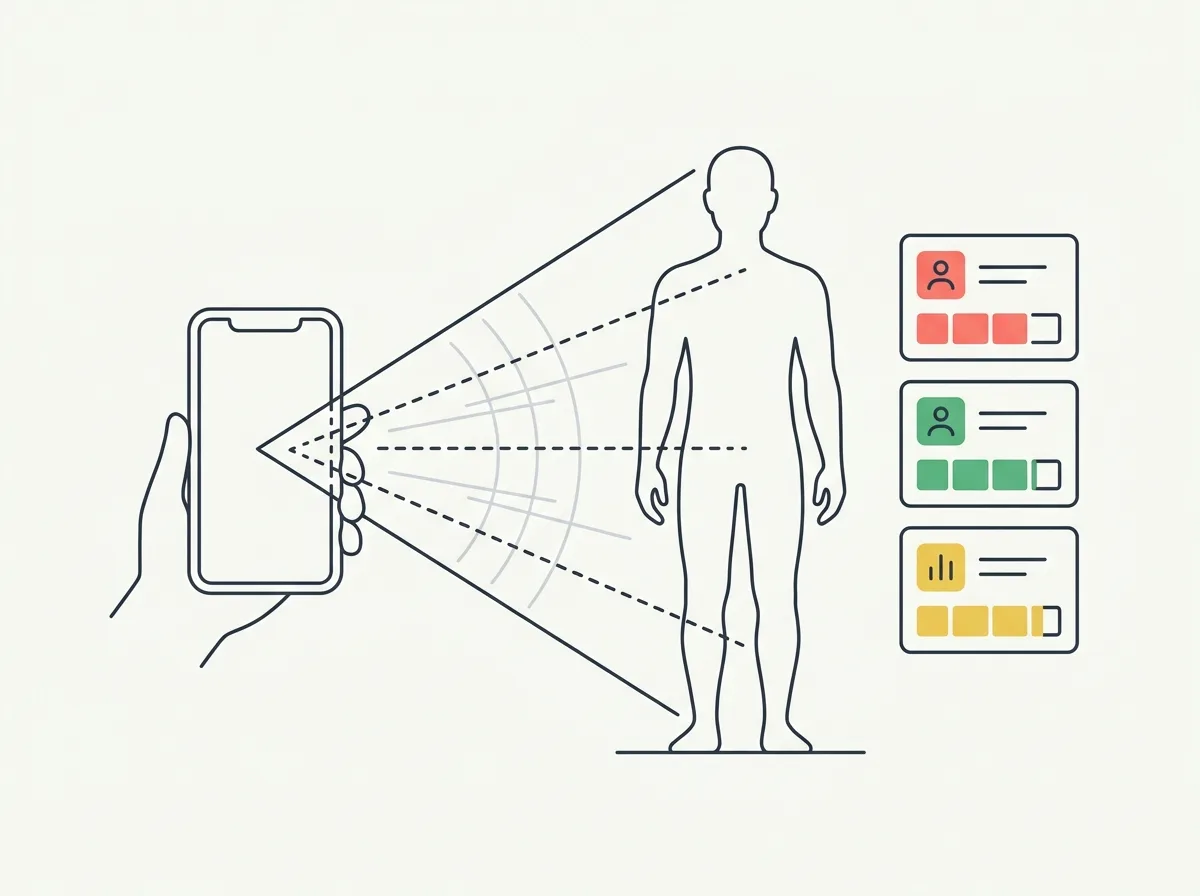
Body Fat Scanner Apps Compared: Photos, 3D Scans and Limits
Compare five current body-fat scanner apps, their photo and 3D workflows, free versus paid access, privacy claims and the limits of accuracy evidence.
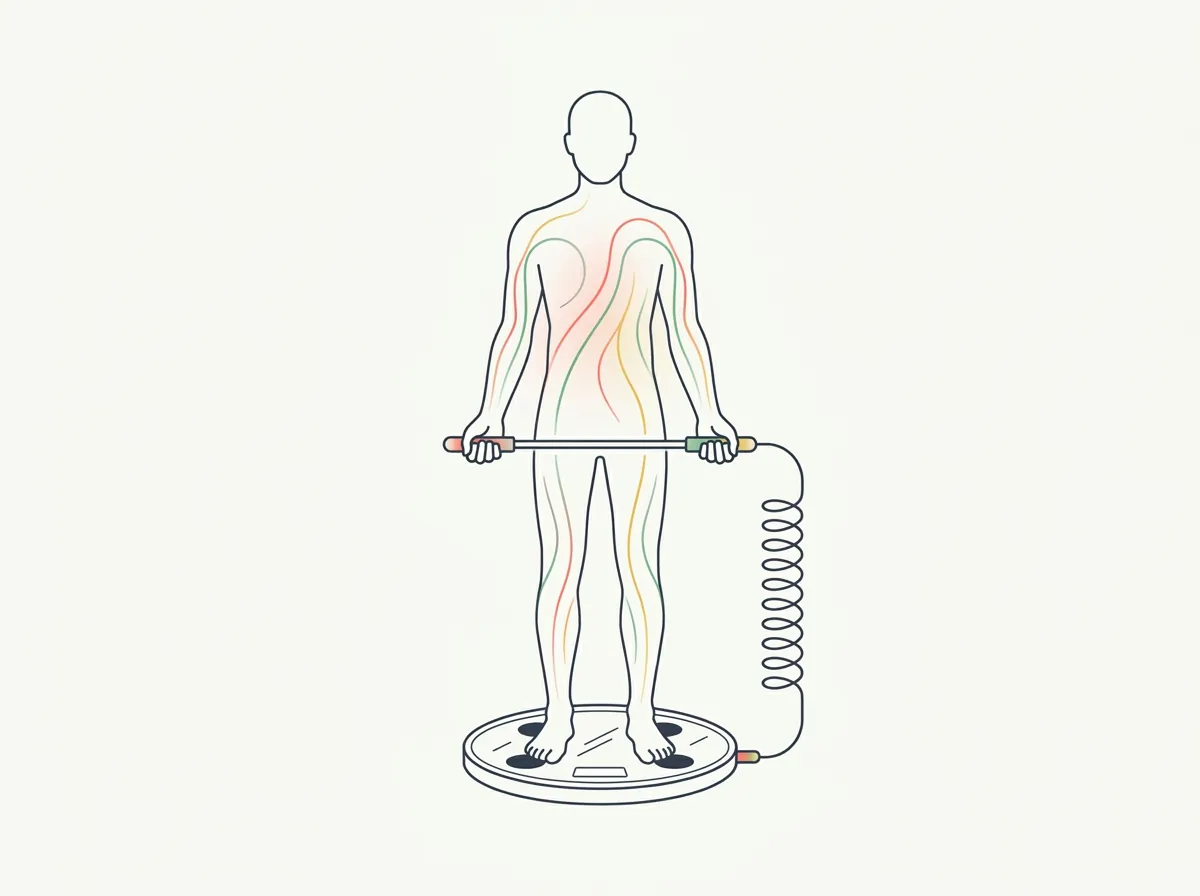
Hume Body Pod Review (2026): Accuracy, Price & Subscription
Review the original Hume Body Pod: hand-and-foot BIA, accuracy limits, current purchase checks, optional app subscriptions and consistent progress tracking.
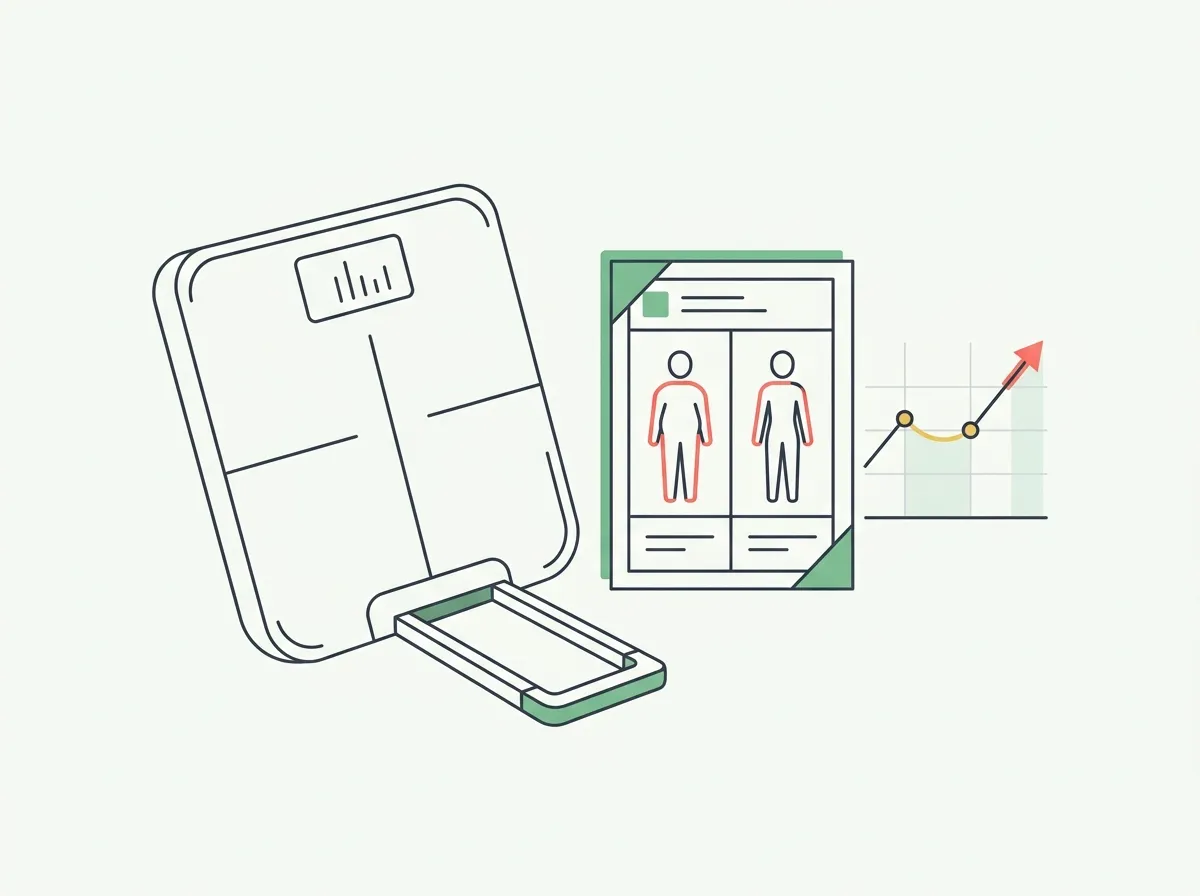
Withings BodyScan 2: Features, Costs and Tracking for Lifters
Compare Withings BodyScan 2 with the original Body Scan: US price, subscription limits, Apple Health, and a practical tracking routine for lifters.
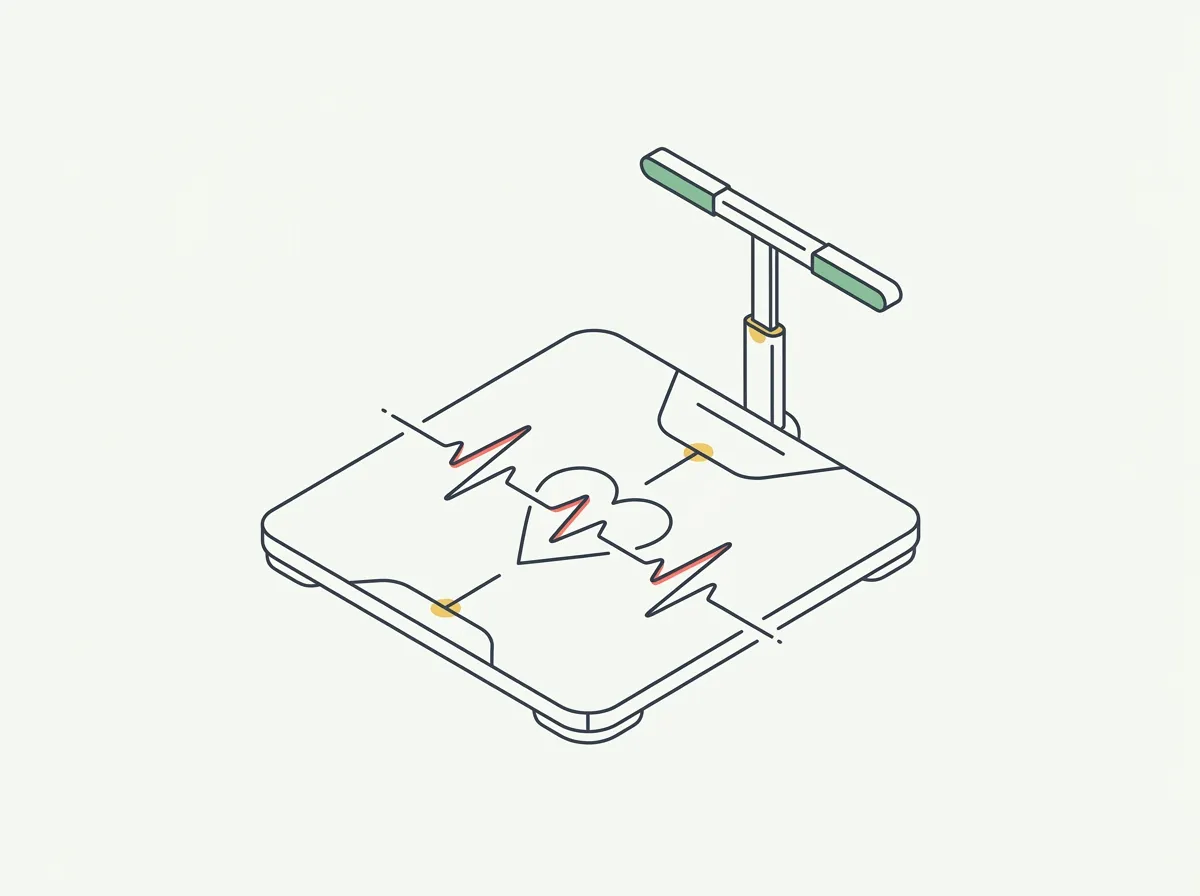
Withings Body Scan Review: Original Model Features and Limits
Review the original Withings Body Scan: segmental BIA, regional health features, optional subscriptions, Apple Health and the limits of accuracy claims.
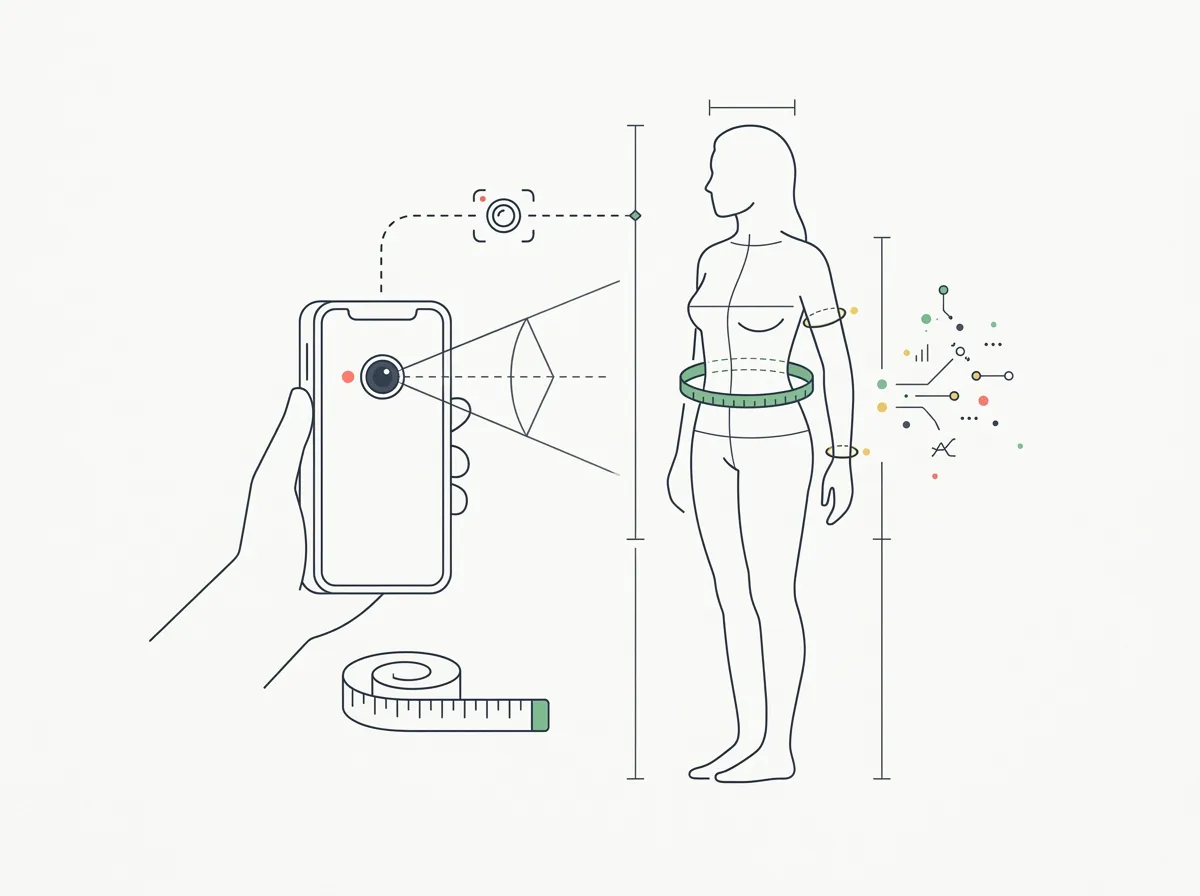
7 Best Body Scanning & Measurement Apps in 2026 (Compared)
3D scans, tape-free measurements, manual logs, and AI progress photos answer different questions. Compare seven options by method, features, and the tracking job they serve.
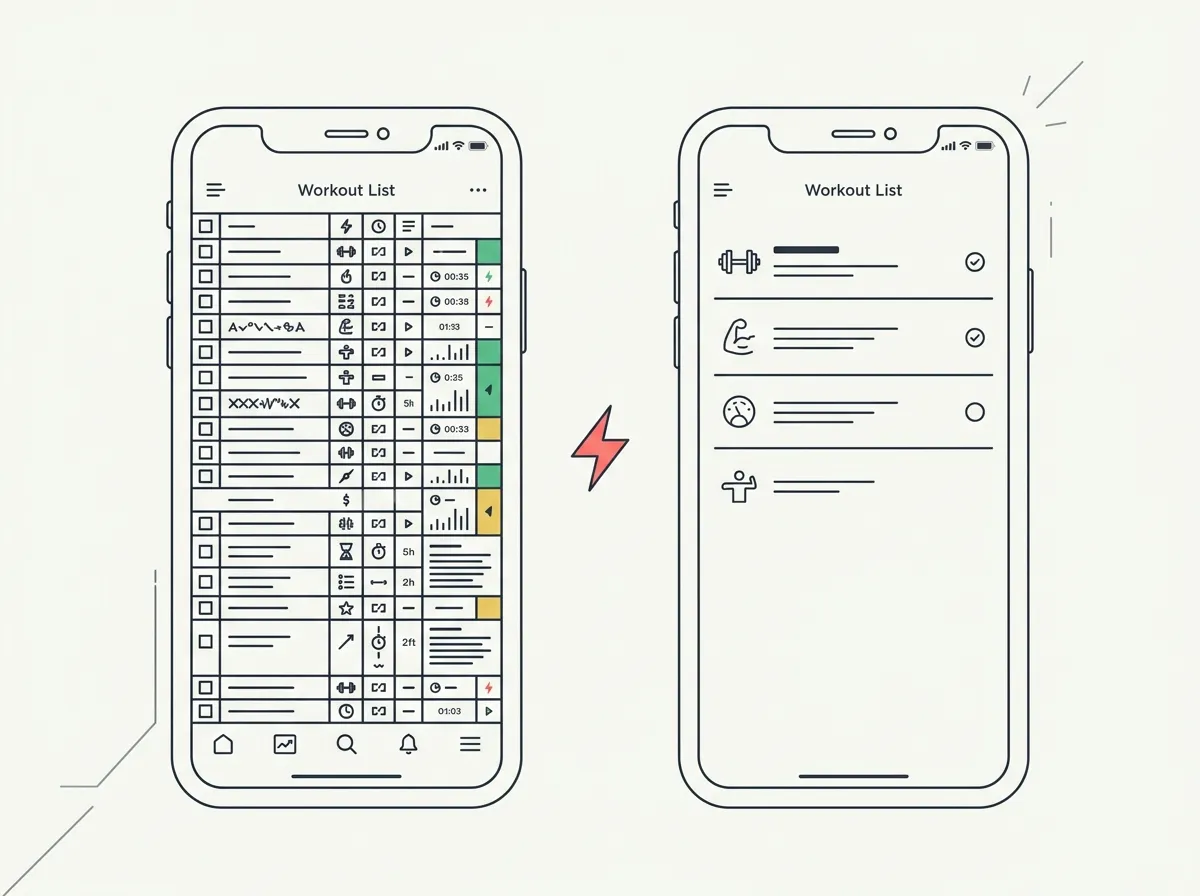
Jefit vs Hevy (2026): Which Workout Tracker Wins?
Compare the routines you can build, the devices you use, and the progress records each app supports. Product documentation and US App Store data checked October 9, 2026.

Natty Limit: How Big Can You Get Naturally? (With Real Numbers)
FFMI puts fat-free mass in relation to height. Here is what the often-cited research actually measured, how uncertain inputs affect the result, and what to record when progress slows.

Visceral Fat Level: What Your Number Means and What's Healthy
Understand your scale’s visceral fat rating, check the manufacturer’s ranges, and learn why photos and individual readings cannot confirm internal fat changes.
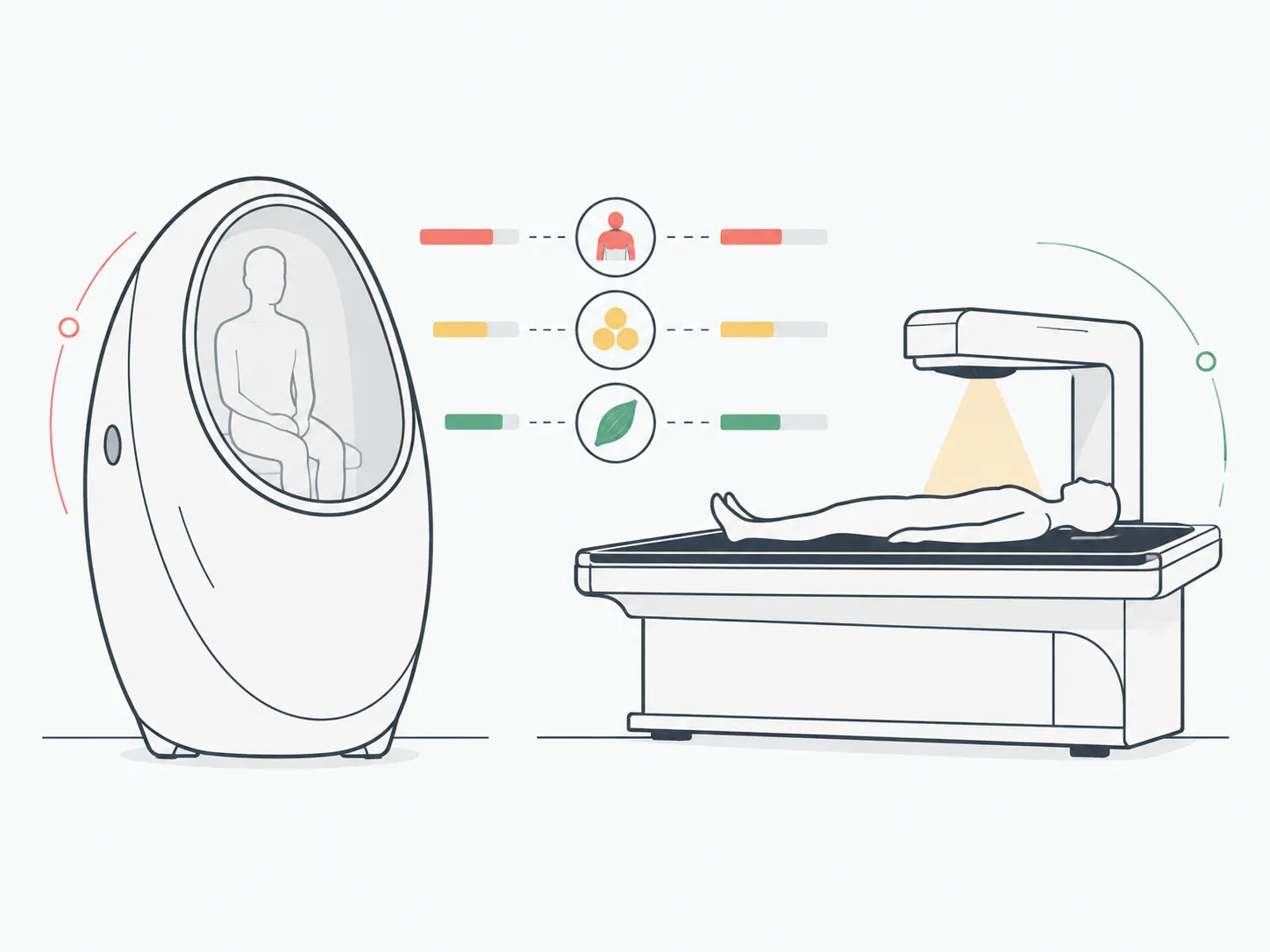
BOD POD vs DEXA: Reports, Accuracy and Repeat Testing
A sourced methods comparison with a real GE Lunar report. Choose the information you need and a test protocol you can repeat.
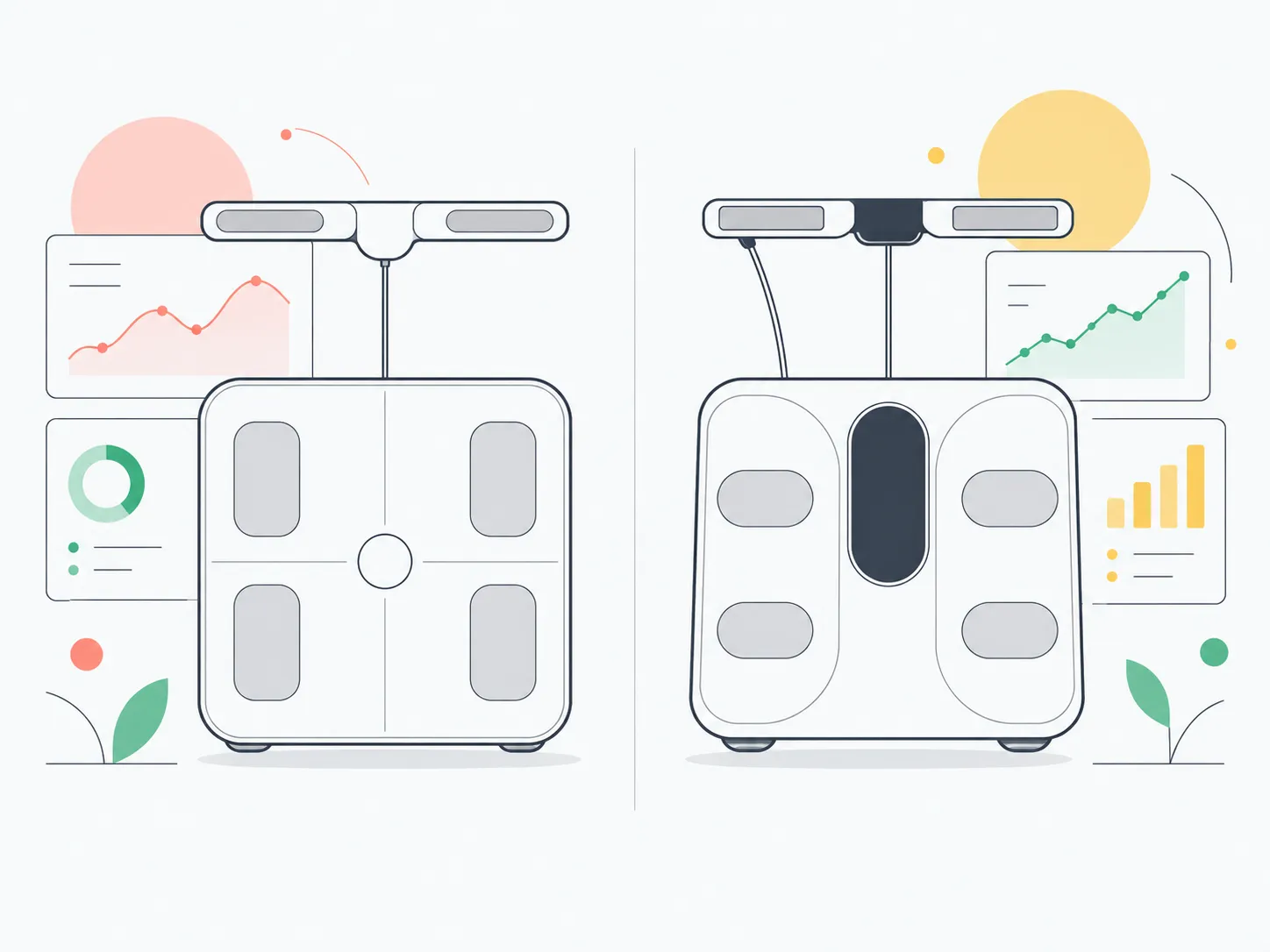
Oxiline vs Hume: Scale MD Pro and Body Pod Compared
Choose the hardware and app workflow you will use. Here is what the published specifications establish, what costs extra, and what they cannot prove about accuracy.
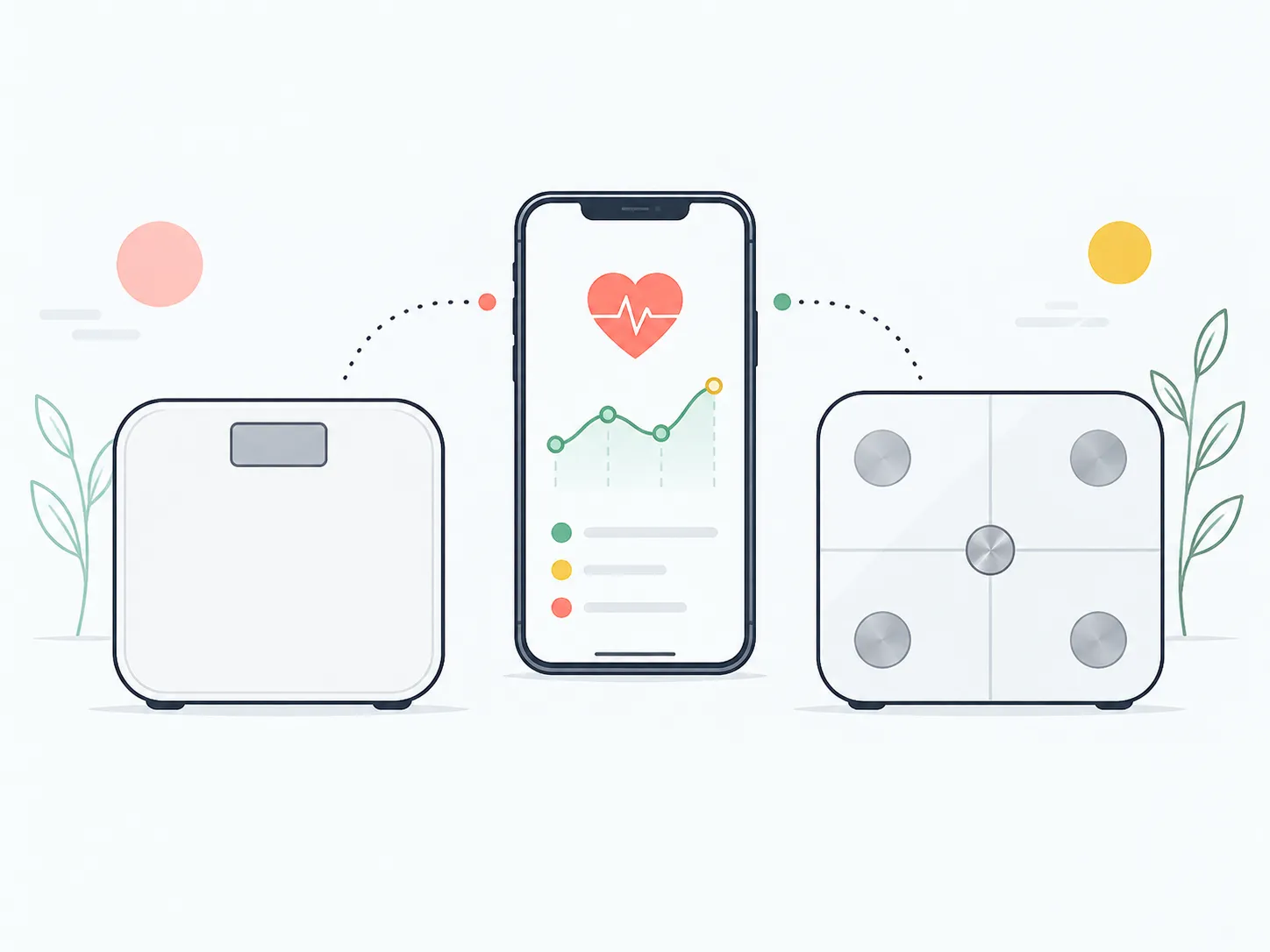
RENPHO vs Withings: Which Scale Fits Apple Health?
A model-specific comparison of Elis 1 and Body Smart, including the difference between Wi-Fi upload and Apple Health export.
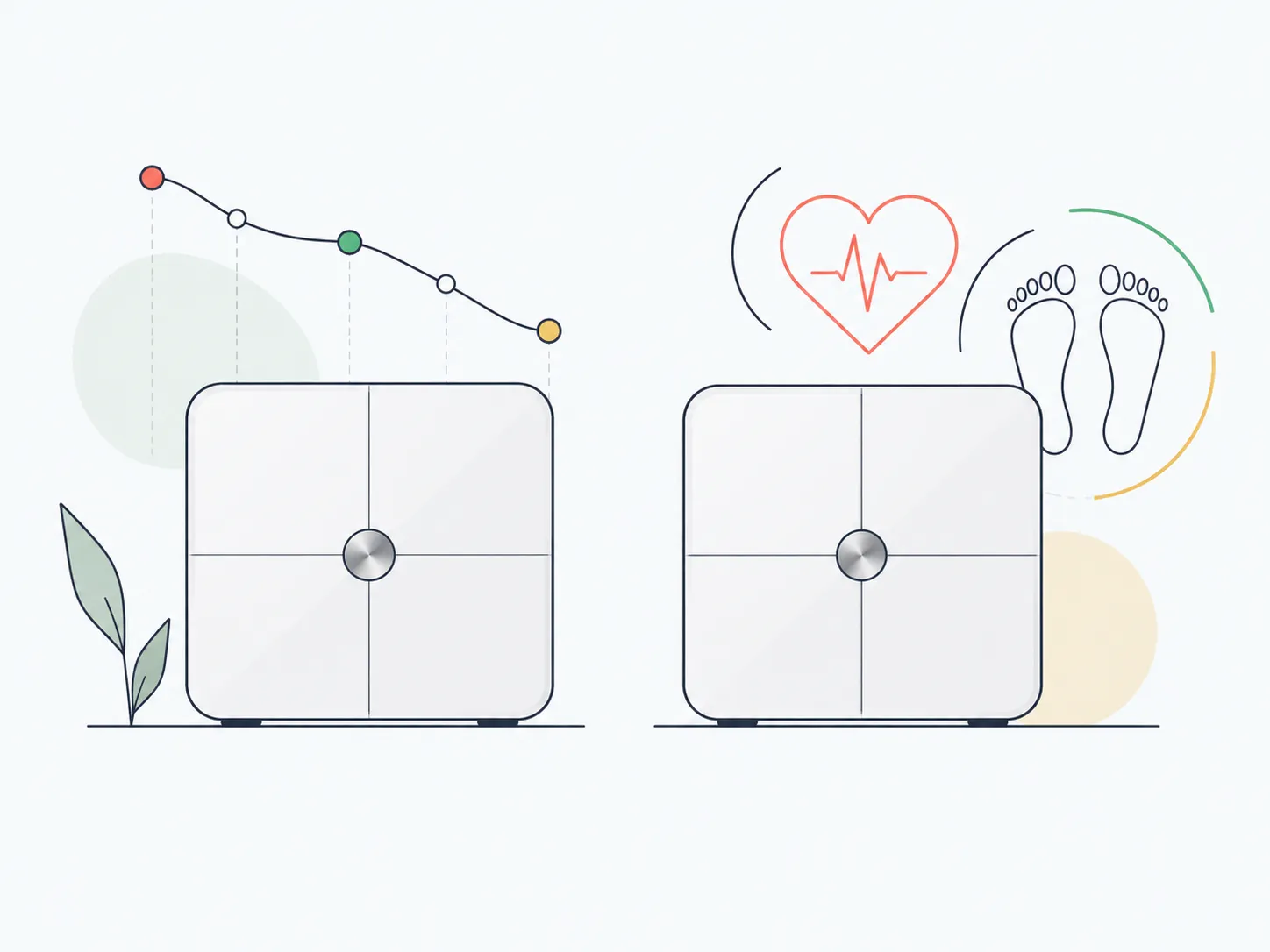
Withings Body Smart vs Body Comp: Which Is Worth It?
Body Smart covers the common weight-tracking routine. Body Comp adds specific health metrics. Here is how to decide whether those extras are useful to you.
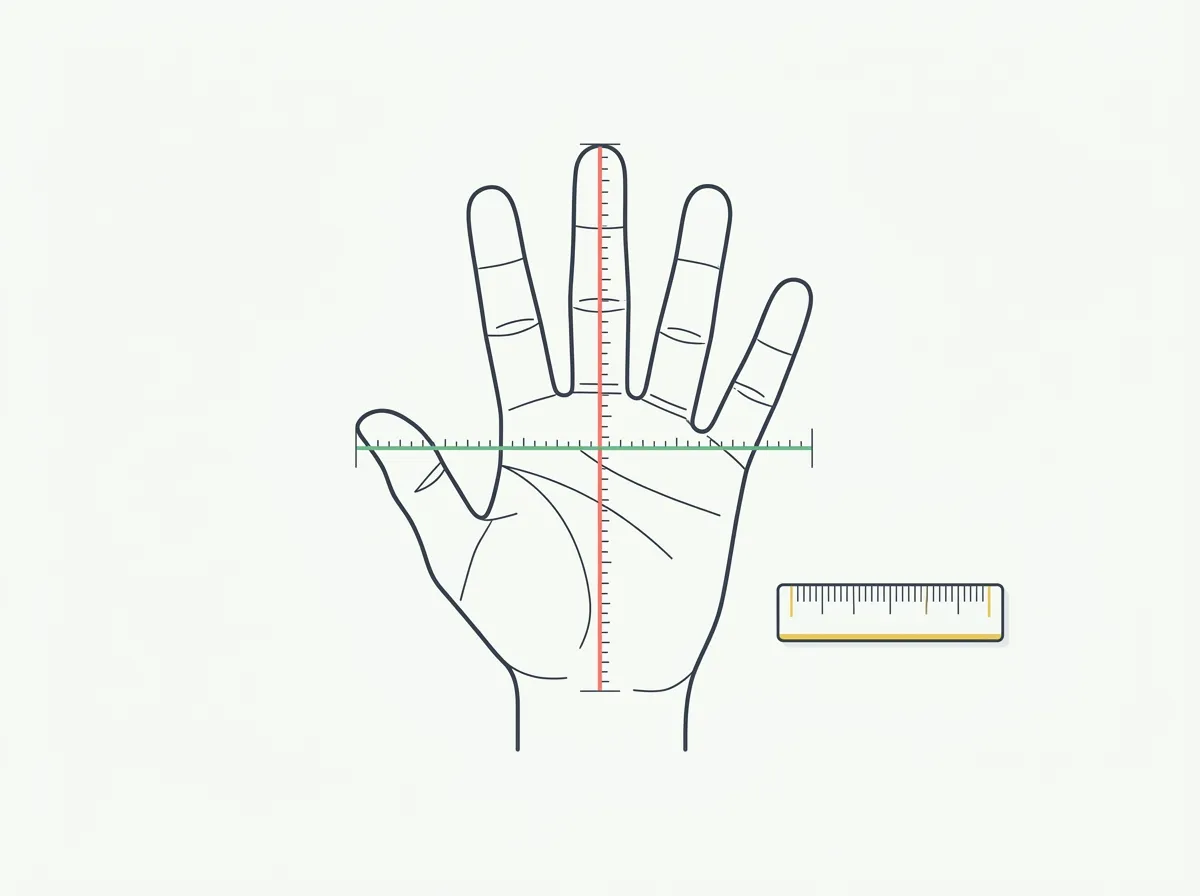
Average Hand Size for Men and Women: Length and Span
The average male hand is commonly cited around 7.4 inches long with an 8.5-inch span , but most people who look it up have measured the wrong thing, or measured nothing and compared against a basketball player. How to measure length and span correctly, what hand size tracks, and what it honestly doesn't.
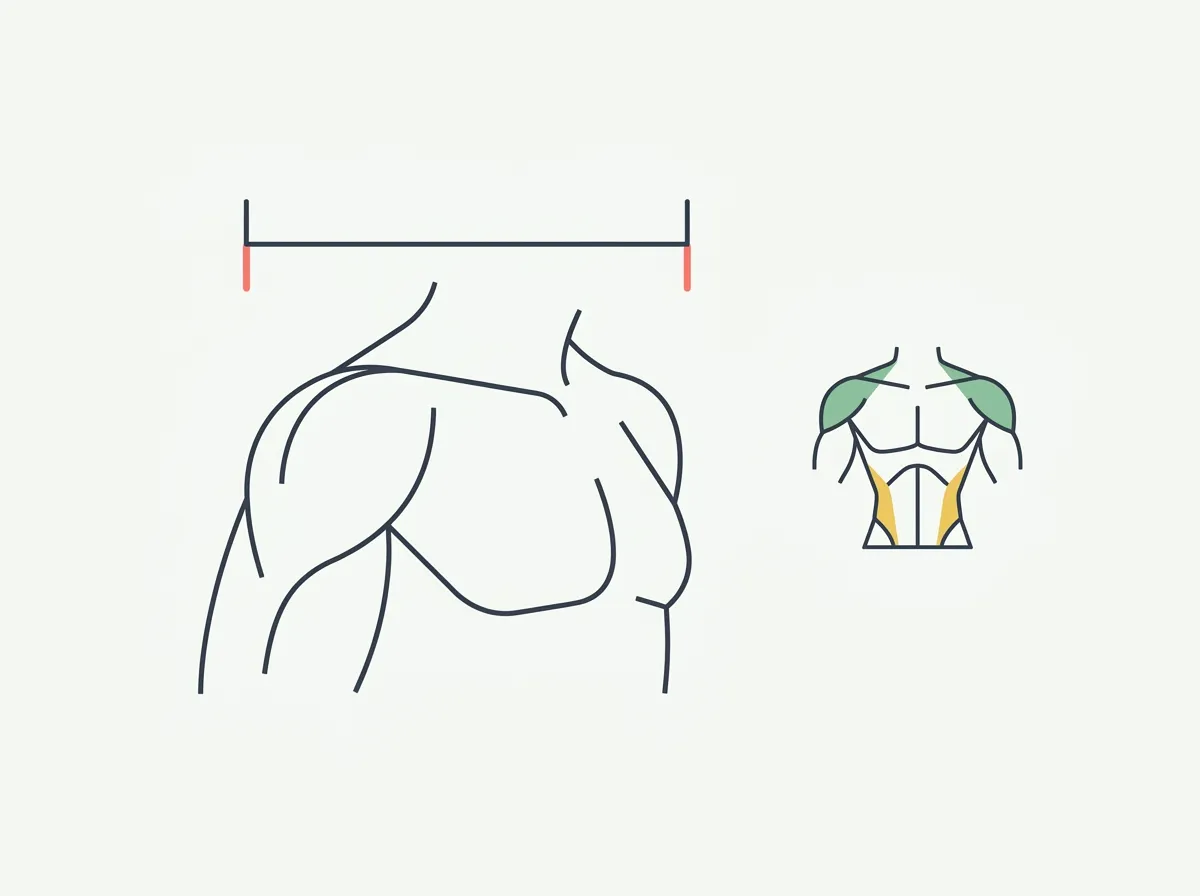
Average Shoulder Width for Men: Width vs. Circumference
Bone-to-bone, the average man's shoulders span roughly 16 inches , and no exercise changes that number. What training changes is everything the eye actually reads as broad: delts, upper back, and the waist below them.
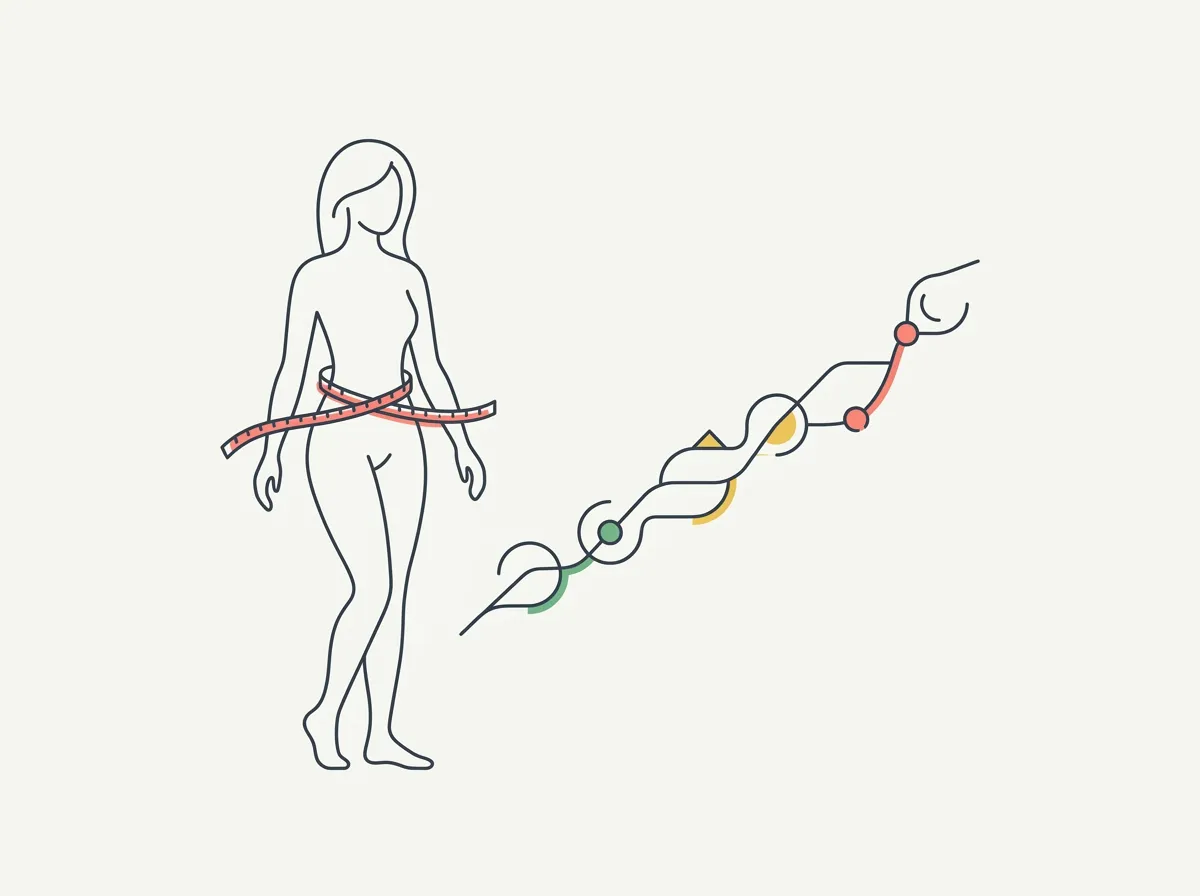
Average Waist Size for Women: By Age and How to Measure
Survey data puts the average American woman's waist around 38-39 inches, a number almost nobody recognizes, because women's clothing sizes never mention inches at all. What's average by age, where the health thresholds sit, and how to measure so the number means something.
Best AI Fitness Apps for Athletes: Match the App to Your Sport
Choose by the training decisions you need help making, from race preparation to strength sessions.
Best AI Personal Trainer Apps: Compare Workout Planners
A focused shortlist for planning gym workouts, with published features separated from claims about results.
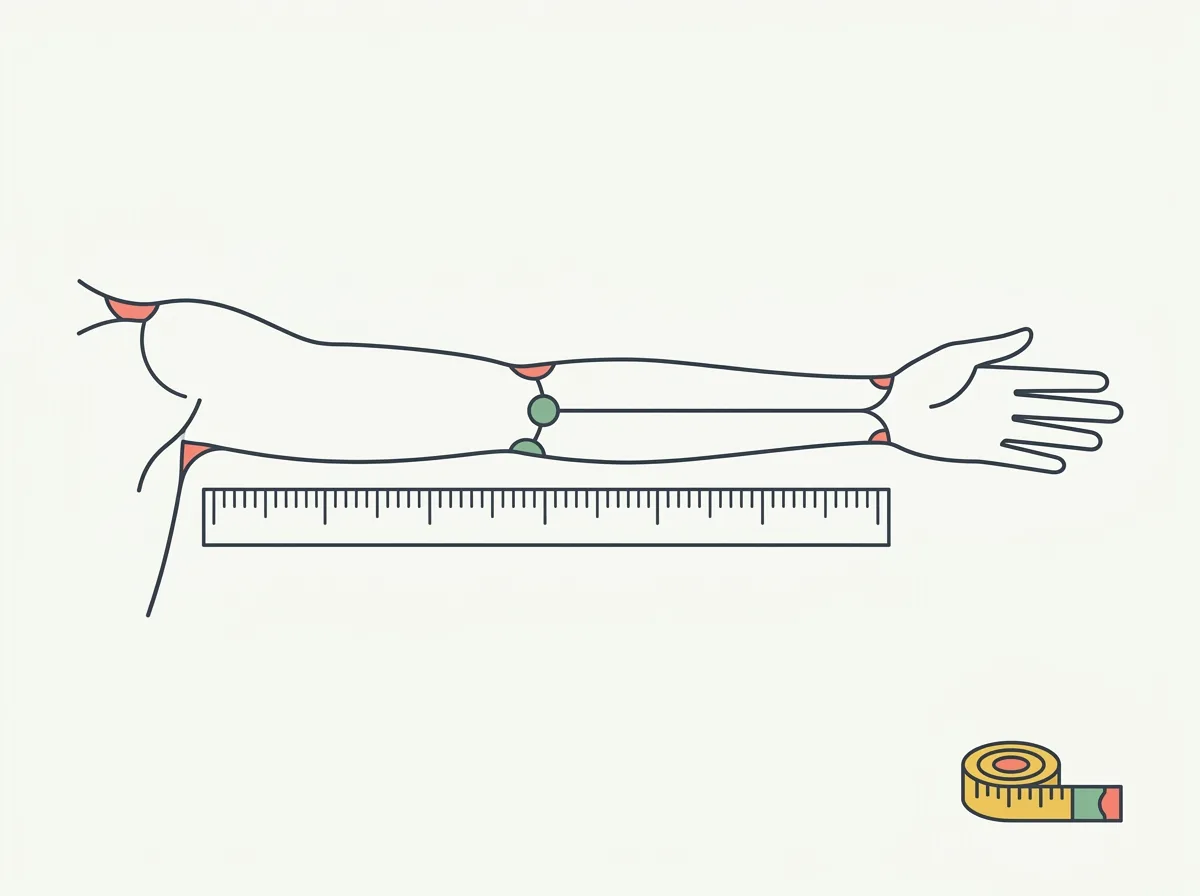
Bicep Length: How to Measure It and What It Means
Start with the measurement you actually mean: arm length, muscle shape, or size around the arm.

Body Fat Percentage Chart with Photos: Visual Guide for Men & Women
Compare illustrated front and back body-fat references, with clear limits on what appearance can tell you.
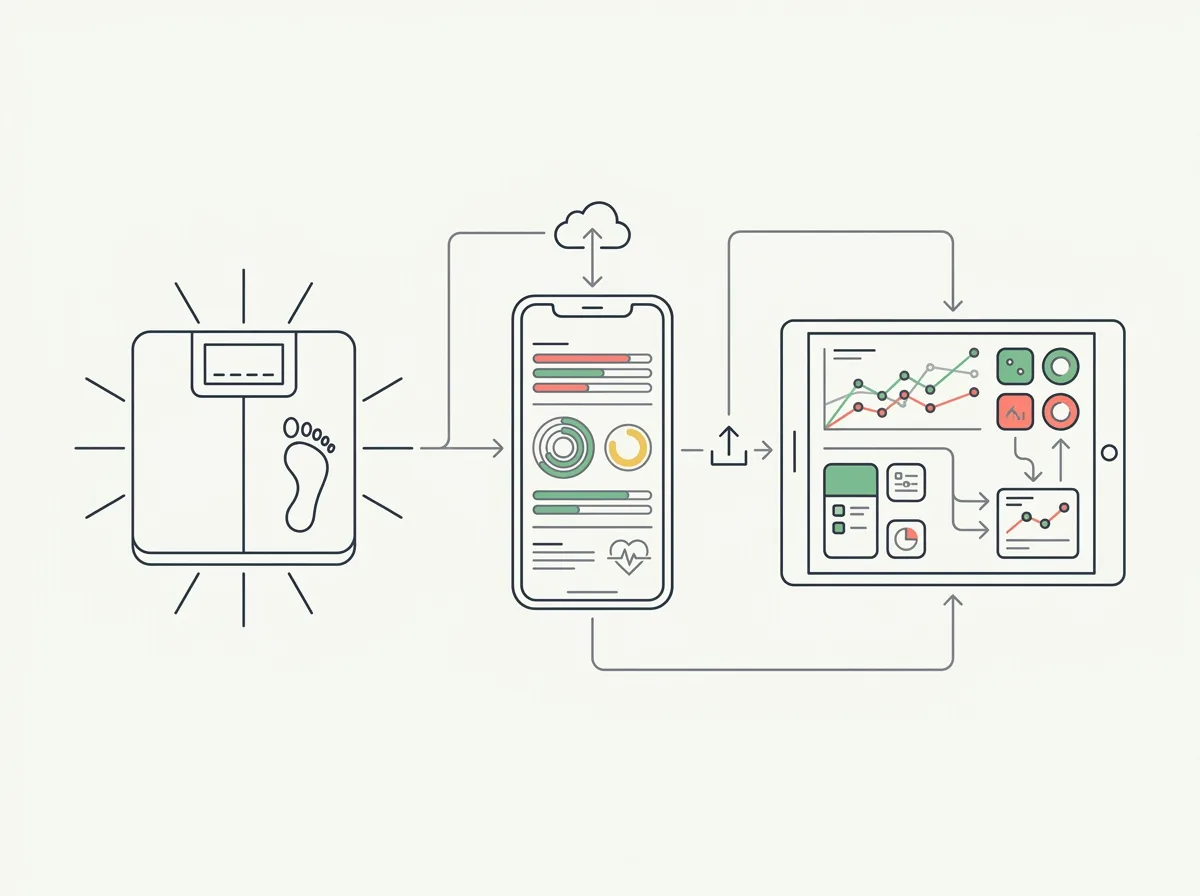
Body Fat Scale Apps for iPhone: Third-Party Options That Fit
Separate scale pairing, body-fat data sharing and weight-trend charts before choosing another app.
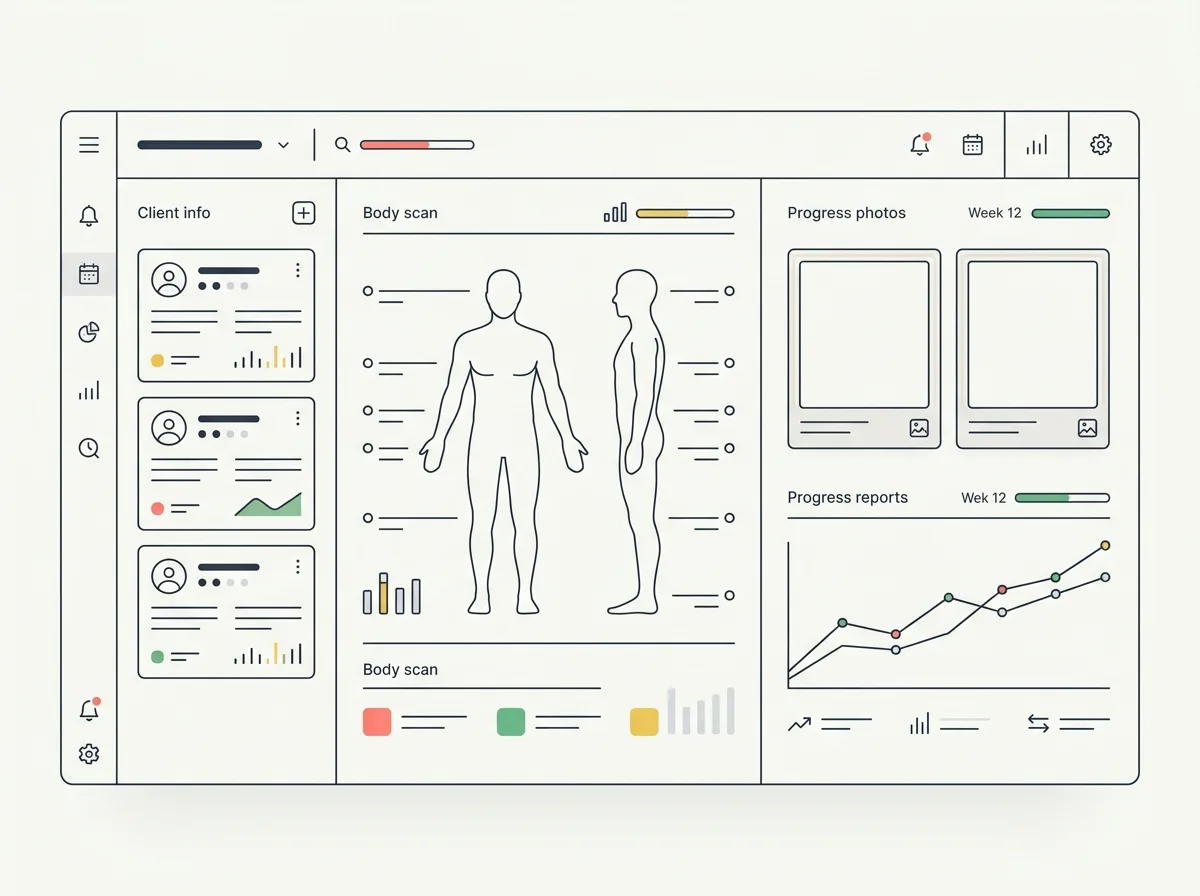
Body Scanning Platforms for Coaches: What to Compare
Match the capture method to your coaching service before you buy a reporting platform.
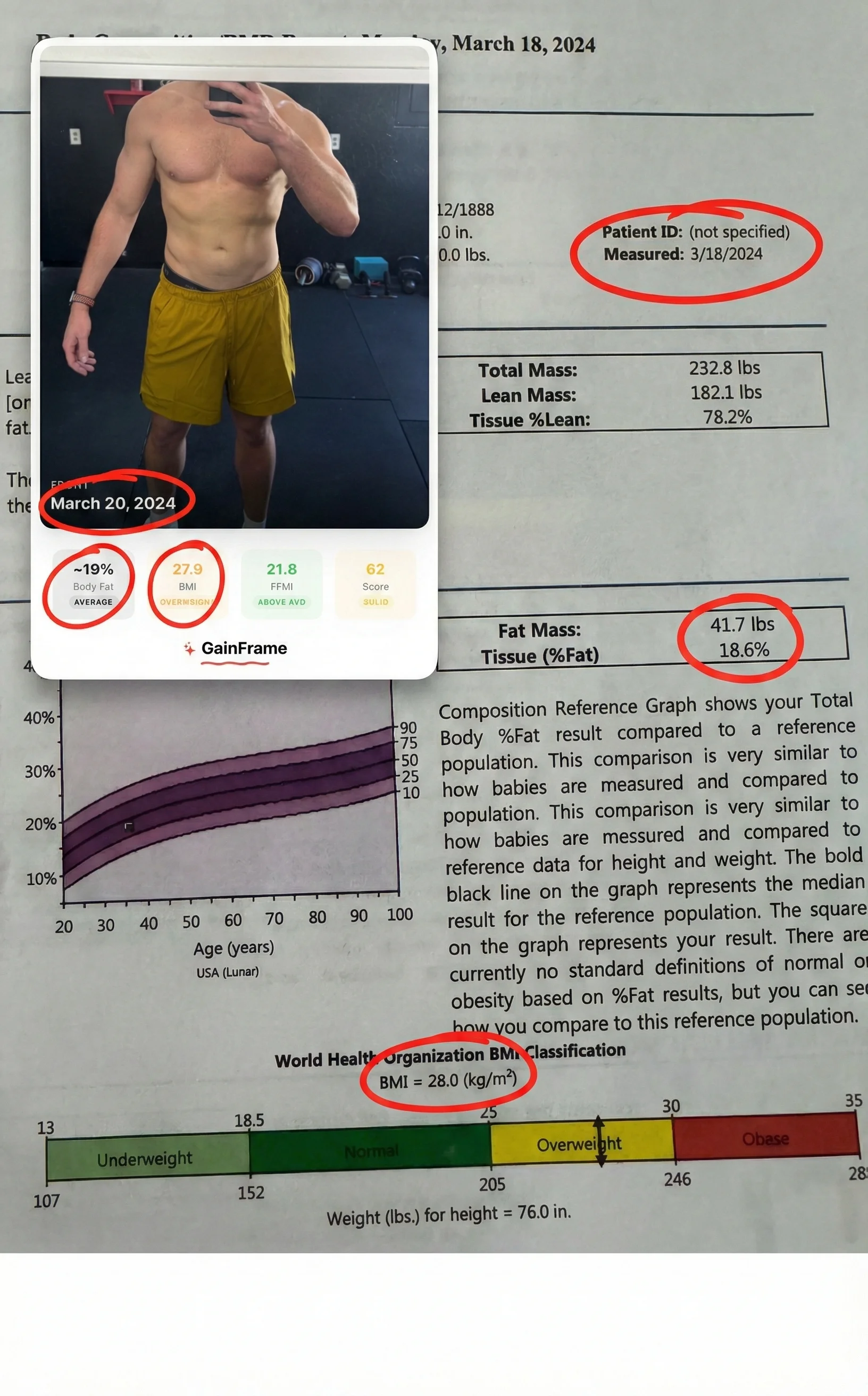
DEXA Scan Alternatives: Compare Methods for Your Goal
Choose a repeatable measurement that answers your question, and understand what it cannot replace.

Meta Muse Fitness Tracking: A Weekly Check-In Template
Bring your actual week back to the conversation: completed workouts, comparable photos, and what got in the way.
Meta Muse Workout Plan: Prompts and a Progress-Tracking Setup
Muse plans. You do the work. Save your starting photo and build a record you can return to.
Newbie Gains: How Long They Last and How to Track Progress
Judge your next training decision from a repeatable record, not a countdown to the end of beginner gains.
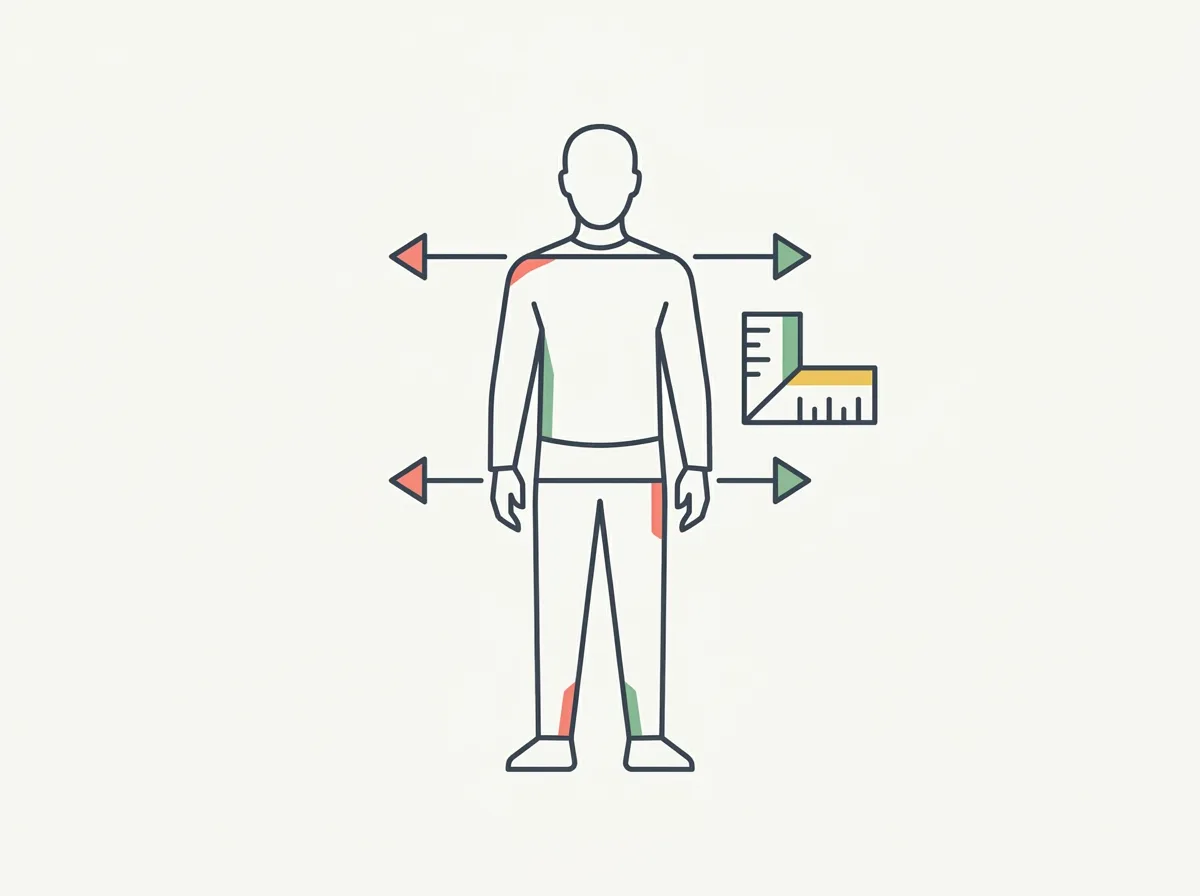
Shoulder-to-Hip Ratio: How to Measure and Calculate It
A clear formula, a consistent measurement method, and no invented ideal body ratio.
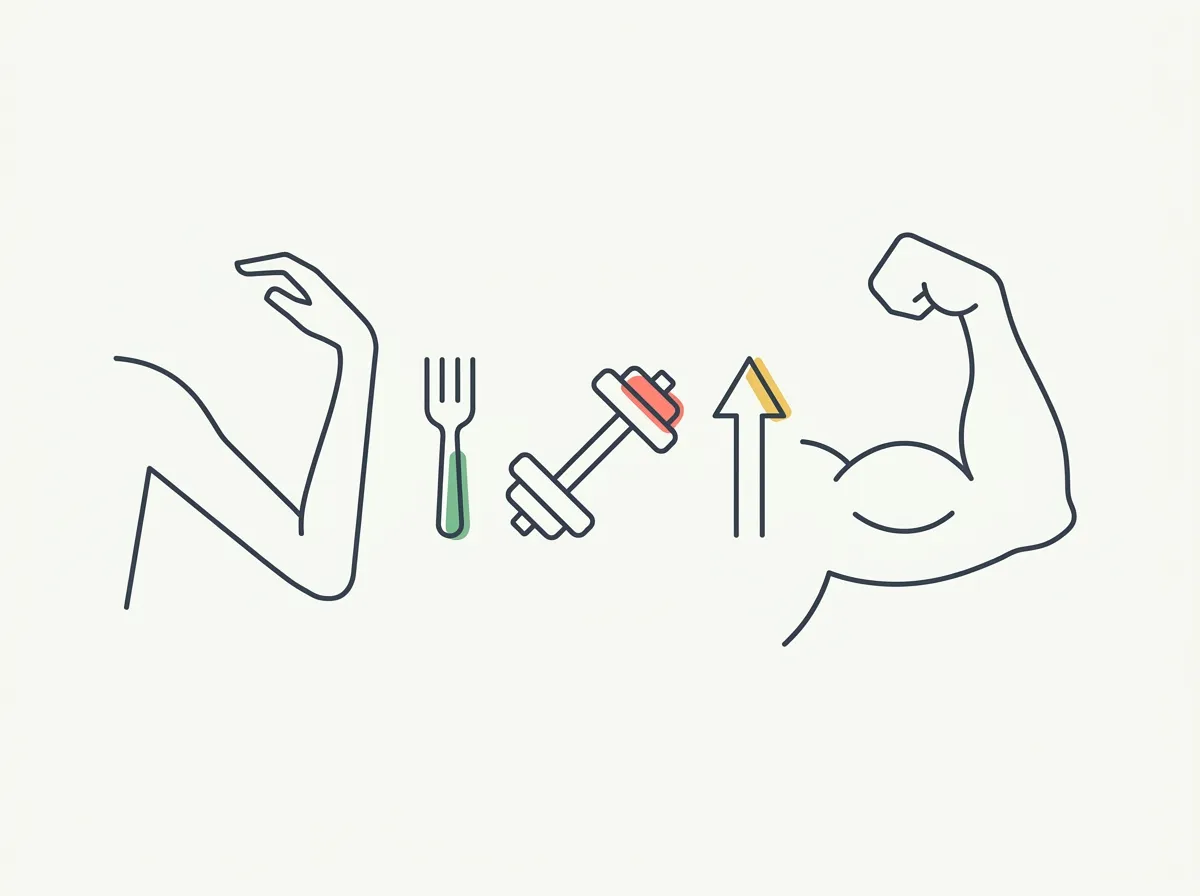
Why Do I Have Skinny Arms? (And What Actually Fixes Them)
Your bench went up, your chest fills the shirt, and your arms are still the same tape measurement they were a year ago. The honest mechanisms behind skinny arms , and the boring, reliable fix that takes months, not weeks.
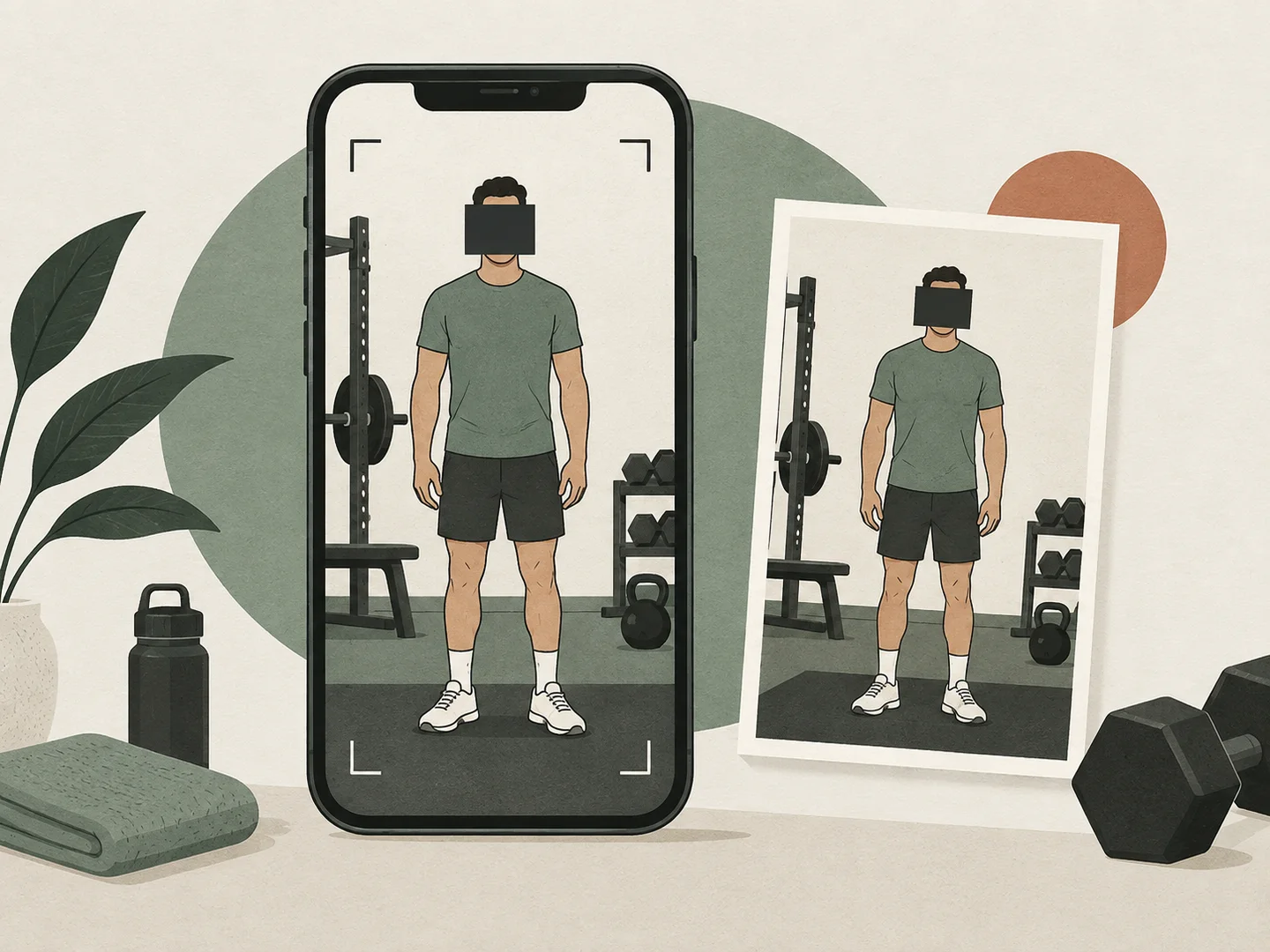
How to Blur Faces in iPhone Gym Photos
A practical guide to faces, mirror reflections and the details around them.
Download GainFrame today
Sign up for early access and be the first to know when GainFrame goes live.