Useful fitness answers, without the noise.
Evidence-minded guides for people who care more about visible progress than another number on the scale.

Reading about progress is useful. Seeing yours is better.
Turn one gym photo into body-fat, FFMI, and muscle-group trends, then keep the signal going with consistent check-ins.
4.9 ★ from 35 ratings · 5,000 lifters · Private by design
Latest articles
Practical guidance on body composition, progress photos, training, and the work behind GainFrame.
Showing 91–120 of 253 posts
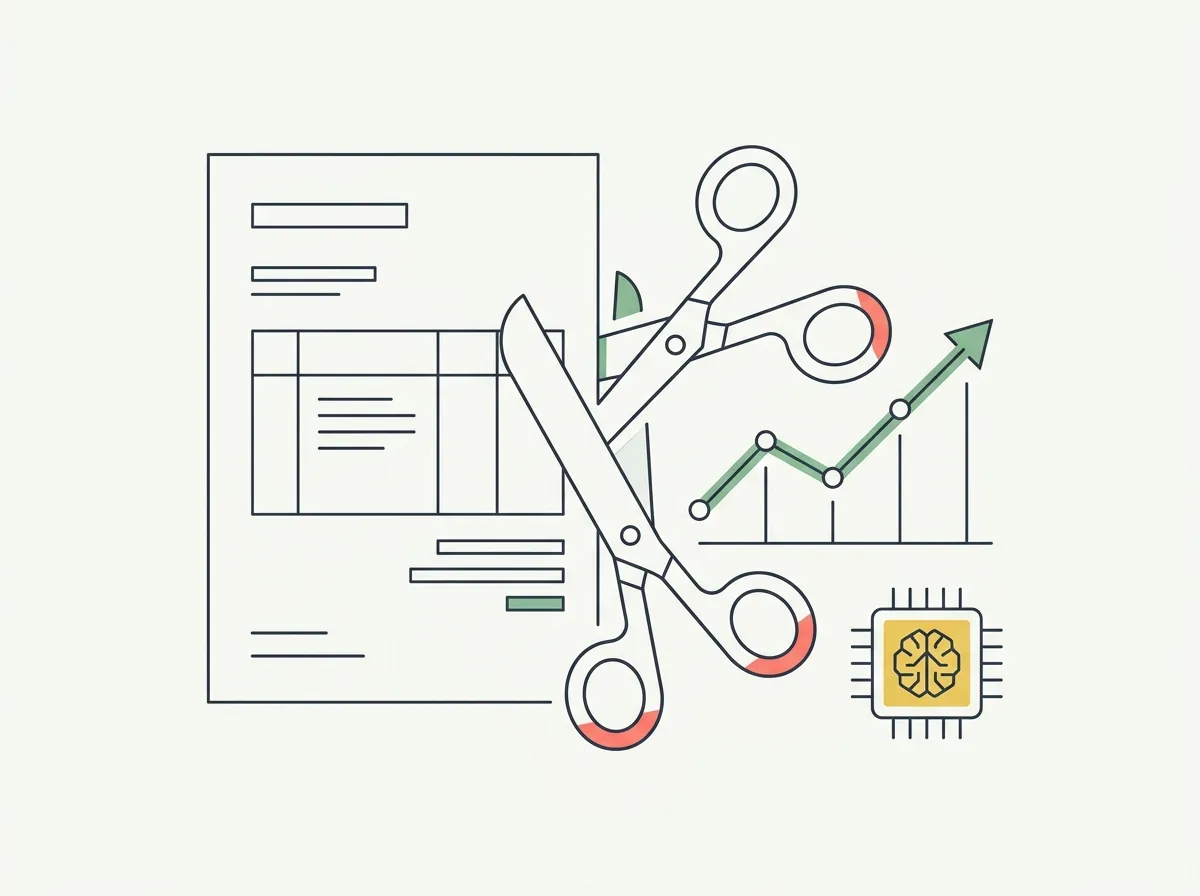
My App Was Spending Half Its Revenue on AI. Four Weeks Later It's 17%.
The week of June 14, my app's Gemini bill was $237.14 against $488.36 of gross revenue — 48.6%. Four weeks later the bill was smaller and revenue had doubled. Half of the fix was cost engineering. The other half was growth doing the work for me.
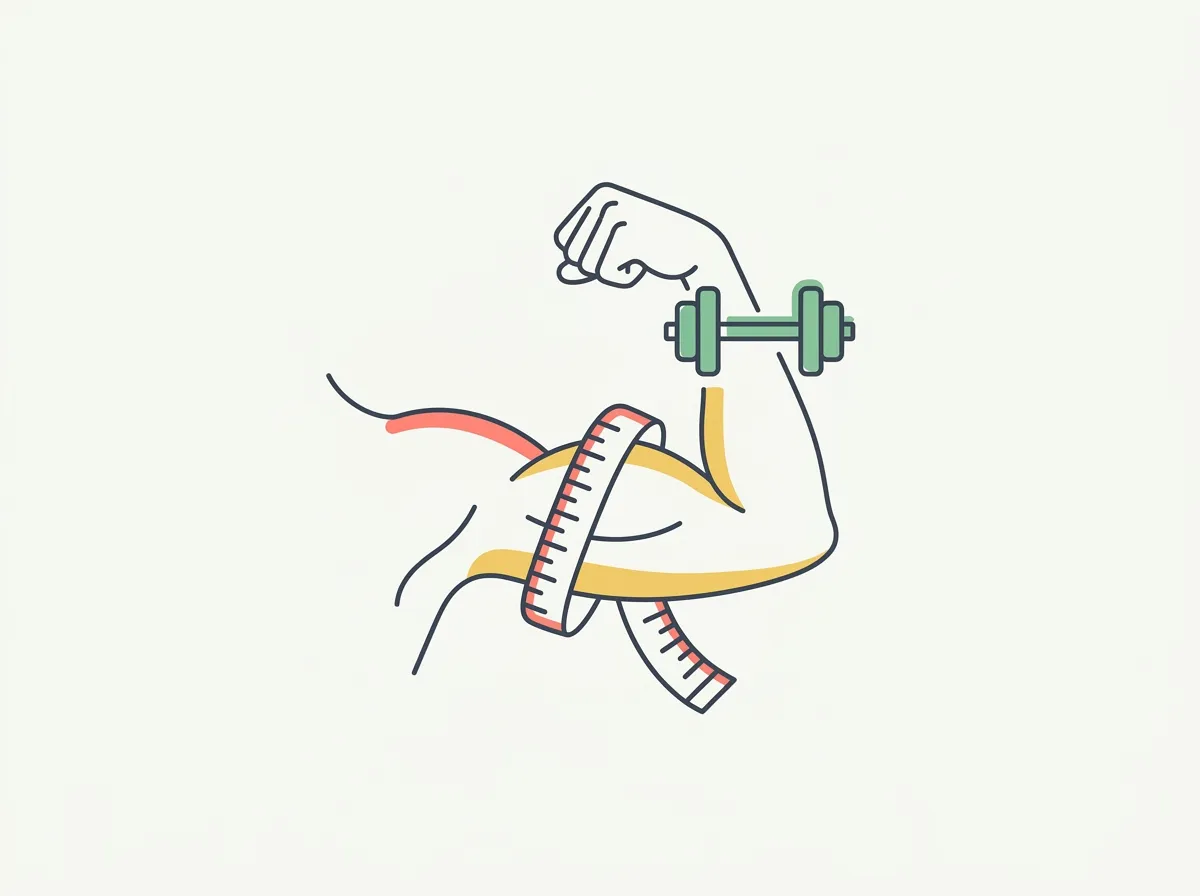
Average Bicep Size for Women: Charts & What 'Toned Arms' Takes
Every bicep chart online is built for men. Commonly cited data puts the average woman's arm around 11–12 inches — here's what that means, what 'toned arms' actually requires, and an honest answer to the getting-bulky fear.
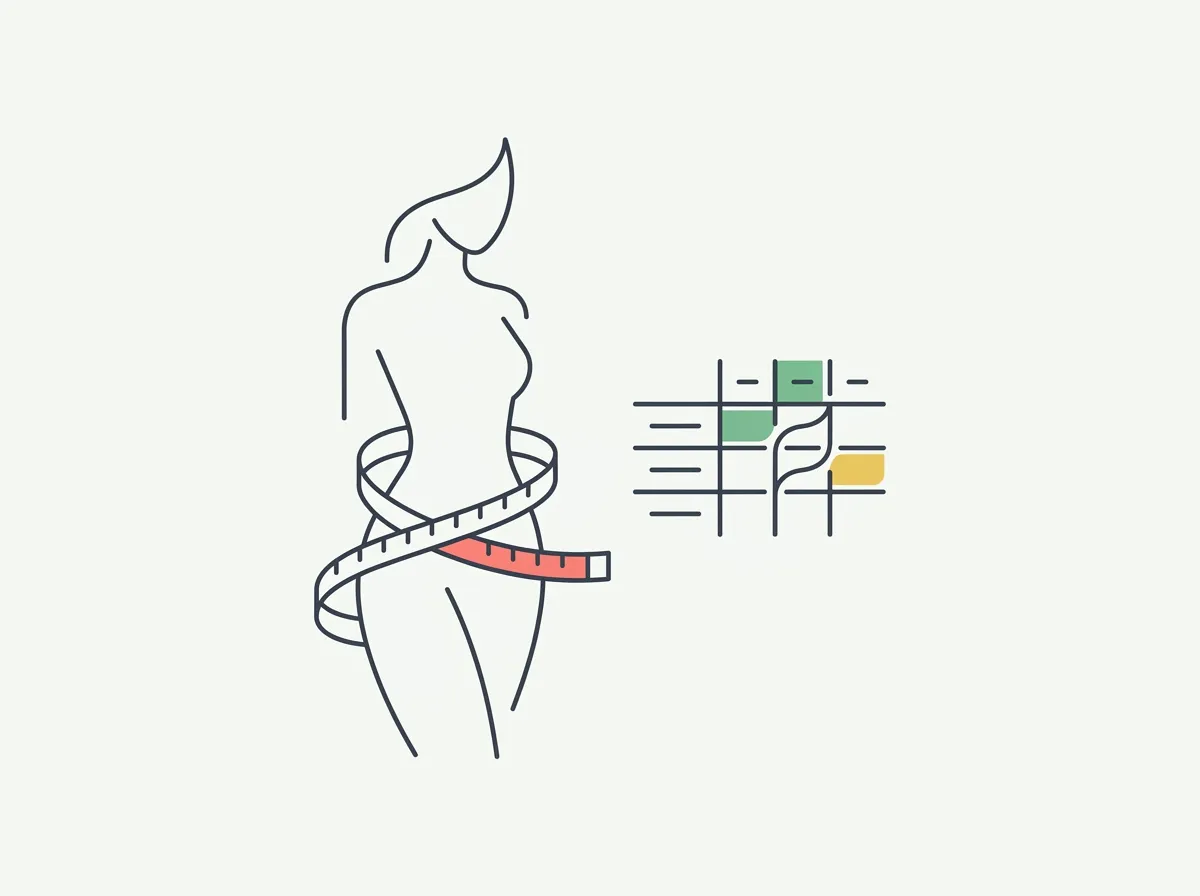
Average Hip Size for Women: Charts & the Waist-to-Hip Context
Survey data puts the average American woman's hips around 40–42 inches — and most women who measure get it wrong on the first try, because 'hips' in every size chart means the widest point of the buttocks, several inches below the hip bones. The averages, the method, and why hip fat is the good news on your tape.
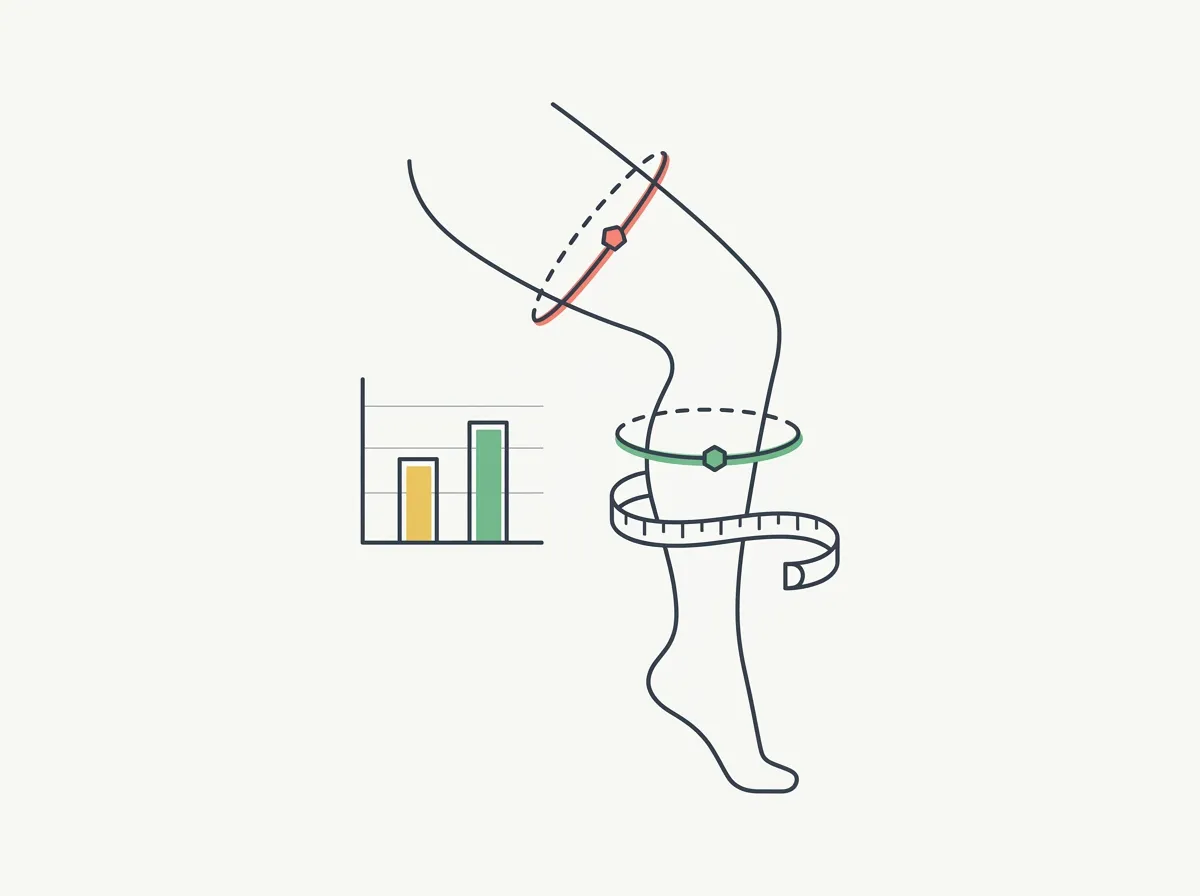
Average Thigh Size: Charts for Men & Women (Plus Calves)
The average thigh tapes around 21–23 inches for men and 20–22 for women — and unlike the waistline, a bigger number here is commonly good news. The real charts, the right way to measure, and the honest truth about squats and calves.
Average Waist Size for Women: By Age & What's Healthy
Survey data puts the average American woman's waist around 38-39 inches, a number almost nobody recognizes, because women's clothing sizes never mention inches at all. What's average by age, where the health thresholds sit, and how to measure so the number means something.
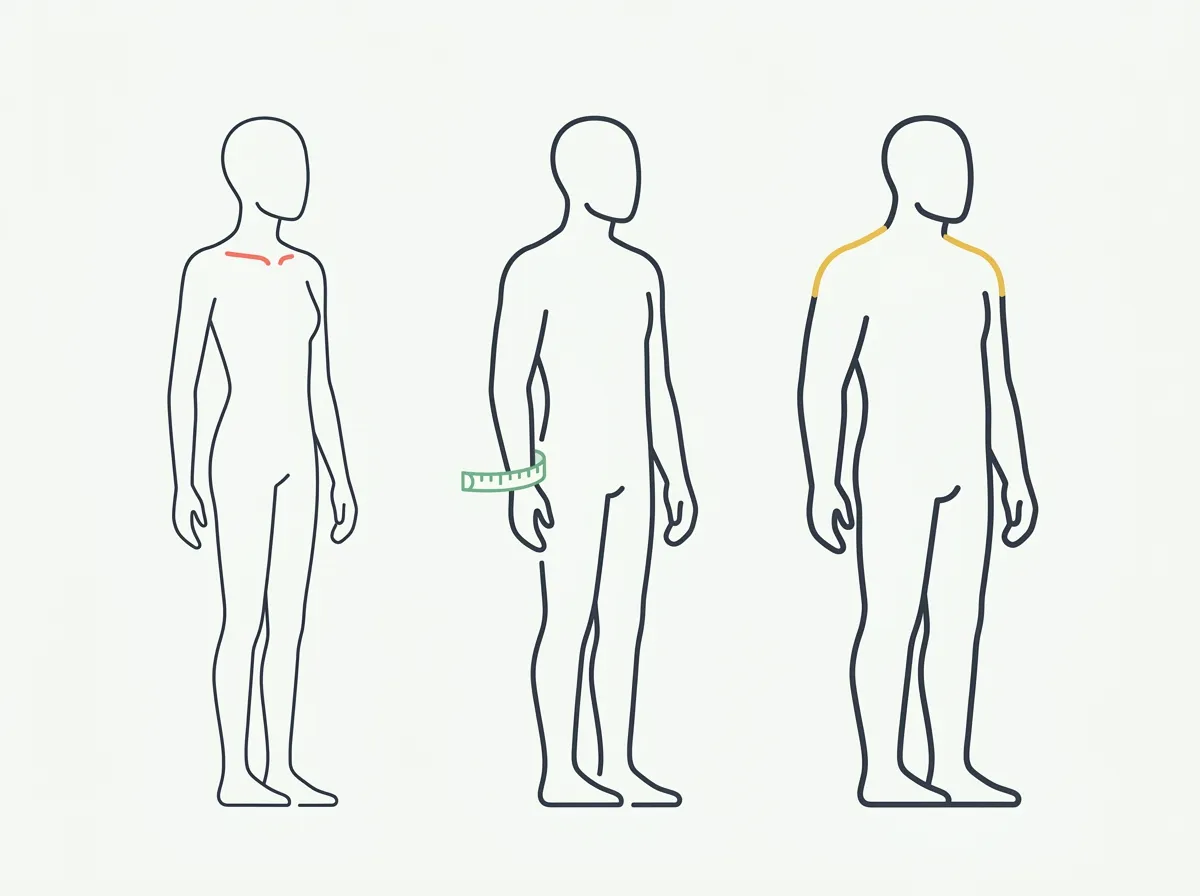
Body Frame Size: How to Tell If You're Small, Medium, or Large Framed
Your skeleton has a build class, and two classic 30-second checks reveal it. The wrist and elbow-breadth charts for men and women, what frame size actually changes about your numbers, and how much of your weight 'big boned' can honestly explain.
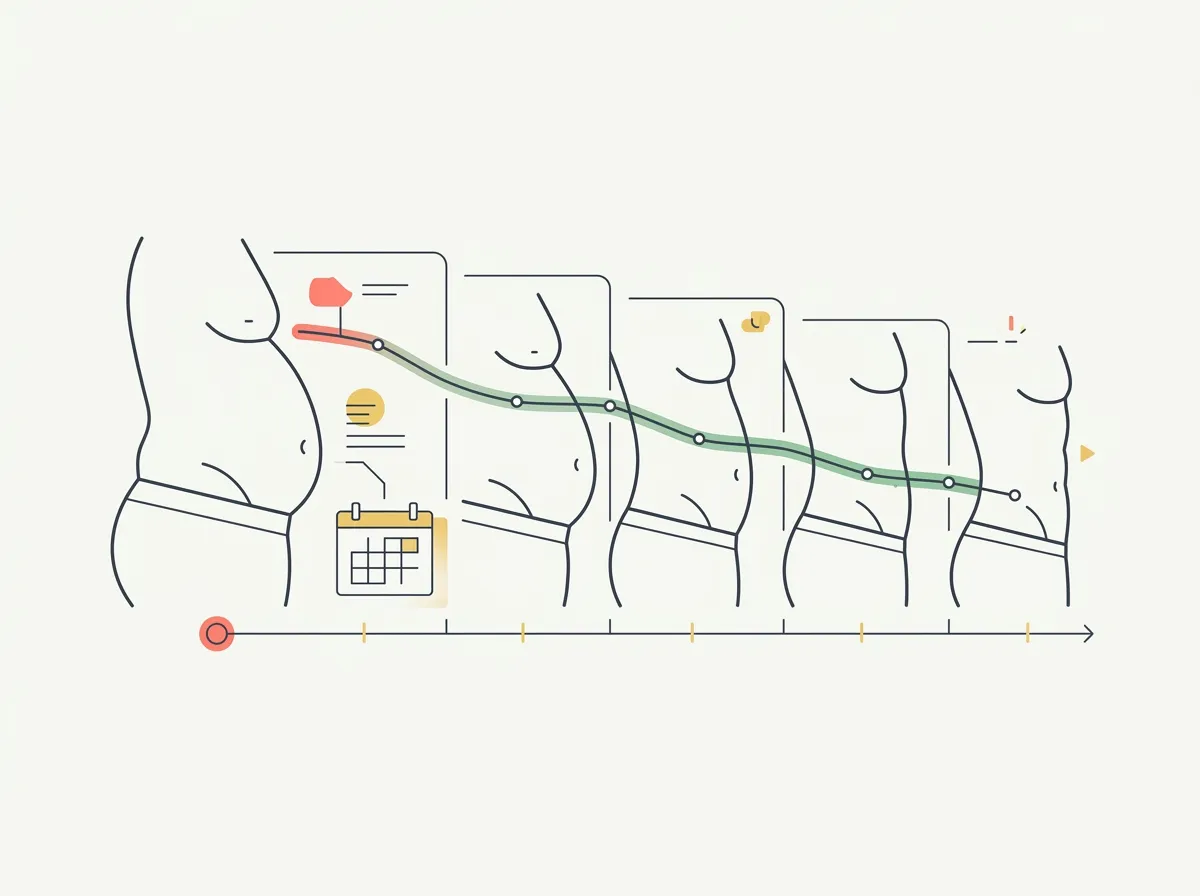
How Long Does It Take to Lose Belly Fat? A Realistic Timeline
Belly fat comes off on a schedule you can roughly calculate — and the calculation says the first month will look like nothing happened. The honest arithmetic, a worked timeline from three starting points, and the short list of things that genuinely speed it up.
The Mini Cut: A 4–6 Week Fat Loss Sprint (Done Right)
A short, aggressive deficit that strips the fat your bulk added and hands the reins back before dieting starts to cost you. Here's when a mini cut fits, how hard to push, and the exit plan that decides whether it actually worked.
Three of Every Four People Who Install My App Are Gone Within a Week
My app crossed $1,000 MRR, trial conversion is fixed, traffic is growing — and retention is the problem none of that solves. Six weeks of features moved week-1 retention from 20% to 27%. Week-4 hasn't moved at all. I'm writing this one down while it's still unsolved.
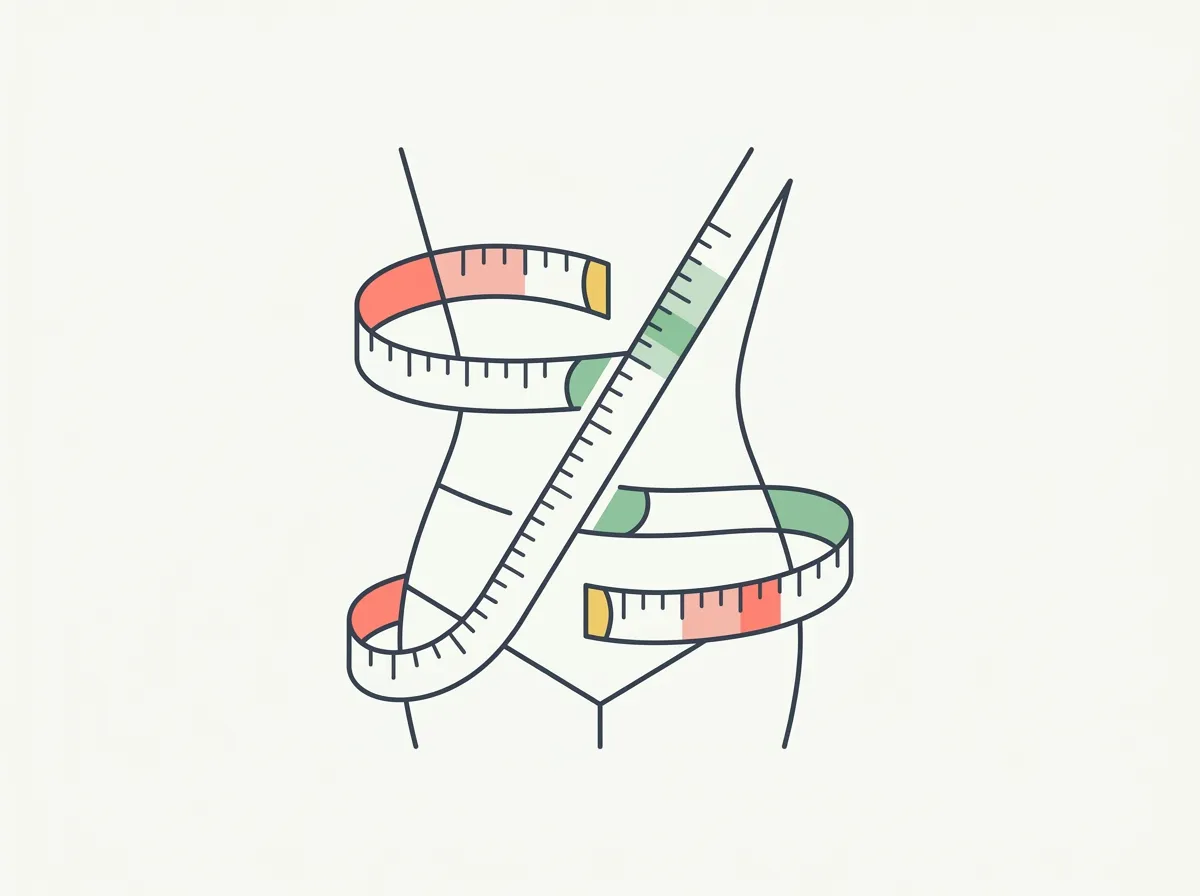
Waist-to-Hip Ratio: The Chart, the Thresholds & How to Improve It
Two tape measurements and one division tell you something the scale never will: where your body keeps its fat. The chart for both sexes, the commonly used clinical cutoffs, how this ratio differs from waist-to-height, and the honest version of how to improve it.
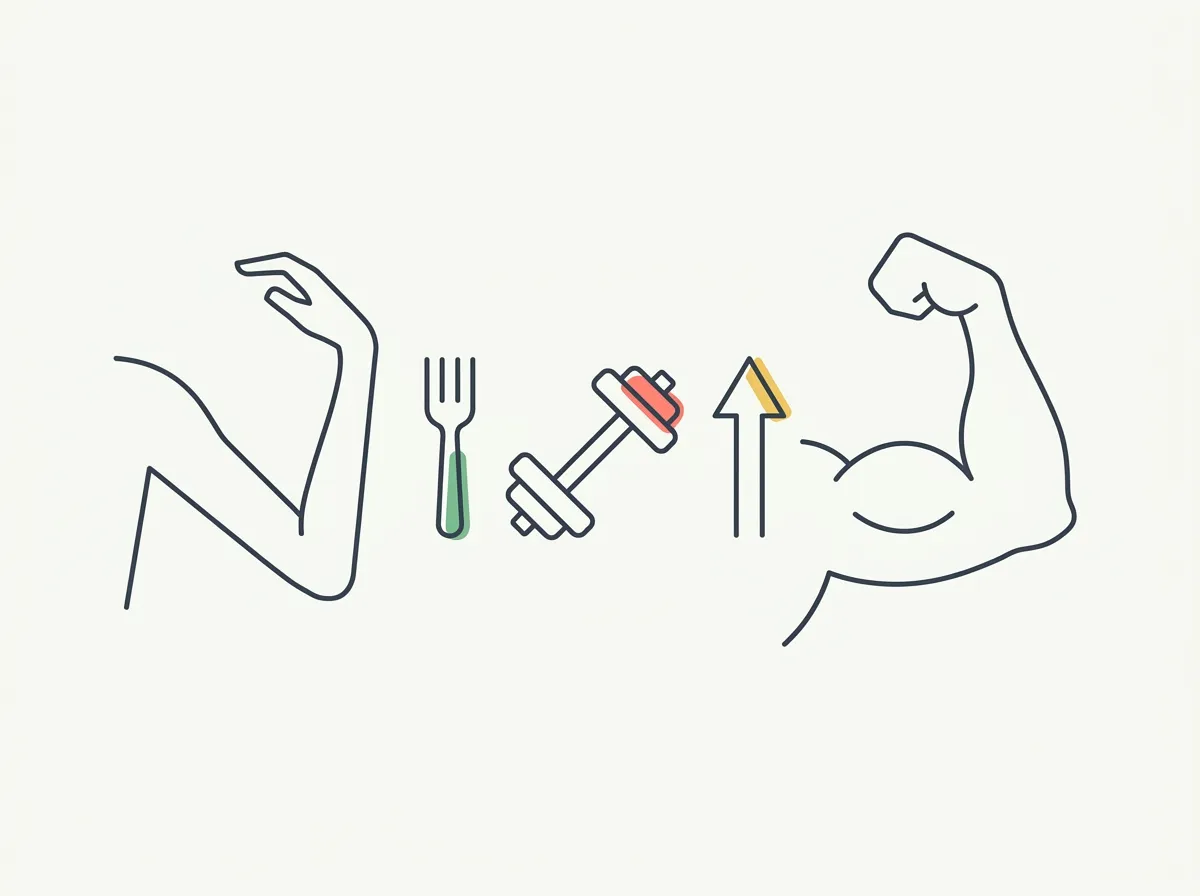
Why Do I Have Skinny Arms? (And What Actually Fixes Them)
Your bench went up, your chest fills the shirt, and your arms are still the same tape measurement they were a year ago. The honest mechanisms behind skinny arms — and the boring, reliable fix that takes months, not weeks.
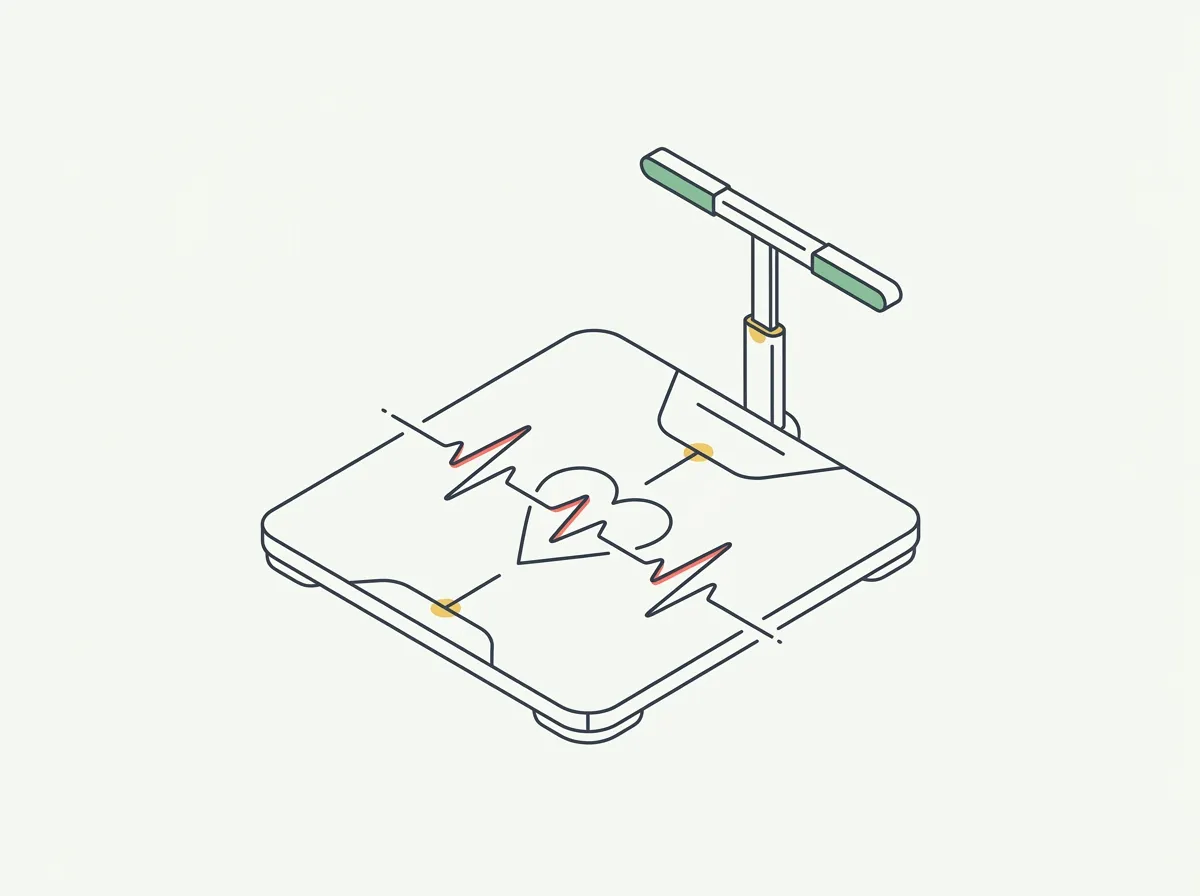
Withings Body Scan Review (2026): The $400 Scale, Honestly
Withings built the smart scale a hardware reviewer dreams about: retractable handle, segmental readings, heart and nerve extras. The question a buyer has to answer is different: what does $400 get you that $30 and the same BIA physics doesn't?
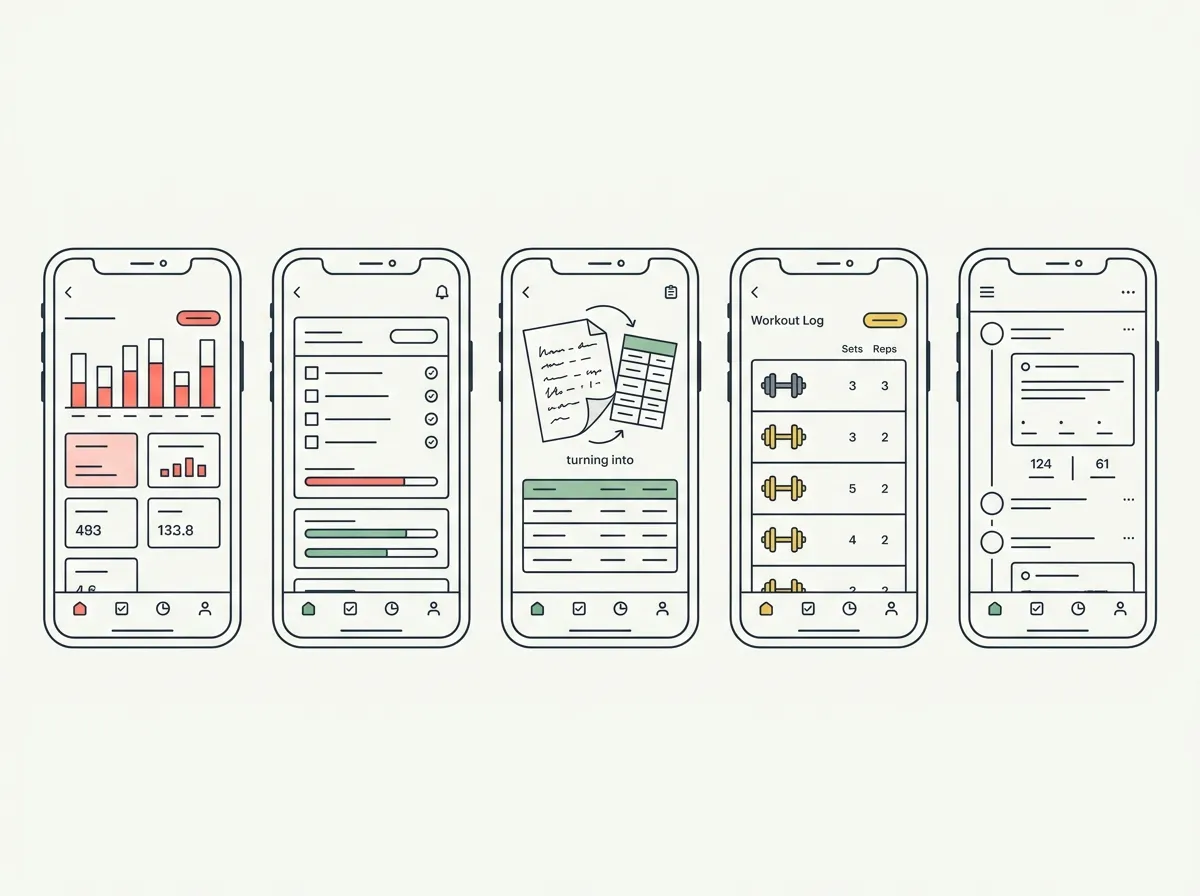
7 Best Workout Tracker Apps for Lifters in 2026 (Ranked)
Seven workout trackers for different training habits, from RIRLift on Apple Watch and Hevy's shared routines to free-form notes and guided programs.
Average Body Fat Percentage for Women: Charts by Age & Fitness Level
The average American woman measures somewhere around 32–38% body fat — several points above the band that category charts label average. Here are the women-specific ranges, why female numbers run higher than male ones by design, and what 22%, 27%, and 32% actually look like on the same body.
Average Forearm Size: Charts by Height & What Builds Them
Forearm data is thinner than bicep data — here's what's commonly cited anyway, why the muscles you use all day are the hardest to grow, and why the one muscle group everyone actually sees deserves more than three lazy sets of wrist curls.
Average Wrist Size: What It Says About Your Frame (Charts)
Your wrist is the one measurement training can't inflate — which is why frame-size charts and old-school proportion formulas both start there. What's average, what your number says about your frame, and why a thin wrist is quietly good news for how your arms look.
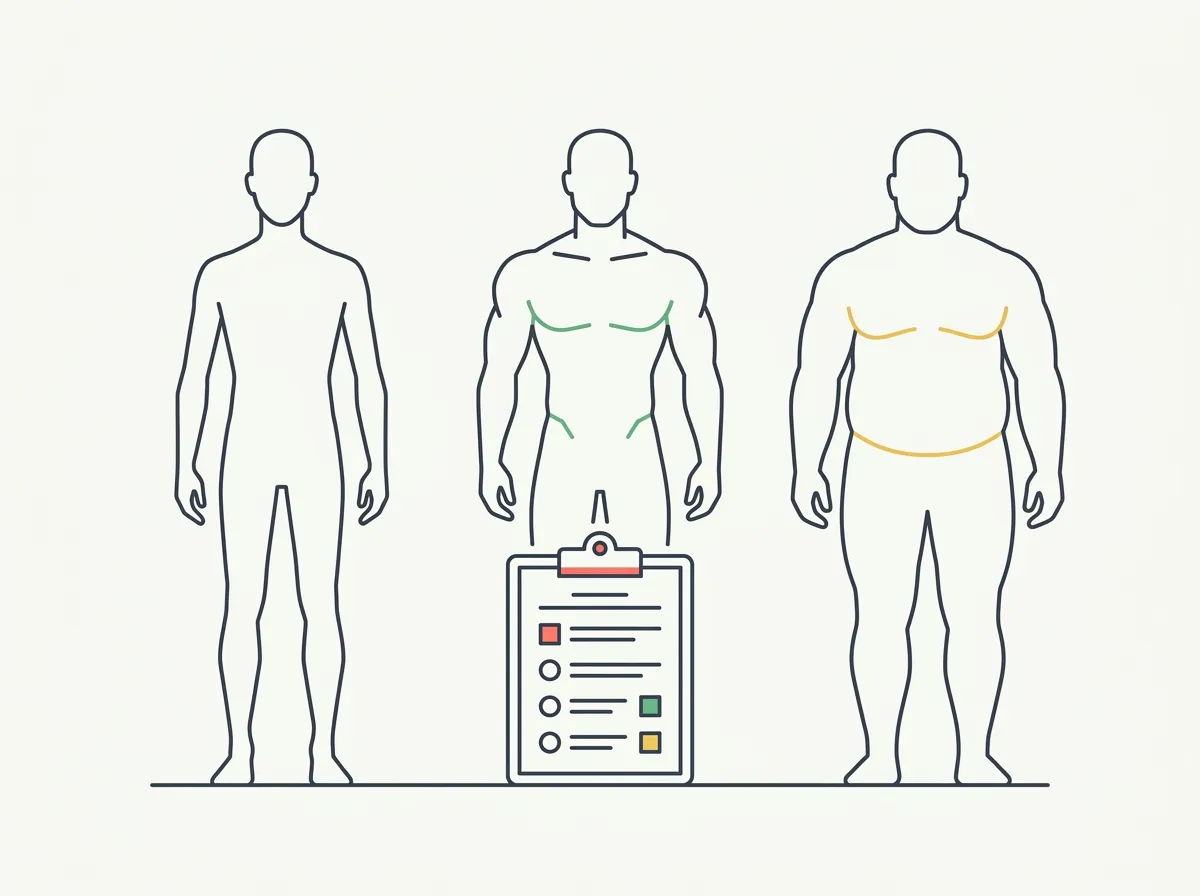
Body Type Quiz: Find Yours (and What Actually Matters)
Six questions score your lean toward ectomorph, mesomorph, or endomorph. Then the honest part: where those categories actually came from, why most people are blends, and the single dial your result should change.
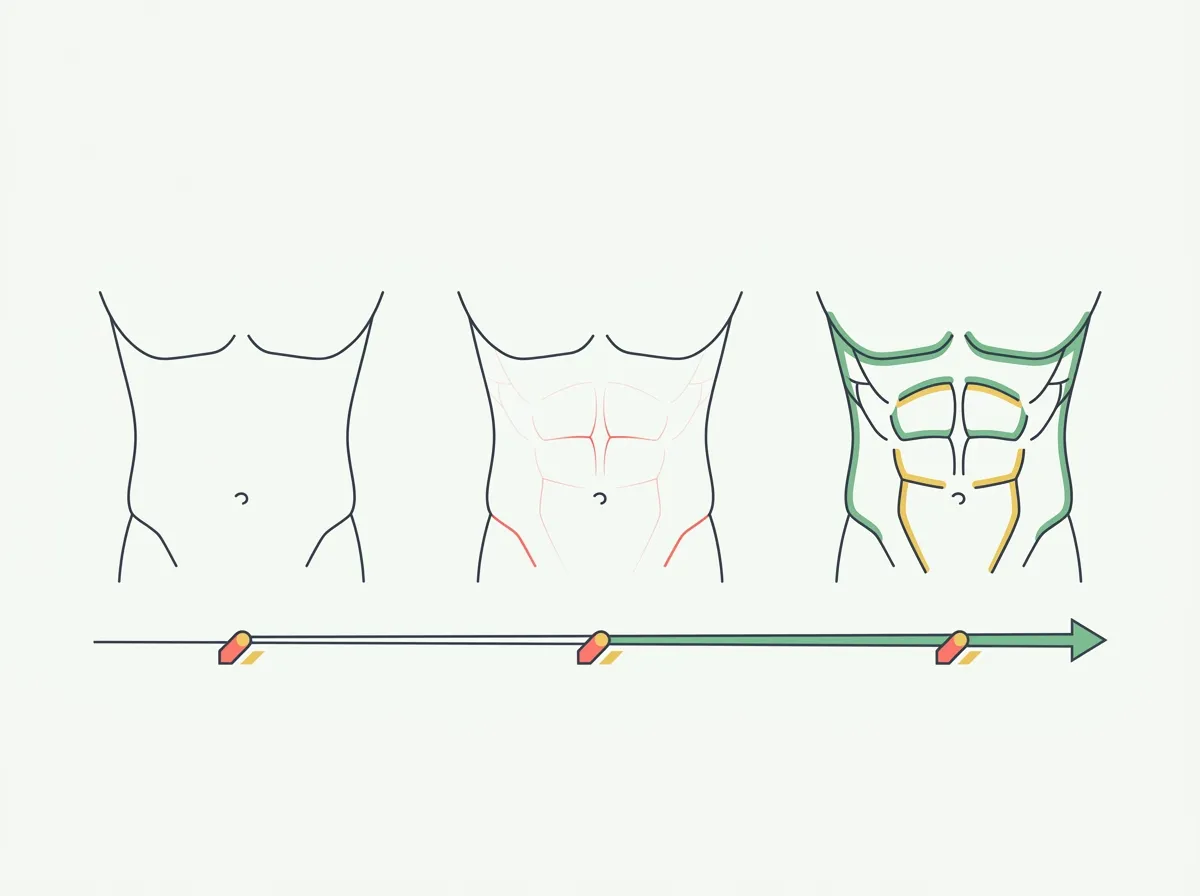
How Long Does It Take to See Abs? A Realistic Timeline
The abs timeline is arithmetic, and almost nobody runs it before starting. Where the visibility threshold sits, how fast body fat realistically drops, and a worked table from four common starting points.
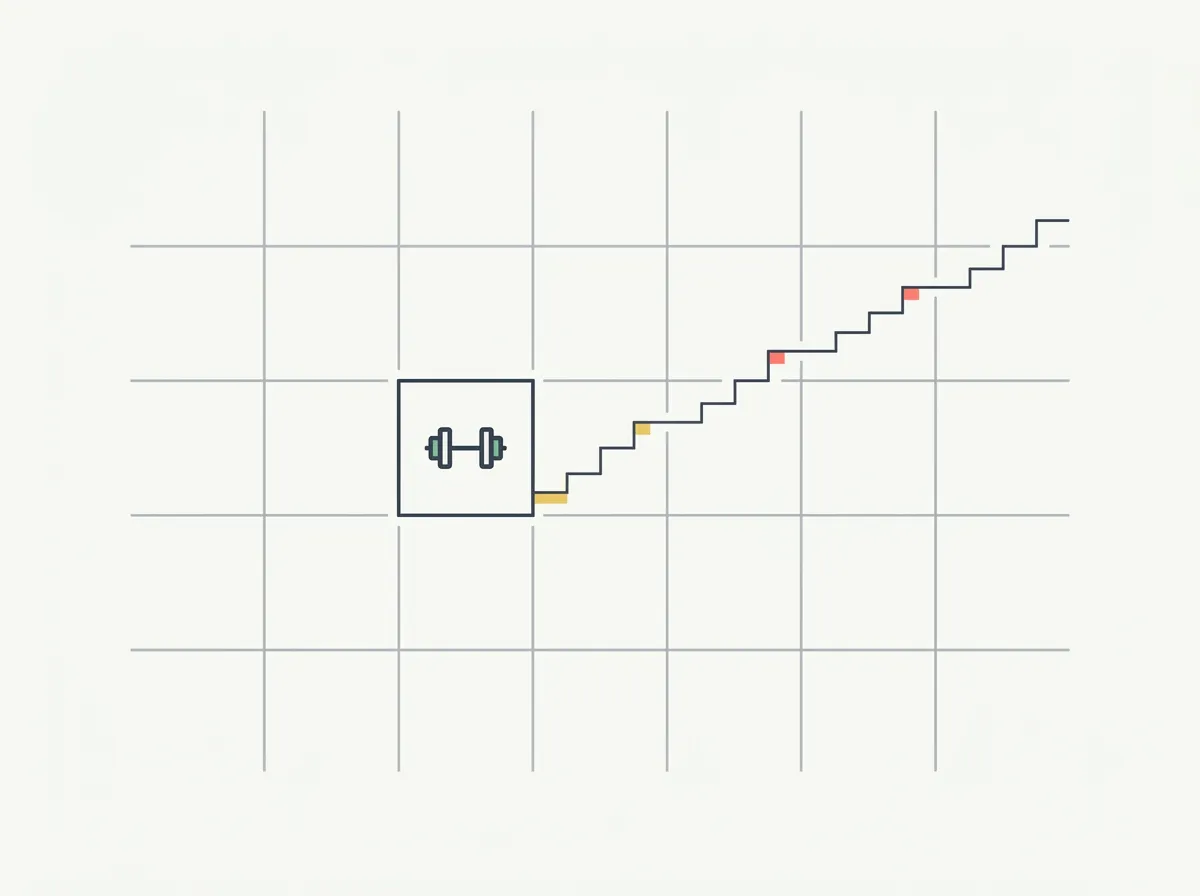
How Much Muscle Can You Gain in a Month? Honest Numbers
Commonly cited coaching heuristics put a beginner around one to two pounds of muscle per month, and your weight swings more than that before lunch. The realistic rates by training age, why month one feels faster than it is, and how to verify gains the scale can't see.
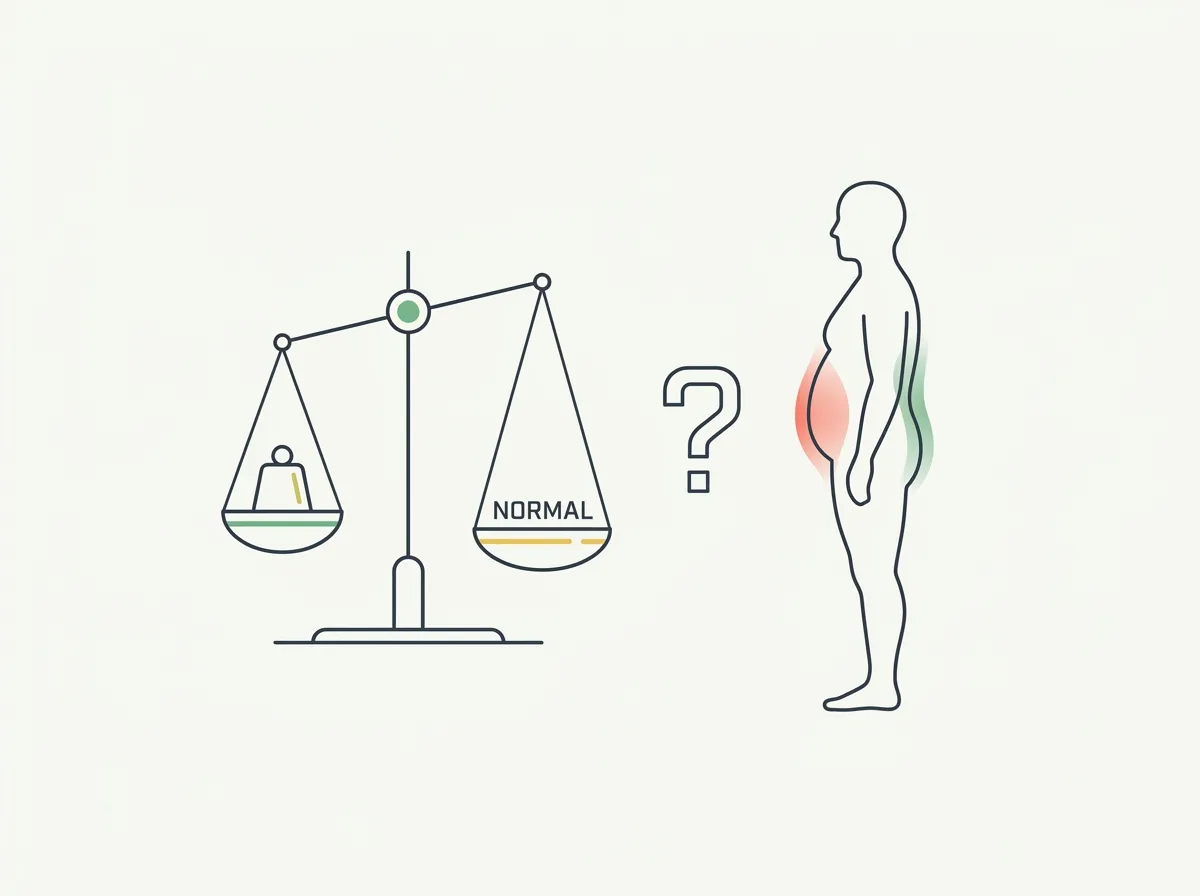
Normal BMI but Look Fat? What's Actually Going On
Your BMI is 23. Your doctor moved on to the next question. And yet the shirtless version of you looks softer than the number suggests. That gap has a name, an explanation, and a fix.
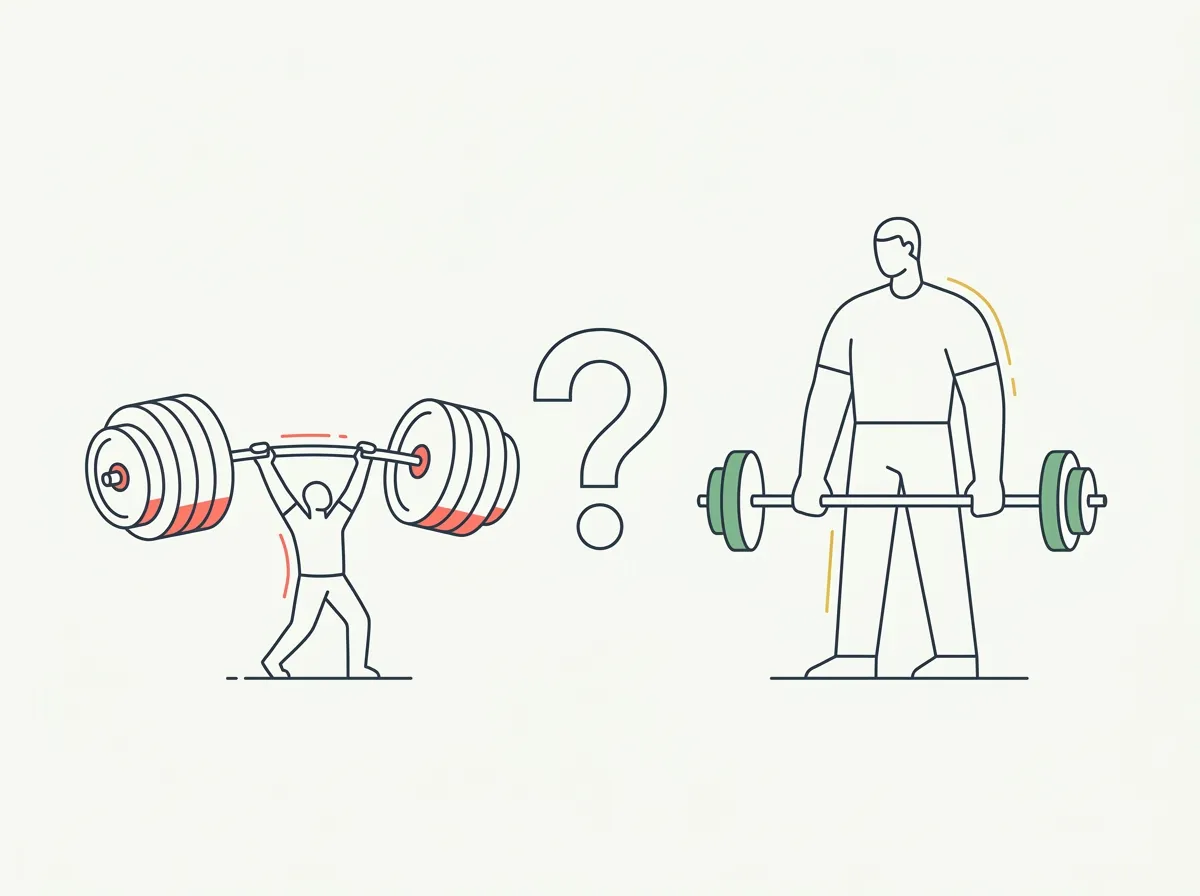
Strong but Look Small? Why Strength and Size Don't Match
You out-lift the guy who looks twice your size, and nobody believes your numbers. Strength and size are related but separate adaptations — here are the five mechanisms behind the gap, and what to change if you want the mirror to catch up to the bar.
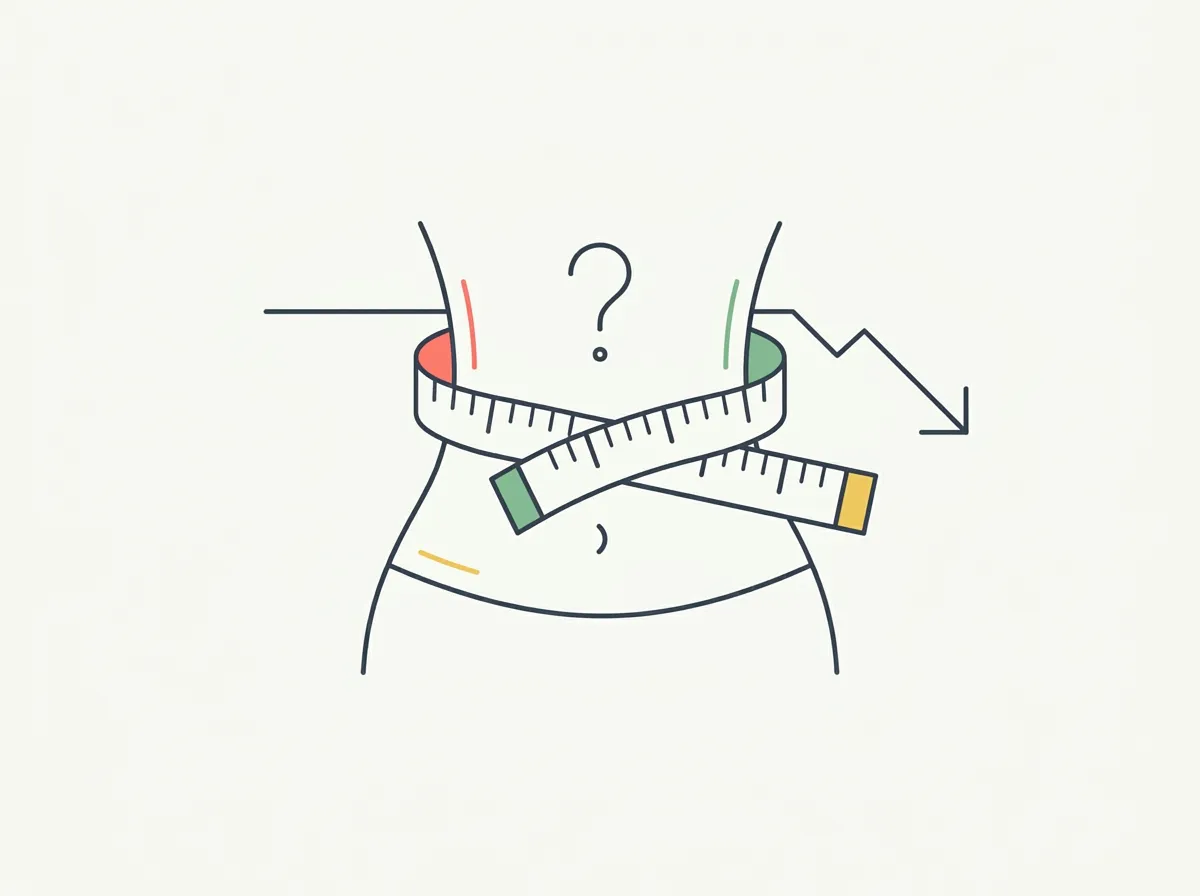
Why Is My Waist Not Shrinking? 6 Honest Reasons
You've lost real weight and the belt disagrees. Six reasons a waist refuses to move — most of them fixable, one of them just time — and the measurement routine that tells you which one you've got.
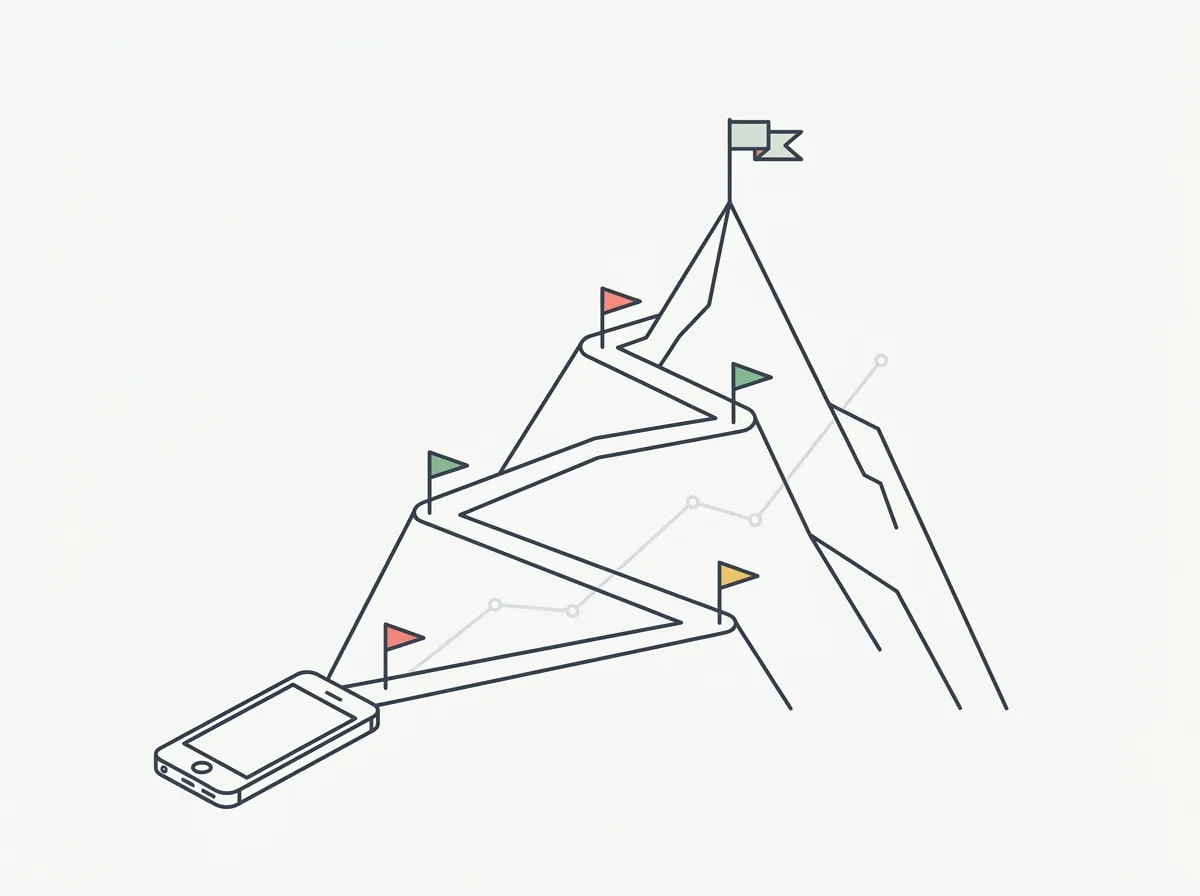
My App Hit $1,000 MRR Today, Five Months After the First Commit
First commit February 11. App Store launch March 8. $1,000.04 MRR on July 12. Every milestone on the way, with the real numbers — including the five flat weeks after I turned the ads off, when I wondered if I needed a new idea.
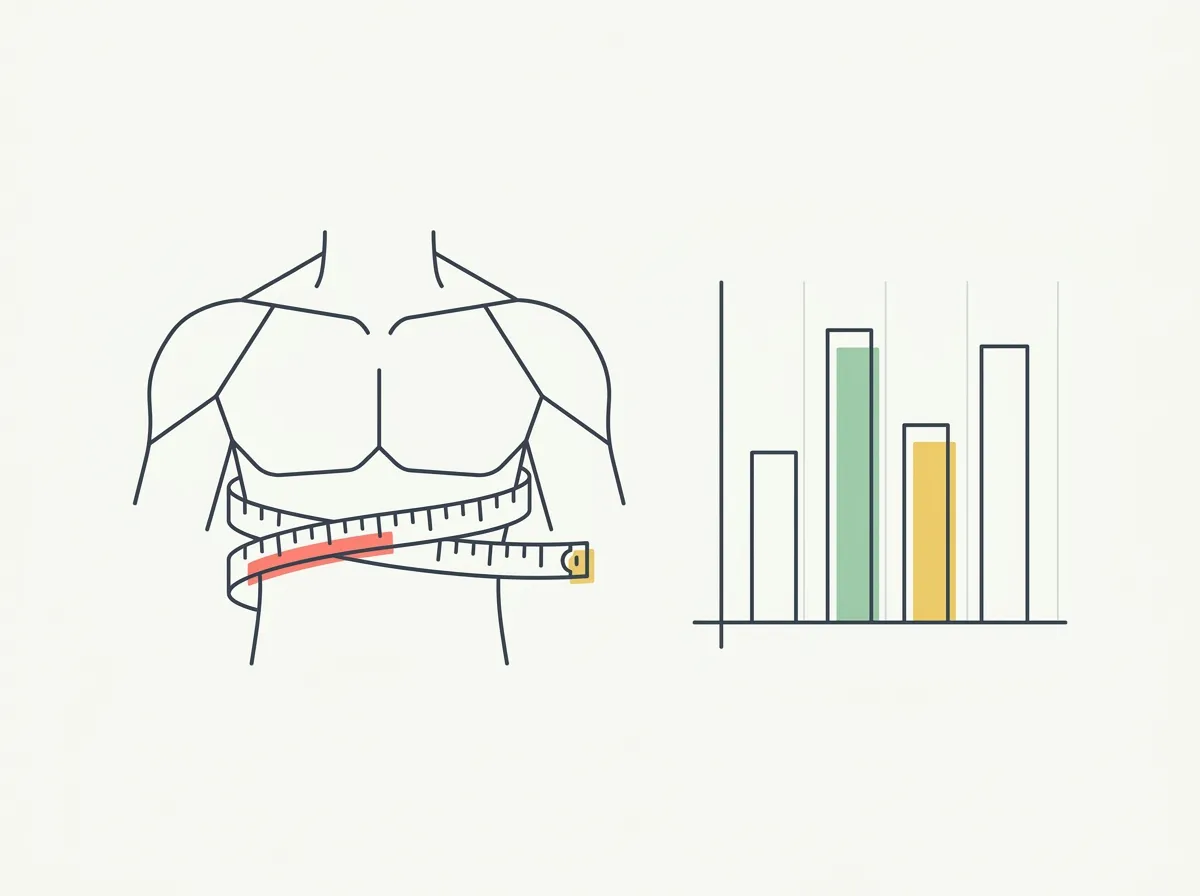
Average Chest Size for Men: By Height, Training Level & What Counts as Big
The average man tapes somewhere around 40-42 inches around the chest - and most of that is ribcage, back, and body fat, not pecs. Here's the honest chart by height and training level, and why two identical tape readings can look completely different.
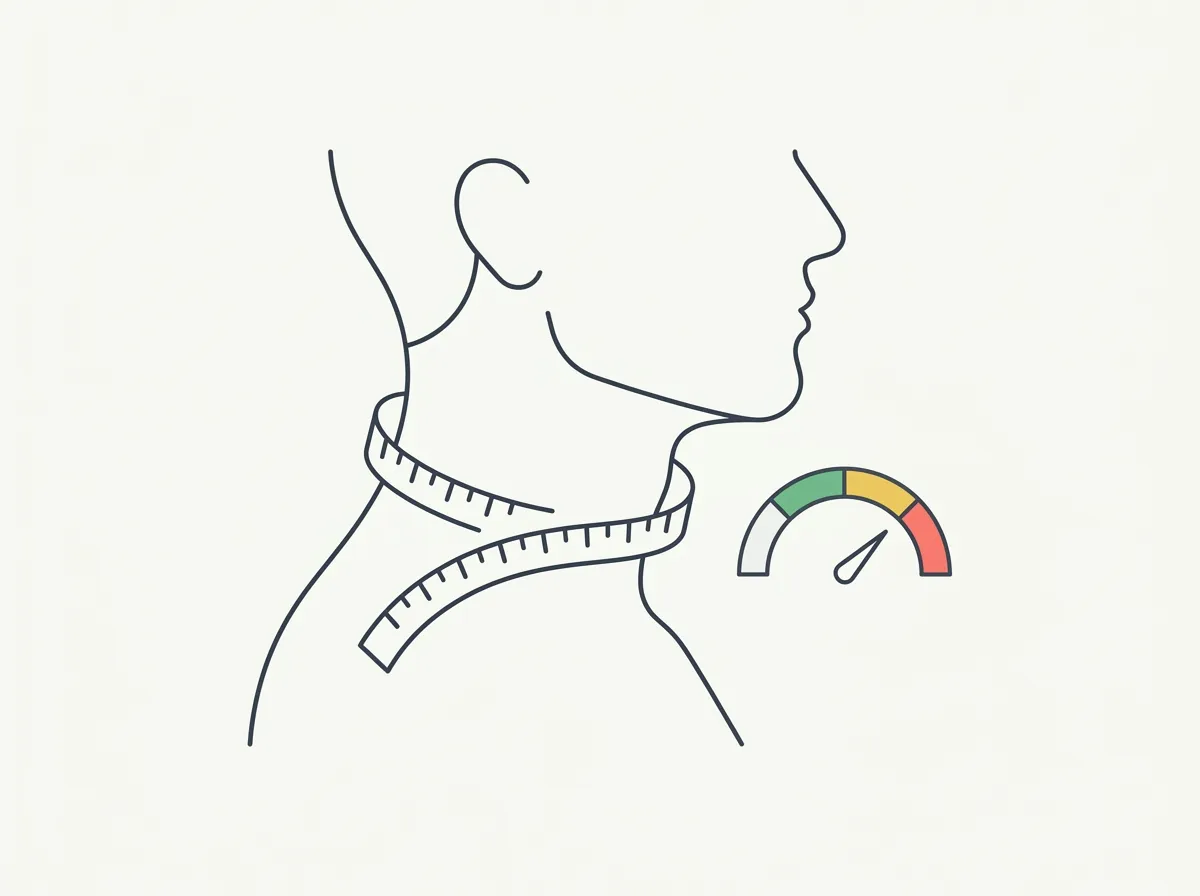
Average Neck Size for Men: What's Normal, What's Healthy & When It Matters
Collar sizing says the average man is a 15.5. Health research starts paying attention around 17. Lifters chase the same number on purpose. Here's how one measurement can mean three different things — and how to tell which one yours means.
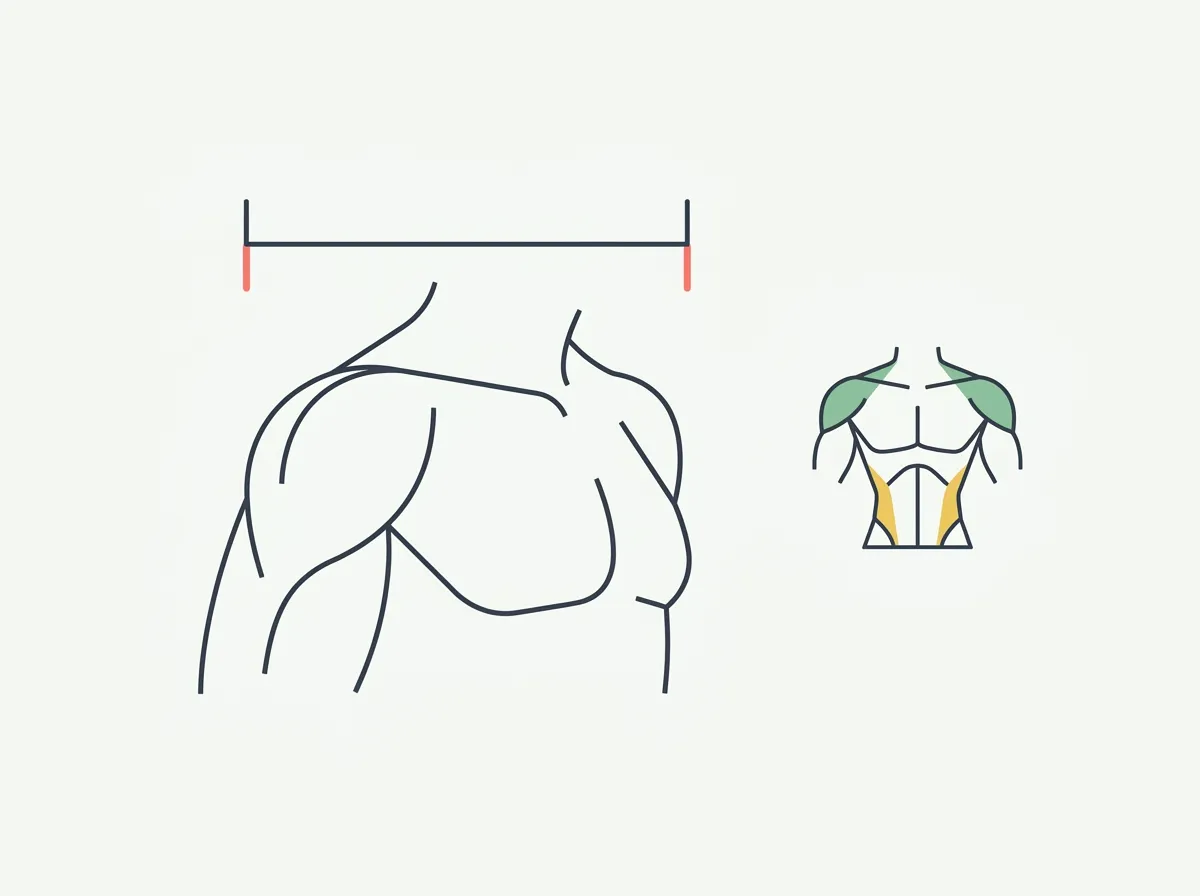
Average Shoulder Width: What's Broad, What's Average & What You Can Change
Bone-to-bone, the average man's shoulders span roughly 16 inches — and no exercise changes that number. What training changes is everything the eye actually reads as broad: delts, upper back, and the waist below them.
My App Has Copycats Now
A competitor introduced himself in my Reddit comments, then asked for my monthly actives and my Claude.md two hours later. On cloned blog titles, copycat apps, and why I'm still sharing everything.
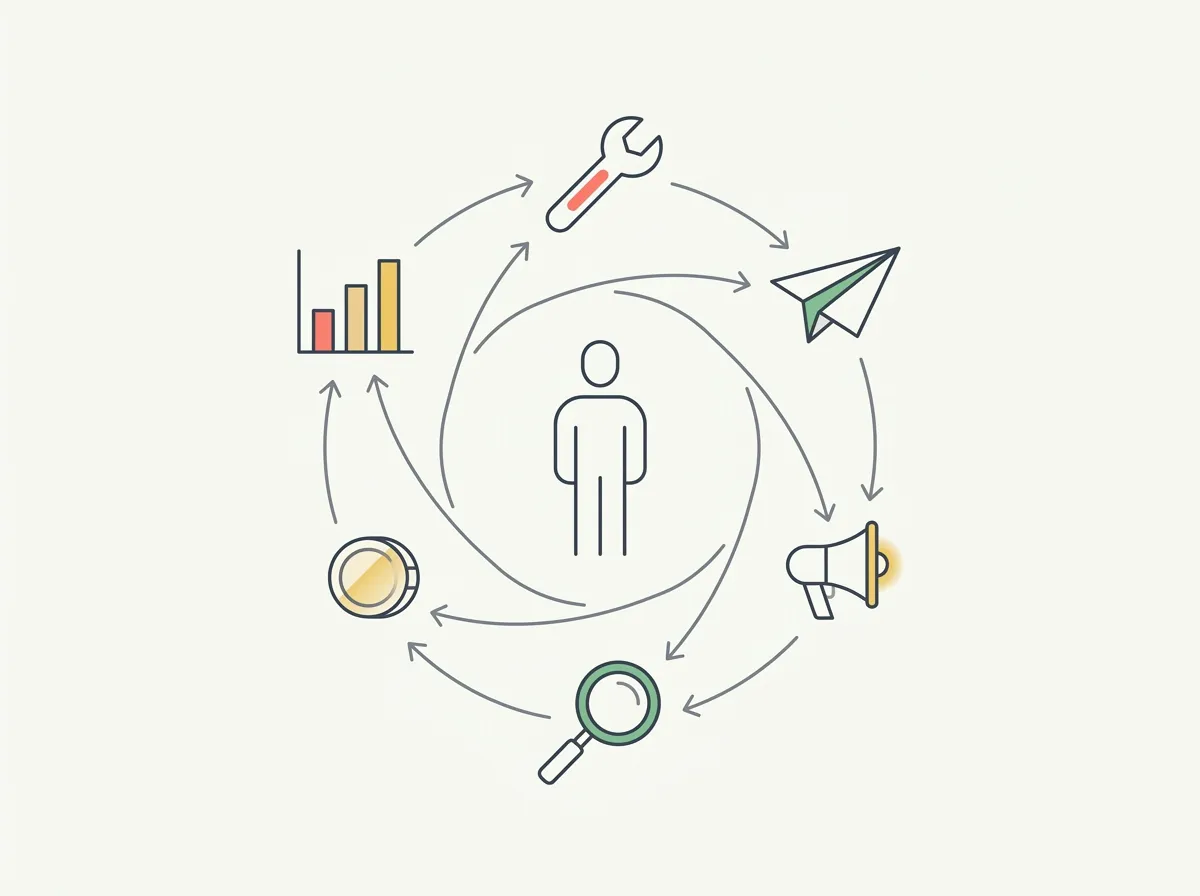
Every Tool and System Behind My $944 MRR iOS App
GainFrame is 4 months old, at $944 MRR and growing 45% a month, and it's just me. Every department a normal app company hires for is a service or a Claude Code skill. This is the whole list, with the actual workflows and numbers.
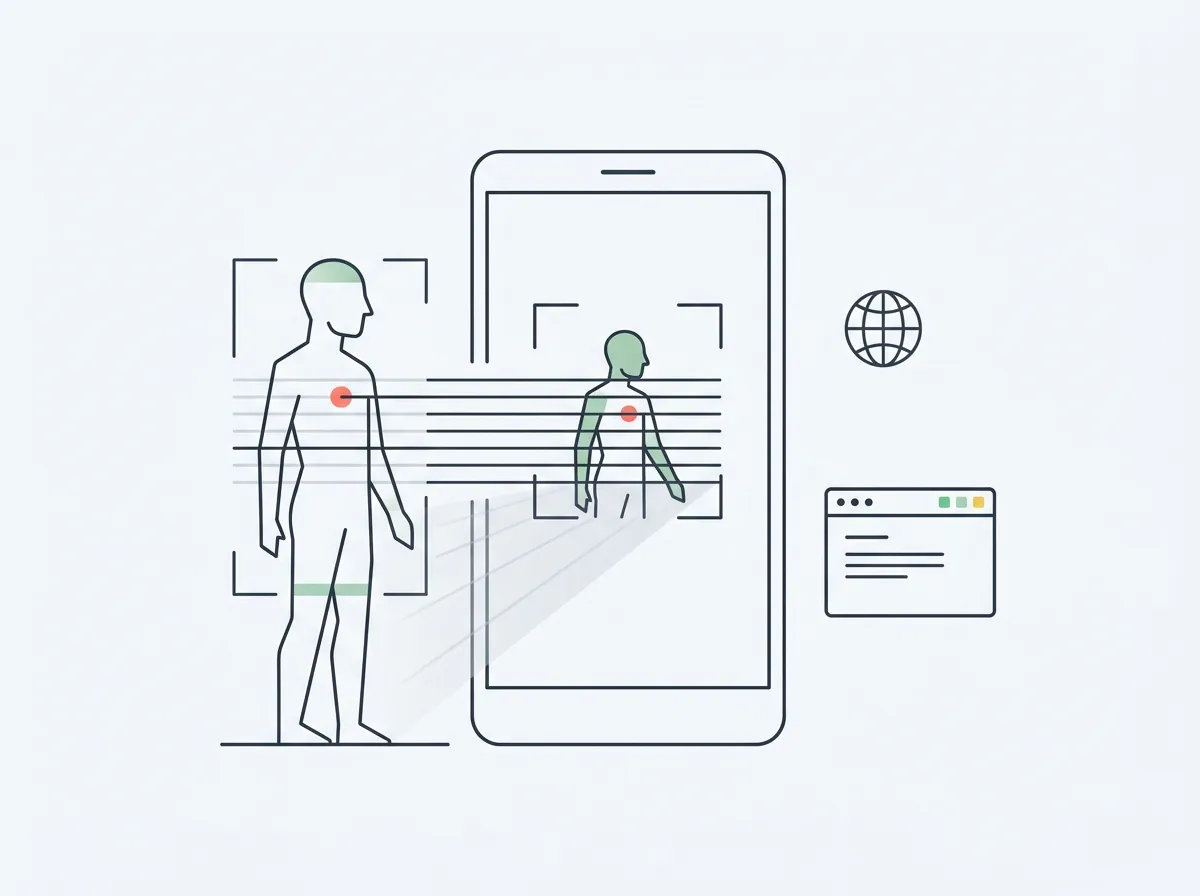
AI Body Fat Apps for Android: What Works in 2026
Search for a body fat scanner on the Play Store and half the apps people recommend aren't there — including ours. Here's the honest map of what an Android user can actually run in 2026.
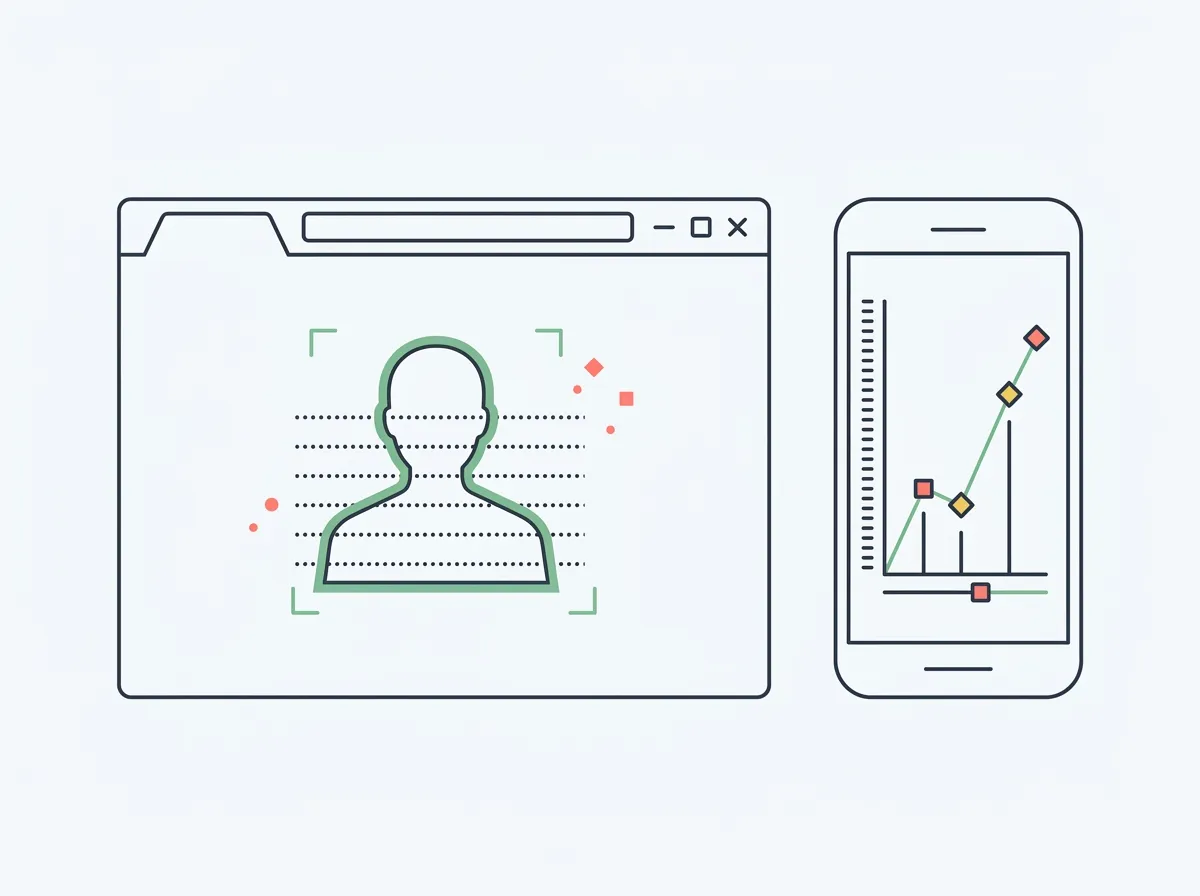
Best LeanLens Alternatives in 2026: 5 AI Body Analysis Options
LeanLens made AI body analysis as easy as it gets — upload a photo in a browser, get an estimate, no account. The alternatives matter when one-shot analysis stops being enough and you want a tracked timeline, muscle-group depth, or measurements.
Download GainFrame today
Sign up for early access and be the first to know when GainFrame goes live.