Useful fitness answers, without the noise.
Evidence-minded guides for people who care more about visible progress than another number on the scale.

Reading about progress is useful. Seeing yours is better.
Turn one gym photo into body-fat, FFMI, and muscle-group trends, then keep the signal going with consistent check-ins.
4.9 ★ from 35 ratings · 5,000 lifters · Private by design
Latest articles
Practical guidance on body composition, progress photos, training, and the work behind GainFrame.
Showing 121–150 of 253 posts
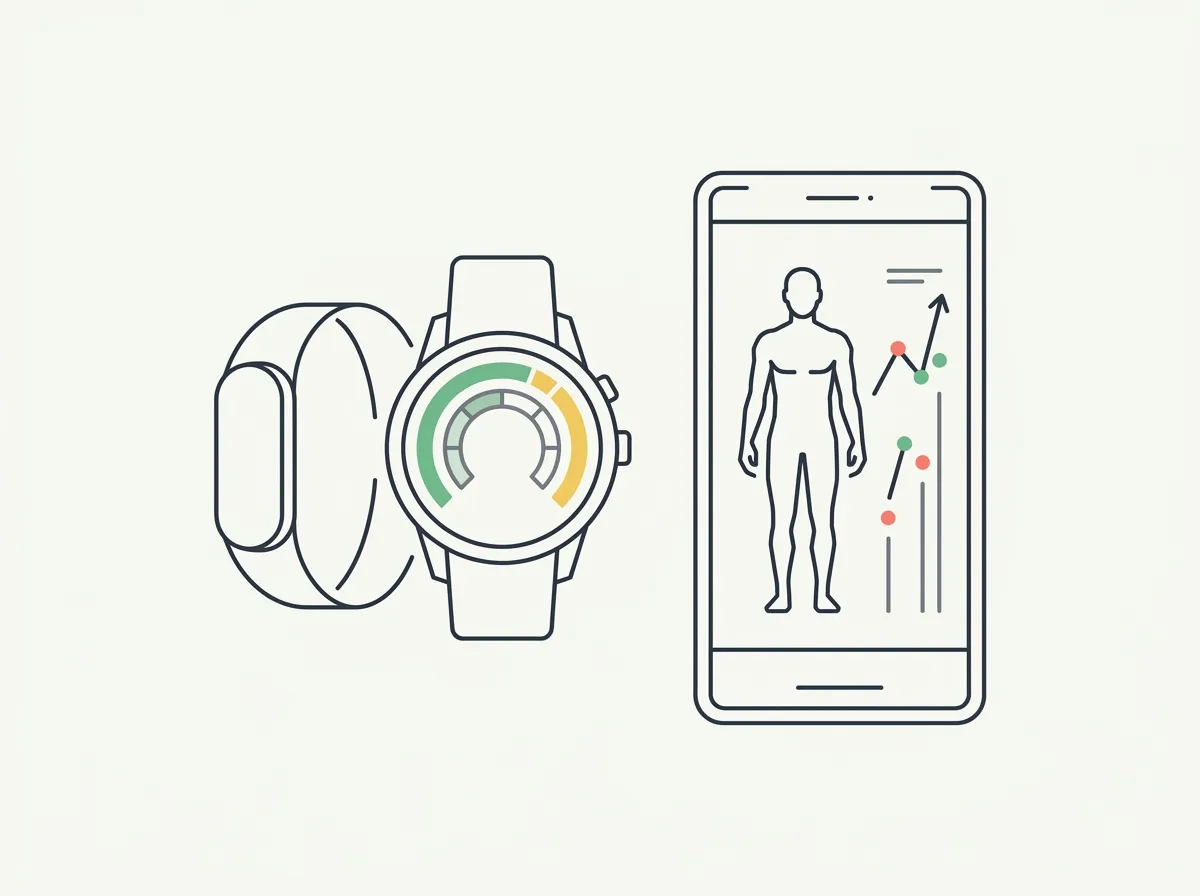
Best WHOOP Alternatives for Lifters (2026): 5 Options Compared
WHOOP is excellent at what it was built for — endurance-style strain and recovery optimization. But lifters are paying a membership for a model that wasn't designed around sets and reps. Here are five alternatives ranked by what a lifter actually needs.
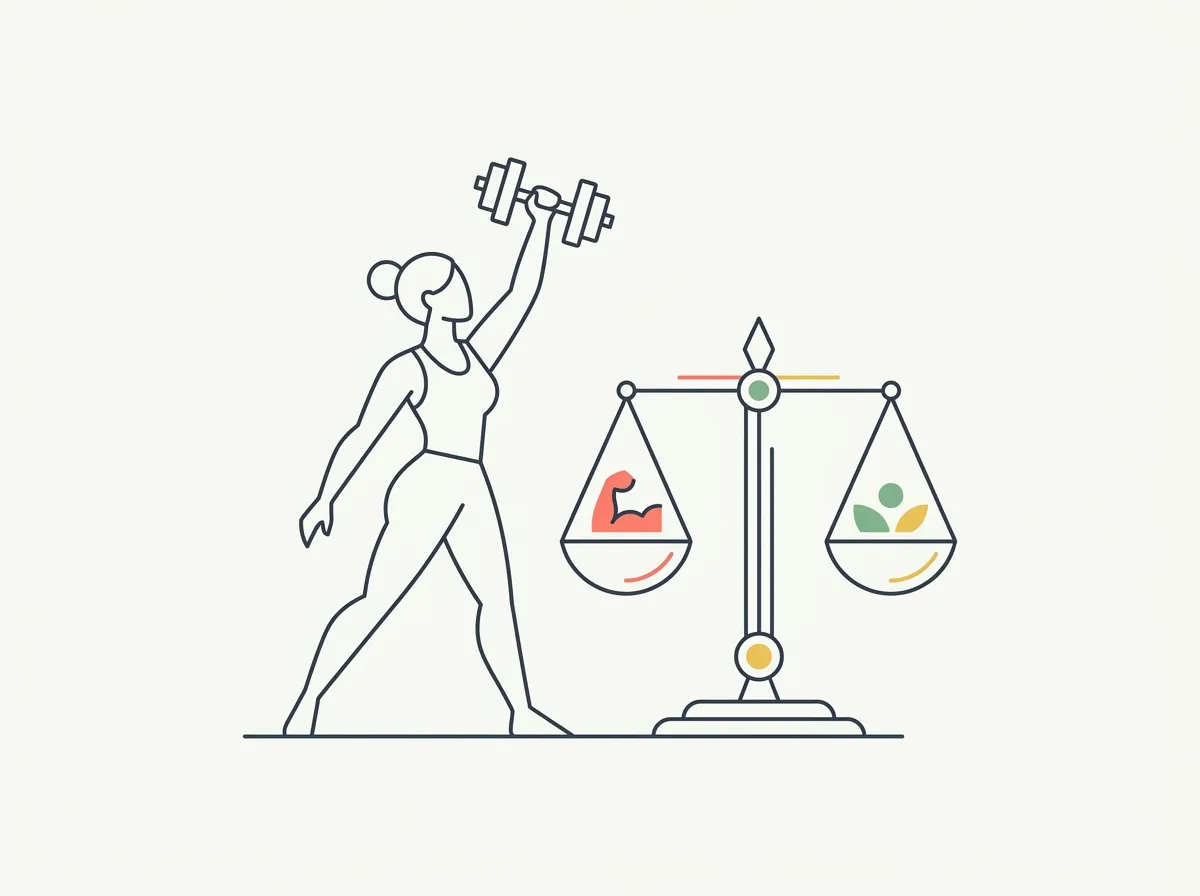
Body Recomposition for Women: The Complete Guide
The look most women describe as "toned" is muscle plus moderate leanness — which makes body recomposition, not endless cutting, the smartest default. Here's the complete guide: the fear worth retiring, the real numbers, and how to track progress the scale can't see.
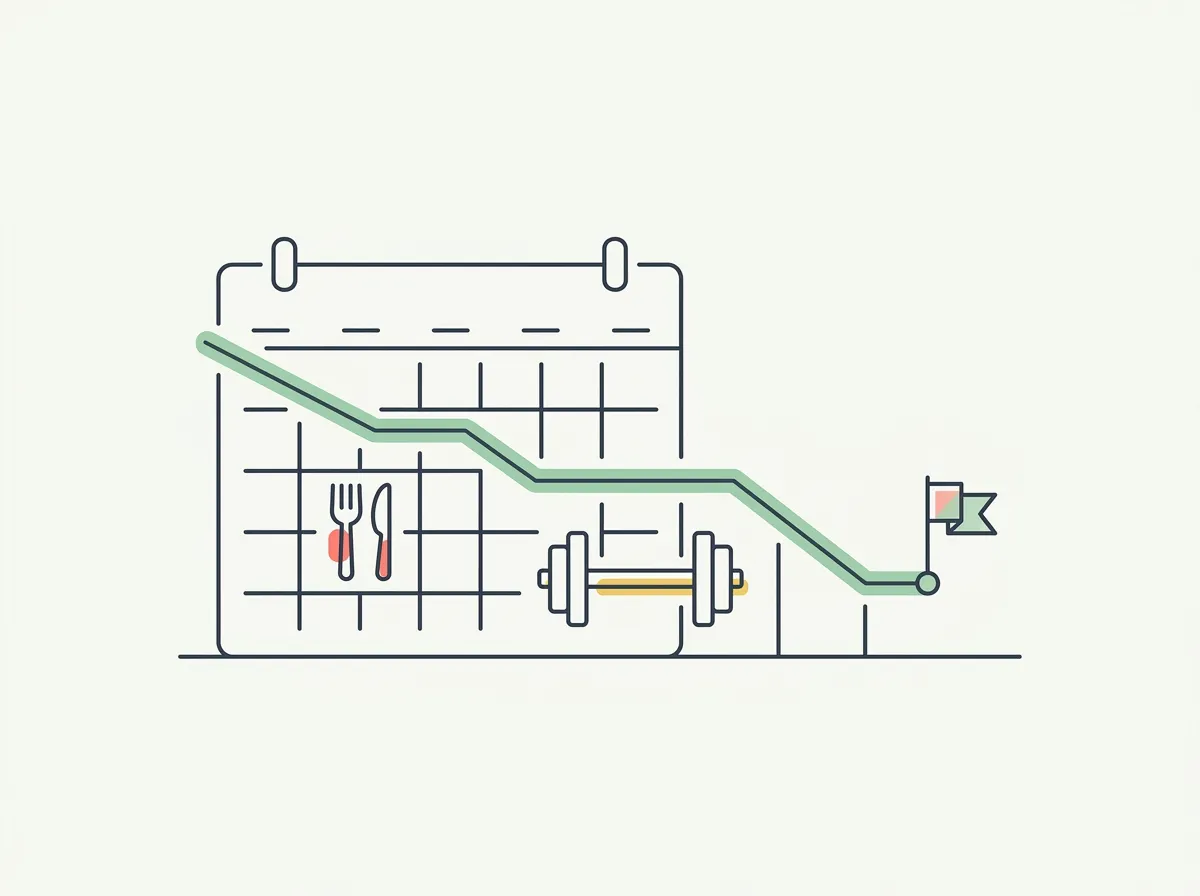
Your First Cut: A Beginner's Guide to Cutting Without Losing Muscle
You've built some muscle and now you want to see it. Here's the entire first cut — the deficit, the protein, why the barbell matters more than the treadmill, and the week-6 panic that makes beginners quit three weeks before it gets good.
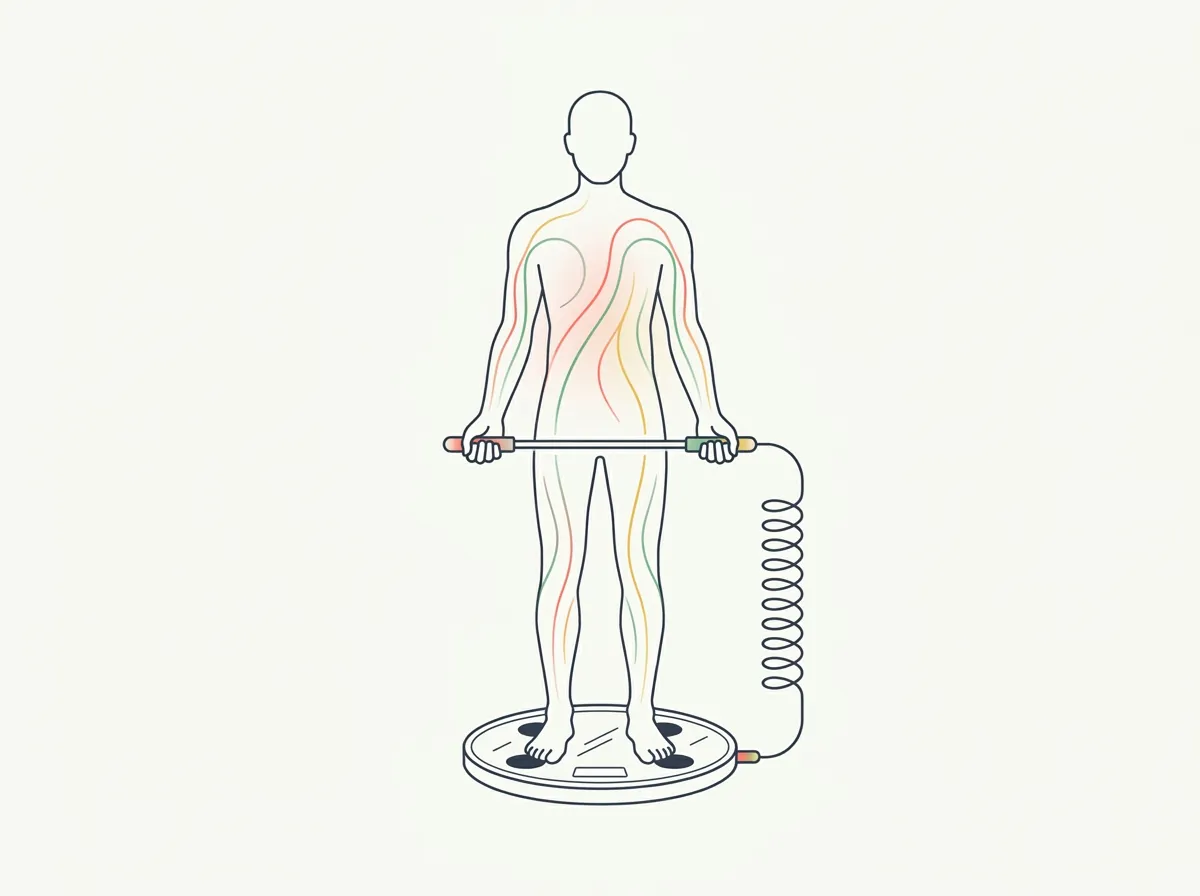
Hume Body Pod Review (2026): Accuracy, Price & Subscription
The Body Pod adds the thing cheap smart scales are missing, hand electrodes, and positions itself as an at-home InBody. It largely earns that, with one caveat no scale escapes: it's still BIA.
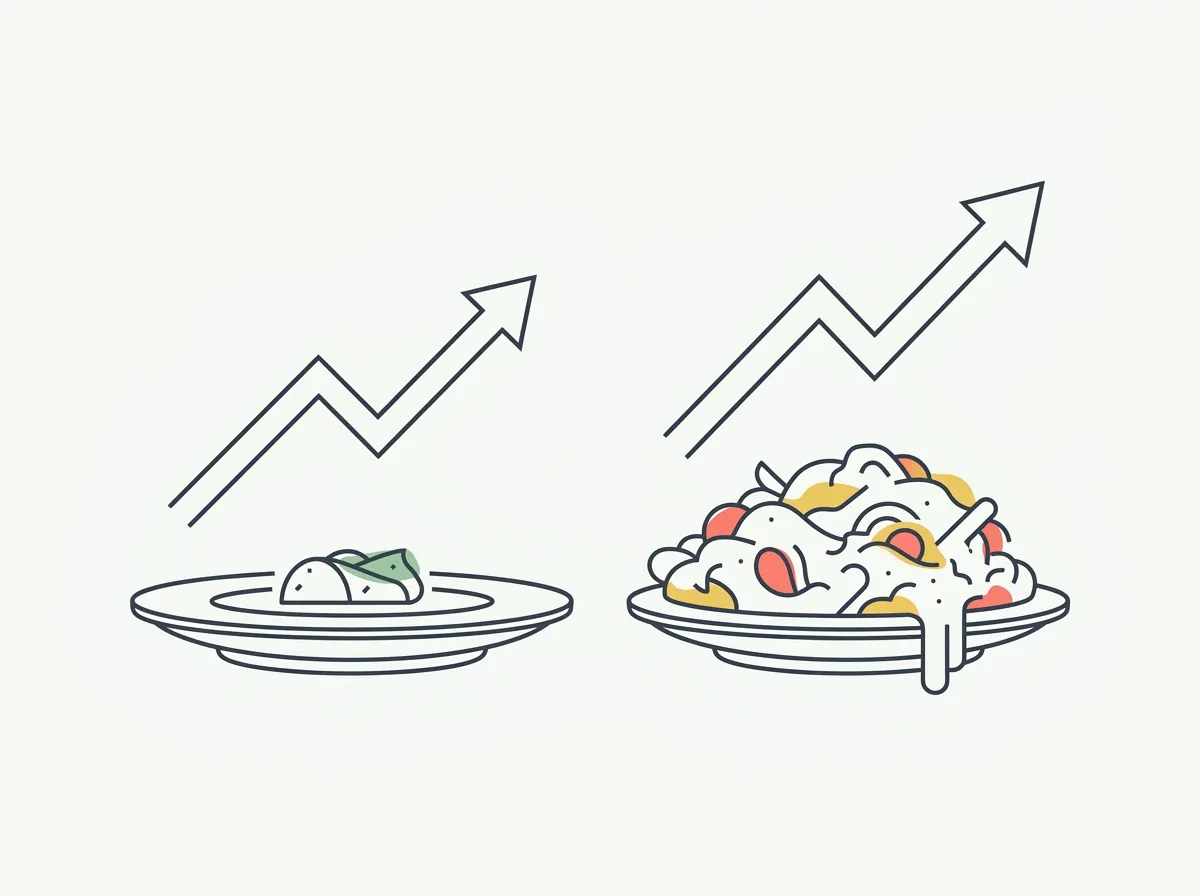
Lean Bulk vs Dirty Bulk: What Each Actually Looks Like
One camp says a surplus is a surplus and abs are for Instagram. The other says every ounce of fat you gain is a debt with interest. The physiology picks a side — mostly — but the dirty bulk keeps a legitimate use case the lean-bulk purists don't like to admit.
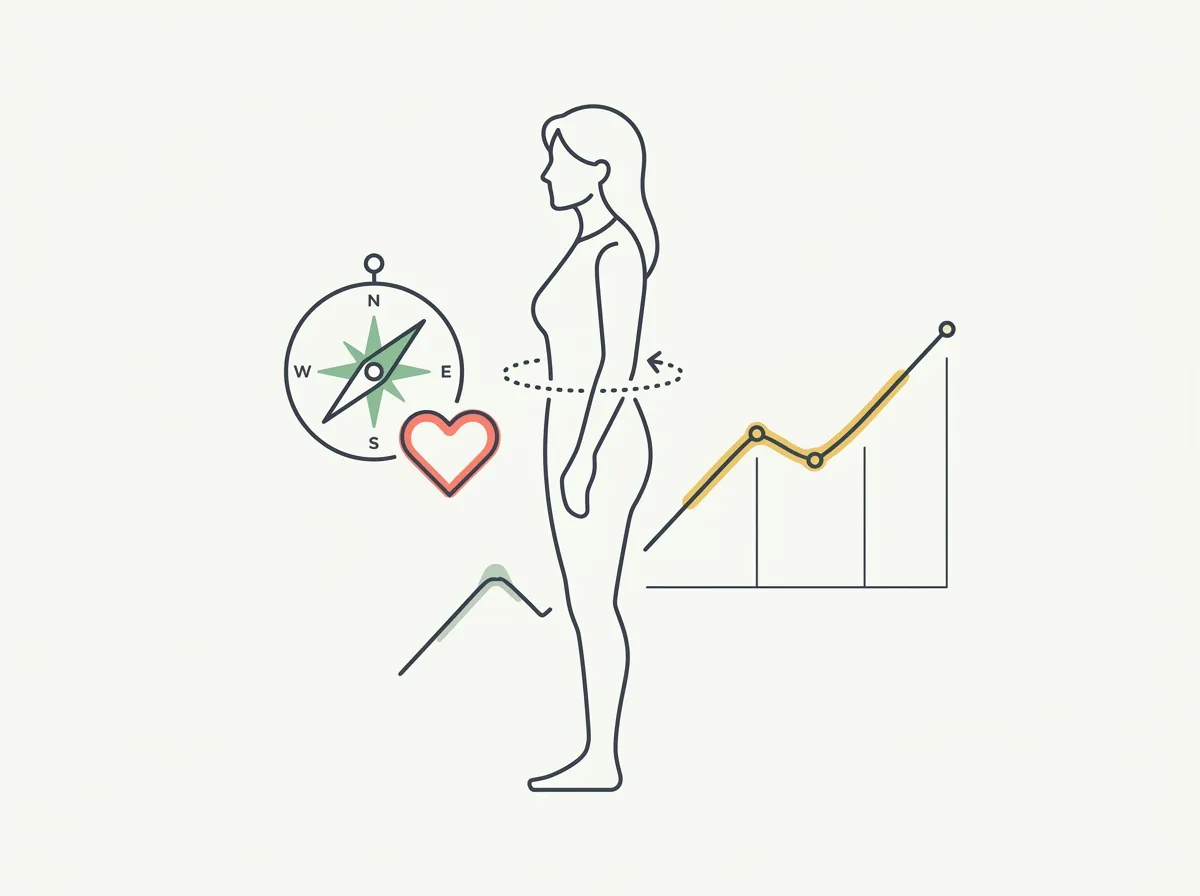
Menopause and Body Composition: Tracking What Actually Changes
Through menopause, the scale can stay almost still while body composition changes meaningfully underneath it — which makes this exactly the moment visual and strength tracking beat weight. Here's what research commonly reports, what's consistently supported, and what to actually track.
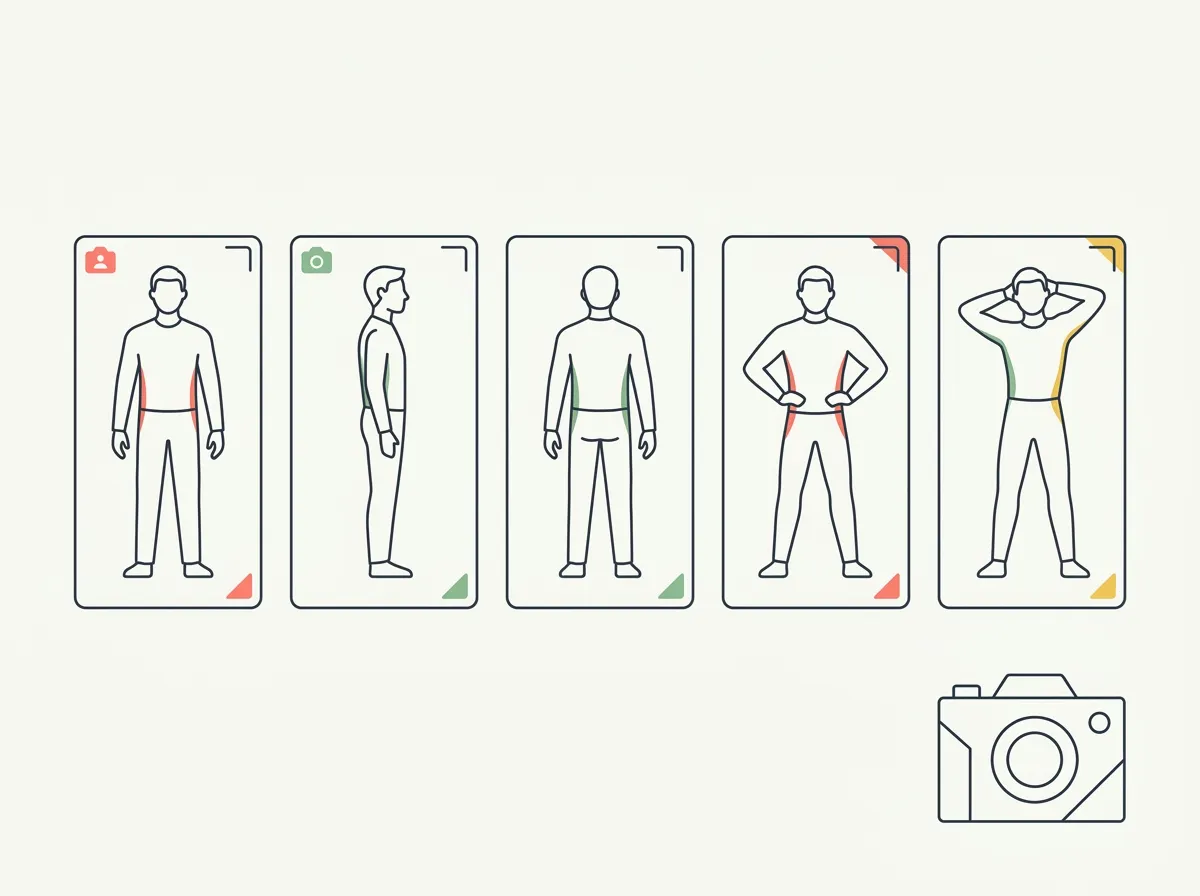
Progress Photo Poses: The 5 That Actually Show Change
Most progress photo advice covers lighting and timing. Almost none of it answers the question you actually have standing in front of the mirror: which poses? Here are the five worth taking, what each one reveals, and the mistakes that quietly ruin comparisons.
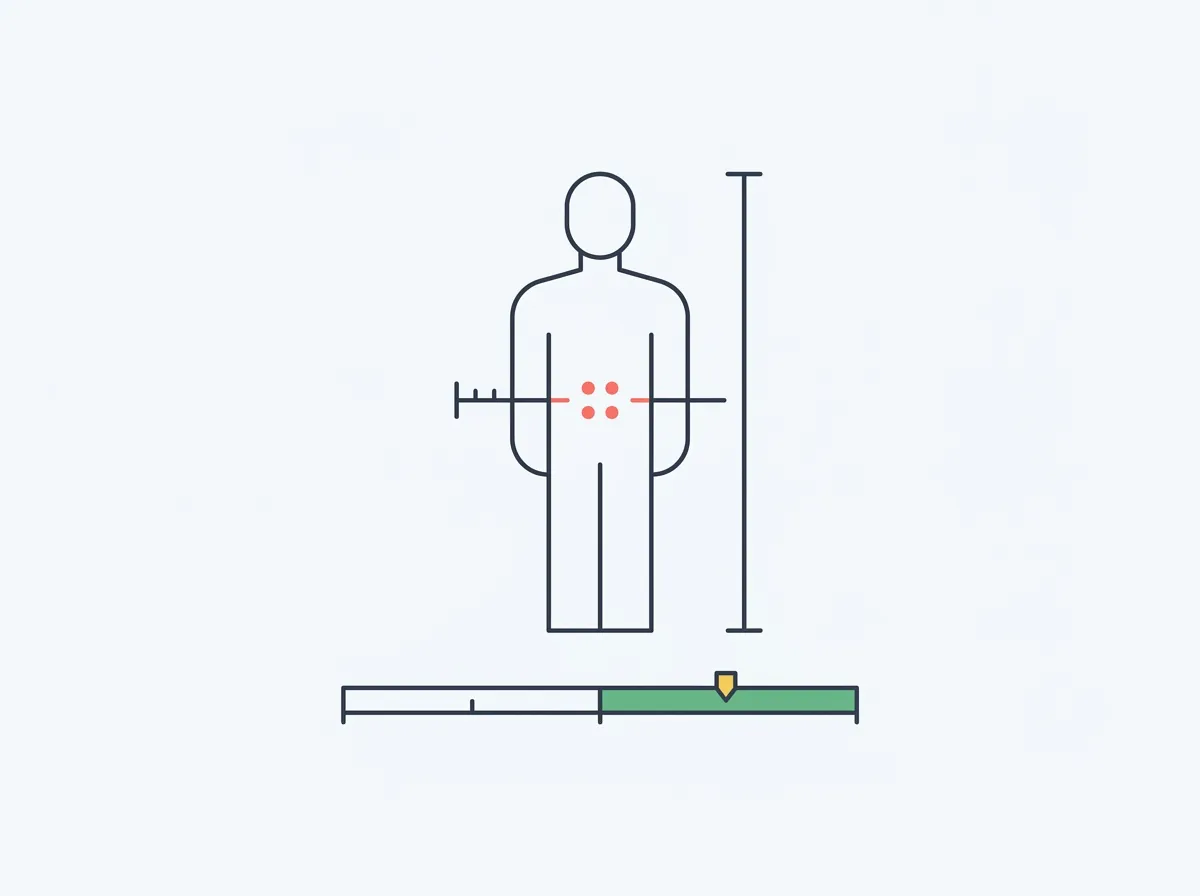
Waist-to-Height Ratio Calculator and Chart (cm & Inches)
Calculate your ratio in centimeters or inches, check the waist thresholds for your height, and learn how to take a consistent measurement. A useful screening number, with clear limits for interpreting it.
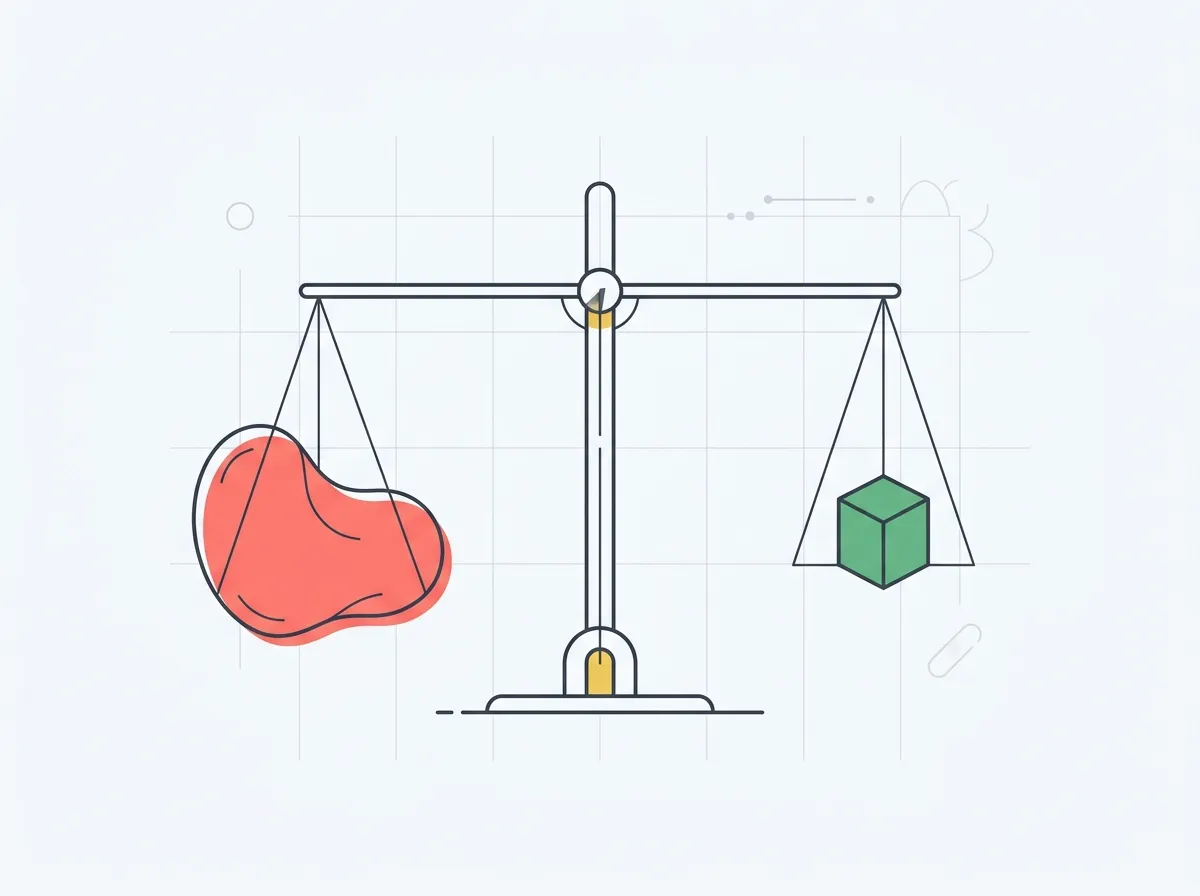
10 Pounds of Fat vs 10 Pounds of Muscle: What It Actually Looks Like
The scale treats them as identical. Your waistband doesn't. The honest version of the classic fat-vs-muscle comparison — density math, standardized visuals, and why a recomp can shrink you a clothing size without moving the number.
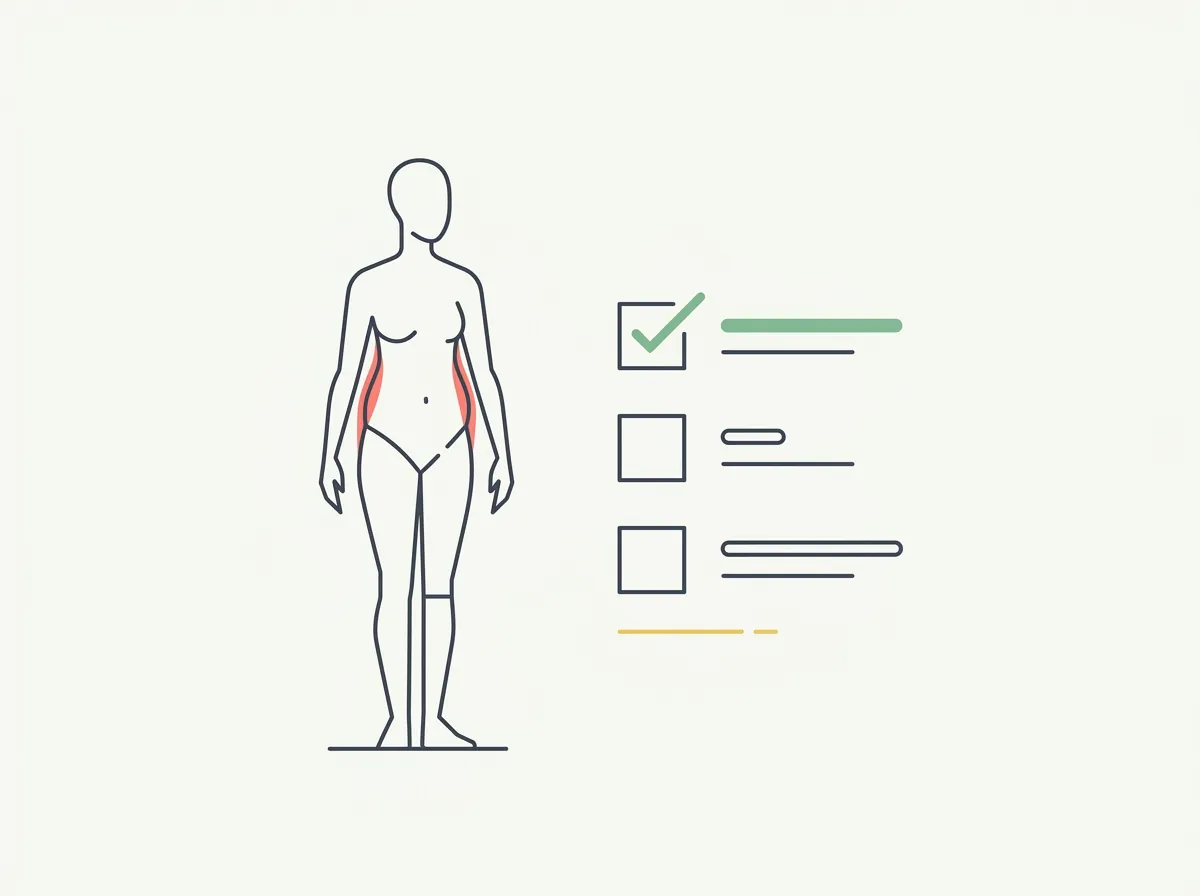
Am I Skinny Fat? A 60-Second Self-Check
The scale says fine. The mirror says otherwise. Seven yes/no checks settle it in under a minute — no calipers, no scan, no signup.
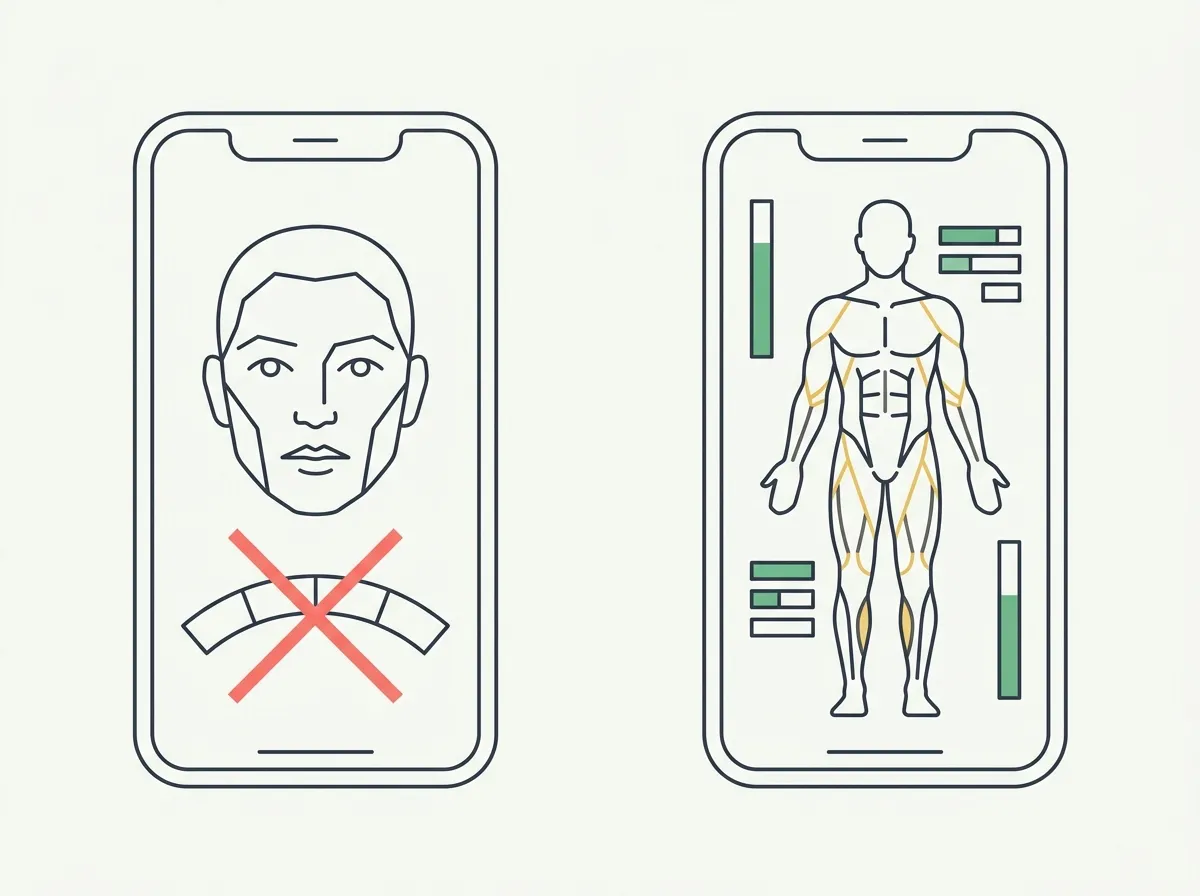
Apps Like Umax for Your Physique: 5 AI Body Rating Apps (2026)
Umax made 'get rated by AI' a genre — for faces. If what you actually want rated is your physique, these five apps score your body from a photo. Some just rate; the good ones track.
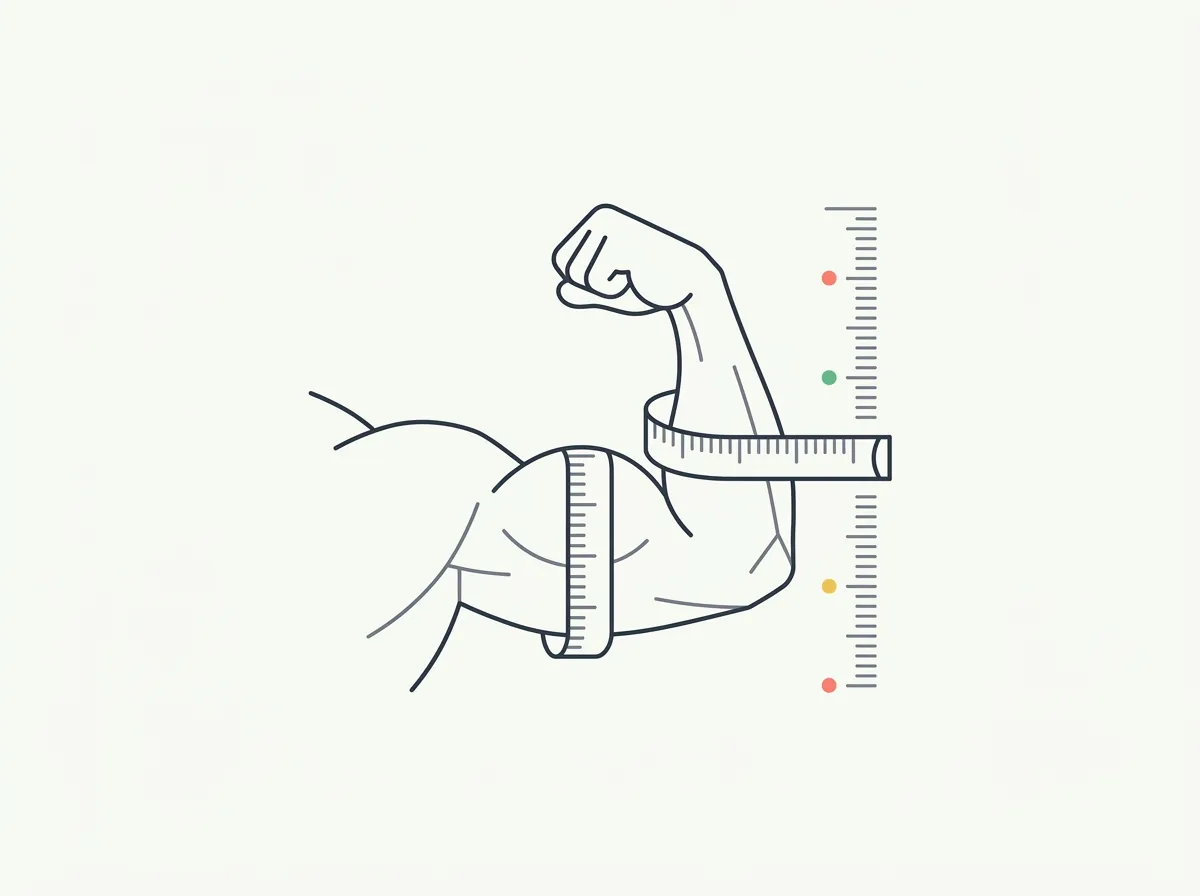
Average Bicep Size: By Height, Age & What Counts as Big
Lifting forums will tell you anything under 17 inches is small. Measurement data says the average man tapes 13-14. Here's the honest chart by height and training level - and why a lean 15 beats a soft 16 every time.
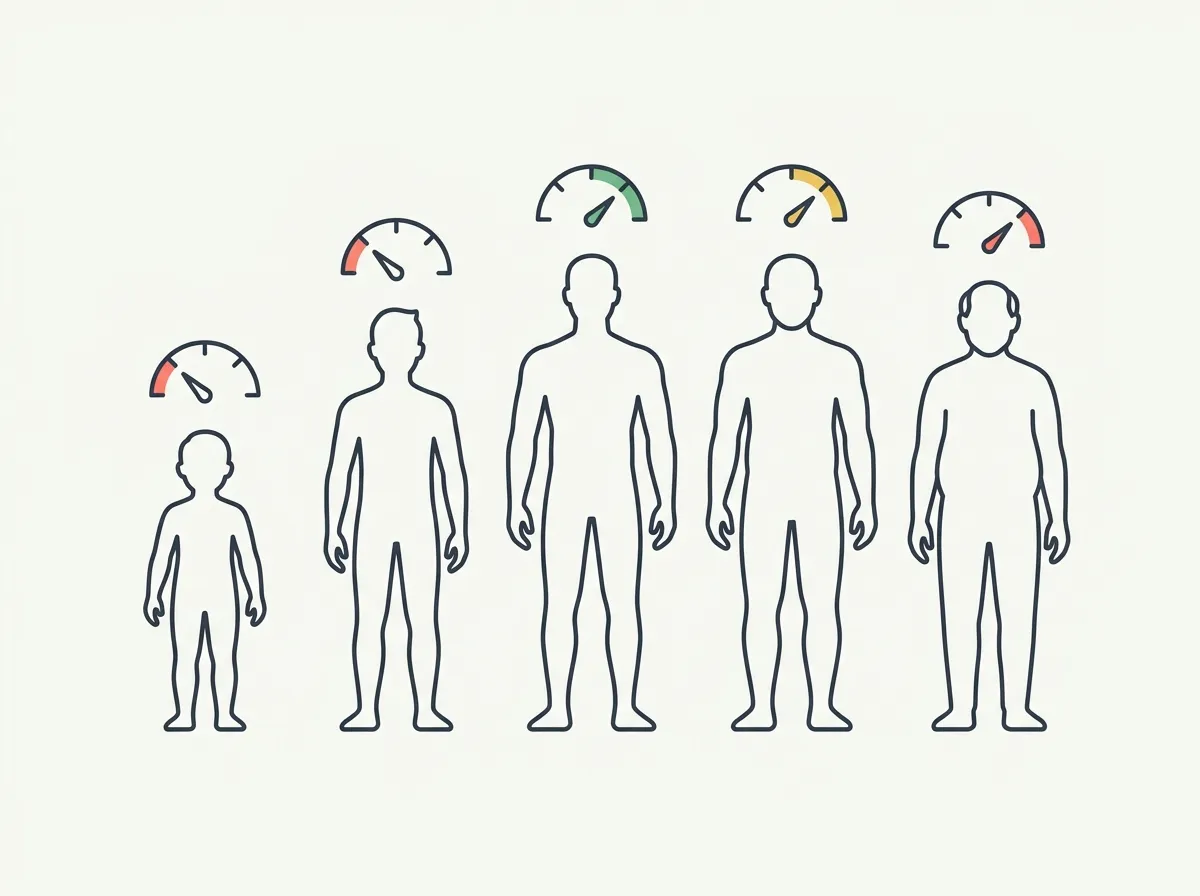
Average Body Fat Percentage by Age: Charts for Men & Women
The average man in his 40s carries roughly ten points more body fat than the healthy range starts at. Here are the decade-by-decade numbers, why they drift up - and why matching the average is a low bar.
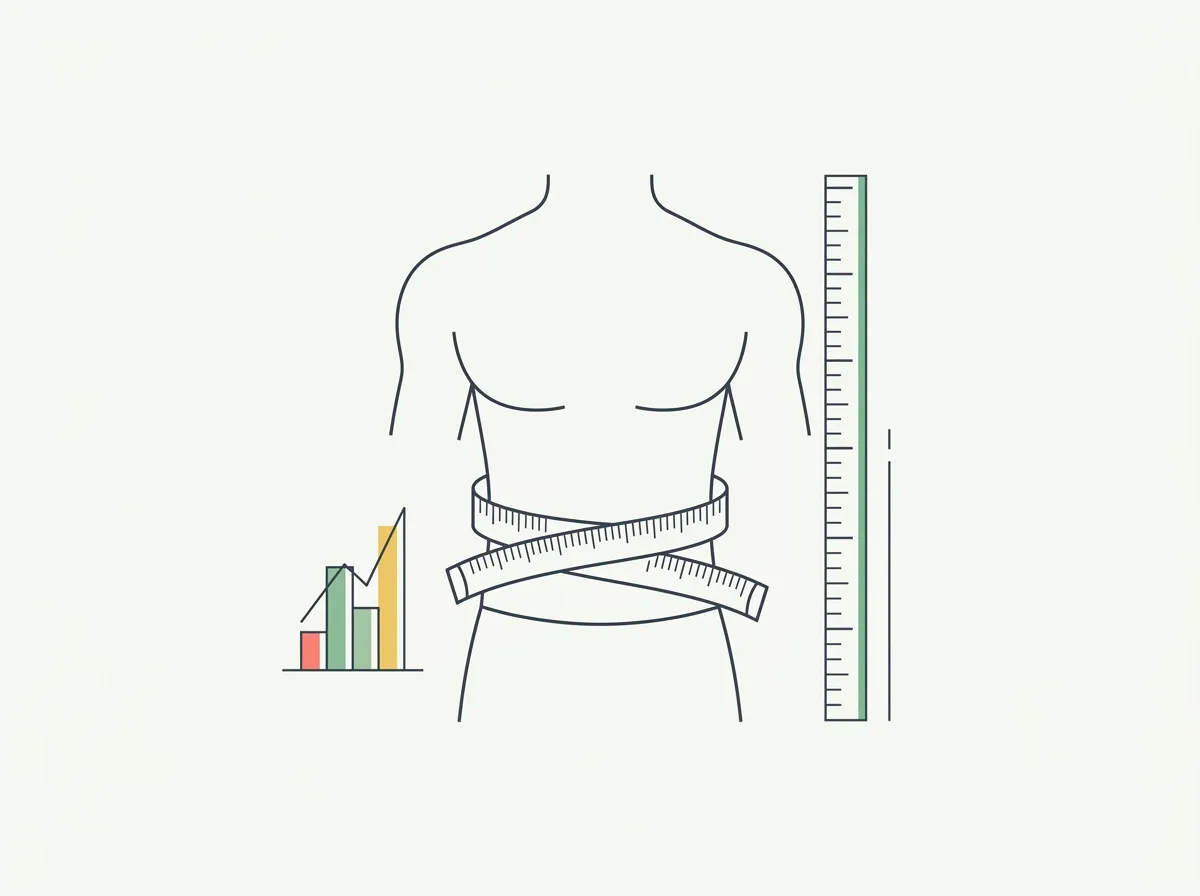
Average Waist Size for Men: By Age, Height & What It Means
The average American man's waist is around 40 inches - and almost nobody believes it, because pants labels measure a different body part. What's average, what's healthy for your height, and what a few inches of waist actually looks like.
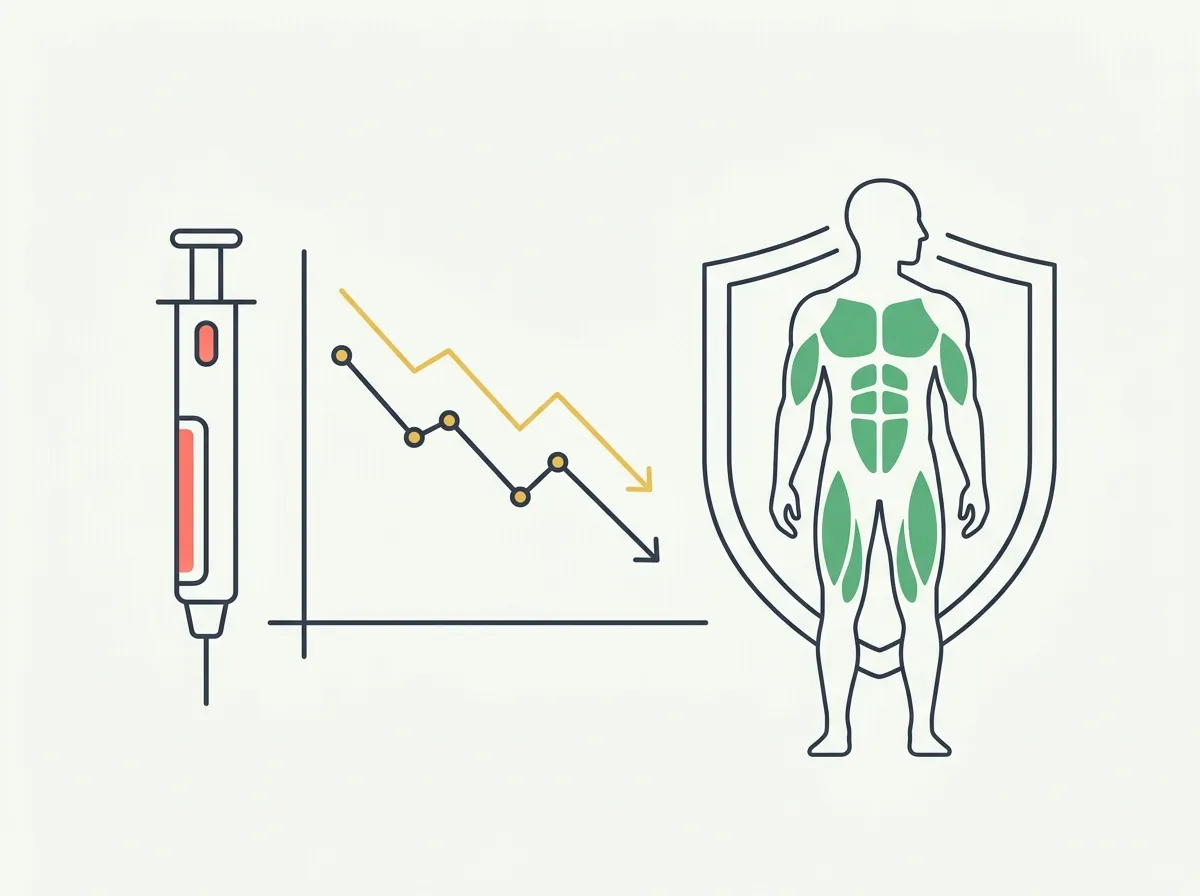
5 Best Apps to Track Muscle Loss on GLP-1s (Ozempic, Zepbound)
GLP-1 weight loss is fast — and some of what's lost is muscle. The scale can't tell you how much. Here are the five apps that can, ranked by which part of the problem each one catches.
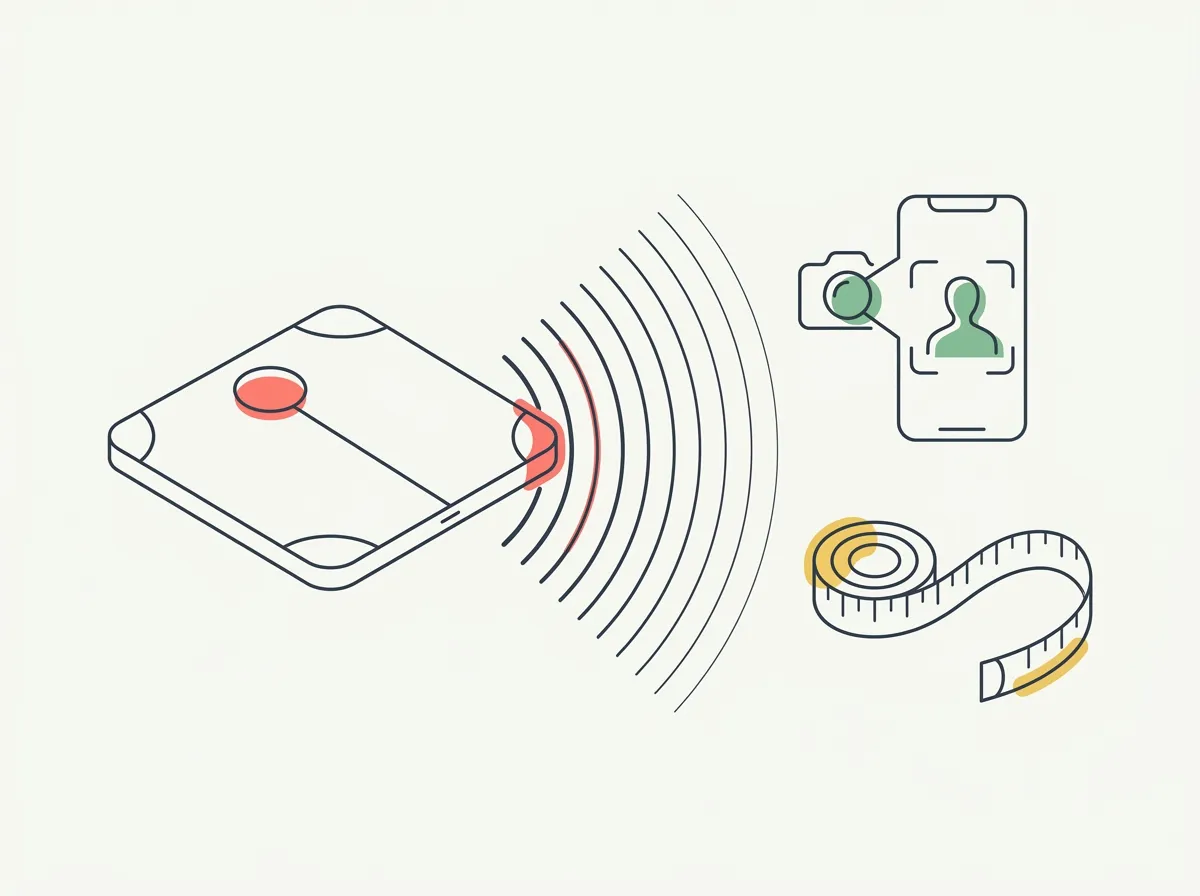
Best Renpho Alternatives in 2026: 6 Options That Fix BIA's Problems
Renpho made body composition cheap, but foot-to-foot BIA readings swing with hydration and the body fat number is the least reliable thing it measures. Here are six alternatives ranked by what each actually fixes.
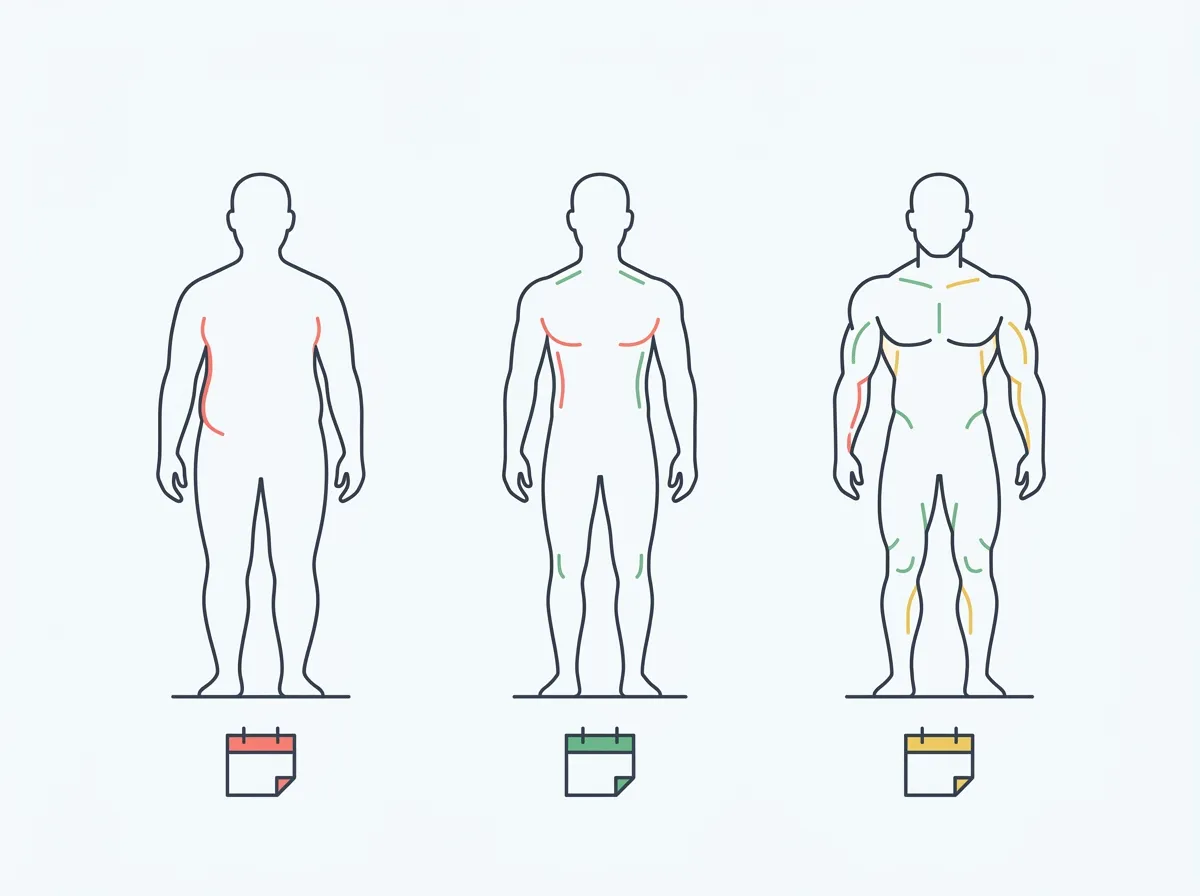
Body Recomposition Before and After: What 3, 6, and 12 Months Really Looks Like
Social media recomps compress a year into two photos and pick the most flattering versions of both. Here's the stage-by-stage reality - what actually changes at 3, 6, and 12 months, shown with standardized renders instead of lighting tricks.
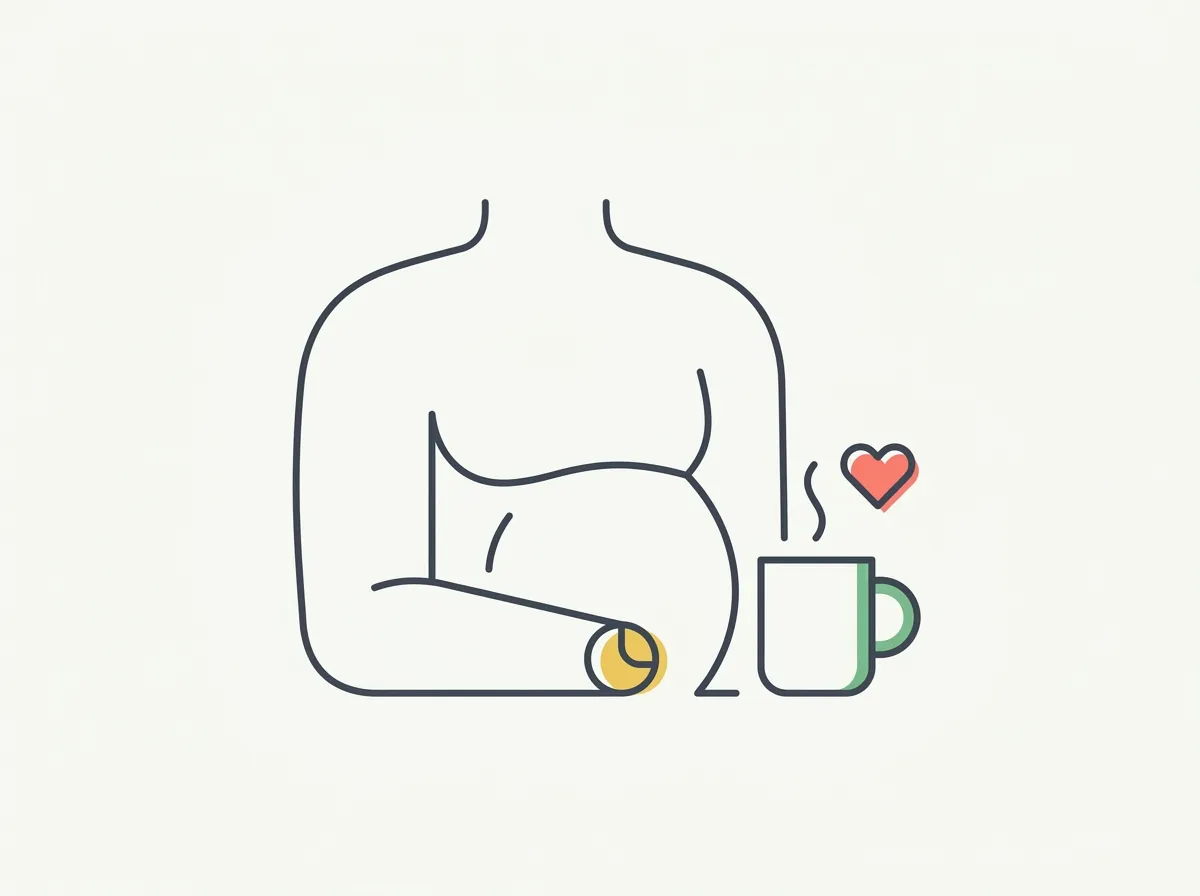
Dad Bod Body Fat Percentage: What It Is (and What It Looks Like)
It's a cultural label, not a diagnosis — but it maps to a real body fat range. Here's what the dad bod looks like under standardized conditions, why it happens to good people, and the honest 12-week path to the fit-dad version.
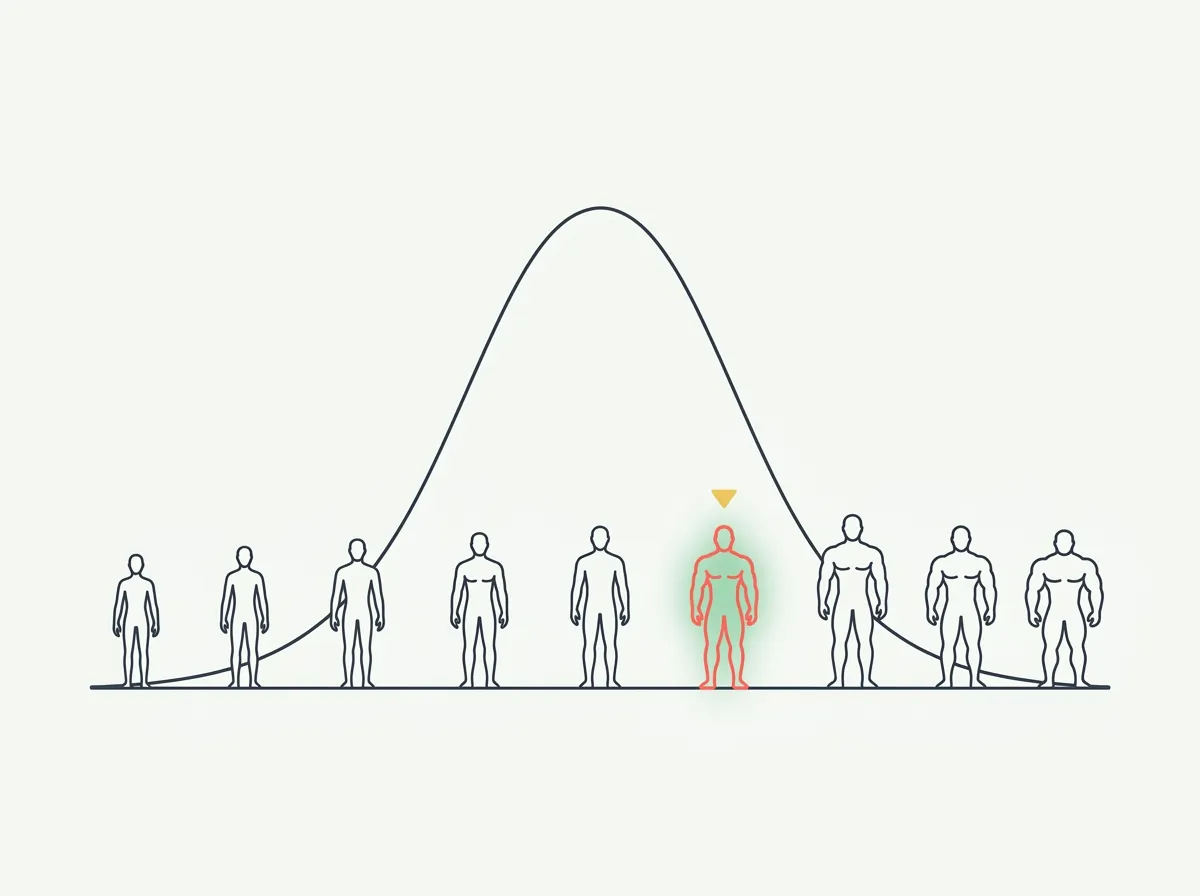
FFMI Percentiles: How Muscular Are You Compared to Other Men?
Your bench says how strong you are on one lift. FFMI says how much muscle you carry for your height — and unlike gym numbers, it has recognizable landmarks. Here's the distribution, from untrained average to the commonly cited natural ceiling.
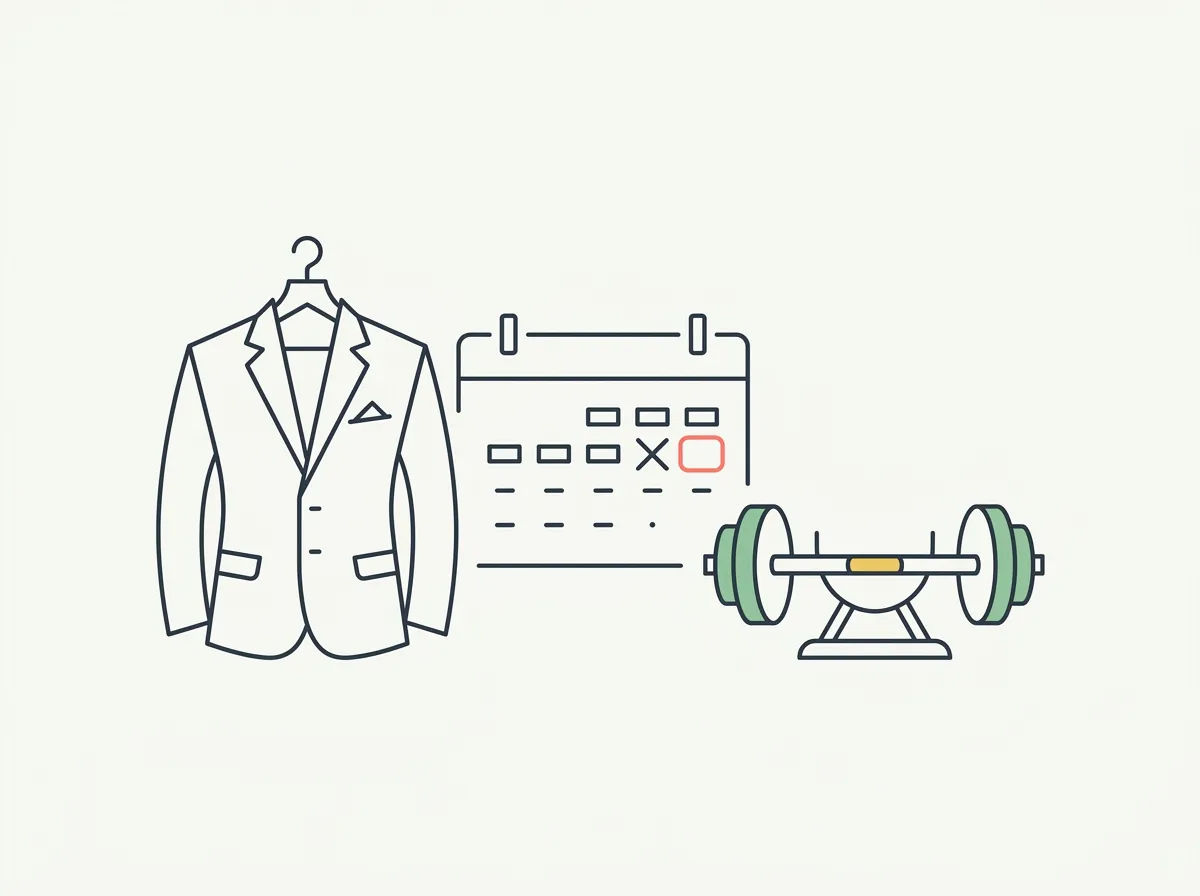
The Groom's 12-Week Wedding Shred: A Realistic Plan
The wedding-fitness industry has a thousand plans for brides and a shrug for you. Here's the groom's version: twelve weeks, worked backward from the date, ending in maintenance instead of a crash.
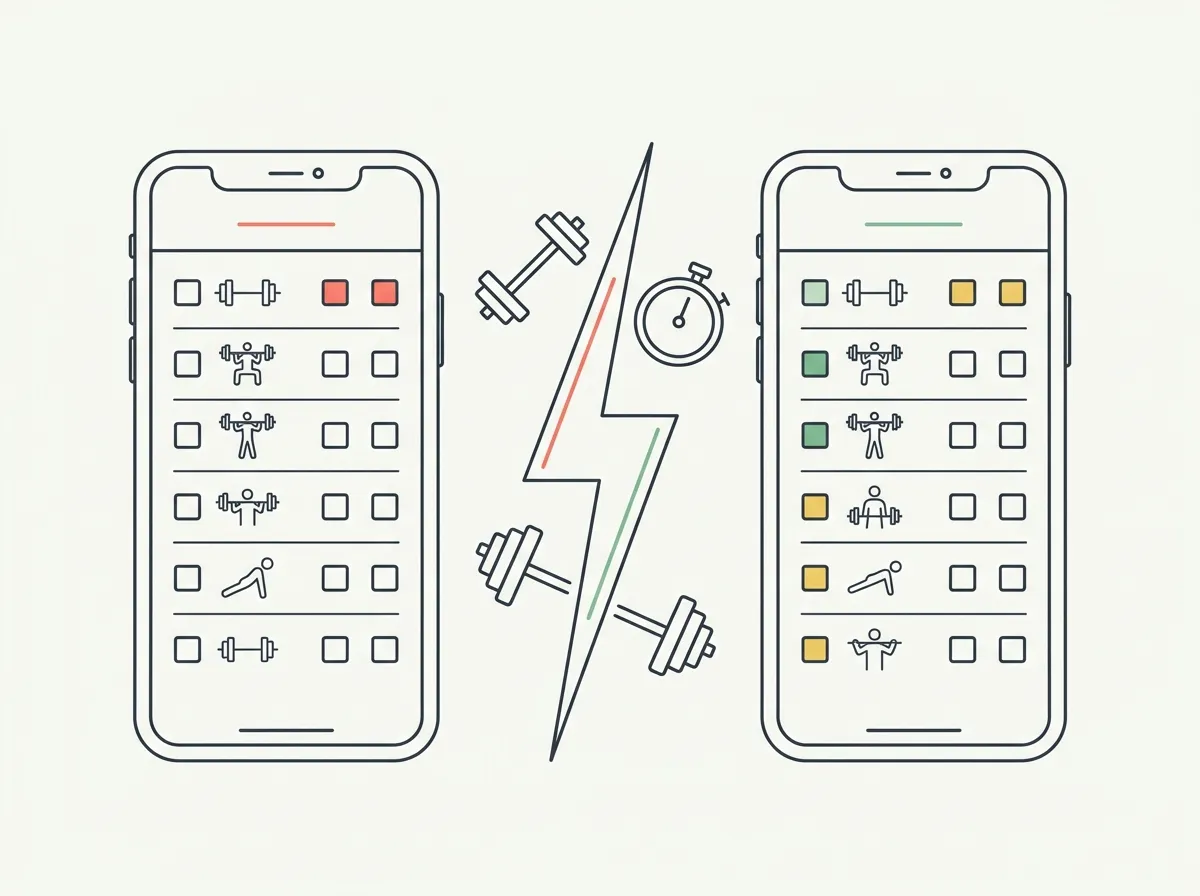
Hevy vs Strong (2026): Which Workout Tracker Should You Use?
Hevy and Strong are the two default answers to 'what should I log my lifts in?' Both are excellent. The differences — free tier, social feed, platform polish — decide it, and they're real.

I Paid $49 to Outsource My Promo Video. I Should Have Done It Months Ago.
A motion designer cold-DMed me on Reddit, quoted $79, took $49, and delivered a first cut in about nine hours that embarrassed the screen recording on my landing page.
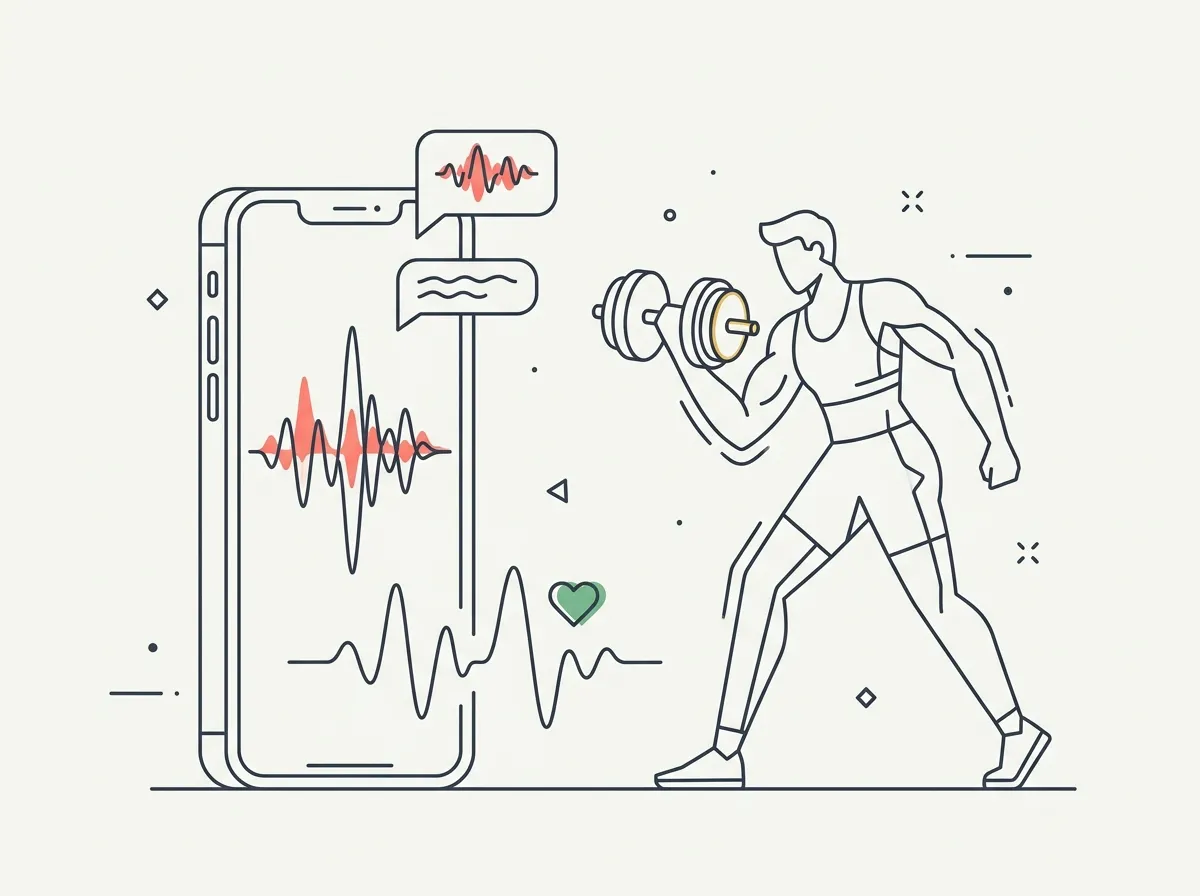
Ray Fitness App Review (2026): The Voice AI Trainer, Tested
Ray puts a voice in your ear that coaches your session in real time — no staring at your phone between sets. Here's an honest review: what it does well, where it's thin, and who should use it.
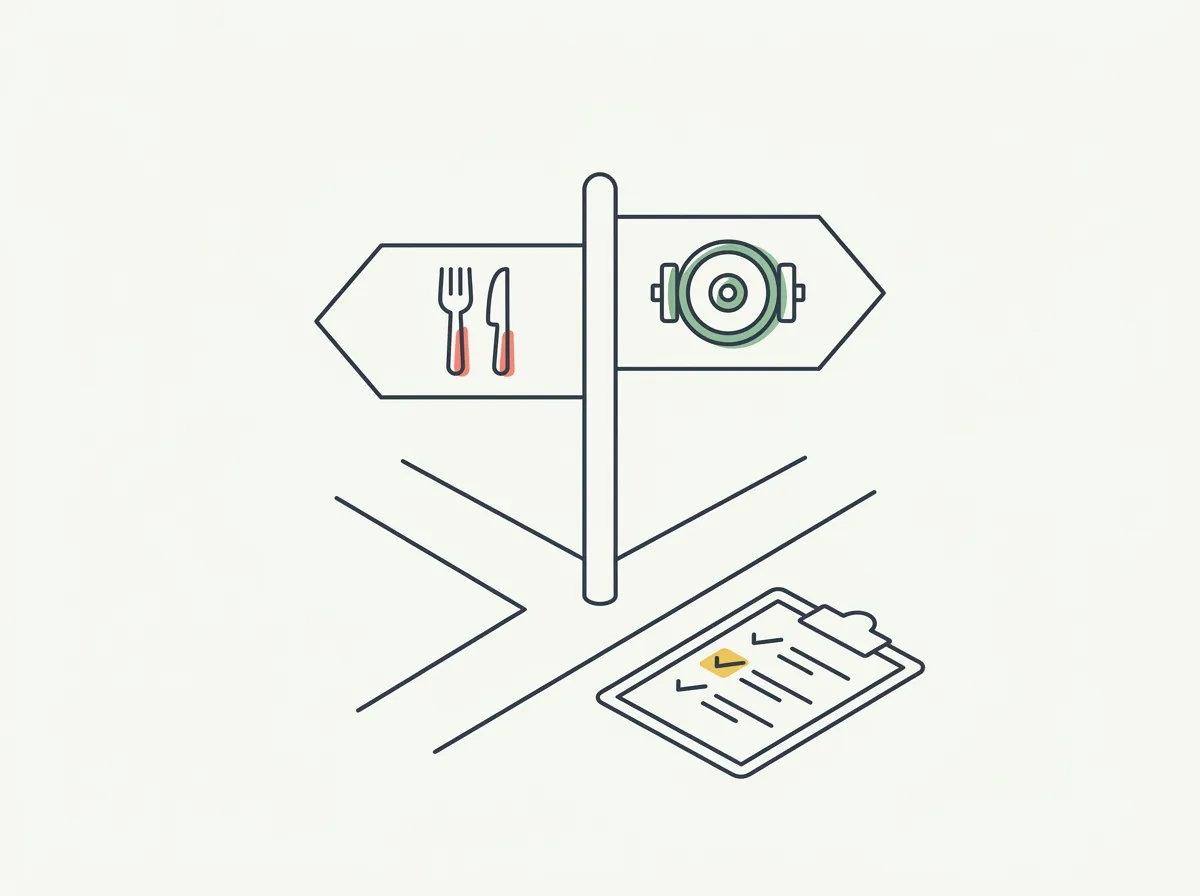
Should I Bulk or Cut? A 2-Minute Self-Assessment
You've been circling this decision for weeks. Six questions, count your A's and B's, and you'll have an answer in two minutes — plus the honest caveats about when the quick answer isn't enough.
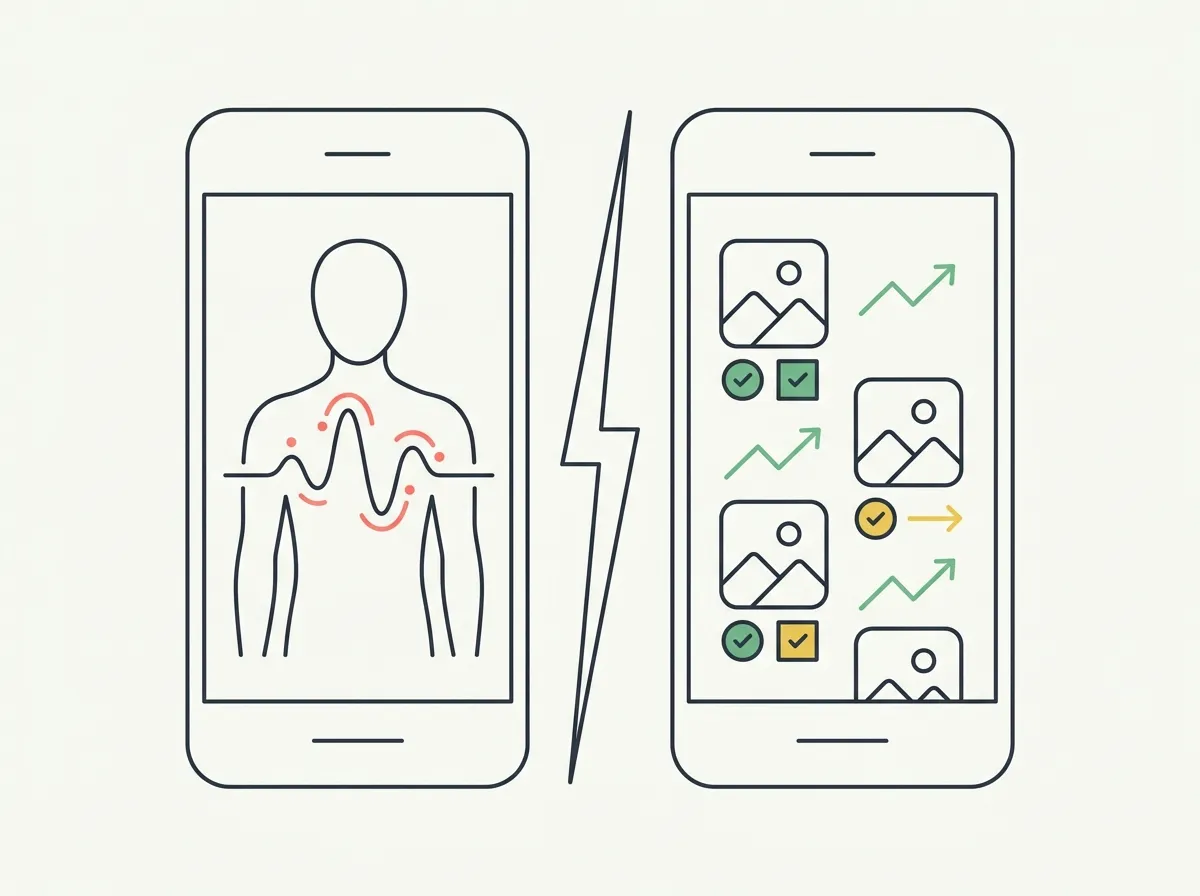
Spren vs GainFrame (2026): Quick Scan or Photo Timeline?
Spren turns your phone camera into a quick body-composition scanner. GainFrame turns your photos into a scored timeline. Both estimate from images — they just answer different questions.
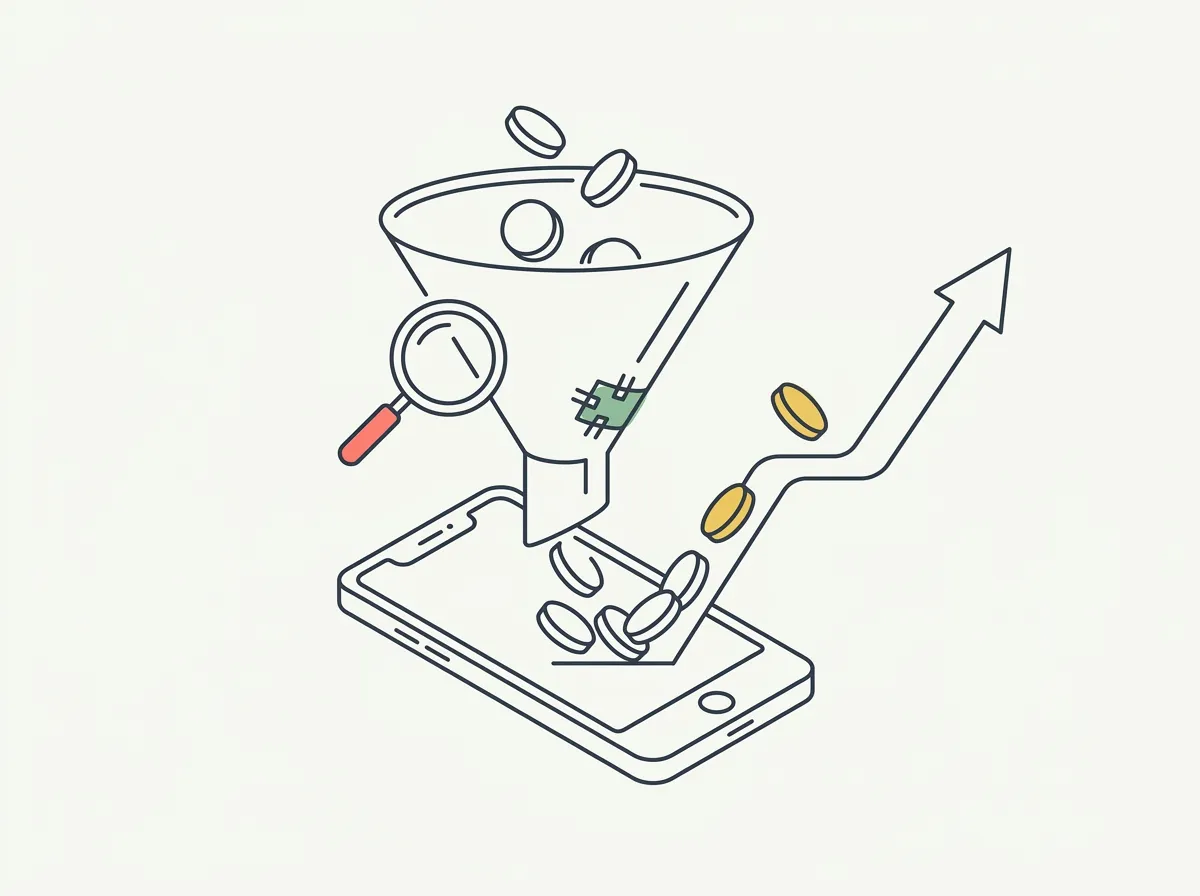
My Trial Conversion Was 21%. Five Weeks Later It's 44%.
The worst metric in my business was trial→paid conversion: 21% against a 40% industry median. Five weeks and $0 in ads later the last four cohorts blended 44%. What moved it: Pro features back behind the paywall, a new paywall test, and previews of the best features in onboarding.
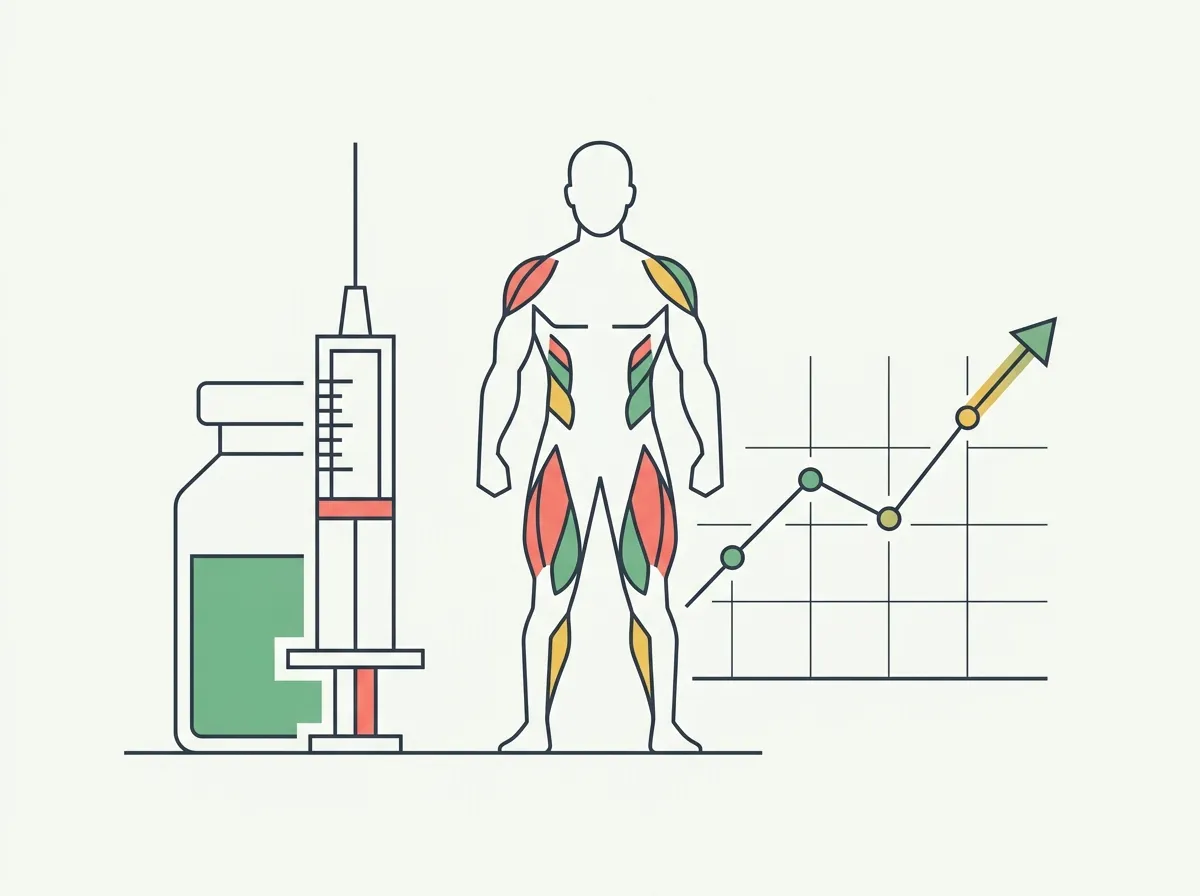
TRT and Body Composition: Tracking What Actually Changes
Forum before-and-afters promise a transformation. Research describes something slower and smaller. Here's how to track what TRT is actually doing to your body composition — and keep your clinician in the loop.
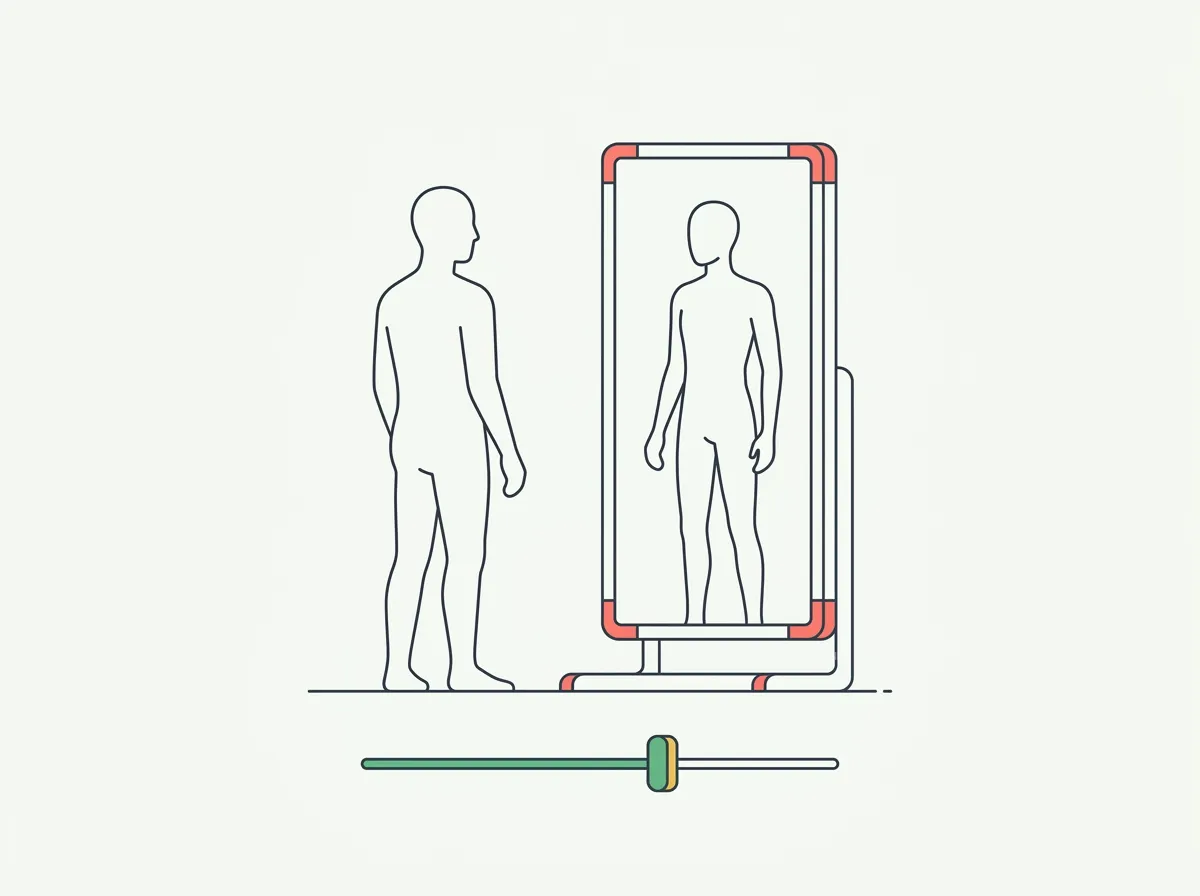
What Would I Look Like With Less Body Fat? (Visualize It)
It's the question everyone types into their phone at midnight. Here it is answered three ways: standardized renders of the same man dropping 10 points, a free interactive visualizer, and an AI projection of your own body.
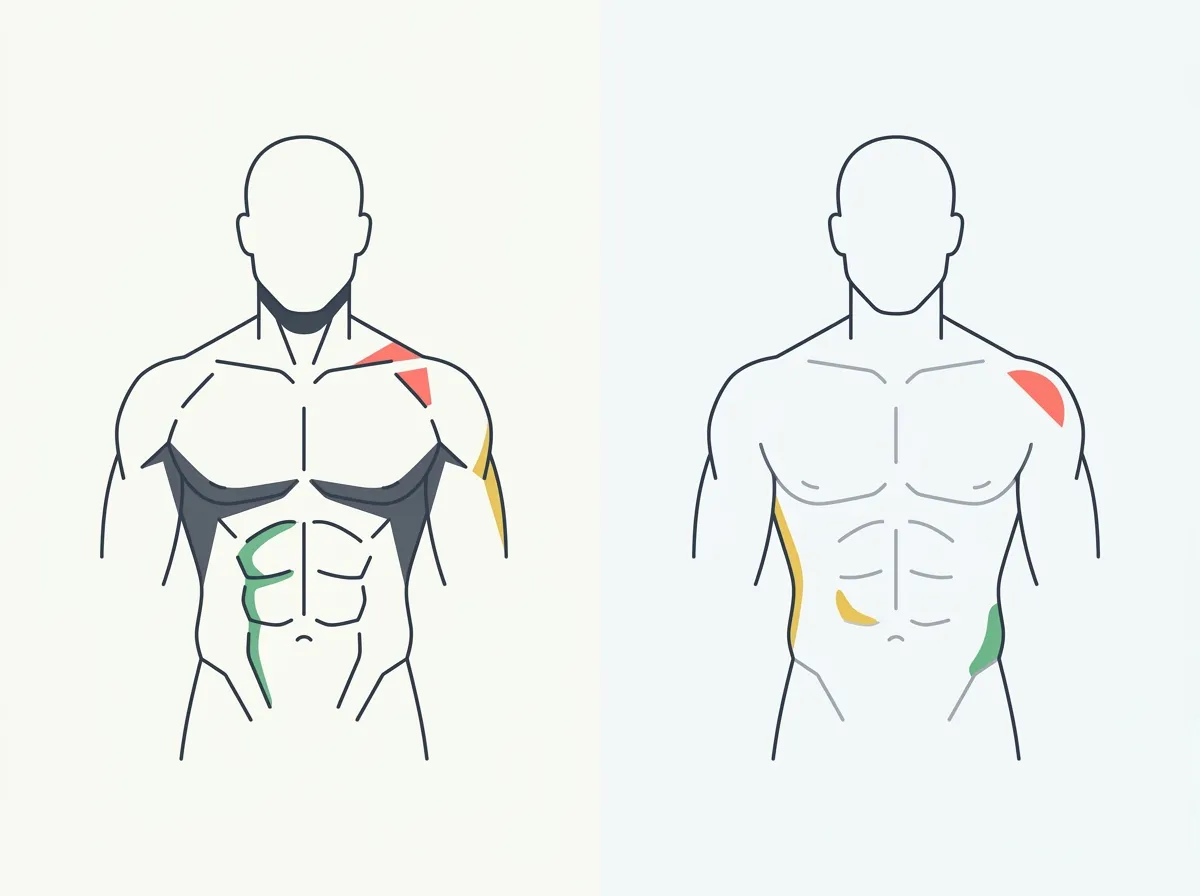
Why Your Abs Show in Some Lighting and Not Others
Shredded in the gym mirror, smooth in the bathroom twenty minutes later. Your body fat didn't change on the drive home — the direction of the light did. Here's the physics, and how to stop letting it lie to you.
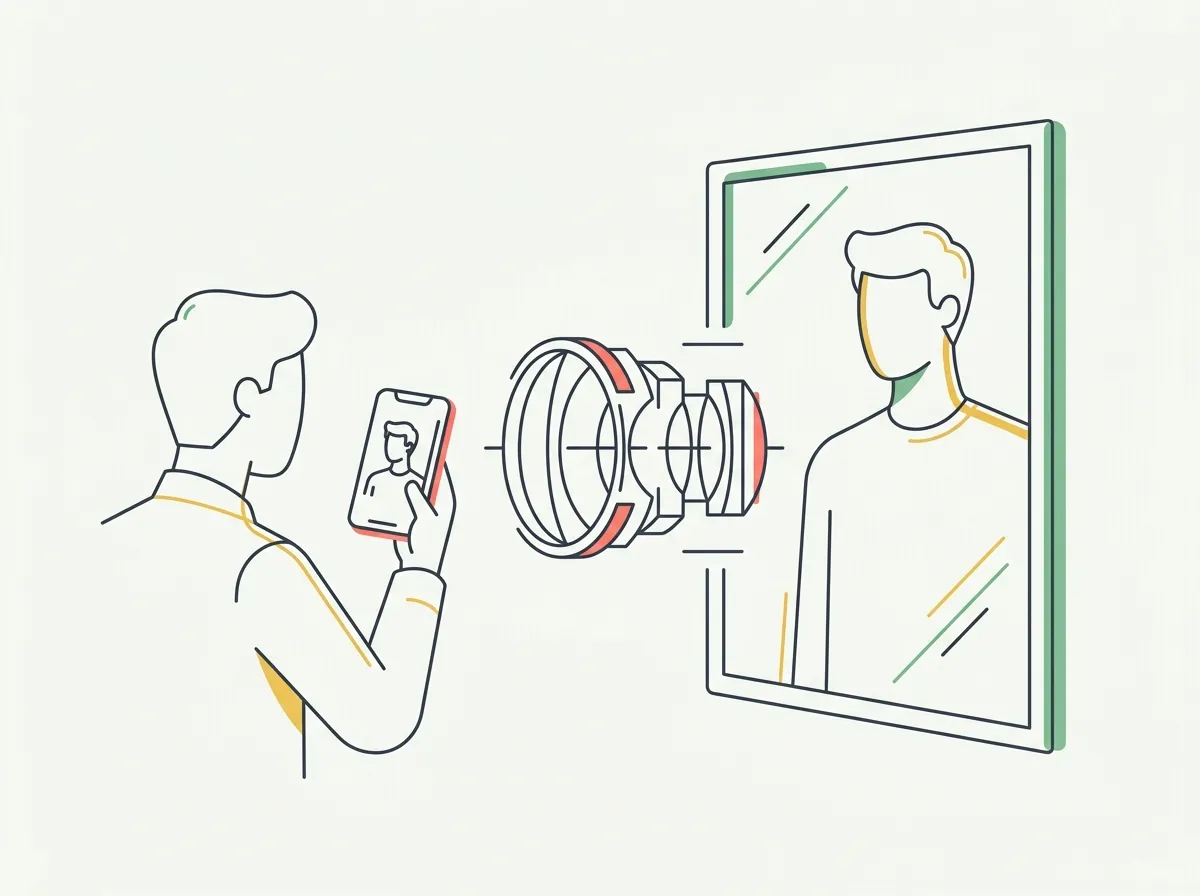
Why Do I Look Smaller in Photos Than in the Mirror?
You're not imagining it — the gym mirror and your camera roll genuinely disagree, and the reasons are optics, not ego. Here's what the lens, the distance, and the lighting are each doing to you, and how to turn the camera into the more honest instrument.
Download GainFrame today
Sign up for early access and be the first to know when GainFrame goes live.